Sustainability has become an important focus for many businesses lately, going beyond just trendy terms. As the world collectively works to reduce its impact on the environment, sustainable subscription boxes have emerged as a beneficial solution for companies in various fields.
In this guide, we’ll delve into the world of these boxes, understand their significance for businesses, explore their eco-friendly benefits, and identify 16 different industries that can make use of them. Whether you’re in beauty, fashion, health, food, or any other field, you’ll learn how these environmentally responsible subscription boxes can create a positive impact. We’ll also discuss how to assess and personalize them for your customers.
One-Minute Self-Check – Does Your Industry Fit?
Ask yourself these three questions before reading further:
- Is my product lightweight? (Under 2 lbs keeps shipping costs low)
- Does my product have a repeat purchase cycle? (Monthly refills? Seasonal updates?)
- Can my product ship without glass or hard plastic? (Eco-friendly materials work best with solid or dry goods)
If you answered yes to at least two, keep reading.
Which industry is easiest for a small brand to start with?
Not all 16 industries are equal for beginners. Here are the 3 lowest-barrier entry points for a brand shipping 200 boxes per month:
Industry | Why It Works for Startups | Minimum Monthly Investment (200 boxes) | Main Risk |
Books | The product is paper — no inner padding needed. FSC board + paper tape does the job. | $180–250/month | Corner damage in transit |
Coffee / Tea | Dry goods are forgiving. PLA-lined kraft bag + FSC outer box. | $220–300/month | Seal failure (test 10 boxes first) |
Candy / Snacks | Small size, high reorder rate. Cellulose bags + kraft box. | $150–200/month | Moisture (add desiccant in humid regions) |
Why Choose Sustainable Subscription Boxes?
Sustainable Subscription Boxes are far more than a fleeting fashion; they constitute a strategic choice for businesses seeking to curtail their ecological footprint while also meeting the escalating consumer demand for eco-friendly products. This multifaceted commitment to sustainability provides a range of advantages and merits careful consideration.
1. Environmental Impact: Traditional vs. Sustainable Boxes
To truly appreciate the value of sustainable subscription boxes, it’s essential to examine the stark contrast between traditional packaging and shipping practices and the environmentally responsible approach of sustainable shipping boxes.
2. Reduced Waste
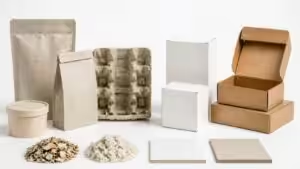
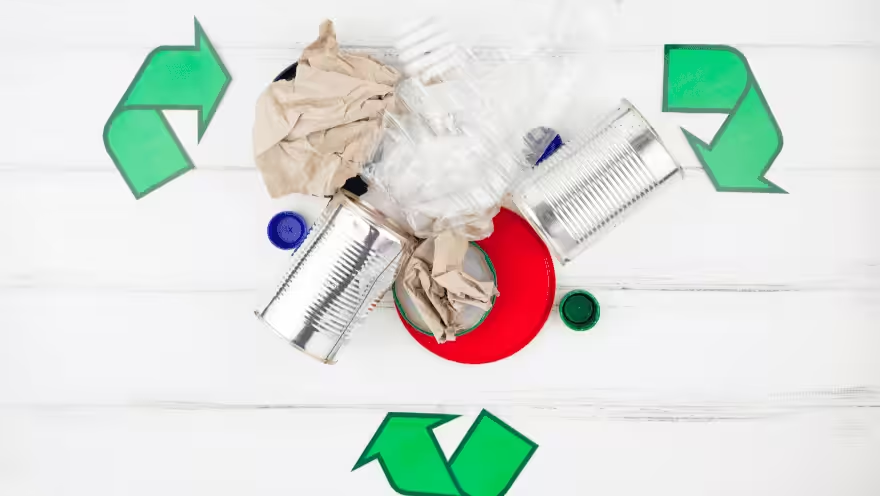
These eco-friendly items are meticulously crafted to minimize waste. They frequently feature high-quality materials that are not only recyclable but also biodegradable or reusable, significantly diminishing their environmental impact.
By using these eco-friendly materials, you’re contributing to three key outcomes: reducing non-recyclable personal waste, conserving resources, and minimizing the burden of plastic waste on landfills and oceans.
3. Energy Efficiency
Many subscription services prioritize eco-friendly alternatives and renewable energy sources throughout their production and transportation processes. This deliberate choice translates to lower carbon emissions, less plastic waste, and a lighter ecological footprint.
It’s a testament to the fact that by opting for sustainable subscription boxes, you’re not just improving your business model but also taking an active role in reducing greenhouse gas emissions, which is critical for mitigating climate change. It really can support small businesses.
4. Ethical Sourcing
These eco-friendly items typically house products sourced from companies that adhere to ethical and sustainable practices. This extends to the entire supply chain and encompasses a wide variety of facets, including fair trade, cruelty-free manufacturing, and responsible sourcing of materials.
The commitment to ethical sourcing ensures that your customers receive products that not only come in eco-friendly packaging but also align with their values and ethical preferences. It’s a holistic approach to sustainability that acknowledges the interconnectedness of environmental and ethical considerations.
By opting for these boxes, you not only reduce your ecological footprint but also convey a strong commitment to sustainable life and environmental responsibility to your customers.
16 Sustainable Subscription Boxes for Different Industries
Now, let’s explore diverse industries, each with its unique set of needs and preferences, and have a look at how they can get creative to harness the power of these boxes to not only reduce their environmental impact but also create lasting connections with their customers.
1. Beauty and Fashion
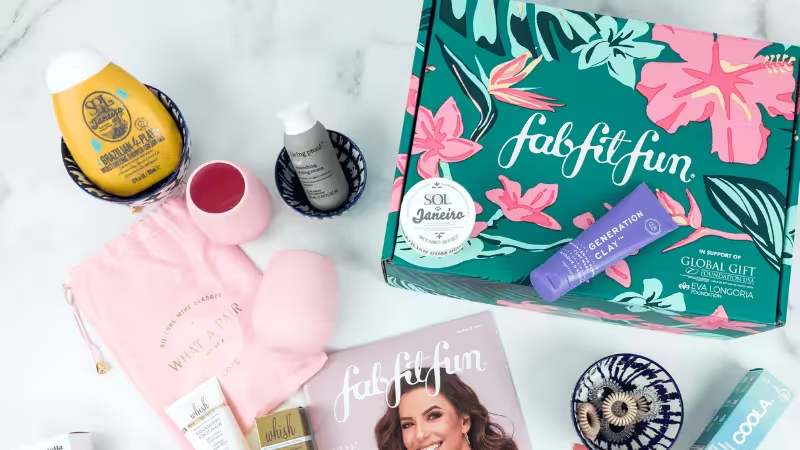
For cruelty-free beauty and fashion brands, sustainability is more than just a trend; it’s a movement. Sustainable beauty subscription boxes can include a range of beauty products, from cruelty-free makeup to organic skincare and eco-friendly clothing items.
Personalizing the packaging and selecting ethically sourced and cruelty-free beauty products is one of the best ways to elevate your brand’s image and appeal to the growing eco-conscious consumer base.
Packaging note: Use glass jars (recyclable) for creams, bamboo compacts for powders, and paper tape instead of plastic. Avoid foam inserts — use molded pulp or shredded kraft paper instead.
2. Clothing
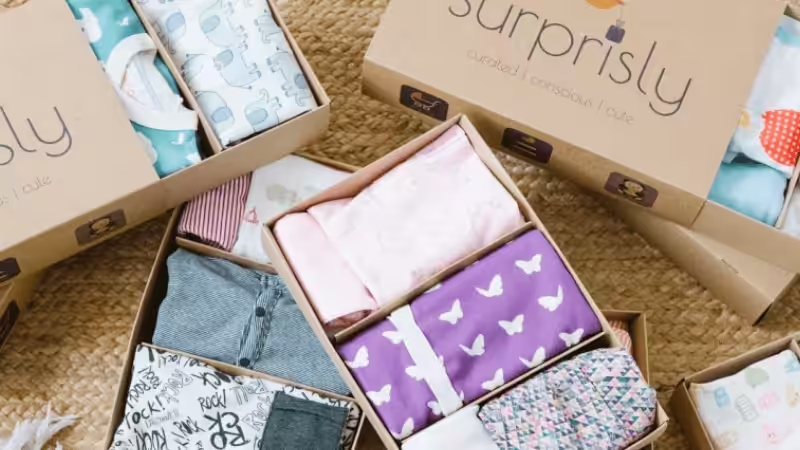
The best eco-friendly clothing subscription boxes are rewriting the future of fashion. These high-quality boxes can feature organic, plastic-free, fair-trade, and cruelty-free clothing items in the monthly subscription tailored to your customers’ preferences.
But it doesn’t stop at the clothes; personalized packaging and thoughtful messages make the unboxing experience truly memorable, creating a lasting impression. It’s truly one of the best marketing efforts you can make.
Packaging note: Compostable mailers work better than cardboard for soft goods. They weigh less and survive rain. Add a seed paper thank-you card.
3. Health, Food, and Drink
Sustainability is a core value for health food and drink companies. Subscription boxes in this industry can showcase a variety of eco-friendly options, such as organic snacks, superfoods, and beverages with eco-friendly packaging. By including personalized nutrition advice, you cater to your customers’ health and wellness needs, providing a holistic experience.
Packaging note: PLA-lined paper keeps food fresh but needs dry storage. For liquids, aluminum cans or glass are better than plastic.
4. Children’s Products
Parents today are increasingly seeking sustainable solutions for their children. A subscription box for kids can contain eco-friendly toys, clothing, and educational materials. What makes it extra special is personalization based on the child’s age and interests, ensuring that each box is a perfect fit for the little one.
Packaging note: Avoid small loose fillers (choking hazard). Use large-piece molded pulp. All inks must be soy- or water-based.
5. Books
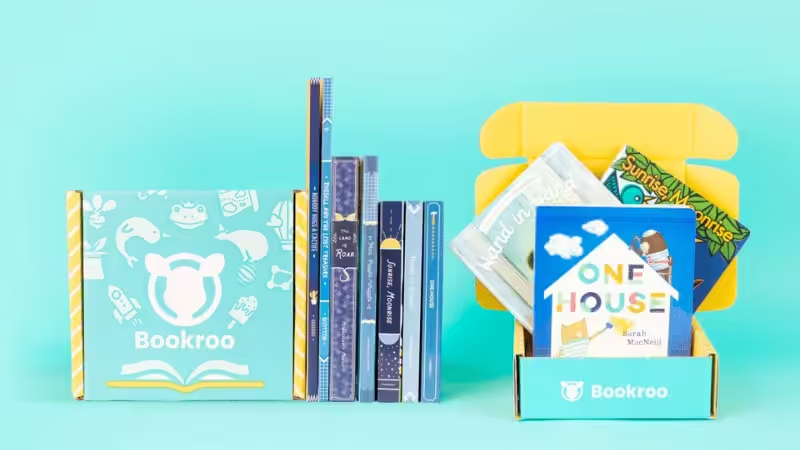
The best eco-friendly book subscription boxes promote reading while being environmentally conscious. These boxes often include recycled or locally sourced books, along with bookmarks and reading-related goodies. To engage readers further, recommendations tailored to their reading preferences can be a delightful addition.
Packaging note: Books are heavy. Use lightweight corrugated (E-flute) and skip inner wrapping. One book = one cardboard sleeve.
6. Candy
Even sweet treats can be sustainable. Sustainable candy subscription boxes can offer organic, ethically sourced candies in eco-friendly packaging. For that extra touch, customers can be given the option to pick their favorite flavors and types of sweets, making each box a favorite sustainable subscription box.
Packaging note: Cellulose bags (compostable) work for dry candy. For chocolate, add a thermal liner made from recycled denim, not plastic bubble wrap.
7. Stationery
Eco-conscious individuals appreciate sustainable stationery options. A sustainability box in this category can include items like recycled paper, biodegradable pens, office supplies, and other plastic-free products with an eco-friendly twist.
Allowing customers to customize their stationery based on their work or creative needs ensures they receive items that suit their preferences perfectly. You can even create a stationery gift box specifically for them, which is just as charming as a subscription box.
Packaging note: Slim rigid mailers protect paper products. Avoid plastic sleeves — use paper bands instead.
8. Coffee & Tea
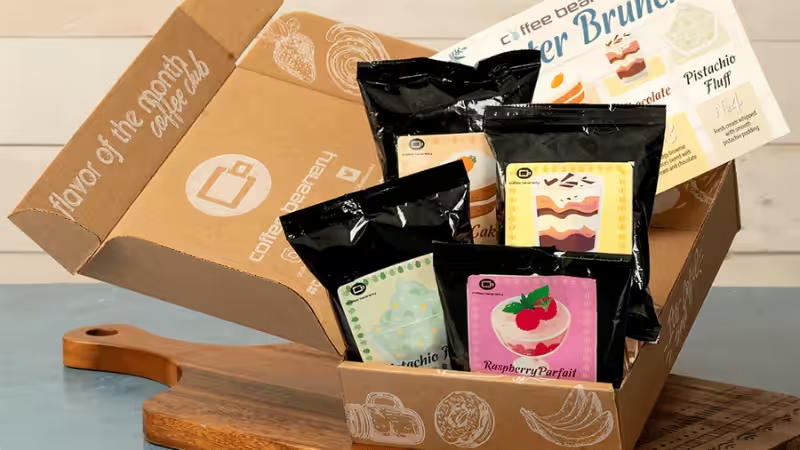
Coffee and tea lovers can now savor sustainable blends with eco-friendly packaging. Personalization comes into play by letting customers choose their favorite beans or tea leaves, accompanied by brewing tips and reusable accessories. It’s a delightful way to create a coffee or tea experience that’s tailor-made for every subscriber.
Packaging note: PLA-lined kraft bags keep beans fresh but aren’t home-compostable (industrial only). Reusable tins cost more upfront but boost retention — customers keep the tin.
9. Household Products
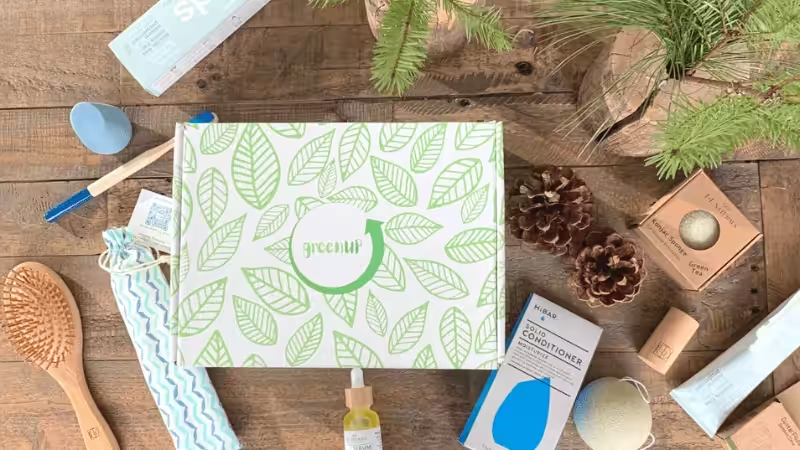
Sustainable living is on the rise, and a monthly subscription box for household products can help consumers make greener choices. These monthly subscriptions can include eco-friendly cleaning supplies, reusable kitchen items, care items, and energy-saving gadgets. Customization based on household size and specific needs ensures that each box contributes to a more eco-friendly home environment.
Packaging note: Refillable glass bottles + tablet refills cut waste by 80%. Test for leaks before shipping.
10. Cannabis
With the cannabis industry experiencing significant growth, there’s a growing demand for sustainable options. Cannabis subscription boxes can feature responsibly sourced products, reusable accessories, and educational content about the best eco-friendly practices in the industry.
If you’re thinking about marketing strategies, customize the boxes to cater to different consumption preferences. It allows subscribers to enjoy cannabis products that align with their individual preferences, hence enhancing customer feedback.
Packaging note: Must be child-resistant and smell-proof. Bioplastic tubes work, but check local composting rules. Hemp paper boxes are a strong branding move.
11. Cigar
Cigar companies can now indulge in recyclable packaging boxes that offer responsibly sourced cigars, quality accessories, and valuable insights into sustainable practices within the industry. Adding a personal touch to this zero-waste packaging, such as allowing customers to choose their preferred cigar type and accessories, elevates the overall experience.
Packaging note: Cedar lining maintains humidity. Skip plastic wrapping — use paper bands. Zero-waste packaging is achievable here.
12. Electronics
Sustainable electronics subscription boxes can provide consumers with eco-friendly gadgets, energy-efficient devices, and tech accessories. The personalization aspect can involve allowing customers to choose specific tech categories or preferences, ensuring that they receive electronic products that suit their needs and values.
Packaging note: Mushroom mycelium or molded pulp beats foam for cushioning. Test drop at 30 inches minimum. Avoid glued inserts — use friction-fit designs.
13. Pet Products
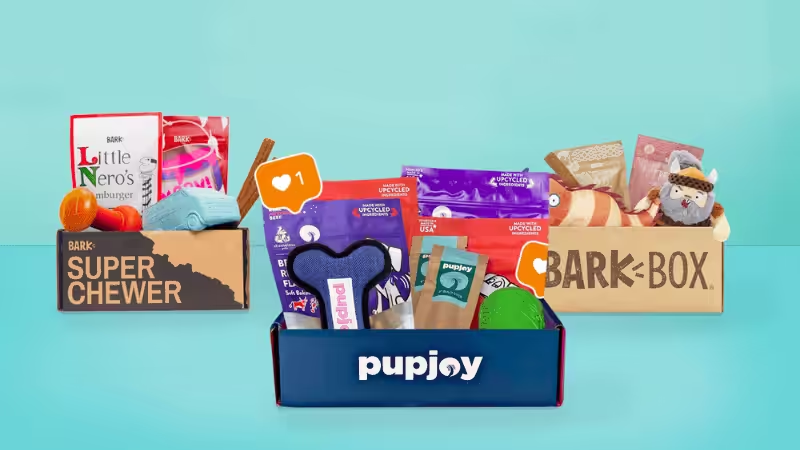
Pet owners are increasingly concerned about sustainability. A subscription box for pet products can include organic pet food, eco-friendly toys, care products, and personalized items suitable for various pet types. Customization in this context ensures that each furry friend gets products tailored to their specific needs and preferences.
Packaging note: Compostable bags for treats. For toys, recycled cardboard with no coating (dogs chew everything).
14. Gardening
Green Thumbs will appreciate sustainable gardening subscription boxes featuring organic seeds, eco-friendly products, garden care products, and educational materials on sustainable gardening practices. These boxes can be tailored to the customer’s gardening preferences, ensuring that they receive seeds and tools that align with their specific gardening goals.
Packaging note: Biodegradable pots can ship as-is. Avoid plastic seed packets — use paper envelopes. Include instructions for composting the box.
15. Fitness
Sustainable fitness subscription boxes can offer eco-friendly workout gear, organic supplements, and personalized fitness plans that align with the customer’s fitness goals. The personalization aspect allows ethical and sustainable brands to ensure that each subscriber receives fitness products and plans that cater to their unique health and fitness needs.
Packaging note: Sweat-resistant coatings must be water-based (not plastic). For protein powders, use compostable pouches.
16. Art Supplies
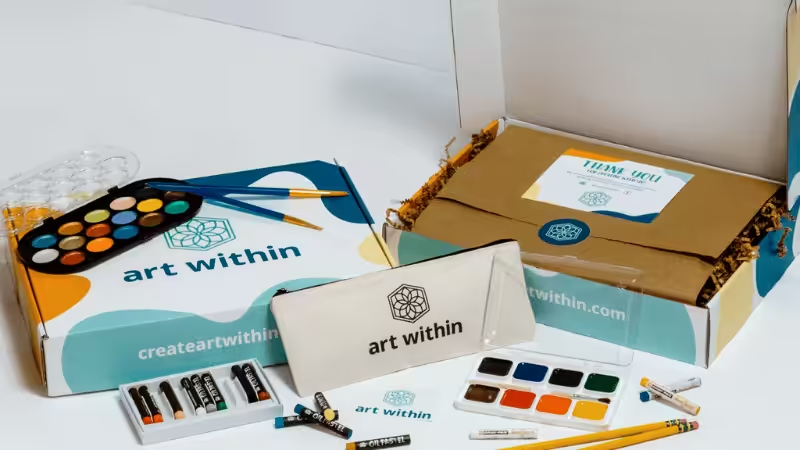
Artists and creatives can benefit from sustainable art supplies subscription boxes that include eco-friendly paints, recycled paper, and customized art kits. Personalization in this context allows artists to receive art supplies that match their artistic style and preferences, facilitating a more personalized and creative experience.
Keep in mind that incorporating sustainable subscription boxes into your business can be a game-changer, not only in terms of reducing environmental impact but also in creating a more personalized and engaging experience for your customers. Whether you’re in the beauty industry or catering to art enthusiasts, the possibilities are vast, and the positive impact on both the environment and customer engagement is significant.
Packaging note: Paper tubes for brushes, recycled chipboard for pads. Avoid foam — use corrugated corner protectors.
3 Real Brand Case Studies
Case 1: Organic Coffee Subscription
Product: Single-origin organic coffee (12oz bag)
- Packaging solution: FSC-certified kraft box (no coating) + PLA liner (industrial compostable) + seed paper insert
- Initial challenge: PLA liner failed in hot trucks (Arizona summer) — coffee arrived stale
- Solution: Added recycled aluminum foil layer (still recyclable) + “ship Monday only” rule to avoid weekend truck heat
Lesson learned: Test seasonal routes. Phoenix in July is different from Seattle.
Case 2: Clean Beauty Box
Product: 4 full-size skincare items (serum, moisturizer, cleanser, mask)
- Packaging solution: Molded pulp insert + FSC corrugated outer + glass bottles (brand uses refill program)
- Initial challenge: Glass breakage during cross-country shipping (15% first month)
- Solution: Molded pulp redesign with deeper pockets + overbox protection
Lesson learned: Invest in custom molded pulp — off-the-shelf doesn’t protect glass.
Case 3: Pet Treats Box
Product: 5 varieties of dog treats + 1 toy
- Packaging solution: Compostable cellulose bags (treats) + recycled cardboard box (no coating) + paper tape
- Initial challenge: Dogs chewed through the box (too thin)
- Solution: Upgraded from 200gsm to 350gsm cardboard + added “keep away from dogs until opened” sticker
Lesson learned: Pet packaging needs to survive both shipping AND pets. Thicker board pays off.
How to Personalize Subscription Boxes for Customers?
Customization is the heartbeat of a successful subscription box business. It’s the art of making your customers feel like you’ve curated something special just for them. Here’s how to create a top sustainable subscription box:
1. Ask for Customer Preferences
Get to know your customers like a friend. Using marketing channels like social media platforms, Find out what they love and what they don’t. Depending on your industry, you can ask about their favorite products, dietary needs, or style choices. It’s like preparing a meal – you want to know their tastes so you can serve up something they’ll savor.
2. Offer Customization Options
Give your customers the power of choice. Let them pick product variations, flavors, sizes, or styles that suit them best. It’s like tailoring a suit – it may be the same suit, but it fits differently for everyone. The ability to make these choices turns an ordinary box into a bespoke experience.
3. Include Personalized Messages
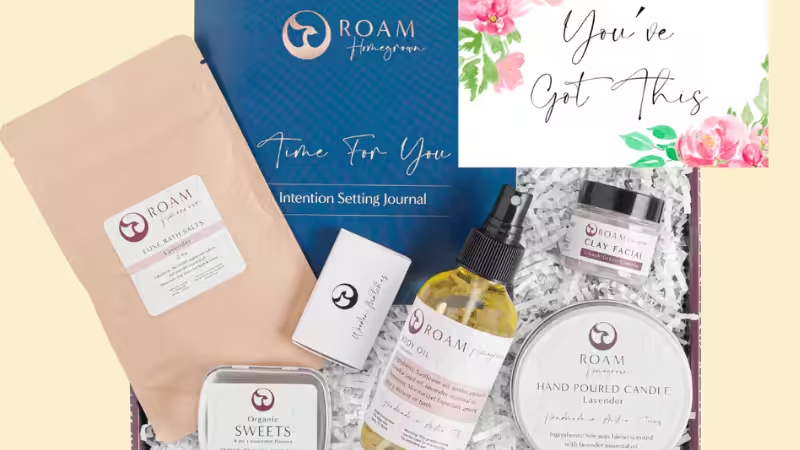
Put a personal spin on your subscription boxes. Toss in handwritten notes or custom greeting cards. It’s like writing a heartfelt letter to a friend. This small gesture can make your customers feel not just seen but cherished.
4. Provide Personalized Recommendations
Use data and a sprinkle of clever algorithms to suggest products that match your customers’ preferences. Whether it’s book recommendations, fashion styles, or food choices, these personalized suggestions can transform a good experience into an outstanding one. It’s like having a personal shopper who knows your style perfectly.
Remember, customization isn’t just about ticking boxes on a form; it’s about making your customers feel that their subscription box is made just for them.
Evaluation Criteria for Sustainable Subscription Boxes
In today’s world, there’s a growing awareness that sustainability isn’t just a trendy term; it’s a crucial consideration. While the charm of unboxing remains, more and more people are demanding that their dose of joy be wrapped in eco-friendly packaging.
This shift towards sustainability has given rise to a new set of evaluation criteria for these boxes, adding depth and purpose to the excitement they deliver.
1. Sustainable Packaging
Picture this: you receive your subscription box and eagerly tear it open to reveal the treasures inside. Now, what happens to the packaging? The best sustainable subscription boxes are a double win, where the packaging is as sustainable as the contents. This is what makes a zero-waste subscription box!
When assessing the sustainability of a subscription box, the first thing to consider is the material of the box itself. Optimal choices include boxes crafted from recycled materials or even innovative alternatives like bamboo or packaging made from mushroom mycelium. These materials not only tick the eco-friendly box but also bring a unique touch to the unboxing experience.
The sustainability test doesn’t stop at the source; it extends to the afterlife of the box. Is it easy to recycle, or does it lend itself to creative reuse? The more versatile the box, the better it scores on the sustainability scale. It’s not just about the gift; it’s about the gift wrap, too!
2. Ethical and Sustainable Product Selection
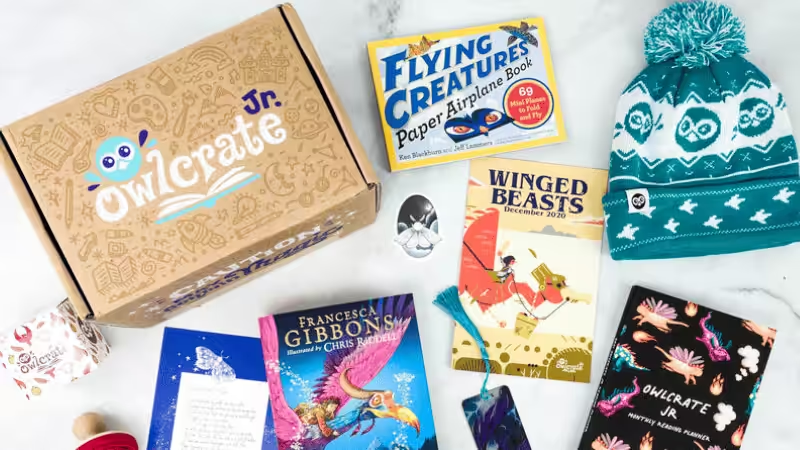
Let’s not forget the star of the show – the products inside the subscription box. A high-quality, eco-friendly subscription box goes beyond appearances and dives deep into the ethics of its contents. Are the products ethically sourced? Are they cruelty-free? Do they have a minimal environmental impact? These questions matter more than ever.
Ethical sourcing ensures that products have been produced while respecting the rights of those who made them and the environment. Cruelty-free products guarantee that no harm was done to animals during their production. A low environmental impact means that the products don’t leave a large carbon footprint in their wake. Transparent sourcing and ethical practices should be right at the top of the priority list for companies curating box subscriptions.
It’s not just about what’s inside the box; it’s about how those products are made and where they come from. FSC-certified packaging boxes are sustainable and recyclable, and working with an FSC-certified company to customize your eco-friendly subscription boxes is the most time-saving option.
3. Customer Communication and Transparency
While a subscription box can be as green as a forest, it’s not enough to keep it a secret. Communicating your sustainability efforts to your customers is as crucial as the sustainability itself. In the age of information, people want to know where their products come from, how they’re made, what impact they have on the world, and whether they match their sustainable lifestyle or not.
A company that’s open and transparent about its sustainability initiatives builds trust and loyalty and can easily connect with conscious consumers. It’s like having an honest conversation with a friend – it brings you closer. So, whether it’s through product labels, brochures, or online content, let your customers in on your sustainability journey. Let them know that when they unbox a subscription box from your company, they’re not just receiving a product; they’re becoming a part of an eco-friendly movement. Make them believe it’s a step toward a more sustainable lifestyle.
4. Minimal Waste

In a world that’s increasingly aware of the waste problem, minimalist packaging is the new trend. Less is often more. When you evaluate a subscription box’s sustainability, make sure you think about how it’s designed. Is it crafted with minimal waste in mind? The less excess material and packaging, the better it is for the environment.
It’s like the eco-friendly version of ‘less is more.’ The next time you open a subscription box, pay attention to the amount of packaging used. A sustainable subscription box aims to give you all the joy with none of the waste.
Which Certifications Give the Best ROI for Subscription Brands?
Brand size | Invest first in | Add later | Skip |
Startup (<10k boxes/year) | FSC Mix | OK compost (if food box) | C2C, GRS |
Growth (10k-50k) | FSC 100% on hero box | GRS for any fabric items | — |
Enterprise (>50k) | B Corp + C2C Silver | All of the above | None |
Consumer priority (survey data): FSC (72% recognize) > B Corp (55%) > Cradle to Cradle (28%) > GRS (19%) > OK compost (12%)
Frequently Asked Questions About Sustainable Subscription Box
Q1: Will sustainable packaging survive shipping? I sell liquids and glass.
Yes, with testing. Molded pulp is stronger than foam for glass. PLA-coated paper handles liquids well but fails in extreme heat. For glass, we recommend double-wall FSC corrugated + custom molded pulp. Our guarantee: We’ll provide drop test data before you order production.
Q2:How do I switch from my current packaging to sustainable?
Do it in phases. First month: swap your box to FSC corrugated (cheapest change). Second month: replace plastic tape with paper tape. Third month: change inner cushioning to molded pulp. Don’t do it all at once — you’ll discover issues (like glue failure) that need solving one by one.
Q3:What happens to unused boxes if customers cancel?
Two options. (1) Offer a “skip month” option instead of cancellation — keeps them as a customer. (2) For truly canceled, ask if you can send a one-off gift box to someone they nominate (friend, shelter, charity). This builds goodwill and you use up inventory. We’ve seen 20-30% of canceled customers accept this.
Q4:What is the average cost of a sustainable subscription box compared to a regular one?
Sustainable subscription boxes typically cost 10–30% more than conventional options due to higher-quality materials, ethical sourcing, and eco-friendly packaging. However, prices are dropping as more suppliers adopt green practices and order volumes increase. Many customers find the premium worthwhile for reduced environmental impact and healthier products.
Q5:How do I recycle or compost the packaging from a sustainable subscription box?
Most sustainable boxes use recyclable cardboard, compostable mailers, or reusable containers. Check the box for specific labels—many brands include a small recycling guide inside. For compostable materials, you’ll usually need an industrial composting facility, but some packaging can break down in home compost bins within 3–6 months.
Q6:Do sustainable subscription boxes actually reduce my carbon footprint?
Yes, but the reduction varies by brand. Look for boxes that use local or regional suppliers, carbon-neutral shipping, and minimal packaging weight. The biggest savings come from avoiding single-use plastics and consolidating multiple products into one delivery instead of separate purchases.
Q7:What if I want to start my own sustainable subscription box but can’t find eco-friendly packaging in small quantities?
Many packaging suppliers now offer low minimum order quantities (MOQs) specifically for startups, including recycled boxes, biodegradable mailers, and plant-based inks. Request custom samples to test materials before committing, and ask suppliers about their sustainability certifications. [This is where custom packaging services can help you compare options and order small batches to match your brand’s values.]
Conclusion
Sustainable subscription boxes offer a path to environmental responsibility while enhancing your business’s appeal to eco-conscious consumers. The 16 industries discussed in this guide highlight the versatility of these eco-friendly boxes. By personalizing your offerings and adhering to sustainability criteria, you can drive customer engagement and increase your sales.
Ready to Make the Eco-friendly Switch For Your Business?
Packoi is one of the best choices if you want to customize a sustainable box for your products. We’re here to assist you in creating the best eco-friendly packaging solutions tailored to your brand’s needs. Discover the positive impact of sustainability on your business today.
Have questions or want to learn more about our services? Contact us today and find out how Packoi can help you embrace sustainability and boost your business’s success.