The global movement to eliminate plastic from packaging is no longer a distant ideal. It’s an urgent imperative. As businesses and consumers alike demand cleaner alternatives, a new wave of biomaterials is stepping up to meet the challenge.
Among them, mushroom packaging stands out not just as an eco-friendly substitute but as a genuine innovation in the way we think about shipping and sustainability. Unlike traditional materials that linger in landfills or oceans for centuries, mushroom packaging biodegrades naturally and nourishes the earth in the process.
It’s a game-changing solution at the intersection of biology, technology, and forward-thinking design. The article below takes a closer look at the benefits and potential of mushroom packaging and how it can shape a greener future.
What Is Mushroom Packaging?
Mushroom packaging is a sustainable packaging material made from mycelium, the root structure of mushrooms. When combined with agricultural waste like hemp or corn husks, mycelium grows into molds that form strong, lightweight shapes.
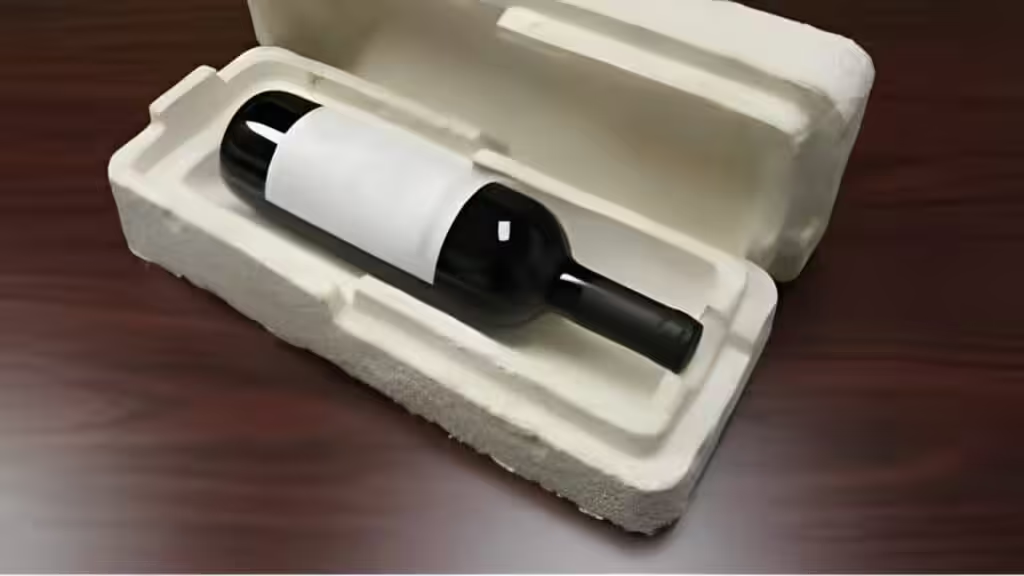
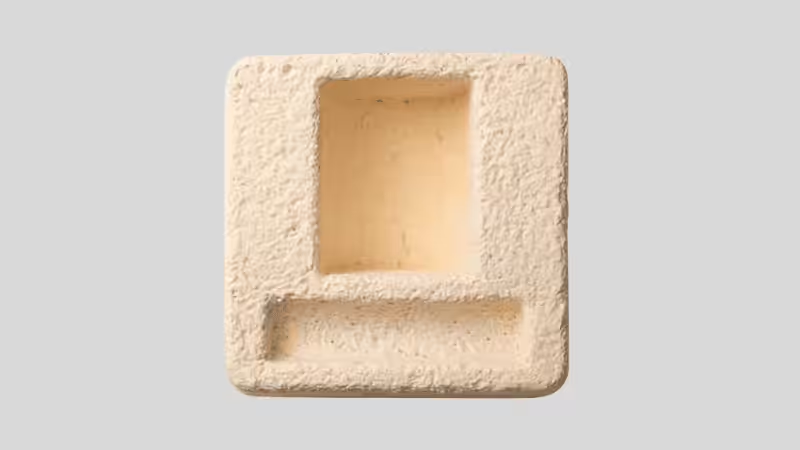
This natural process takes less than a week and requires minimal energy, making it one of the most eco-efficient packaging solutions available today. The final product is firm, yet slightly spongy, similar in feel to Styrofoam.
Its surface is off-white or beige, with an organic texture. Despite its natural look, it holds up well under pressure. It’s fire-resistant, water-resistant to a degree, and fully compostable at home or in soil. That makes it an attractive alternative to plastic packaging, which can take hundreds of years to decompose.
Structurally, mushroom packaging performs exceptionally in protecting fragile goods. It can be molded into custom shapes, making it ideal for custom packaging needs like electronics, cosmetics, and glassware. It’s shock-absorbent and durable in transit, just like expanded polystyrene foam.
Where it differs is in impact. Traditional plastic packaging pollutes waterways, generates CO₂ during production, and adds to landfills. Mushroom packaging, in contrast, returns to nature within 30–60 days after disposal.
How Is Mycelium Packaging Made?
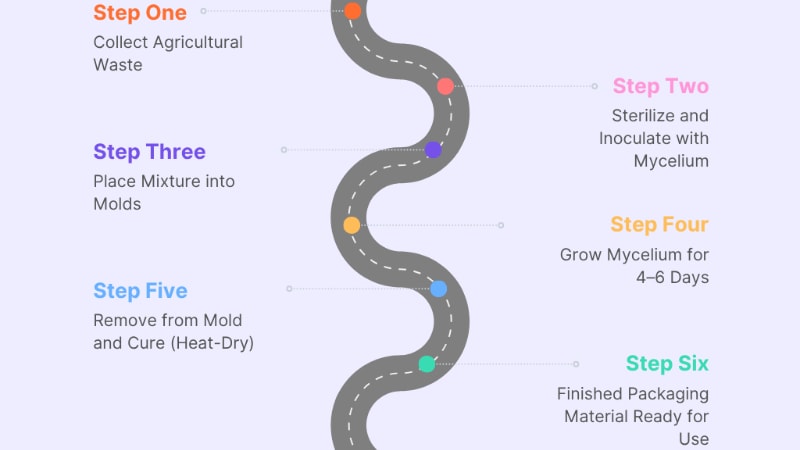
Mycelium packaging is created through a clean, low-energy process that combines agricultural waste with fungal biology. Here’s a step-by-step breakdown:
- Collect Agricultural Waste
Materials like corn husks, hemp hurds, or sawdust are gathered. This waste acts as the nutrient base. - Sterilize and Inoculate
The agricultural waste is cleaned and sterilized. Mycelium (fungi roots) is then added. - Grow the Mycelium
The mixture is placed into molds. Over 4–6 days, mycelium grows, binding the waste into a solid form. - Mold Customization
Custom molds allow precise shaping for product fit. This enables custom packaging tailored to different industries. - Curing and Drying
Once fully grown, the formed material is heat-treated. This halts fungal growth and hardens the shape. - Final Product
The result is a dry, durable, and biodegradable packaging material ready for use.
This entire cycle, from inoculation to cured packaging, typically takes 7 to 10 days, depending on temperature and mold size. Unlike petroleum-based plastic packaging, this process requires no synthetic chemicals or toxic emissions.
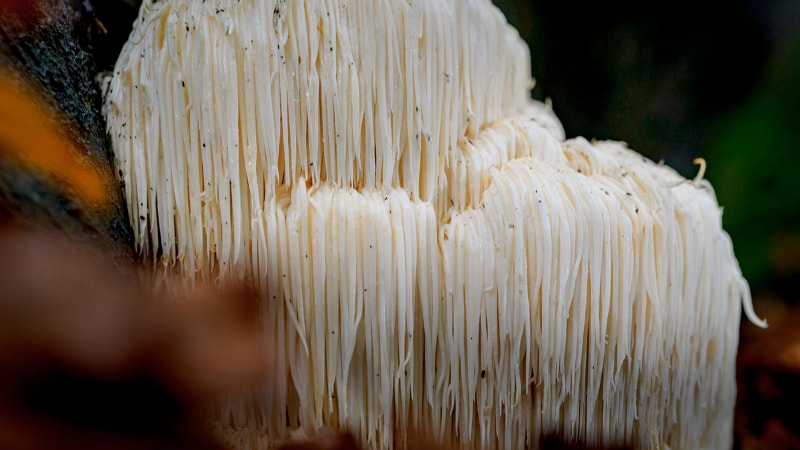
In terms of scalability, mycelium packaging is already in commercial use. Modular growing systems make it viable for small startups and large enterprises alike. As demand for sustainable packaging grows, so does the infrastructure for high-volume production.
The ability to mold the material into precise, protective shapes positions mycelium as a serious contender in the packaging solutions market, especially for brands seeking low-impact, regenerative alternatives to foam and plastic.
Environmental Benefits of Mushroom Packaging
Mycelium packaging offers a clear environmental advantage over conventional materials. It is a form of biodegradable packaging that breaks down naturally in soil within 30 to 60 days. No industrial composting or chemical treatment is needed.
Once disposed of, it decomposes into organic matter, enriching the soil without leaving behind toxins or microplastics. Unlike petroleum-based plastics, which persist for centuries, mycelium packaging is made from agricultural and food waste.
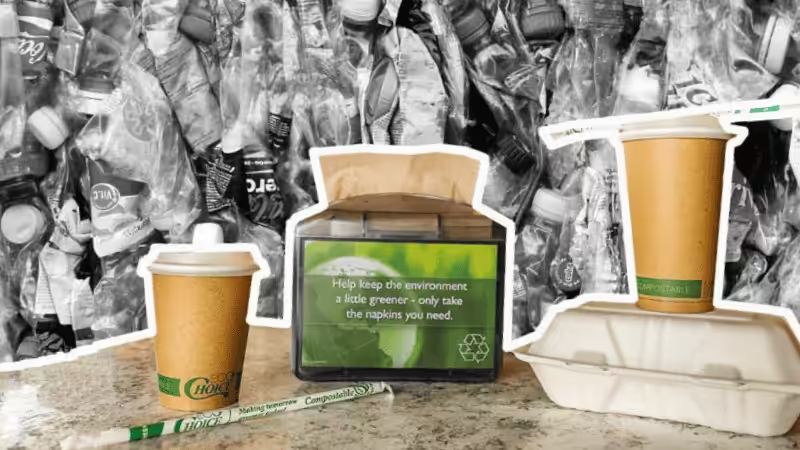
This process diverts waste from landfills and repurposes it into something useful. The entire growing cycle requires little water and no synthetic additives. Energy consumption is minimal, especially compared to plastic and foam production, which depend heavily on fossil fuels.
Another key benefit is ocean safety. Mycelium packaging poses no risk to marine life. If it ends up in waterways, it simply biodegrades. In contrast, plastic pollution is now a global crisis, harming ecosystems and entering the food chain.
When it comes to emissions, mycelium packaging contributes to lowering the carbon footprint of shipping and manufacturing. Some researchers even refer to it as a carbon-negative solution, because the growing process can capture more carbon than it emits.
The Sustainable Packaging Coalition and other environmental groups are increasingly recognizing such materials for their potential to reshape the industry. Whether used in the food industry, electronics, or consumer goods, mycelium packaging offers a credible, scalable alternative to traditional foams.
Key Use Cases and Applications
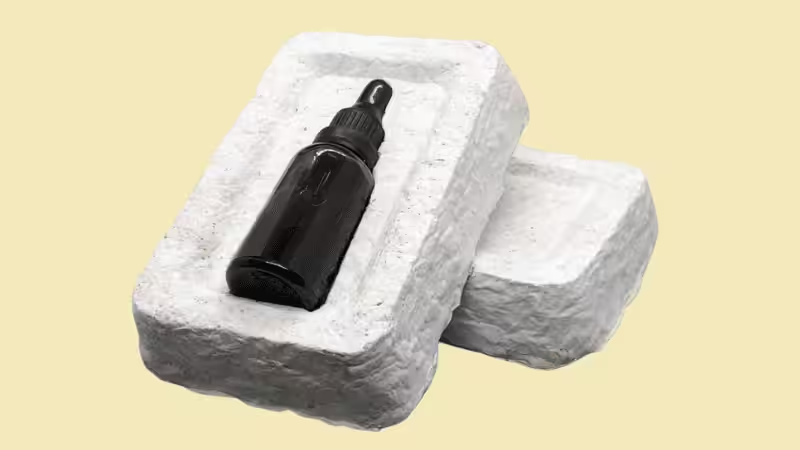
Mushroom packaging has found its use cases in a wide range of industries. Some of them are as follows.
Electronics and Fragile Item Protection
Mycelium packaging is gaining traction in the electronics industry. It works well as a shock-absorbent cushion for phones, laptops, and glass components. It performs like foam but breaks down naturally, so it’s ideal for companies seeking sustainable alternatives to traditional plastic.
Cosmetics and Small Goods
For cosmetics and personal care products, mycelium packaging offers precise molding. It fits snugly around delicate jars and tubes, reducing movement and preventing breakage. It also boosts brand appeal for businesses focused on eco-conscious values.
Food Service and Takeaway Packaging
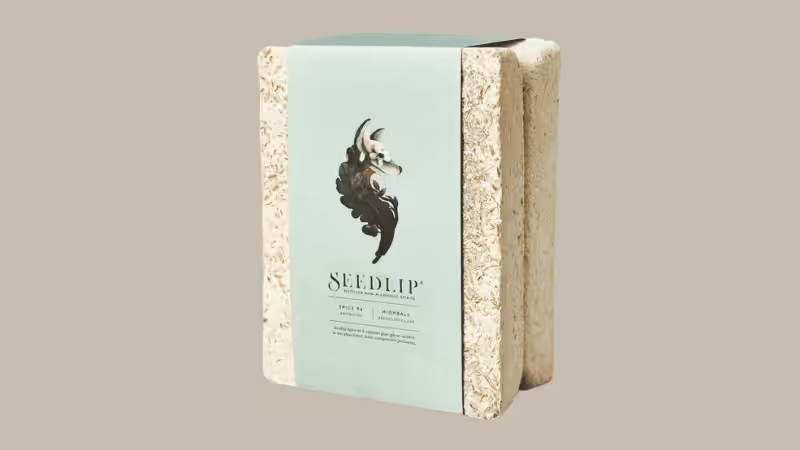
In the food sector, mycelium competes directly with cornstarch and bagasse materials. As a mushroom product packaging, it is ideal for takeout containers, fresh produce trays, and grocery coolers.
- Moisture & Grease Proof: It naturally resists moisture and oils, ensuring takeaway containers stay sturdy against hot steam and heavy sauces.
- Temperature Control: The material is highly thermally insulating, perfectly replacing Styrofoam to keep frozen foods and hot meal deliveries at stable temperatures.
- Safety & Use Cases: Premium food brands use custom mycelium trays to safely fill shipping boxes for fragile wine bottles and organic honey. Made purely from agricultural waste, it is perfectly food-safe and 100% home compostable.
Artisanal Brands and E-Commerce
Sustainability-focused e-commerce and artisanal brands are early adopters. These businesses use mycelium packaging to align with eco-values and reduce waste. Its clean look and compostability reinforce a commitment to the circular economy.
Mushroom Packaging vs Other Biodegradable Alternatives
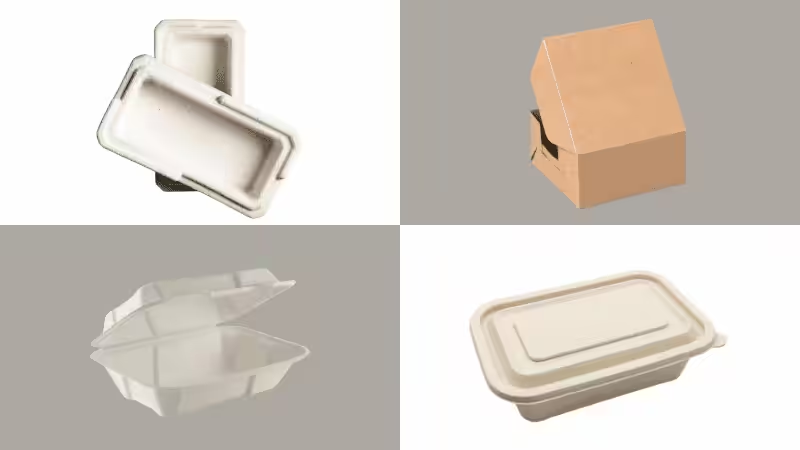
Mushroom packaging offers distinct advantages over other biodegradable options like cornstarch packaging, paper, and molded fiber. While all of these are better than traditional plastic, mushroom packaging is grown from agricultural waste, making it a carbon-negative solution. It’s also more durable than paper and less water-intensive than molded fiber.
| Feature | Mushroom Packaging | Cornstarch Packaging | Paper Packaging | Molded Fiber |
|---|---|---|---|---|
| Source Material | Agricultural waste + mycelium | Corn/plant starch | Wood pulp | Recycled paper pulp |
| Biodegradability | Fully home compostable | Compostable (may need facilities) | Biodegradable | Biodegradable |
| Strength & Protection | High (shock absorbent) | Moderate | Low | Moderate |
| Water Resistance | Moderate | Low | Low | Moderate |
| Energy to Produce | Low | Moderate | Moderate | High (water & heat needed) |
| Custom Moldability | Excellent | Good | Poor | Good |
| Ideal Use Cases | Fragile goods, electronics, food trays | Food containers | Bags, wrapping | Trays, inserts |
| Compost Time | 30–60 days | 90+ days (varies) | 60–90 days | 90+ days |
| Carbon Footprint | Very low (carbon negative solution) | Moderate | Moderate | High |
Mushroom packaging is becoming more cost-competitive as production scales. While it may currently cost slightly more than traditional plastic or paper packaging, it offers better durability and protection, especially for fragile items.
Compared to cornstarch packaging and molded fiber, it performs better in cushioning and custom moldability. Its use of agricultural waste as a feedstock helps reduce raw material costs and contributes to a circular economy.
Storage & Handling Guidelines
Once cured, the mushroom material is highly stable, allowing for months of warehouse storage. Through years of industry development, it has been rigorously tested to ensure its form doesn’t warp in standard environments.
While prolonged moisture exposure can soften it (making indoor storage ideal), it reliably offers the same durability and shock absorption as traditional plastic foam during transit. It is highly protective for e-commerce shipments, ensuring goods arrive safely while delivering a premium, zero-waste unboxing experience for your customers.
Enterprise Sourcing Guide for Mushroom Packaging
For buyers switching from EPS/EPE, here are the core facts regarding cost, performance, and procurement:
- Design & Prototyping: It is ideal for custom-molded shapes (e.g., corner protectors, electronics trays). Our engineers will send detailed drawing dimensions for clients to approve, which acts as the starting point for mold creation.
- Rapid Production: The low-energy manufacturing process uses 1/10th the energy of plastic. The mycelium naturally knits the substrate into solid protective packaging inside the mold, taking just 7 days to grow and be ready for shipment.
- Performance: It natively repels water and offers thermal insulation equal to traditional foam coolers. Because it cures completely dry, it successfully passes all pest and rodent resistance tests.
- Costs & Freight: While tooling fees apply for custom molds, mass-production unit costs and lightweight international shipping freights easily rival traditional EPE/EPS foams.
- MOQ & Branding: Facilities support flexible MOQs. To remain 100% compostable, chemical dyeing is avoided, but custom logos can be neatly embossed into the mold. You can easily request samples to test the material first.
Brands Using Mushroom Packaging Today
Several major brands have integrated mycelium packaging into their operations as part of broader sustainability commitments.
- IKEA: One of the earliest adopters, IKEA uses mushroom-based packaging to protect fragile items during shipping. The company has committed to eliminating traditional plastic in all packaging by 2028 and sees mycelium packaging as a key component of that transition.
- Dell Technologies: Dell uses mycelium packaging to ship lightweight servers and electronic components. The material’s shock-absorbing quality allows for safe transit while reducing waste. Dell reported lower packaging-related emissions after switching.
The sustainability initiatives of these brands show how sustainable packaging could scale without sacrificing performance.
Small Businesses That Have Made the Switch
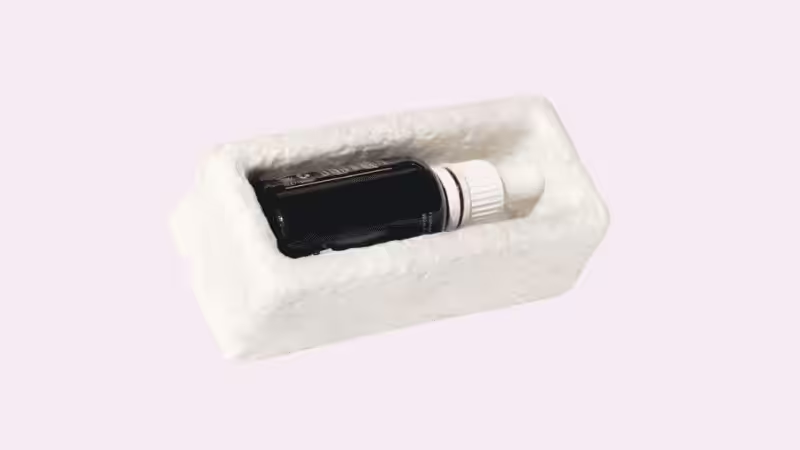
Many small and mid-sized brands are embracing sustainable alternatives to align with eco-conscious consumers:
- Loliware: A sustainable product company using compostable materials like seaweed and exploring mycelium packaging for future expansions.
- Pym: A wellness brand using mycelium-based packaging for supplement shipments to reduce plastic use and appeal to eco-focused buyers.
- Custom candle and soap makers: Many artisans on platforms like Etsy now use mushroom packaging for its aesthetic, minimalism, and biodegradability, helping them build a healthier environment ethos into their unboxing experience.
These examples show that mushroom packaging is both scalable for enterprises and accessible for small businesses committed to greener practices.
Is Mushroom Packaging the Future of Sustainable Shipping?
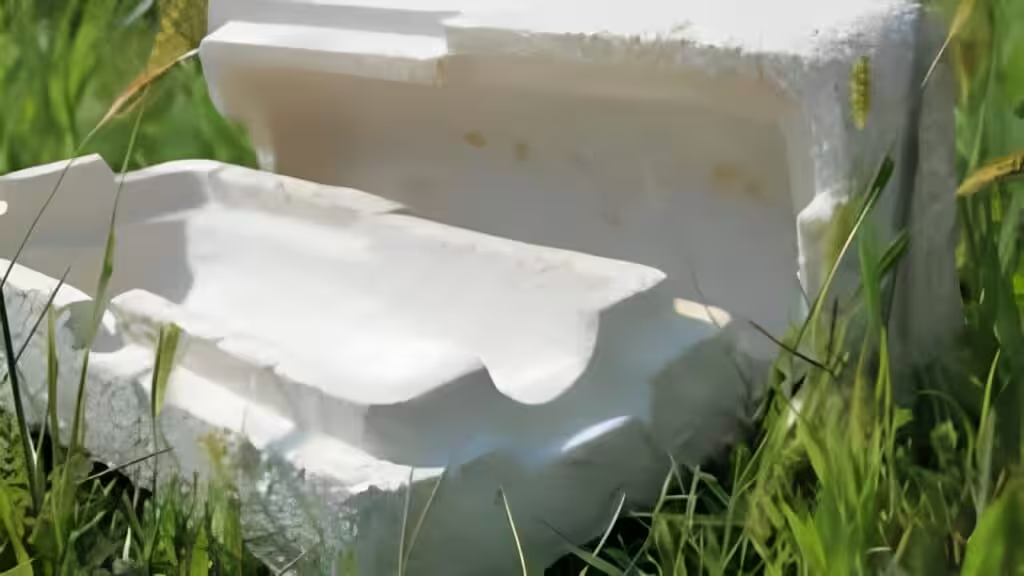
Mushroom packaging is gaining traction as a long-term solution to the global packaging crisis. As the demand for sustainable materials grows, so does investment in mycelium technology. Companies are no longer treating it as a niche option; it’s entering the mainstream.
Market Trends and Investment
Startups like Ecovative and MycoWorks have attracted millions in funding. Their focus is scaling mycelium packaging for global use. Big brands are taking notice. There is clear momentum from:
- Corporate sustainability targets
- Global bans on petroleum-based plastics
- Consumer pressure for greener packaging solutions
More investors are seeing fungi-based materials as a competitive market. The value is in both environmental impact and long-term cost reduction.
Innovations in Biofabrication
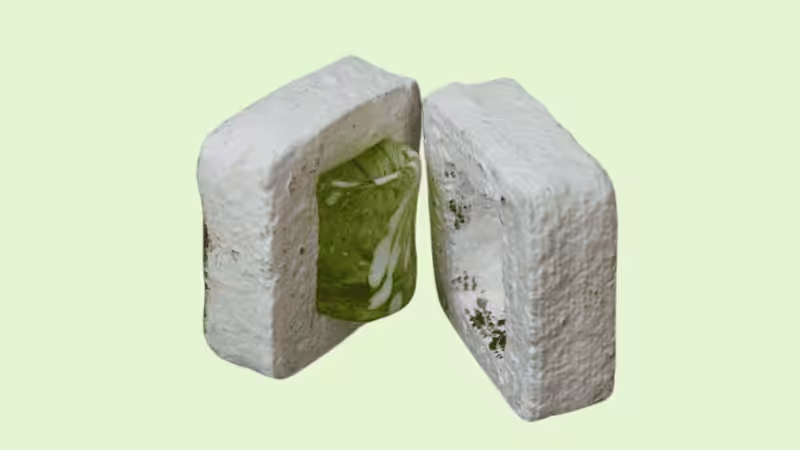
New biofabrication methods make mycelium packaging faster and stronger. Labs are experimenting with:
- Stronger fungal strains
- Faster curing methods
- Hybrid blends with agricultural waste
These innovations reduce production time and improve durability. It’s making the material suitable for more than just custom packaging; it’s becoming viable for bulk use.
Beyond Packaging: A Versatile Future
Mycelium is not limited to shipping applications. Its structure is naturally insulating, breathable, and durable. This opens doors in:
- Building insulation
- Acoustic panels
- Leather-like textiles
- Furniture cores
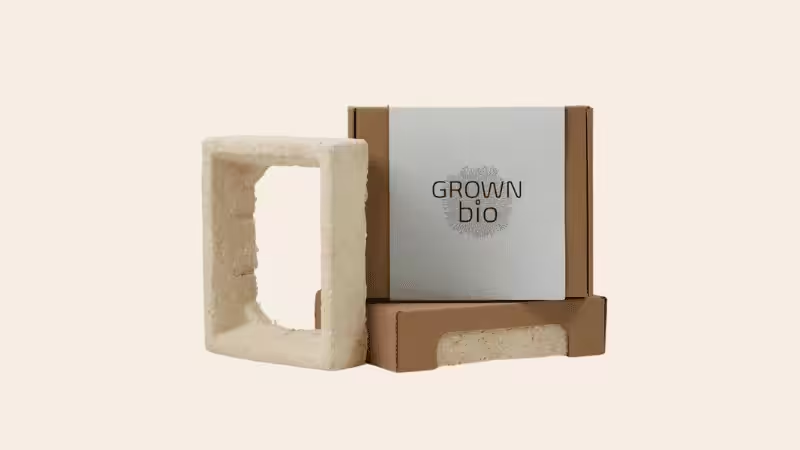
Researchers are testing it as an eco-friendly alternative to foam boards and even fashion materials. The potential is wide. With continued investment, mycelium packaging could transform more than just shipping. It could reshape how we build, ship, and wear products in a circular economy.
FAQs
Q1: Is mushroom packaging safe for food contact?
Generally, it is perfectly safe for indirect food contact, such as shipping sealed jars, bottles, or boxed goods. Because it is 100% natural and non-toxic, it poses no chemical risks. However, for direct contact with unpackaged or moist foods, always verify specific food-grade certifications with your supplier.
Q2: Can I compost mushroom packaging at home?
Yes. It is fully biodegradable and made from natural compostable materials like fungi roots and plant fibers. Just break it into smaller pieces and add it to your home compost bin or pile. It will break down within a few weeks to two months, safely returning nutrients to the soil.
Q3: How long can I store mushroom packaging before using it?
It has an indefinite shelf life when kept in a dry, indoor environment. Because it specifically needs active soil microbes and moisture to decompose, it will never break down prematurely on your warehouse shelves.
Q4: Does using mushroom packaging increase my shipping costs?
No. Mushroom packaging is exceptionally lightweight, matching the density of traditional Styrofoam. You get maximum drop protection and shock absorption without adding extra weight to your parcels, keeping your freight costs fully optimized.
Q5: Can mushroom packaging be custom molded for specific shapes?
Yes. Mycelium naturally grows to perfectly fit custom 3D molds, matching your exact product contours. Contact our design team today to create custom-tailored mushroom packaging solutions that protect your goods and elevate your brand’s unboxing experience.
Conclusion
Mushroom packaging goes beyond simply replacing plastic. Because its growth process naturally absorbs carbon dioxide, it offers tremendous carbon-negative potential.
More importantly, it is a cost-effective and scalable solution for businesses switching from traditional materials without sacrificing profitability. For brands looking to achieve ESG goals and future-proof their supply chains, mycelium packaging delivers real impact. Now is the time to embrace this innovation and show your customers you truly care about the planet.
Jump on the Mycelium Packaging Bandwagon With Packoi
Looking to swap out your plastic or foam packaging for something greener? Explore mushroom packaging options from Packoi. Get in touch with us to learn about your sustainable packaging options.