But when you look into eco-friendly packaging, you’re hit with a wall of confusing terms: compostable, biodegradable, recyclable… Which one is right? Which is affordable? The fear of making a costly mistake is real.
Worse, choosing the wrong option isn’t just a waste of money—it can damage your brand’s reputation with accusations of “greenwashing.” Meanwhile, every day you stick with traditional packaging, you’re missing out on a growing segment of loyal, eco-conscious customers who actively seek out and support responsible brands.
This guide is your clear, straightforward solution. We break down everything from biodegradable materials like seaweed and mushroom packaging to cost-saving sustainable strategies. We’re not just talking about “going green”; we’re showing you how to balance environmental responsibility with high-performance durability and profit.
You will learn the exact materials, discover real-world options that fit your budget and product, and understand the tangible benefits that eco-friendly packaging brings to your bottom line.
What Is Eco-Friendly Packaging (and What It’s Not)?

Eco-friendly packaging refers to packaging that is designed to have a minimal impact on the environment. It uses materials and manufacturing methods that reduce waste, pollution, and the use of natural resources. The main goal is to create less harm from production to disposal. For any business, adopting these practices helps reduce waste in landfill sites and shows a commitment to sustainability.
A common point of confusion is the terminology. Let’s clear that up.
Decoding the Terms: Recyclable vs. Biodegradable vs. Compostable
- Recyclable: These materials can be collected, processed, and remanufactured into new products. Cardboard boxes and some plastics are common examples.
- Biodegradable: These materials can be broken down by natural microorganisms over time. However, the time and conditions can vary greatly.
- Compostable: These materials break down into natural elements in a compost environment, leaving no toxins behind. This process usually requires specific conditions found in industrial or home composting.
Why Switch? The Key Business Benefits of Sustainable Packaging
Moving to eco-friendly packaging does more than just help the planet. It offers real, tangible benefits for your business.
Boost Your Brand Image & Attract Modern Consumers
Today’s customers, especially younger generations, care about the environmental impact of their purchases. When they receive a package from you that uses sustainable materials, it sends a powerful message. It shows that your brand is responsible and transparent. This builds trust and creates a stronger customer relationship, turning first-time buyers into loyal fans.
Unlock Potential Cost Savings Through Smarter Design
Many eco-friendly packaging materials are lightweight. Lighter packages can significantly reduce your shipping costs, especially when shipping in bulk. Using options like air pillows (which are mostly air) or designing boxes to fit your product perfectly eliminates waste and lowers expenses. This focus on efficiency makes your business more sustainable financially, too.
Enhance Product Protection with Durable Materials
Sustainable does not mean weak. Many eco-friendly packaging materials are surprisingly strong and durable. Well-designed cardboard boxes and cushioning like biodegradable peanuts or bubble wrap alternatives protect your products effectively. This ensures your items arrive at their destination safely and without damage, reducing the costs and hassle associated with returns and replacements.
A Practical Guide to Sustainable Packaging Materials
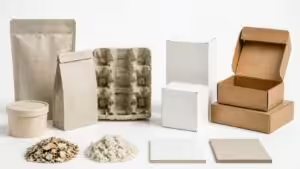
Choosing the right materials is the most important step. There are many kinds of environmentally friendly materials, especially those used in packaging, display packaging, transportation packaging, etc., which can be used in your packaging.
Here’s a look at some popular options available for your business.
Plant-Based & Innovative Solutions
These materials often come from renewable resources and offer unique benefits.
- Cornstarch & Mushroom Packaging
Cornstarch mushroom packaging materials are eco-friendly mushroom packaging materials. It is made from agricultural waste and mushroom roots.The mushroom packaging is done by cleaning and grounding the agriculture waste, then fusing it with the mushroom roots before drying them for packaging. Mushroom packaging can naturally degrade, is petroleum-free, and is eco-friendly.
It’s an excellent, compostable material for protecting fragile items inside a shipping box. In addition, mushroom packaging can be composted at home and purchased to help lower shipping costs.
- Seaweed Packaging
Seaweed packaging uses a green solution manufacturing process; substances of algae and seaweed. As a packaging solution, seaweed is eco-friendly and also one of the most sustainable packaging materials. It is readily available and biodegradable. Besides, seaweed packaging materials are sustainable alternatives that might completely replace plastic packaging materials.
- Edible Films
Edible films provide more sustainable packaging solutions to the food industry. Imagine a pie wrapped in edible skin. Yes, technology is making it happen. Edible films are sustainable materials that simplify food preparation, packaging, and transportation. Chitosan is an effective product for making edible films and uses eco-friendly materials. Furthermore, it reduces chemical leach from plastic bags.
- Compostable Packaging
Compostable packaging is an efficient eco-friendly packaging that saves the environment and enhances rich soil. It improves with technological advancements and aims at ultimately creating sustainable packaging options. Compostable packaging is an excellent choice for consumers and business owners.
- Organic Textiles (Hemp, Linen, etc.)
Organic, ecological textiles are eco-friendly packaging materials that are multi-functional and durable for shipping boxes. Organic, eco-friendly packaging materials take minimal time to decompose, and businesses enjoy their easy availability. It is an excellent, sustainable alternative method that promotes small business owners through affordability.
These materials include hemp, which facilitates the bundling of items together during shipping, and linen, which protects products against scratches in the shipping box. In addition, the organic fabrics act as cushioning materials to protect customers’ items against any damage in shipping boxes.
Recycled & Reusable Mainstays
These are some of the most common and accessible eco-friendly packaging options.
- Recycled Cardboard & Paper Products
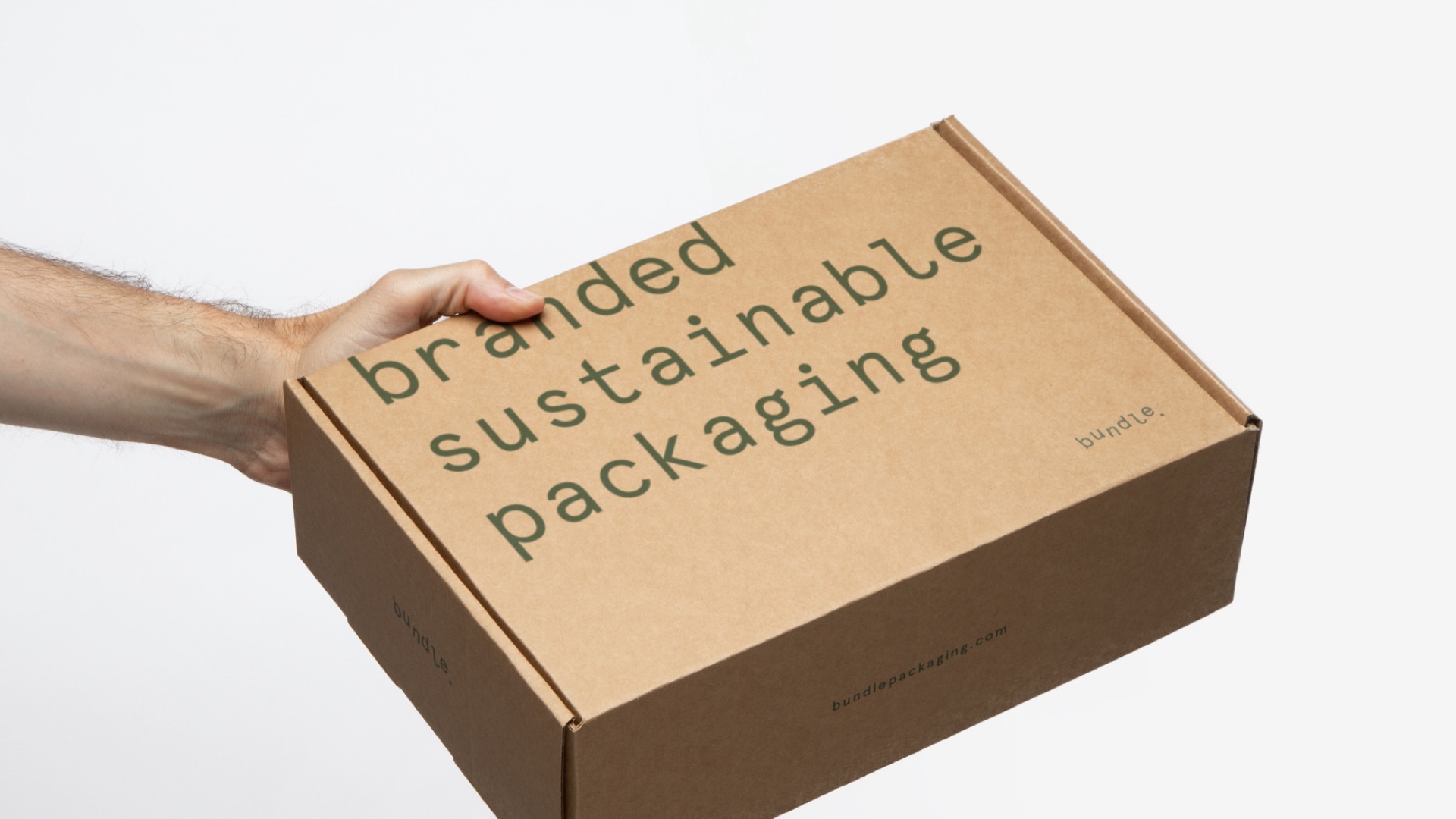
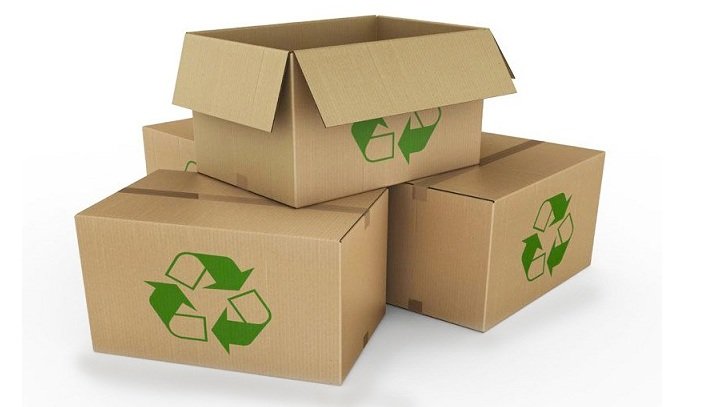
Cardboard boxes are a staple for e-commerce for a reason. They are affordable, strong, and widely recyclable. Using boxes made from recycled content further reduces their environmental footprint.
- Biodegradable Air Peanuts & Air Pillows
As a replacement for Styrofoam, biodegradable air peanuts provide excellent cushioning to prevent breakage. Air pillows, often made from recycled materials, are another cost-effective way to fill empty space in a box and protect goods.
- Reusable Containers & Mailers
For businesses with a return logistics system, reusable packaging like durable plastic containers or fabric mailers can be a great investment. They eliminate single-use waste and can lower long-term costs.
How to Choose the Right Eco-Friendly Packaging for Your Business
With so many options, how do you decide? Follow this simple, three-step process.
Step 1: Analyze Your Product’s Needs (Weight, Fragility, Protection)
First, look at your product. Is it heavy or light? Fragile or durable? Does it need protection from moisture? A glass jar of cosmetics has very different needs than a t-shirt. This analysis will help you narrow down the necessary strength and type of materials.
Step 2: Consider Your Budget and Shipping Process
Next, be realistic about your budget. While some innovative materials are more expensive, options like recycled cardboard are very cost-effective. Also, consider your shipping. Lighter materials can save money on long-distance shipping, making them a smart choice for national or international e-commerce businesses.
Step 3: Align Packaging with Your Brand’s Story
Your packaging is part of your brand identity. A luxury brand might choose custom-molded mushroom packaging to communicate quality and innovation. A small, crafty business might opt for simple recycled paper and twine. Make sure your eco-friendly packaging choice fits the story you want to tell your customers.
Smart Tips for a Cost-Effective Transition to Green Packaging
You don’t have to change everything overnight. Here are a few tips for making a smooth and affordable switch.
Master “Right-Sizing” to Stop Shipping Air
The hidden cost in packaging is waste—wasted space, wasted filler, and wasted shipping fees. Instead of forcing your product into a standard-sized box, a custom-fit design is your most powerful cost-saving weapon. By engineering packaging that fits your product perfectly, you immediately reduce material usage, eliminate the need for excessive void fill (like plastic air pillows), and lower your dimensional weight shipping costs. This is the foundation of a truly efficient packaging strategy.
Create a “Material Mix” for Brand Impact and Budget
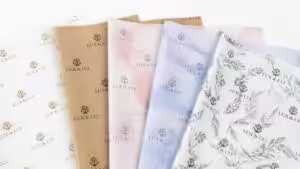
Not every part of your packaging needs to be made from the most premium material. The secret is to create a strategic mix. Use a cost-effective, right-sized recycled box for the outer structure, but invest in a “hero” element for the unboxing moment—like custom-printed tissue paper or a compostable mailer for the product itself. This approach delivers a high-end brand experience where it matters most, while keeping overall costs under control.
Market Your Sustainable Efforts to Build Customer Loyalty
Don’t be shy about your green initiatives. Add a small note on your packaging, like “This box is made from 100% recycled materials.” Share your journey on social media or your website. Customers who share your values will appreciate it and feel more connected to your brand.
Leverage Packaging Design to Reduce Product Damage
Returns due to shipping damage can silently destroy your profit margins. Smart eco-friendly packaging isn’t just about the material; it’s about the structural design. Investing in a custom-engineered insert made from molded paper pulp or corrugated cardboard can secure your product far more effectively than generic bubble wrap. This not only provides a superior, plastic-free customer experience but also directly cuts your costs associated with returns, replacements, and negative reviews.
Implement a Phased Approach to Manage Initial Investment
If a full switch seems too expensive, start small. Begin by replacing just one packaging component, like swapping plastic tape for paper tape or plastic mailers for compostable ones. As your business grows, you can continue to introduce more eco-friendly packaging elements.
Frequently Asked Questions About Eco- Friendly Packaging
Q1:Is eco-friendly packaging always more expensive?
Not necessarily. While some innovative materials may have a higher upfront cost, a smart packaging strategy often leads to savings elsewhere. Techniques like “right-sizing” reduce material usage and lower shipping fees, while better-designed packaging can decrease product damage and costly returns. The total cost of ownership is often competitive with traditional options.
Q2:How do I communicate the ‘eco’ part of my packaging to customers?
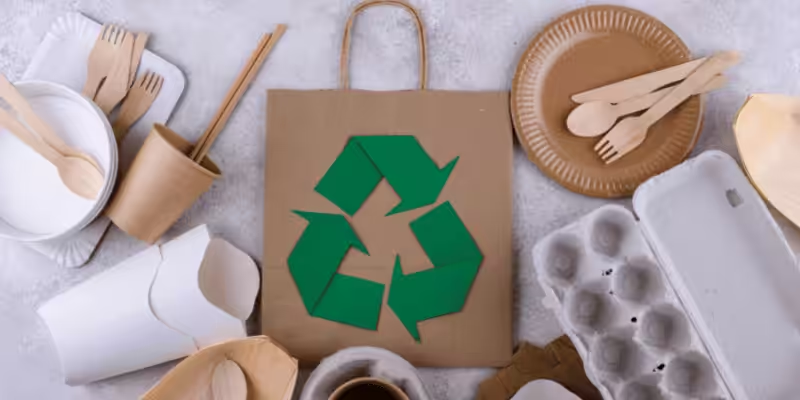
Clarity is key. Use simple, universally recognized icons (like the recycling symbol) and short, direct text on the packaging itself, such as “I’m 100% Recyclable” or “Compost Me at Home.” This educates your customer on proper disposal and reinforces your brand’s commitment to sustainability at the crucial unboxing moment.
Q3:What’s the difference between ‘home compostable’ and ‘industrially compostable’?
“Home compostable” means the material can break down in a typical backyard compost bin under ambient conditions. “Industrially compostable” packaging requires the high heat and specific microbial conditions of a commercial composting facility to break down, which isn’t accessible to all customers. For the broadest impact, home compostable is often the more practical choice.
Q4:Can I get eco-friendly packaging in small quantities for my startup?
Finding low-MOQ (Minimum Order Quantity) options from large, off-the-shelf suppliers can be challenging, as they are geared for high volume. This is where a custom packaging partner shines, as they can work with you to develop a scalable solution that fits your initial budget and order size. A custom approach ensures you get the right materials and design from day one, without over-ordering.
Conclusion
Getting eco-friendly packaging solutions is a continuous process, and businesses must recognize the ever-growing opportunities. Businesses need to take part in being green and help save the planet. Going green reduces chemical emissions and waste of resources, lowers deforestation, creates sustainable practices for businesses, and offers custom packaging to businesses.
Besides, it saves human and animal health from carbon print dangers such as respiratory diseases. Eco-friendly packaging materials are available online for sale.
Get Expert Advice on Eco- Friendly Packaging with Packoi
At Packoi Printing, we focus on companies conducting sustainable business. With our recyclable packaging, you will always have a competitive edge in the market. We have the best eco-friendly packaging solution in the world. We create custom boxes from biodegradable plastic and other materials. We also print marketing materials using environmentally friendly papers. Talk to us now and order your custom packaging.