In today’s competitive market, the right packaging shapes how customers perceive your product. Among many available options, rolled packaging stands out for its versatility, cost-effectiveness, and compatibility with automated machines.
In this blog, we’ll explore rolled packaging, how it works, and why it could be an excellent choice for your business. We’ll also walk through a step-by-step guide to help you choose the right rolled packaging tailored to your product needs.
Let’s dive in!
What is Rolled Packaging?
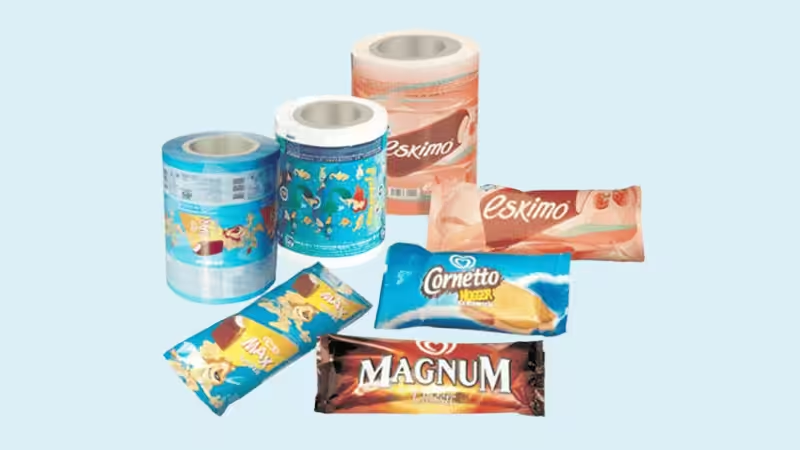
Rolled packaging is simply a type of flexible packaging that comes in the form of large rolls. These rolls are made up of a continuous sheet of flexible materials like plastic, film, paper, or foil, all wrapped around a cylindrical cardboard center piece called a core.
One of the biggest differences between rolled packaging and rigid packaging (like carton board, cardboard boxes, or hard plastic containers) is flexibility. Rigid packaging holds its shape and does not bend easily, while rolled packaging is bendable and easy to work with.
Rolled packaging is commonly used for products like snack packs, candy bars, coffee bars, and medical products. It’s especially popular among small businesses and online brands because it’s cost-effective, space-saving, and highly customizable.
How Flexible Packaging Rolls Work?
Flexible packaging rolls, also known as roll stock, are widely used for efficient, high-speed packaging across various industries. These rolls are specifically optimized to be used with automated Form Fill Seal (FFS) machines that handle everything from shaping to sealing.
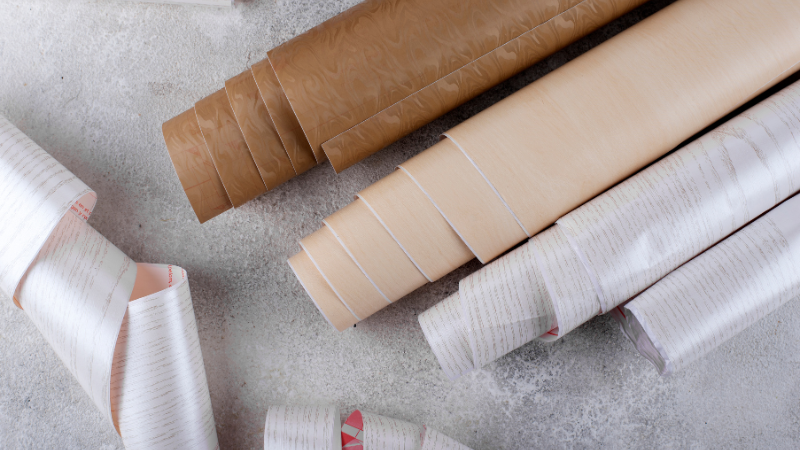
FFS machines can have a vertical or horizontal construction. Vertical FFS machines are ideal for snacks, grains, powders, and liquids. Horizontal machines, on the other hand, are better for solid or pre-shaped products like candy bars, medical supplies, and fragile items.
Here’s a simple step-by-step breakdown of how flexible roll stock is used:
Step 1. Loading the Roll
The process begins with mounting the roll of packaging roll of packaging film onto a spindle. This allows the film to unroll smoothly and feed into the machine, minimizing handling issues.
Step 2. Forming the Shape
The machine pulls the roll and folds the film into the desired packaging shape, typically bags, pouches, or wraps, depending on the product and film type.
Step 3. Filling the Product
Once the package is formed, the machine fills it with the actual product, such as snacks, powders, capsules, etc. Timers or sensors are often used to ensure the packaging is accurately filled and prevent issues like overflows or spills.
Step 4. Sealing the Package
After filling, the machine seals the package by applying pressure or heat, depending on the film’s composition. Certain films have heat-resistant properties, making them suitable for products requiring thermal sealing.
Step 5. Printing and Labeling (Optional)
The flexible packaging rolls can be printed with branding details like logos and taglines. We can also add ingredients, barcodes, or legal info. This can be done before loading the roll or inline during the packaging process to meet other specifications.
5 Most Commonly Used Types of Rolled Packaging
Rolled packaging can be made from different materials, each offering its strengths, levels of protection, and visual appeal. In this section, we’ll explore the five most common types of roll-stock packaging materials available in the market:
1. Plastic Rolls
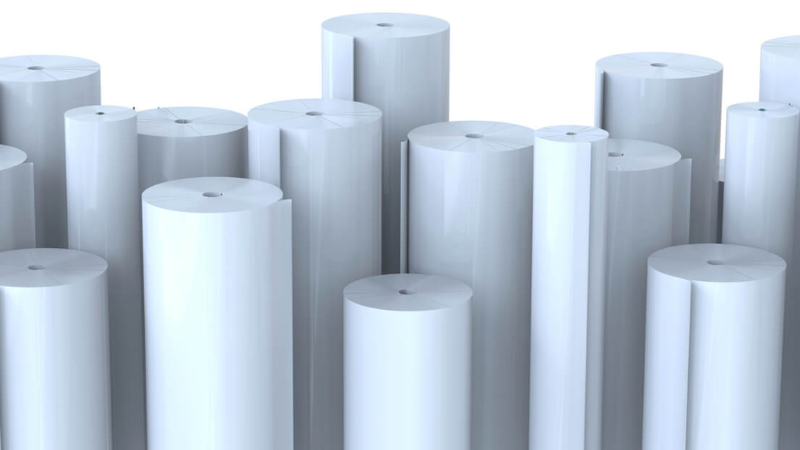
Plastic is one of the most commonly used materials in rolled packaging, and for good reason. Plastic rolls are lightweight, affordable, and adaptable across industries. Typically made from high-density polyethylene (PE), polypropylene (PP), or polyethylene terephthalate (PET), they can be easily converted into produce bags, stand-up pouches, bin liners, and wraps.
Besides affordability, another major advantage of plastic rolled packaging is its barrier properties. Its moisture resistance helps keep contents dry, making it ideal for frozen goods, dry snacks, personal care products, and sensitive products.
Plastic rolls are also easy to print on, which significantly benefits branding, labeling, and compliance in retail markets. Small businesses and high-volume brands often favor them for their versatility and cost-effectiveness. However, they may not be suitable for brands focused on sustainable packaging.
2. Film Rolls
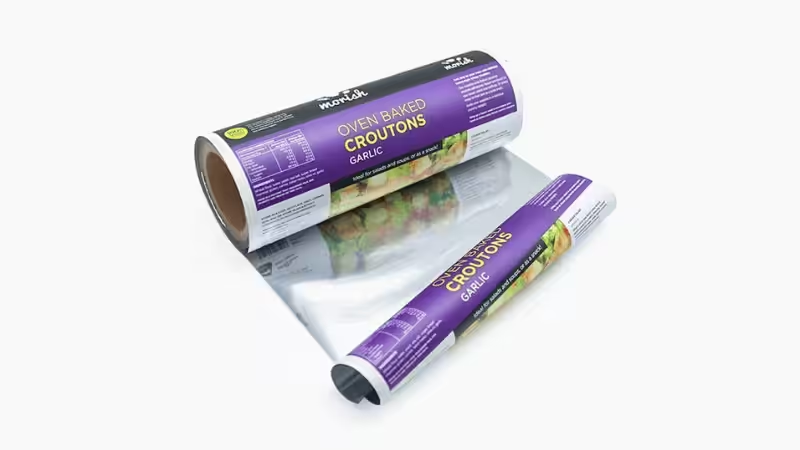
Film rolls are widely used in high-speed packaging applications. These can be made from single or multiple film layers, depending on the required level of barrier protection. Common materials include PE, PP, biaxially oriented polypropylene (BOPP), and PET.
The flexible film rolls are considered one of the best solutions for packaging perishables and snack due to their ability to maintain freshness and provide a clean, glossy finish. They are commonly used for frozen meals, dry fruits, and candy wrappers.
A major advantage of packaging film rolls is their compatibility with various sealing methods and high-speed packaging machines, ensuring efficiency and product integrity. These can also be customized with high-resolution printing and eye-catching designs, making them a go-to choice for the food and pharmaceutical industries.
3. Paper Rolls
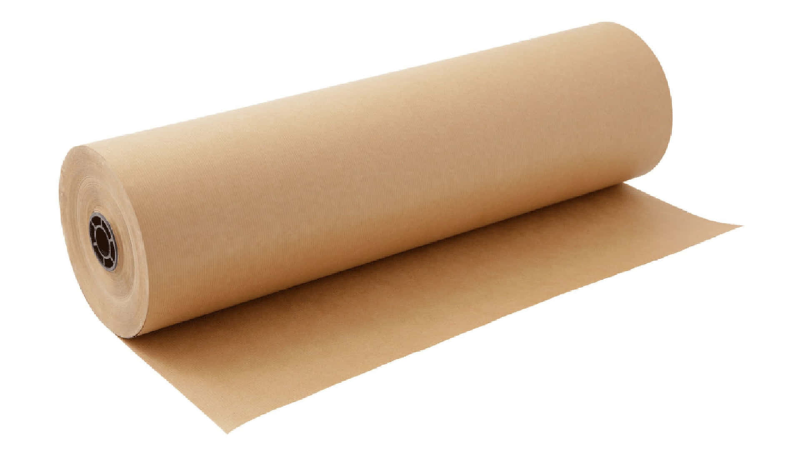
As businesses shift toward sustainable alternatives, paper-based roll packaging is gaining popularity. These rolls, typically made from kraft paper or coated papers, offer a functional and eco-friendly alternative to plastic.
Although paper rolls don’t offer strong natural barrier properties, they can be wax-coated or lined with bio-based films to make them resistant to water and grease. This makes them ideal for wrapping baked goods, sandwiches, pet food, and dry groceries. They’re also frequently used in secondary packaging, such as wraps or inner liners
Some of the main benefits of paper roll packaging include being sustainable and recyclable when uncoated, having a natural aesthetic appeal, and the availability of multiple custom printing options. There are various types available based on weight, thickness, and coating, each serving specific product needs.
4. Aluminium and Metallized Film Rolls

Foil and metallized rolls are the gold standard for high-barrier protection. Aluminum foil is made from solid sheets of aluminum. Metallized films, on the other hand, are plastic films (like PET) coated with a layer of aluminum to create a metallic finish, and they offer better flexibility than real aluminum foil.
Both types of packaging protect against light, oxygen, and moisture, so the product can have a long shelf life. Such foils are popular in pharmaceuticals, coffee and tea packaging, and high-fat foods like chocolates and cheese.
Apart from excellent barrier properties, another major advantage of aluminum and metallized film rolls is that they appear premium and improve product visibility and consumer perception because of their reflective finishes. The only downside of these rolls is that they are harder to recycle unless paired with some specialized systems.
5. Laminated or Multi-Layer Rolls
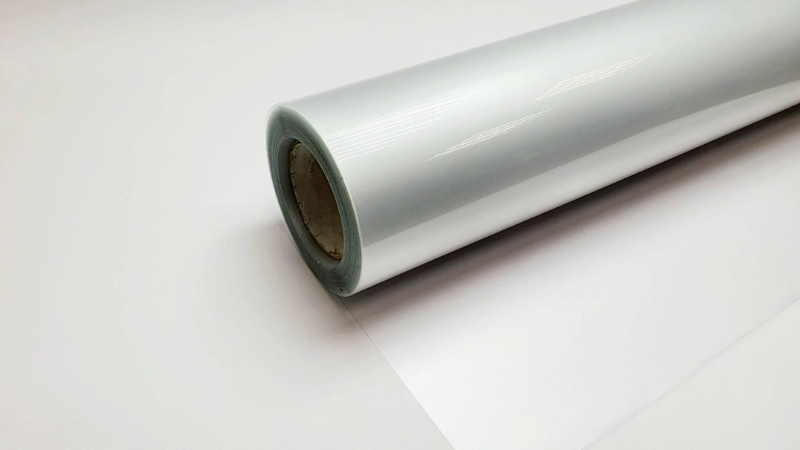
Rounding up the list, we’ve got laminated or multi-layer rolls. These rolls are made by combining two or more materials into a single structure to get the best features of each layer. Common structures in multi-layer rolls include:
- PET and PE
- Paper and PE
- PET, Aluminium, and PE
PET offers printability and toughness, while PE provides the benefits of heat-sealing and moisture resistance. Paper is used for aesthetics, and aluminum provides excellent barrier properties.
These rolls are perfect for packaging fragile items or products requiring puncture resistance, such as sauces, oils, medical kits, or pet food. The durability of laminated structures makes them ideal for handling heavier loads while maintaining seal integrity.
Stepwise Guide On Choosing the Perfect Roll Packaging for Your Business
Choosing the right roll packaging means aligning your packaging solution with your product needs, business goals, and operational capabilities. This step-by-step guide will walk you through selecting the best roll packaging and sourcing it from a reliable supplier.
1. Evaluate Your Product Type and Storage Needs
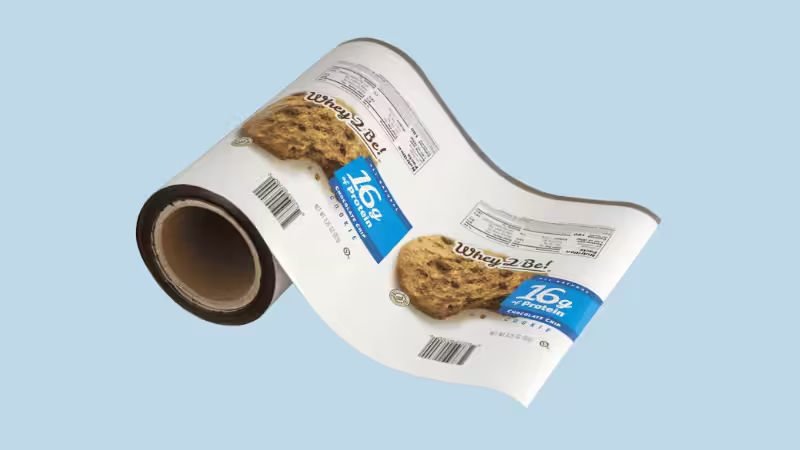
Start by understanding your product type and how it will be stored. Different products require different levels of protection and flexibility. For example, frozen goods packaging needs to be moisture resistant, while dry snacks require packaging that preserves freshness.
2. Determine Shelf Life and Barrier Requirements
Product shelf life is critical. Exposure to oxygen, moisture, or light can degrade your product and impact quality. Choose materials with the right barrier properties to extend shelf life and reduce waste.
3. Verify Compatibility with Your Packaging Equipment
As mentioned, a key benefit of roll stock is its performance in automated systems. To capitalize on this, you must verify compatibility. Before placing a bulk order, test a sample roll on your specific packaging line.
Confirm that the material feeds, seals, and cuts correctly on your FFS (Form-Fill-Seal) machine without causing jams or downtime. This simple test prevents costly production delays and material waste.
4. Balance Your Budget with Sustainability Goals
While roll stock offers inherent cost advantages, your material choice must reflect your brand’s core values. If sustainability is a priority, you must navigate the trade-off between budget and your principles. For instance, plastic rolls are often the most affordable solution, but they may not align with your green commitments.ity goals.

Paper, compostable films, and recyclable laminates offer eco-friendly packaging but can be more expensive. Make the right choice considering your budget and brand values.
5. Research and Select a Reliable Supplier
Find a supplier with quality certifications, strong reviews, and a positive customer satisfaction rate. Request client references and inquire about their after-sales support. Look for wholesale suppliers that offer high-quality materials and customization options.
6. Ask Smart Questions Before Ordering
Before placing your first order, clarify important details like:
- What is the lead time?
- What is the minimum order quantity?
- Are the materials FDA (Food and Drug Administration) or EU compliant?
- Does the supplier offer custom printing and sizing?
- Can I get samples?
7. Finalize Customization
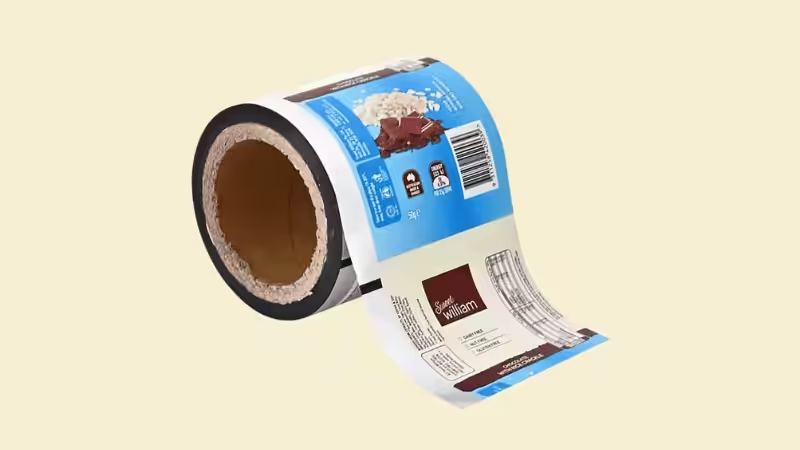
Once you’ve selected a supplier and material, it’s time to customize the packaging to match your brand and product needs. Provide all the important details, including roll width, core diameter, thickness, sealing specifications, and artwork specifications.
For custom printing, you need to confirm details such as color accuracy, finish, and positioning of logos, ingredients, and barcodes. Double-check all details to ensure a durable and efficient packaging system
Key Benefits of Using Rolled Packaging
Rolled packaging has become the go-to solution for brands seeking efficiency, scalability, and flexibility. Here are the core advantages that make it a smart choice for modern businesses:
Comprehensive Efficiency and Cost Advantages
Roll stock delivers significant operational and financial advantages across the board, especially for businesses looking to scale. Here’s a breakdown of the benefits:
- Lower Cost Per Unit at Scale: The efficiency of roll stock shines as production volume grows. This scalability leads to a substantial drop in the cost per package, directly boosting your overall margins.
- Reduced Storage and Shipping Costs: Its compact and lightweight nature means it occupies far less warehouse space and is more cost-effective to transport, immediately lowering your logistical expenses.
- Minimal Material Waste: By using only the exact amount of material required per unit, roll stock improves your product-to-packaging ratio and significantly cuts down on waste. This supports your brand’s sustainability goals by reducing its environmental footprint.
Customization Options
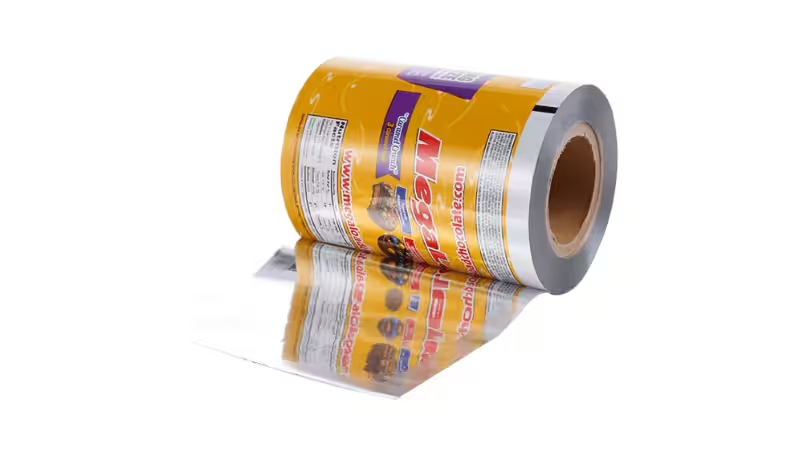
From structure and thickness to finishes and print design, rolled packaging offers excellent customization. You can add features like resealable zippers, matte or gloss coatings, and barrier layers to best protect and showcase your product.
Works with Automated Packaging Equipment
Roll stock packaging is made for automation. It runs smoothly on FFS machines and other automated systems, which is ideal for high-speed production environments. This also minimizes human intervention, reduces packaging costs in the long run, and supports consistent product sealing.
Applications of Rolled Packaging across Industries

Rolled packaging is a flexible packaging solution that has found its way into a wide range of industries, including food and beverage, e-commerce, healthcare, and beauty. Let’s take a quick peek at some of the important sectors where rolled packaging is used:
Food and Beverage
Food and beverage is the industry where rolled packaging truly excels. From chips and frozen vegetables to sauces and dry snacks, rolled packaging keeps products safe and fresh. Also, since food packaging usually needs to move quickly on high-speed machines, roll stock’s compatibility with automated systems makes it a valuable choice.
Retail and E-commerce
For retail and e-commerce brands, roll stock packaging offers a practical way of bundling, sealing, and protecting products. It creates custom pouches for apparel, cosmetics, accessories, and even small electronics.
Healthcare
Rolled packaging is often chosen for medicine sachets, diagnostic kits, and surgical gloves, as it can be customized for safety and compliance. Another reason for its popularity in the healthcare industry is its reliable seal integrity and compatibility with batch tracking and labeling needs.
Beauty and Personal Care
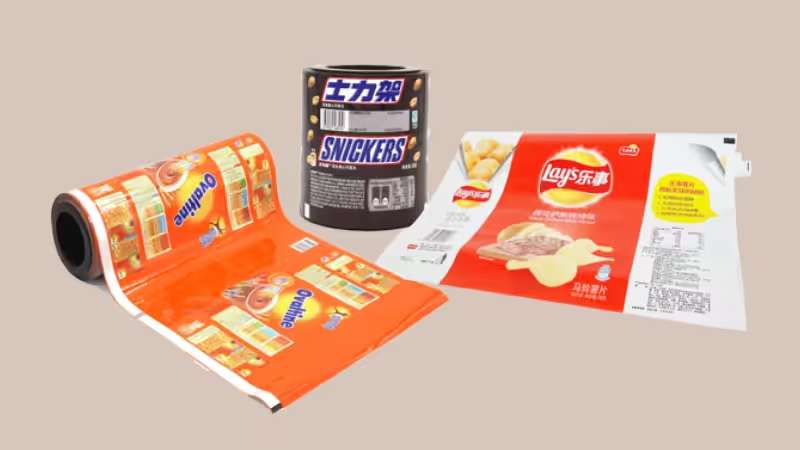
Rolled packaging is also widely used for beauty and personal care products. It is ideal for packing face masks, serums, and travel-size shampoo kits. It allows easy portioning, protection, and attractive presentation.
Pet Food and Supplies
From small treat pouches to larger pet food bags, rolled packaging plays a big role in the pet care industry. Brands can offer resealable closures, transparent windows, or easy-open features for pet owners.
FAQs
Q1: What’s the difference between rolled packaging and pre-made pouches?
Rolled packaging (roll stock) is for high-speed automated machines, giving you the lowest cost per unit. Pre-made pouches are ready-to-fill bags, ideal for smaller batches and offer more shape flexibility without needing expensive equipment. Your choice depends on production volume and initial budget.
Q2: Is rolled packaging a good way to save money for a small business?
Absolutely. While there is an upfront investment in machinery, using rolled packaging allows you to save significant money on each package as your business grows. The high speed and efficiency of automated packing dramatically reduce your labor costs and cost-per-package, making it a smart long-term financial decision.
Q3: How can I make my rolled packaging more eco-friendly?
Opt for recyclable mono-materials like PE or PP, or choose films with post-consumer recycled (PCR) content. For paper-based roll stock, demand materials that are FSC certified, which guarantees they originate from responsibly managed forests. These choices strengthen your brand’s commitment to sustainability.
Q4: What artwork and information do I need for a custom printed roll?
You’ll need to provide your final artwork in a high-resolution vector format (like .AI or .PDF). You also need to specify the package dimensions, material structure, and desired finish (matte/gloss). Having this ready makes the custom printing process faster and ensures your packaging looks exactly as you envisioned.
Conclusion
In this comprehensive guide, we explored the world of rolled packaging, covering the wide variety of its common types, advantages, and applications. We also delved into how to choose the right roll stock for your product while keeping costs low and maximizing efficiency.
Now that you’ve discovered how rolled packaging can support your brand and scale your operations, you’re ready to take the next step toward your first custom roll stock packaging solution.
Get Your Dream Custom Rolled Packaging with Packoi
With over 25 years of industry experience and a global client base, Packoi is your trusted partner for premium custom packaging and printing solutions. What sets us apart? Certified quality materials, sustainable options, competitive pricing, and exceptional customer support.
At Packoi, we offer a wide range of custom boxes, bags, and marketing materials, all meticulously designed to match your brand’s unique identity. To get a free quote, contact us today!