Understanding these levels is important for any business, whether you’re shipping online orders to a customer’s home or stocking products at a local store. Each level of packaging serves a specific purpose: protecting the product, sharing your brand story, or moving your goods safely from one place to another.
This guide will explain the three main levels of packaging, show you how to pick the right plan for your business, and help you make sure your products always leave a good first impression.
What are Packing Levels?

You have likely seen some compelling product packaging designs concepts around your marketplace. However, unless you are working in the packaging line, you might not know that different levels of packaging exist, each playing a vital role in the supply chain.
Have you thought of the display stand at the grocery store, shrink wrap, the bottled beverage, or any items you purchase from a seller, including the goods ordered online? Well, those are the kind of packaging referred to here, and each serves its unique purpose as the product is shipped from manufacturer to distributor to consumer.
Packing levels define the distinct hierarchy of packing materials used in handling and transporting a product. For instance, the oil bottle, a box with oil bottle(s) inside, and more. They are an essential part of the shipping process.

They refer to how items are organized and packed to ensure they arrive safely and securely. Levels of packaging are used to protect items from damage, theft, and other potential hazards.
In the packaging industry, understanding the difference between primary, secondary, and tertiary packaging is crucial. Each level uses specific packaging materials to offers safe storage, shipping protection, and efficient storage solutions, which are essential for moving goods safely.
Conceivably, you are curious to know the difference between these levels and their roles in protecting your products. This article will explain the different levels of product packaging and their roles in packaging supplies. After all, you will have packaging-level ideas that you can consider in your line of business.
Let us look at the distinct levels of packaging closely so that you can easily tell the difference and importance of each in the protection and shipment of products when considering a packaging strategy.
Let us look at the distinct levels of packaging closely so that you can easily tell the difference and importance of each in the protection and shipment of products when considering a packaging strategy.
Primary Packaging: Holding the Product & Facing the Customers
Defining Primary (Consumer/Retail) Packaging
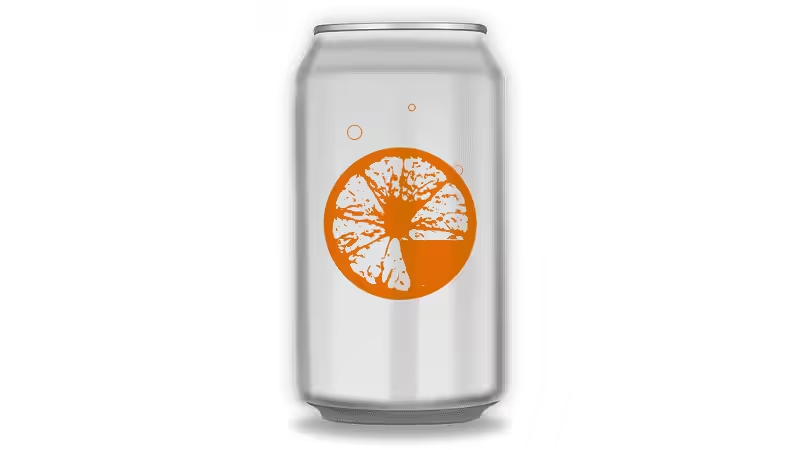
Primary packaging is the material that touches your product directly. It holds, contains, and protects the single item. You can think of it as the product’s immediate container. It is often called “consumer packaging” or “retail packaging” because it is what the end customer buys and takes home.
The Dual Role: Product Protection and Customer Attraction
Primary packaging serves two main purposes. First, it protects the product from damage, moisture, and bumps. Second, it works as a marketing tool. This is your best chance to connect with customers using impressive labels and thoughtful designs, encouraging them to buy.
Common Examples: From Soda Cans to Cereal Boxes
You see examples of primary packaging every day. Some common ones include:
- A soda can: The can holds the soda and acts as primary packaging
- A pasta box: The box that holds dry pasta
- A pill bottle: The bottle that contains medicine
- A bag of potato chips: The bag itself is the primary packaging, offering barrier properties to keep the product fresh.
- Water bottles: The bottle holding the liquid is a classic example of primary packaging.
- A cereal box: The box (and inner bag) contains the cereal and often includes essential information like ingredients and best before dates.
- A corrugated box holding one single television
Secondary Packaging: Shaping Your Brand & Unboxing Experience
Defining Secondary Packaging
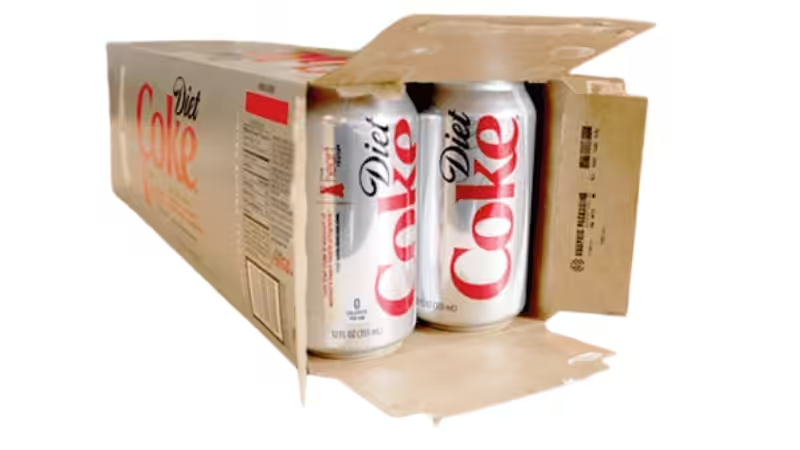
Secondary packaging is the outer layer. It groups multiple products that already have primary packaging. Examples include a box that holds several soda cans or a branded shipping box for a cosmetic product.
Key Functions: Bundling, Branding, and In-Store Display
Secondary packaging can help increase your sales. It is often the first thing customers see, and it shows your logo, brand colors, and marketing messages. When a company considers rebranding, secondary packaging is often a main focus because it shapes how customers see your brand.
Common Examples: From 12-Packs to Branded Shipper Boxes

Here are common examples of secondary packaging:
- A 12-pack soda box: Branded box that holds individual cans (primary packages)
- A corrugated box for shipping multiple camera boxes
- The branded box for a tube of toothpaste
- A subscription box with selected items
Tertiary Packaging: The Unseen Guardian for Bulk Shipping
Defining Tertiary (Transit/Shipping) Packaging
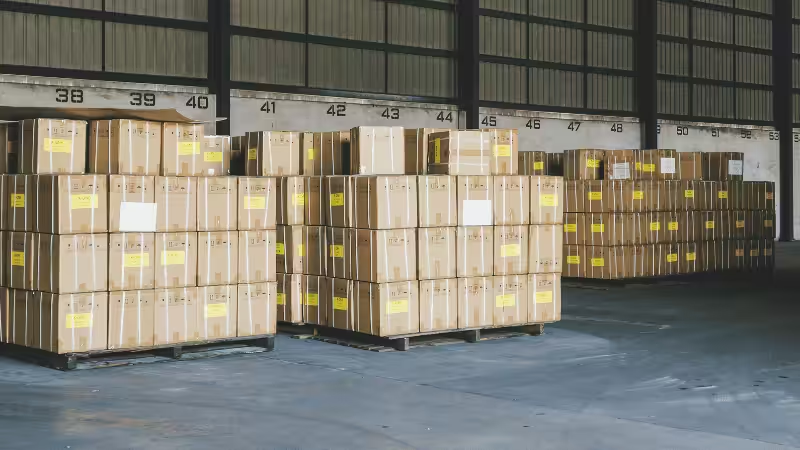
Tertiary packaging is the layer most customers never see. It is used in warehouses and for business-to-business shipping to group large numbers of secondary packages,your safely packed products need shipment to the final destination. Its main focus is logistics and protection, not branding.
The Primary Goal: Ensuring Safe Bulk Transport and Storage
The main job of this packaging is to protect and ship products in large quantities. It combines many units onto one pallet so they can be moved easily with a forklift. This level keeps your packaged products safe during shipping, handling, and storage, and also provides secure space for inventory.
Common Examples: Pallets, Shrink Wrap, and Corrugated Pads
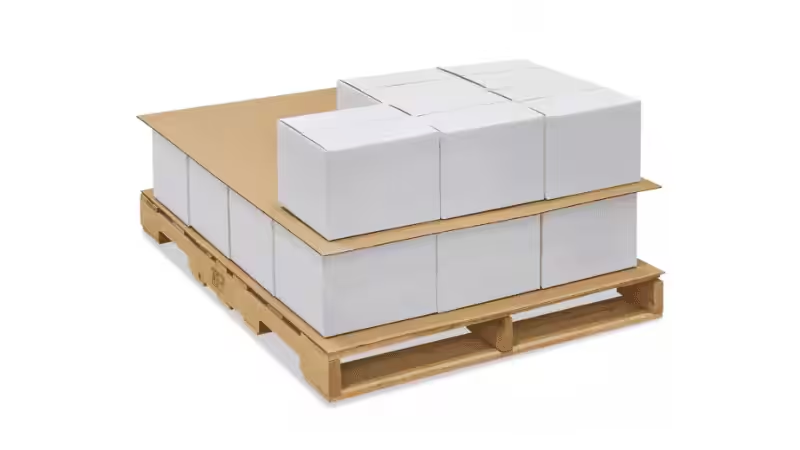
You will not find this type of packaging on store shelves. Common examples include:
- Wood pallets: Used as a base to stack and move large shipments
- Stretch wrap (or shrink wrap): A plastic film that holds boxes securely to a pallet. These are some of the most common tertiary packaging examples
- Corrugated pads: Used as cushioning between stacked boxes
- Packing peanuts: Used to fill empty space inside large shipping containers
- Large cardboard boxes for bulk shipments of Beauty supplies or pharmaceutical products
How to Choose: Building the Right Packaging Strategy for Your Product

Now that you have a clear understanding of the different levels of packaging and their importance, you can start thinking of integrating a strategy for packaging products in your business. There are important considerations to look at for a successful strategy, including:
Budget: Balancing Cost and Quality
Your budget will affect which materials you choose. Decide how much you can spend on each level of packaging while still meeting your protection and branding needs.
Materials & Sustainability: Making an Eco-Conscious Choice
The right material depends on your product. Food items and beverages have different rules than cosmetics or electronics because of safety standards. You can also use sustainable materials to match your brand’s environmental values.
Product Size & Dimensions: Ensuring a Perfect Fit
If your products come in different sizes, you can opt to get customized package designs from Packoi Printing that fit your needs. The right size protects your product better and can lower shipping costs by reducing dimensional weight.
Design & Branding: Communicating Your Brand’s Message
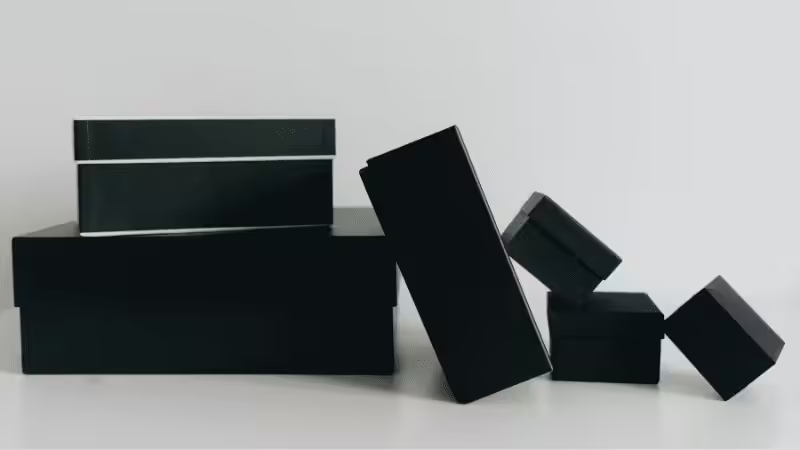
Design and branding: Your packaging level choice depends on the attributes you want your product to convey to the end users. Make your package design appealing with visuals and informative labels to attract buyers and increase sales.
Functionality & Shipment: Prioritizing Protection Above All
Even if your plan is appealing with attractive visuals, it does not protect your product. Pick materials and structures that keep your goods safe during delivery.
Frequently Asked Questions About Packaging Level
Q1:Do all products need all three levels of packaging?
No, not all products require all three levels. The necessary packaging depends on your product and how it’s sold and distributed. For example, a custom-designed shoebox (primary) is placed directly into a large shipping carton (tertiary) for B2B transport, skipping a separate secondary layer.
Q2:Can one package serve as both primary and secondary packaging?
Yes, this is very common in e-commerce and for subscription boxes. A custom-printed mailer box that holds a product directly inside acts as both the primary container and the secondary shipping package. This approach combines protection and branding into a single, efficient solution that creates a memorable unboxing experience.
Q3:Which packaging level is most important for branding?
While both are important, secondary packaging often has the biggest impact on branding and first impressions. It is usually the first physical interaction a customer has with your brand, acting as a “silent salesman” on a retail shelf or the first thing they see upon delivery. Primary packaging then reinforces this brand identity at the point of use.
Q4:How do I know what packaging materials are right for my product?
The right materials depend on your product’s specific needs, such as its weight, fragility, food safety requirements, and your brand’s sustainability goals. You must balance protection, cost, and the desired customer experience. Consulting with packaging experts is the best way to choose a material that protects your product and aligns perfectly with your brand vision.
Conclusion
Packing levels are crucial in shipping and logistics. They are essential in storing, protecting, marketing, and transporting items. There are three levels of packaging businesses can leverage in handling their products: primary, secondary, and tertiary. Each of these levels of packaging plays an equal role in the benefits of the products in question.
The choice of packing level and materials to design packages depends on the products you are dealing with. Secure storage and transportation of goods is the ultimate goal of all packing levels. It is up to you to strategize accordingly to ensure goods reach their intended destination without shipping damage.
Your Product Safety is Your Success
A proper packaging strategy protects the goods, presents compelling branding, and offers a memorable unboxing experience. All levels are equally important in the packaging strategy chosen, so ensure you get suitable materials.
Packoi Printing offers all custom package designing and printing services. You can get the customized designs your packaging strategy deserves.
For more information regarding custom designs and printing, contact or visit Packoi for reliable services.