This growing preference isn’t without reason—flexible packaging offers unique advantages that traditional rigid containers simply can’t match. From cost savings to environmental benefits, it’s reshaping how products reach consumers. Below, we discuss flexible packaging in detail.
What is Flexible Packaging
Any packaging that is made of materials that can be easily deformed or changed into a different shape is called flexible packaging. It could be made of materials like paper, foil, film, and plastic. These materials are then printed on and laminated together to form a pouch, bag, or wrapping.
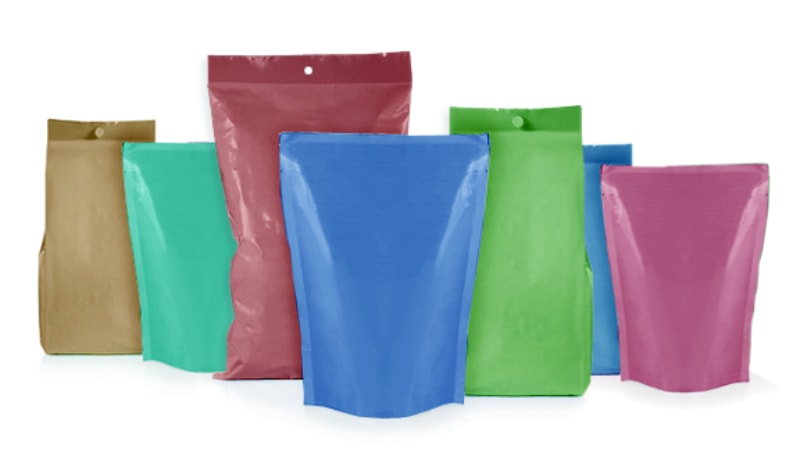
Examples of flexible packaging include stand-up pouches, flat pouches, bags with zippers, shrink wrap, and more. The main advantage of this versatile packaging is its ability to conform to the product’s shape while still providing protection and preserving freshness.
It is also lightweight, cost-effective, and offers various design options for branding and product information. Like other packaging types, flexible packaging may also be made of recyclable materials, making it an environmentally sustainable choice.
Some key characteristics of flexible packaging are as follows:
- Barrier Properties: The materials used in flexible packaging have excellent barrier properties, which means they can safeguard the contents from external factors like moisture, oxygen, contaminants, and light.
- Versatility: Since flexible packaging can be easily manipulated and customized, it provides a variety of usage options for both product manufacturers and consumers.
- Durability: Just because it’s not rigid doesn’t mean flexible packaging is not sturdy. It can withstand various transportation and handling conditions without compromising the product’s integrity or safety.
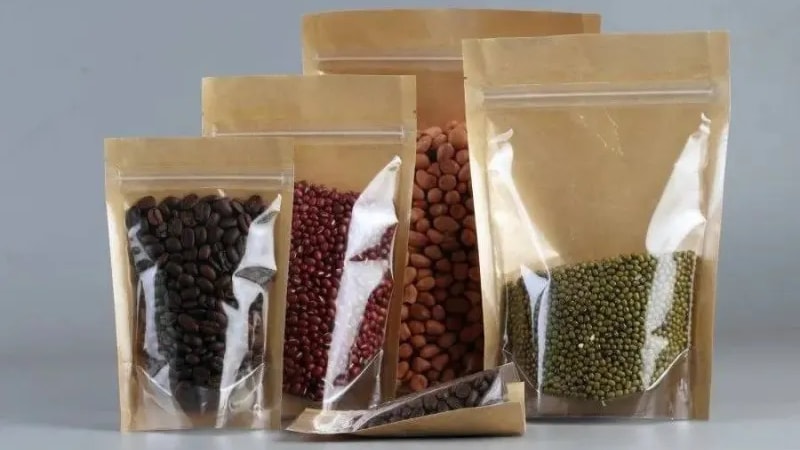
More importantly, flexible packaging also requires less material, resulting in less waste and a smaller carbon footprint. It also minimizes the use of secondary packaging, which lowers the overall packaging volume and weight.
Flexible Packaging Materials
Some common materials used in making flexible packaging are foil, plastic film, paper, and laminated combinations of these materials. Each material has its unique properties and is suitable for different types of products. Depending on the use case, the material may be used alone or combined with other materials to achieve the desired barrier and aesthetic properties.
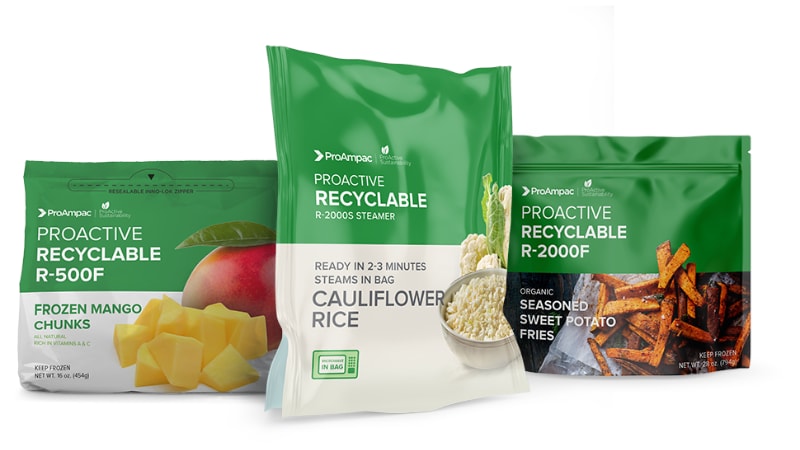
Here are the common flexible packaging materials:
- Foil
- Often used in combination with plastic film.
- Example: Pharmaceutical industries may require a combination of foil and plastic film to create airtight and light-resistant packaging for medicines.
- Plastic Film
- Commonly used for liquids or semi-liquid items like sauces and dressings.
- Frequently used as the main packaging for retail products such as cosmetics and personal care items.
- Sustainable options: Biodegradable plastic films are gaining popularity.
- Paper
- Usually a popular choice for dry food products such as chips.
- Often used for the external label or design for retail products.
- Sustainable options: Compostable materials are gaining popularity.
- Laminated Combinations
- Involves combining two or more of the above materials (e.g., foil, plastic film, paper).
- Used to achieve specific desired barrier and aesthetic properties that single materials cannot provide.
- Examples:
- Foil and plastic film for pharmaceutical packaging requiring airtight and light-resistant qualities.
- Plastic films for main packaging combined with paper for external labels or designs in retail products.
The choice of material ultimately depends on the product’s requirements and how protected you want the item to be. In recent years, sustainable options like biodegradable plastic films and compostable materials are gaining prominence in flexible packaging, with consumers willing to pay more for them.
Types of Flexible Packaging
Flexible packaging is available in many types. Here are some common types that are used in various industries:
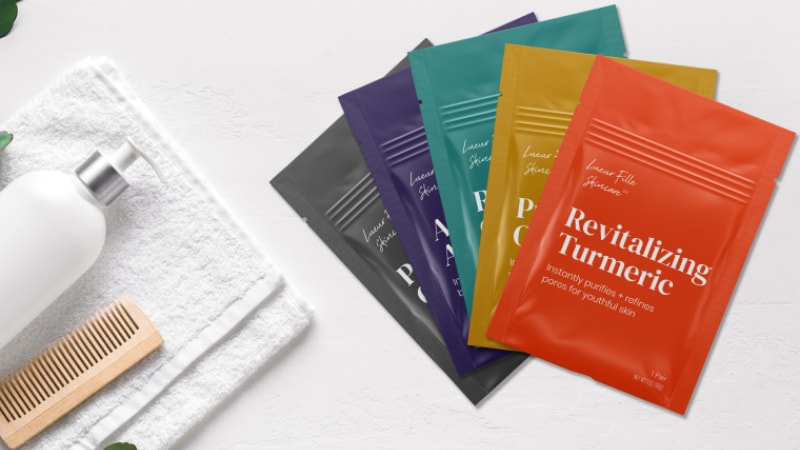
- Pouches: These are the most common type of flexible packaging and are usually made of plastic films. You would have seen them in various sizes and shapes at your local grocery store, holding products like snacks, beverages, and frozen foods.
- Bags: Custom paper bags are widely used packaging for retail products, especially in the fashion and luxury industry. They are also used as gift bags during special occasions. Plastic bags are still widely used in grocery stores, but there has been a growing shift towards more sustainable options like biodegradable bags.
- Wraps and Films: These are used for primary packaging, which is the layer that directly touches the product. They are commonly seen in food products like cheese and meats.
- Sachets: A ketchup sachet or a single-use shampoo packet are examples of this type of flexible packaging. They are convenient for consumers and also maintain appropriate portion control, reducing food waste.
- Form-Fill Seal: It is used for liquids and powders like detergents and juices. The packaging material is formed, filled with the product, and sealed in one continuous process.
- Tubes: Packaging for products like toothpaste, creams, and gels often come in a tube form. They are lightweight, easy to use, and can be manufactured with sustainable materials like biodegradable plastic.
Flexible Packaging vs. Rigid Packaging
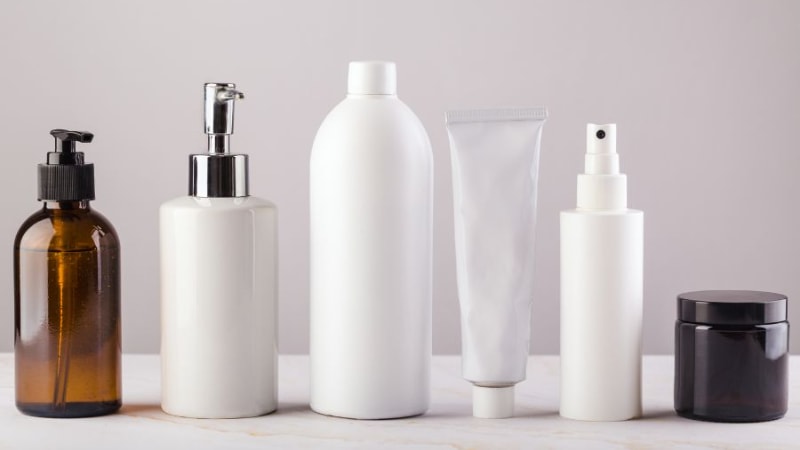
While both rigid and flexible packaging are used in retail and other applications, their distinct features make them suitable for different products. The table below compares the two in different aspects.
| Aspect | Flexible Packaging | Rigid Packaging |
|---|---|---|
| Cost | Generally more cost-effective due to lower material use | Higher production costs due to heavier materials |
| Transportation | Reduces transportation costs due to lightweight design | Increased shipping expenses due to bulkiness |
| Versatility | Highly adaptable to various product sizes and shapes | Limited flexibility in design and shape |
| Environmental Impact | More sustainable with recyclable, compostable, and lightweight options | Often less eco-friendly due to higher material use |
| Performance | Excellent barrier properties for preserving freshness and protecting products from contaminants | Extremely durable and robust, ideal for heavy or fragile products. |
| Customization | Offers a wide range of customization options (design, closures, etc.) | More suitable for standardized products |
Benefits of Flexible Packaging
When compared to rigid packaging, the benefits of flexible packaging are significant.
Cost-Effective with Less Material Waste
To start, it is quite cost-effective—primarily due to its minimal material waste. When using rigid packaging, there is often significant waste, especially for irregularly shaped products. In contrast, flexible packaging uses far less material, as it can conform to the product’s shape.
For example, a small batch of handmade candies can be packaged in thin, flexible sachets that use only the material needed, unlike rigid tins that leave empty space and waste material.
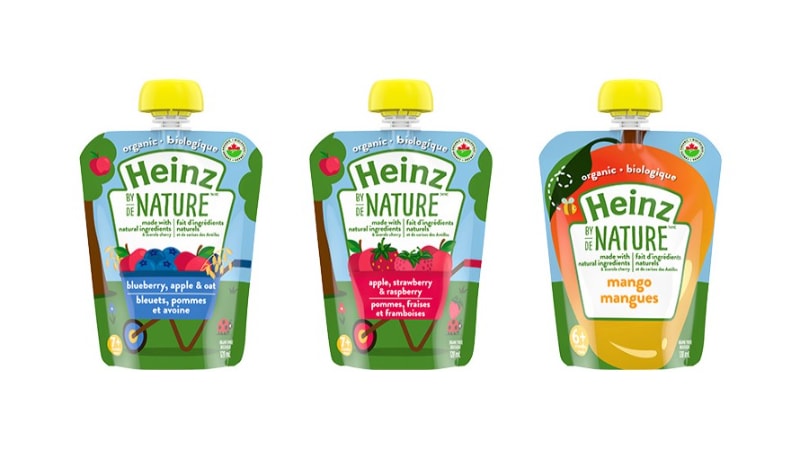
High Customization and Design Flexibility
Besides lower packaging costs, you can enjoy higher customization that boosts brand visibility. Flexible packaging supports full-panel printing and functional features like zippers and transparent windows.
A small organic skincare brand, for instance, used flexible pouches with transparent windows to showcase their natural lotions, making it easier for customers to see the product’s color and texture.
Lightweight for Reduced Transportation Costs and Emissions
Flexible packaging is lightweight, cutting transportation costs and emissions. Unlike rigid packaging like glass bottles or metal cans, flexible pouches add very little weight to shipments.
A local juice brand switched to flexible pouches, allowing them to fit more products per delivery and reduce the number of trips needed to restock retail stores.
Superior Barrier Properties
Flexible packages have superior barrier properties, especially laminated options. These barriers keep out moisture and oxygen, keeping products fresh longer.
A bakery, for example, uses flexible barrier pouches for their cookies, ensuring they stay crisp and fresh for weeks, unlike rigid containers that often let in air and make cookies go stale quickly.
Favorable Waste Management
Flexible packaging is better for waste management, as it compresses easily when discarded, taking up less space than rigid packaging. Many households appreciate this, as flexible pouches (like those used for snacks or pet food) take up minimal space in trash bins compared to bulky rigid containers that are hard to compress.
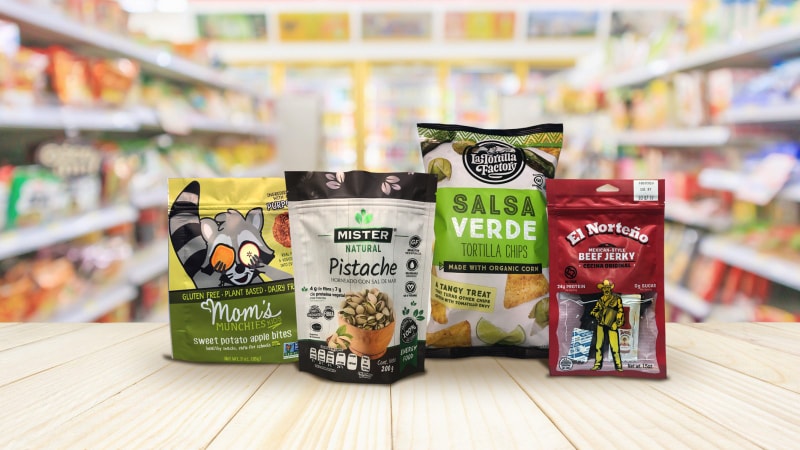
Efficient Use of Retail Shelf Space
As for retail spaces, flexible packaging uses shelf space more efficiently—critical for brand visibility. Its adaptability allows it to fit in tight spots or stand out on crowded shelves. A snack brand, for example, designed flexible pouches that can hang on hooks or stand upright, giving them more options to display their products than rigid boxes.
Applications of Flexible Packaging
While it may be a relatively new method, flexible packaging has found its way into many industries. Let’s look at its applications in different industries.
- Food and Beverage: In the food and beverage industry, flexible packaging is the go-to choice for products such as snacks, frozen foods, beverages, and more. It is chosen due to its durable easy-to-handle nature. Plus, its barrier properties also help preserve the freshness of food items.
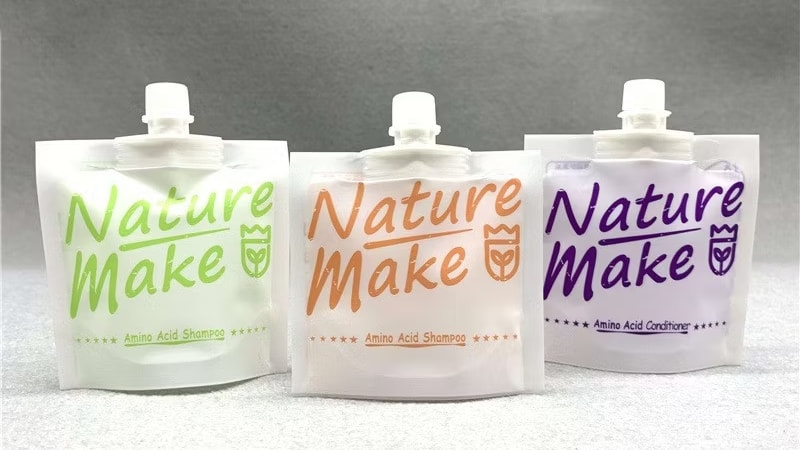
- Personal Care Products: Everything from your toothpaste to shampoo and lotion comes in flexible packaging. Besides keeping the product safe and secure, it is also easy to carry around.
- Pharmaceuticals: Pharmaceutical industries are among the largest users of flexible packaging. Its ability to keep the products safe from external contaminants makes it ideal for medicines and supplements, which have to be kept sterile.
- Retail Packaging: Clothing, toys, electronics, and almost every other product you find in retail stores are now packaged using flexible packaging. The packaging also allows for customized labeling and branding options.
- Eco-Friendly Packaging: Businesses that take pride in their eco-friendly packaging can opt for flexible packaging as it is recyclable and reduces carbon footprint.
As flexible packaging gets more popular, its applications continue to expand. Some recent developments include incorporating active and intelligent packaging technologies, such as modified atmosphere packaging and smart labels that provide information on the freshness and safety of food products.
How to Choose Flexible Packaging For Your Products?
It’s true that flexible packaging offers numerous benefits. However, you can only avail yourself of them if you’re careful about the type of packaging material and design you choose for your products.
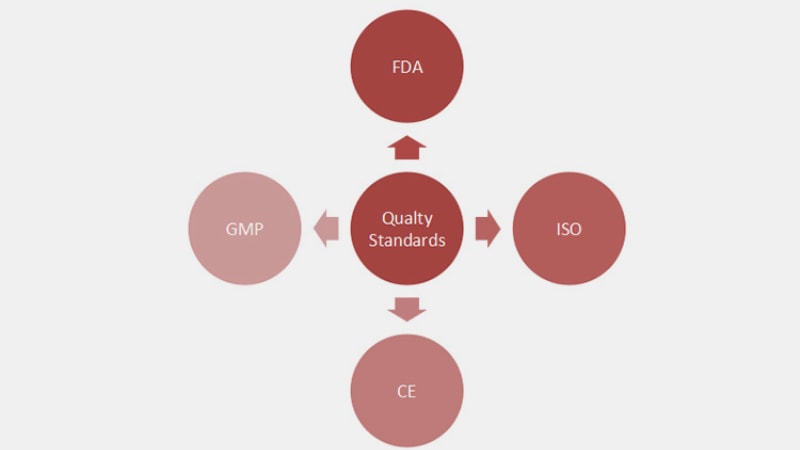
One of the main things to keep in mind is the trio of safety, compliance, and quality. Here’s what they entail:
- Safety: Depending on the industry, the packaging material should meet several safety standards. For example, in the pharmaceutical sector, the packaging should keep out external contaminants and protect the product from damage. For food products, the material should be safe for direct contact with food and prevent contamination.
- Compliance: Every industry also has its own regulations that businesses must comply with. For example, in the US, the FDA sets standards for food and drug packaging, while the EPA regulates environmental impact. Make sure your selected packaging meets the compliance standards.
- Quality: Create a set of quality control measures to make sure that every batch of packaging you use meets the same quality standards. It will help maintain consistency in your product and build trust with consumers.
Similarly, if you’re using custom product boxes, they should provide adequate protection to the product. The ink or paint used on the boxes should be safe for handling and not transferred onto the product.
The Future of Flexible Packaging
Judging from the current use of flexible packaging, it’s evident that its use will grow in the coming users. The industry is likely to see a surge of innovative and sustainable materials that cater to safety, compliance, and quality standards.
You can also expect to see new technologies in flexible packaging that improve product shelf life and reduce waste. The use of biodegradable materials will also increase as companies strive to become more environmentally friendly.
In the same vein, consumers will also become more demanding, seeking products with sustainable packaging. Businesses that adapt to these changes and prioritize a sustainable packaging solution will have a competitive advantage in the market.
As we’ve touched on earlier, smart packaging is likely to become a norm. QR codes, RFID tags, and other technologies will provide consumers with information about the product’s origin, ingredients, usage, and environmental effects.
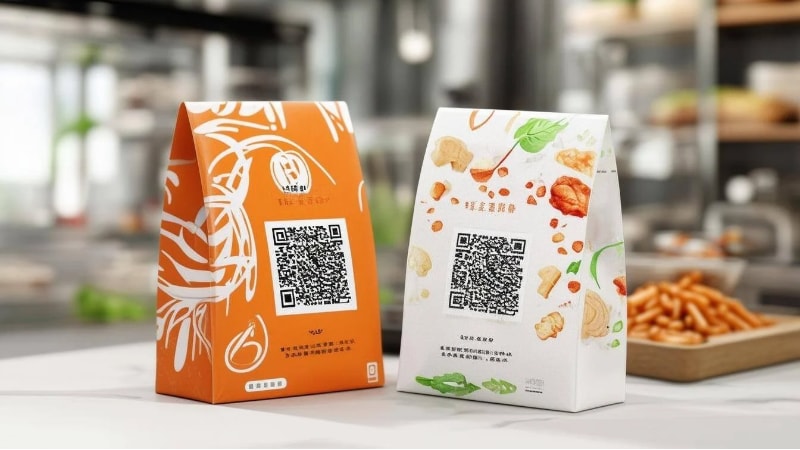
On the whole, it’s safe to say that the future of the flexible packaging market is bright and promising. Factors like the demand for sustainable packaging, technological advancements, and consumer behavior will drive the industry forward.
How Flexible Packaging Has Changed the Game
Although flexible packaging is all around us, many of us may not have noticed its presence or understood its significance. Flexible packaging has revolutionized the way we transport and consume products, and it has brought about many benefits for businesses and consumers alike.
The transformation has been most dramatic in food and beverage, personal care, and e-commerce sectors, where flexible packaging now dominates with 60-80% market adoption rates.
Its ability to adapt to changing market demands, offer convenience, and prioritize sustainability make it the packaging of choice for many industries. As the need for eco-friendly packaging options increases, flexible packaging materials will see a higher demand.
FAQ
How do I ensure my flexible packaging design works with automated filling equipment?
Flexible packaging must be engineered for your filling line’s bag opening mechanisms, fill speeds, and sealing temperatures. The package needs proper stiffness to stand during filling while remaining flexible for product expansion. Testing prototypes on your actual production line before full-scale orders prevents costly compatibility issues.
What shelf-life considerations are specific to products in flexible packaging?
Flexible packaging can extend shelf life through superior barrier properties, but requires material selection based on your product’s oxygen, moisture, or light sensitivity. The flexibility enables modified atmosphere packaging or vacuum sealing for enhanced freshness, though temperature fluctuations may affect packaging and product integrity differently than rigid containers.
How do shipping and logistics change with flexible packaging compared to traditional packaging?
Flexible packaging dramatically improves shipping efficiency, often reducing costs by 30-60% due to lightweight design and space-saving properties. However, you’ll need protective measures against punctures and must ensure packages withstand compression forces, while the reduced size may require merchandising strategy adjustments.
What regulatory requirements apply when converting to flexible packaging?
Converting to flexible packaging requires new material-specific certifications since approvals don’t transfer from rigid packaging. Food contact materials need fresh FDA migration testing, and international markets have varying requirements for recycling symbols and barrier properties. Working with an experienced flexible packaging industry ensures smooth regulatory transitions and prevents costly compliance delays.
Switch to Paper-Based Flexible Packaging
Going forward, transitioning to paper-based flexible packaging will help businesses meet the demands of eco-conscious consumers. At Packoi, we specialize in producing high-quality, sustainable, paper-based, flexible packaging solutions in bulk. Reach out to address your eco-friendly packaging needs.