Improving your brochure design can transform it into a powerful marketing tool that’ll encourage customers to buy more of your products. You can check out multiple brochure design templates available online to give you ideas about what to change.
Here are 15 actionable brochure design ideas to help you create an impressive brochure. We’ve grouped them into three clear categories: visual style, structure, and sensory details.
5 Most Common Types of Brochures (With Use Cases)
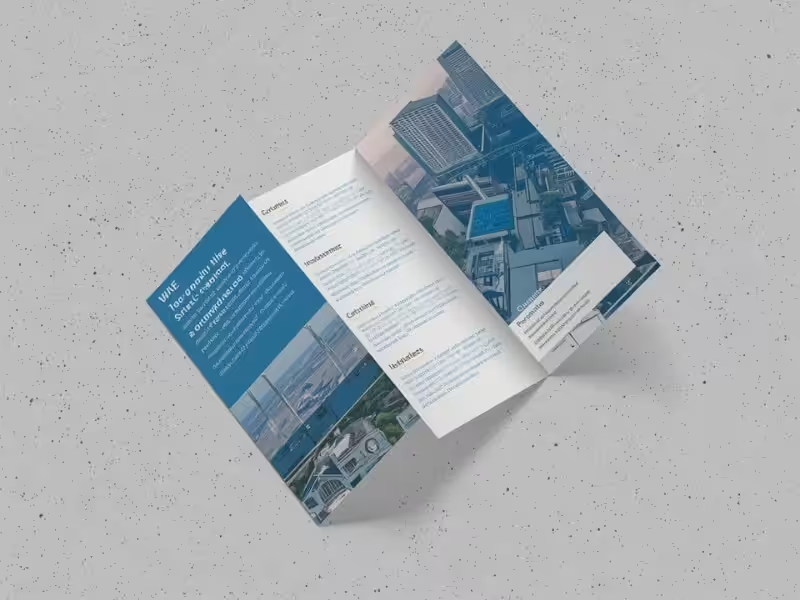
To choose the right brochure design, you first need to know which format fits your goal. Below are 5 standard brochure types used by professional marketers.
- Tri-Fold Brochure:Folds two parallel creases into three panels. Best for general product or service overviews, restaurants, and real estate.
- Bi-Fold Brochure:Folds once down the middle, creating four panels (front/back inside/outside). Ideal for menus, event programs, or company profiles.
- Z-Fold Brochure:Folds back and forth like an accordion. Works well for chronological information, step-by-step guides, or maps.
- Gate-Fold Brochure:Two panels open like double doors to reveal a large central spread. Suitable for luxury brands, hotels, or high-end real estate.
- Die-Cut Brochure:Custom-shaped with cutouts or windows. Best for creative agencies, art galleries, or product launches requiring visual intrigue.
15 Brochure Design Ideas to Improve Sales Significantly
Creating brochures isn’t rocket science. You have to remember two things. First, your brochure should be consistent with your brand. Second, you have to meet your customer’s expectations.
Just like a product catalog or a pamphlet, a brochure is meant to provide information. It targets a specific area of your brand and includes information about it. The goal is to give customers adequate details to make informed decisions about it.
Keep that in mind as you search for brochure templates.
To help you get started, here are some brochure design tips that can help boost your sales this year.
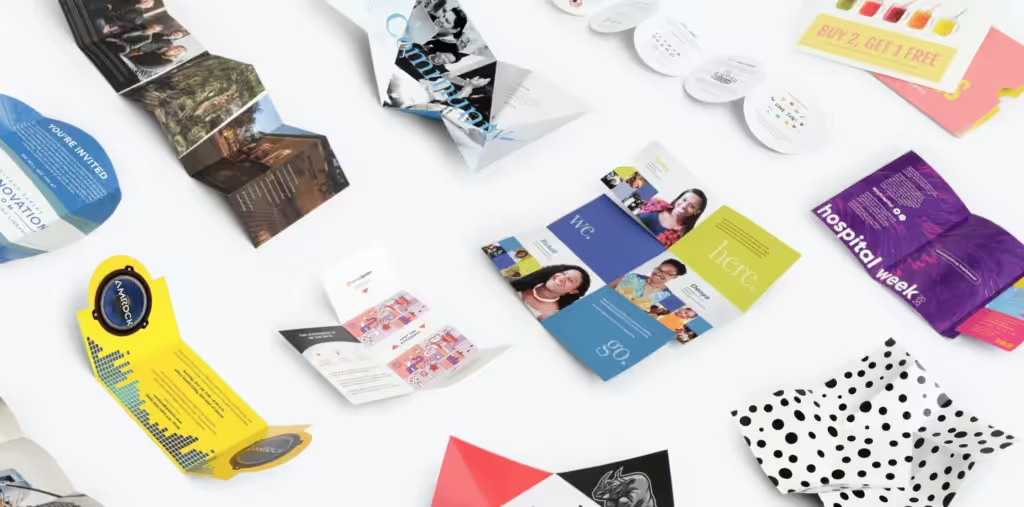
Part 1: Ideas for Visual Style & Branding
1. Embrace Minimalist Simplicity
(Best for: Tech, Luxury, Professional Services)
A clean design with simple lines and elegant fonts stands out in a pile of busy, colorful brochures. Using minimalist design makes your high-quality images the main focus and gives your brand a sophisticated, modern feel.
Design Fact: Minimalist design has been scientifically validated to improve user outcomes. According to a 2026 eye-tracking study, minimalist black-white designs were preferred by 42% of users and resulted in 68% recall accuracy, compared to more complex designs that showed significantly lower memory retention.
2. Create Impact with Geometric Shapes
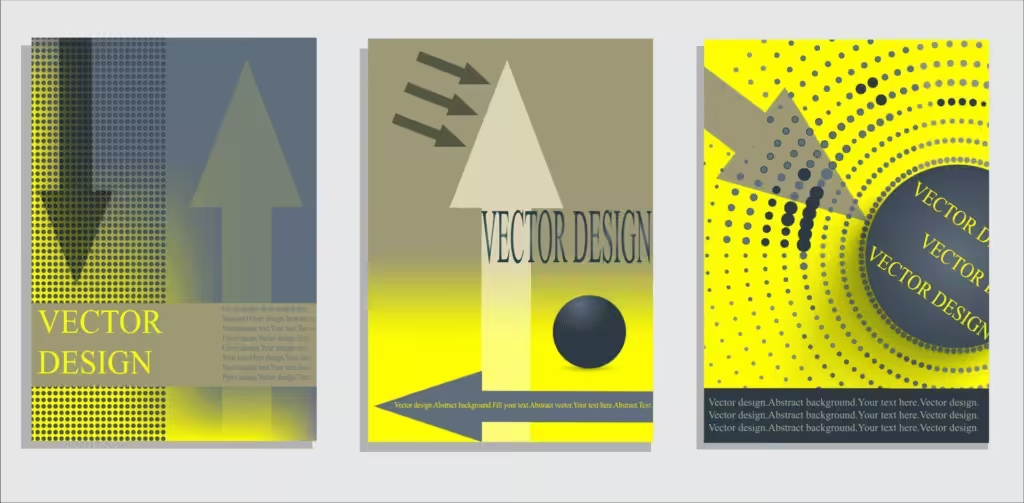
Use bold shapes to organize text and images into visually interesting blocks. For an even bigger impact, change the shape of the brochure itself. A circular, triangular, or custom-shaped brochure is immediately noticeable and memorable.
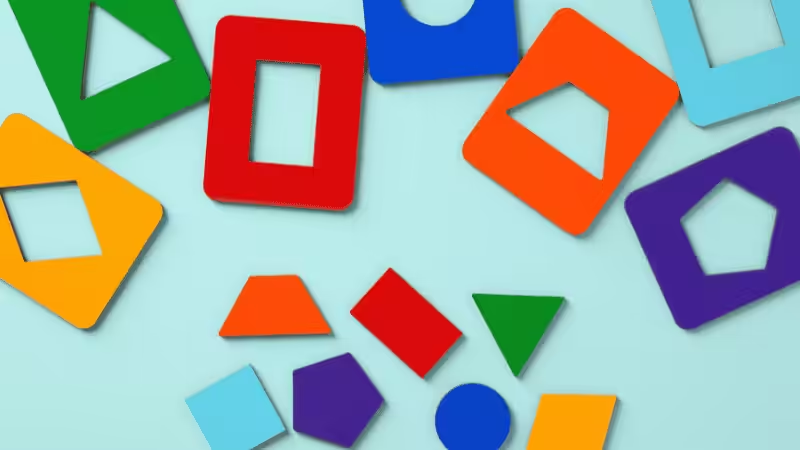
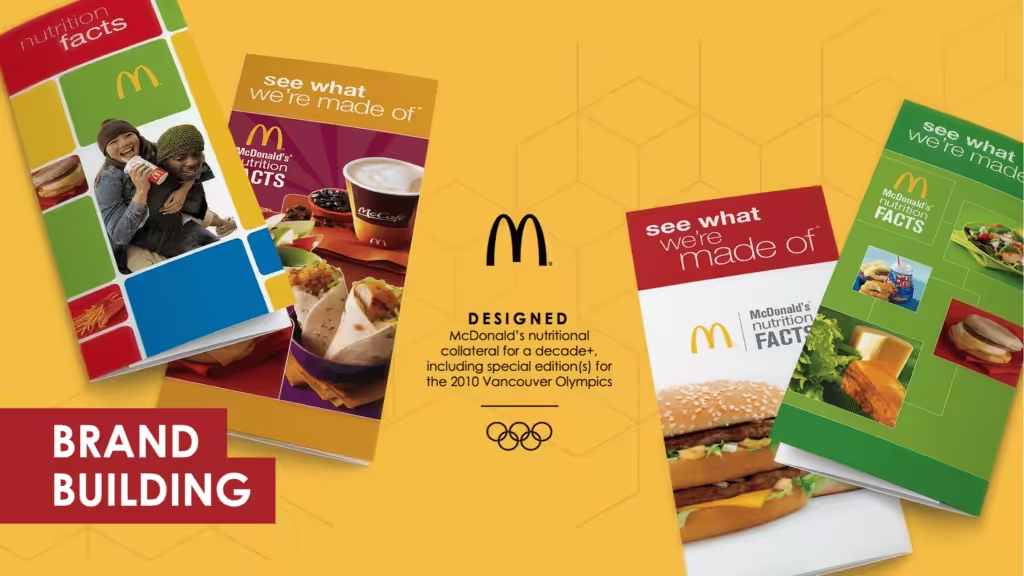
3. Be Fun and Playful with Bold Colors
Use vibrant, colorful images and artwork to make your brochure exciting. Bright colors can make your brand feel energetic and happy. Just make sure the colors you choose align with your brand and the product you’re promoting.
4. Play with Perspective and Typography
You don’t need a 3D fold to create depth. Use illustrations and text set at interesting angles to guide the reader’s eye across the page. This technique can make a standard flat brochure feel dynamic and engaging.
5. Take Calculated Design Risks
Don’t be afraid to try something different, as long as it still reflects your brand. A risky or unconventional design can get people talking. Test a mockup with a few customers to see how they react before committing to a full print run.
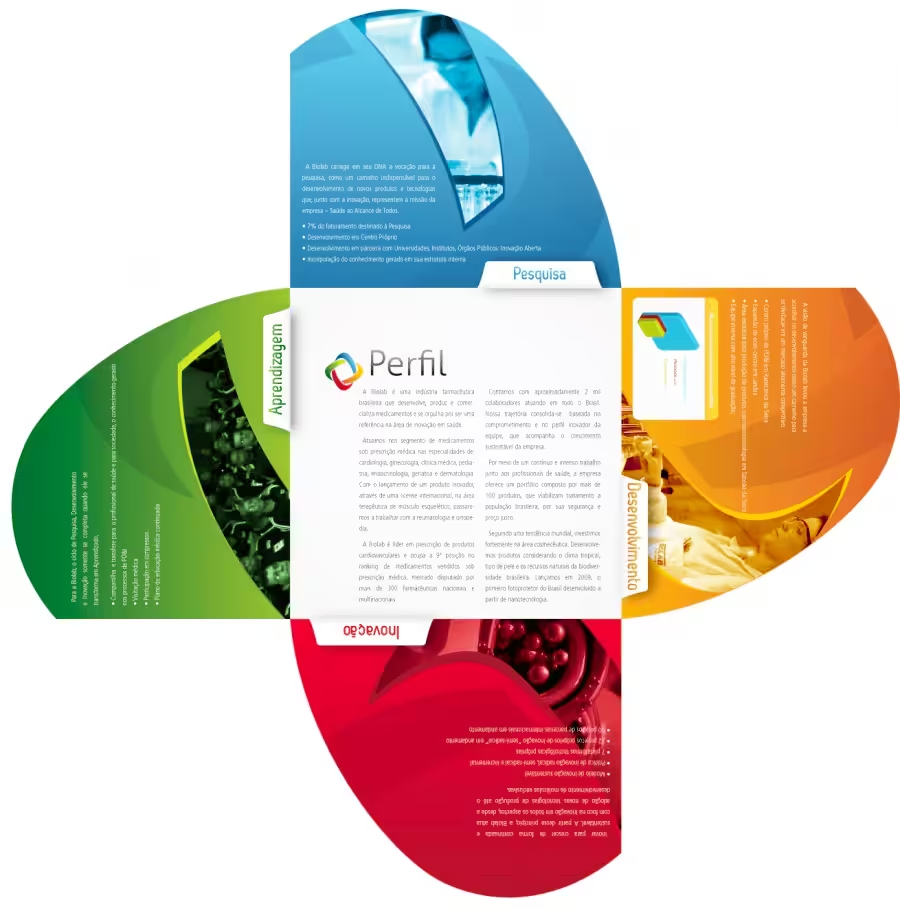
Testing Fact: A/B testing brochure mockups with 30 target customers improves conversion lift by up to 34% before print.
Part 2: Ideas for Structure & Interactive Experience
Interactive brochure ideas often come from packaging design, not print marketing.
6. Go for a Linear, Accordion Fold
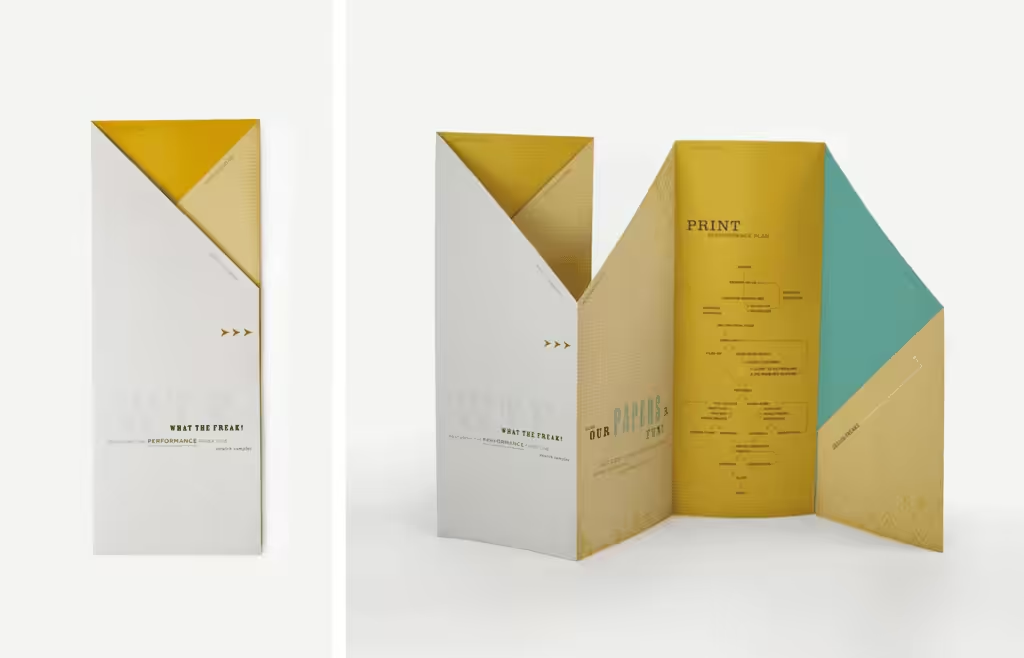
A linear fold, like an accordion, stretches out to reveal multiple panels at once. Instead of the usual booklet-type brochure, customers can see the whole story unfold before them without flipping pages, making it easier to read and compare information.
7. Use Creative Folds and Graphics
Take the fold brochure concept a step further. Imagine a square brochure where the cover flap folds down into a triangle. This unusual fold creates curiosity and encourages people to open it up to see what’s inside.
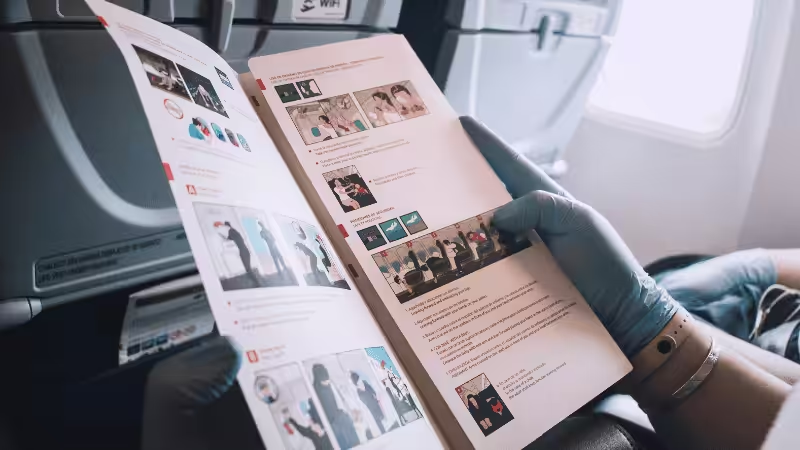
8. Try Die-Cuts to Create a Window Effect
Using die-cuts is a popular technique for a reason. It cuts a shape or window into the paper, giving readers a peek at the page behind it. For example, you can implement the die-cut design on the cover of a real estate brochure to look like a window or a gate, hinting at the home inside.
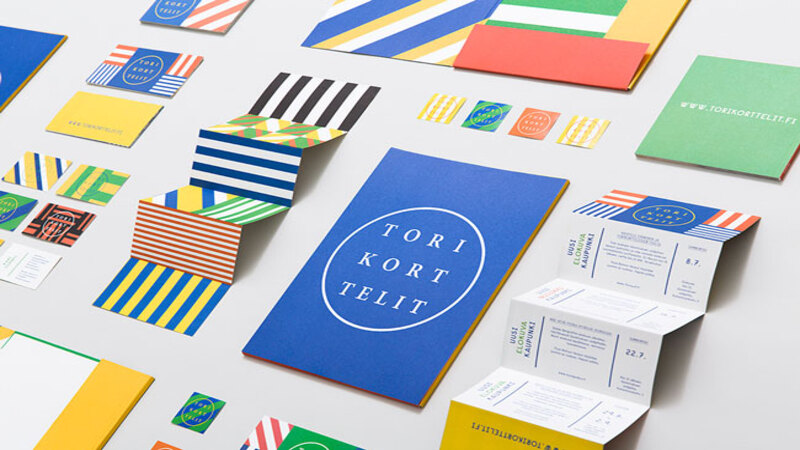
Engagement Fact: Die-cut covers significantly improve brochure engagement. According to the China Advertising Association’s 2024 industry report, brochures with die-cut or custom-shaped designs achieve 37% higher memory retention and 52% higher active pass-along rates compared to standard flat A4 brochures.
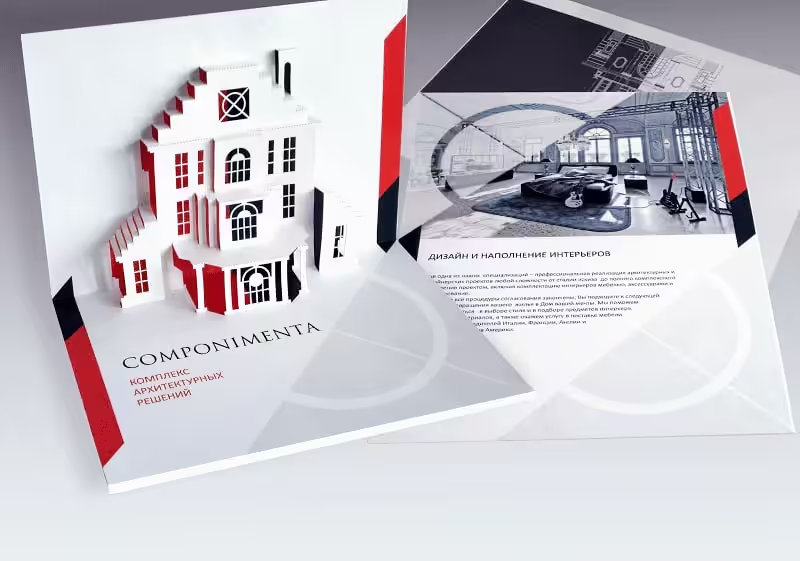
9. Make It Interactive with Flaps or Pop-ups
Think of a children’s book with liftable flaps. You can use this idea in your brochure design. Create flaps that reveal more information, a special offer, or a fun fact. This simple interaction makes the experience more memorable.
10. Design Multiple Versions for Different Audiences
If you serve a diverse market, consider creating multiple versions of your brochure. You can use the same layout but change the color scheme or cover photo to appeal to different customer segments. This makes the brochure feel more personal and relevant.
Part 3: Ideas for Materials & Sensory Details
11. Add Texture with Embossing or Special Paper
Engage the sense of touch. Embossing (raising text or a logo) or using a different type of paper with a unique texture adds dimension and a premium feel. It’s a small detail that leaves a lasting impression.
Tactile Fact: Embossed logos or textured paper trigger positive brand associations and premium quality perceptions. Industry research indicates that 70% of consumers associate embossed labels with higher quality compared to flat counterparts.
12. Include a Surprise Insert or a Sample
An insert can be a powerful addition. You could include a separate pamphlet for another product, a business card, or a small sample of the material you use to create your product. This makes the brochure more valuable.
13. Stay Small with Pocket-Sized Designs
You don’t need a large format to impress the customer. A small, pocket-sized brochure can be very effective. If you can make your message clear and concise, a compact design is easy to carry and keep. Just be sure to consider the content and ensure it fits.
14. Opt for Sustainable and Eco-Friendly Materials
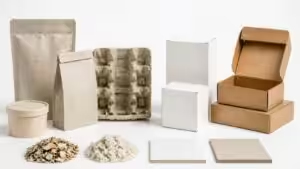
Show your commitment to the environment. Create an environmentally friendly brochure by choosing materials from responsibly managed sources or deciding to use recycled paper. This appeals to eco-conscious customers and is a positive part of your brand story.
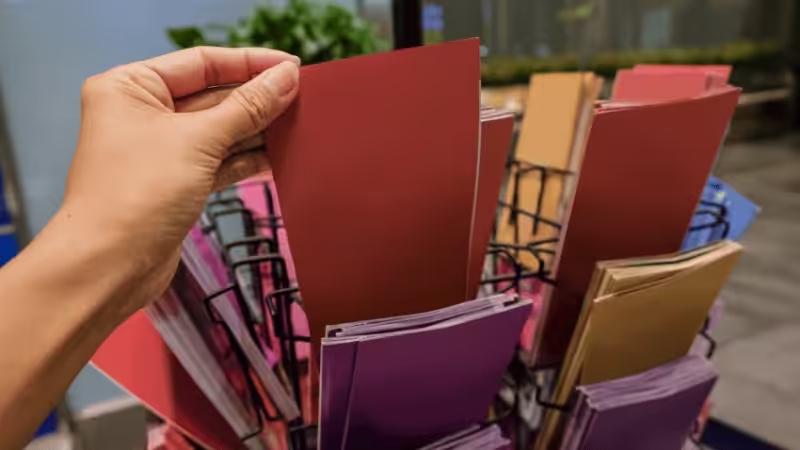
15. Include a Small, Memorable Giveaway
Adding a small gift can make your brochure effective as a marketing tool. A sticker, a branded bookmark, or a discount code attached as a tear-off slip is a simple way to provide extra value and keep your brand top of mind.
Retention Fact: Some industry case studies suggest that brochures with tear-off coupons or stickers can see significantly higher repeat contact rates compared to those without.
Why a Creative Brochure Design Is Crucial This Year?
A brochure is an excellent tool to ignite the visual interest of your customers. With the combined number of offline and online businesses, catching customers’ attention is harder. You have to ensure your brand will always stand out amidst the competition.
Your brochure design can make that happen.
You don’t have to impress them with modern brochure designs if that’s not fitting for your brand image. But you have to ensure that you know of enough trends so customers know you’re always on the lookout for new trends that can improve your operations.
This shouldn’t be too hard because there are several sources of inspiration online. You can look for an excellent example in digital brochures. Check out your competition and see how their brochure designs have evolved.
Combine different brochure design ideas and let them unlock your creativity. Use it to create an impressive brochure for your brand.
Your 3-Step Action Plan: From Idea to a Printed Brochure
Feeling inspired? Here’s how to turn these ideas into a finished product.
Step 1: Define Your Goal and Key Message
Before designing your brochure, be clear on its purpose. Is it for a trade show? A direct mail campaign? Your goal will determine the design, content, and call to action.
Step 2: Outline Content and Choose High-Quality Images
Plan what you want to say on each panel. Write clear, concise copy and select professional, high-quality images that support your message. Good visuals break up text and attract the attention of your target market.
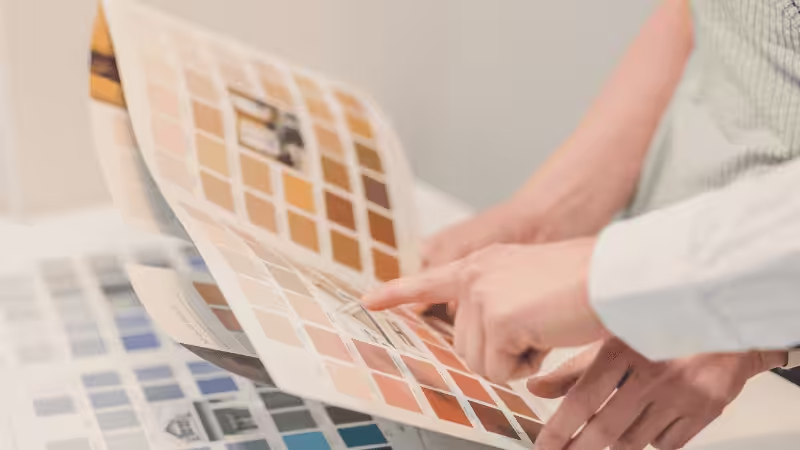
Step 3: Partner with a Professional Printer to Bring It to Life
A great design needs great execution. A professional printer can advise you on the best paper, finishes, and folding techniques to make your design a reality. They can also help you avoid common mistakes that can ruin a print job.
Frequently Asked Questions About Brochure Design
Q1:How can I make my brochure look more professional?
Use a clean layout, consistent branding (colors and fonts), high-quality images, and professional printing. Avoid clutter and make sure your text is easy to read.
Q2:What are the latest brochure design trends?
Current trends include minimalism, bold typography, sustainable materials, and interactive elements like die-cuts or unique folds.
Q3:What design is best for a small business on a budget?
A simple tri-fold or bi-fold design on quality paper is a great start. Focus on a strong message and one or two striking visuals. Simplicity often looks more professional than a design that tries to do too much.
Q4:How do I choose the right paper to make it feel premium?
Choose a thicker paper stock (measured in gsm or points). A matte or soft-touch finish feels more luxurious than standard glossy paper. Ask your printer for samples to feel the difference.
Key Brochure Design Resources & Creative Insights
For professional brochure design inspiration, always start with a flexible brochure template that allows you to explore different layouts, shapes, and themes. Use illustrations or minimal icons to convey messages accurately. Collect feedback from target audiences early. Many leading brochure designers rely on platforms like Behance or Dribbble for creative resources. Remember: accuracy in typography + creativity in structure = lasting brand impression.
Conclusion
An effective brochure design can significantly impact your sales and marketing efforts. By incorporating creative elements, interactive features, and modern trends, you can make your brochure stand out and engage your audience.
Whether you opt for simplicity, bold shapes, unique folds, or sustainable materials, the key is to align your design with your brand identity and customer preferences. Small tweaks or complete redesigns can refresh your brochure and enhance its effectiveness.
Discover Unique Brochure with Packoi
Choosing among several brochure designs can be challenging with all the online options. But the choice will be easier if you’re clear on your purpose for changing the brochure template.
At Packoi Printing, we’ll give you several brochure templates. If you think none of them reflects your brand, that’s okay. We have a team of designers ready to help you create a unique brochure.
Contact us today so we can talk about your ideas. We’ll send you a fair quotation as soon as possible.