This guide provides actionable packaging strategies to turn your box into a strategic marketing asset. You’ll learn how to leverage packaging to drive sales, build brand loyalty, and achieve a measurable ROI.
Why is Packaging Your Most Powerful (and Overlooked) Marketing Tool?
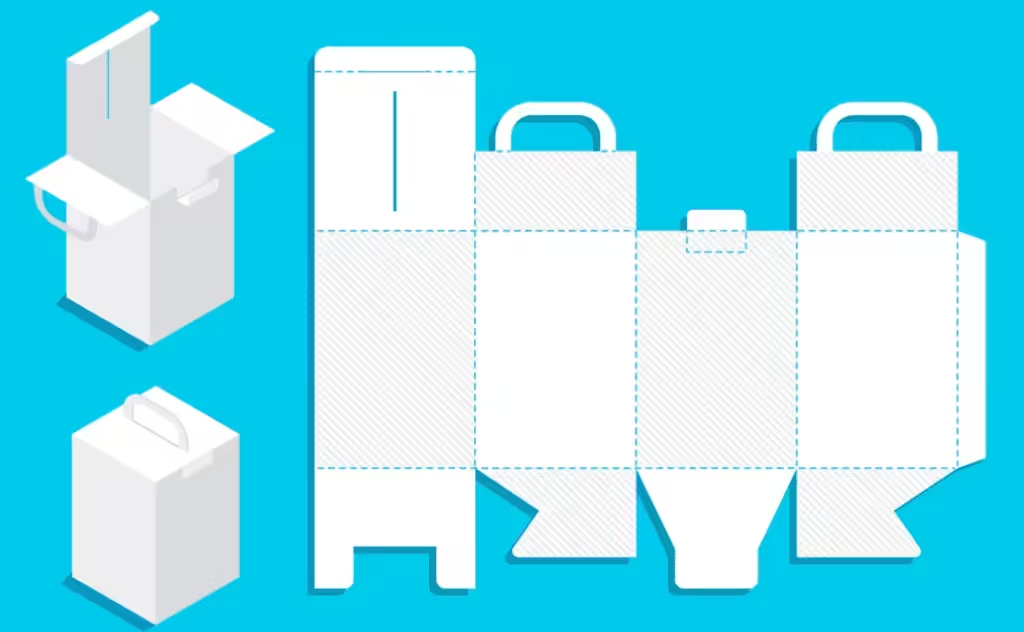
In marketing, we used to talk about the 4Ps: Product, Place, Price, and Promotion. Today, the model has expanded to 8Ps, and one of the additions is Packaging. It’s no longer just part of the product; it’s a strategic pillar. If you fail to use it properly, you’re missing a huge opportunity to market your brand’s message. Packaging creates opportunities because it’s often the first physical interaction a customer has with your brand. Here’s why it’s so effective.
It’s Your First Physical Touchpoint with Customers
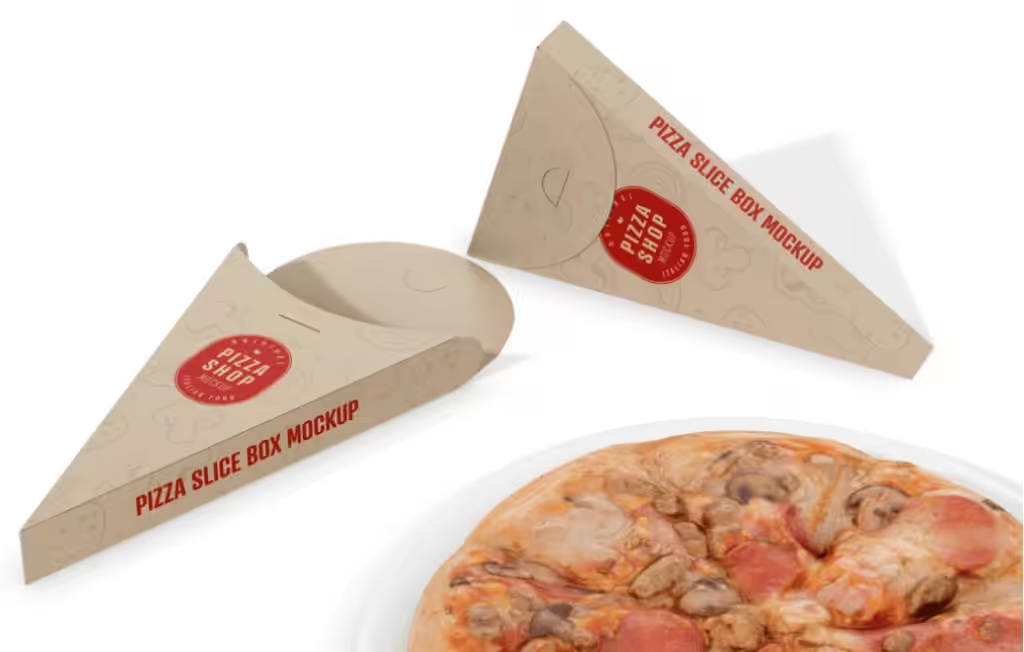
Your packaging is the first point of contact, making it crucial for creating a positive first impression. This initial experience can significantly influence buying decisions and sets the tone for future consumer engagement.
It Builds Your Brand Narrative and Emotional Connection
Well designed packaging** tells your brand story without words. By aligning packaging with your brand values, you forge a deeper connection with your target audience, especially eco conscious consumers who appreciate a brand’s commitment to sustainability.
It Boosts Brand Visibility on Crowded Shelves
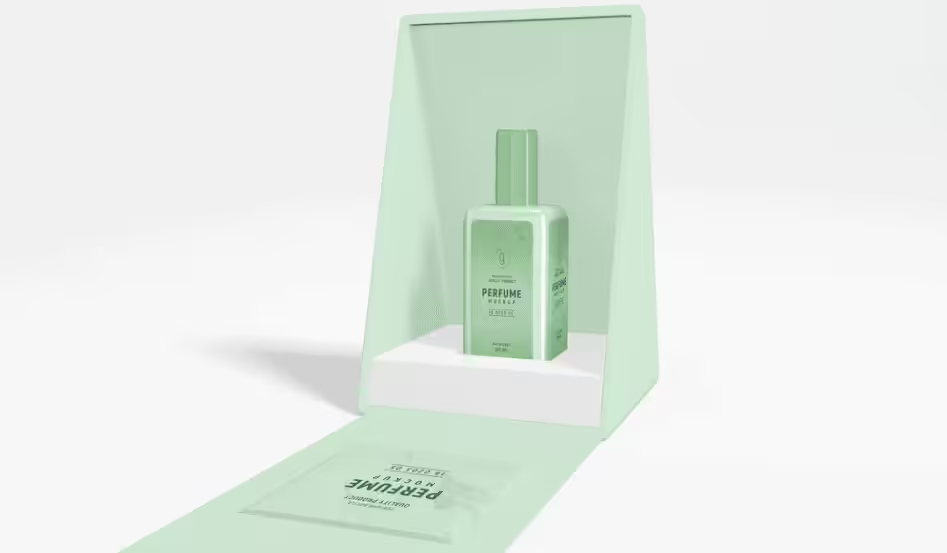
In a crowded market, standout packaging is essential. Unique visual elements, bold colors, or even minimalist designs can grab attention on crowded shelves. This immediate brand recognition is key to winning over first time buyers.
It Creates a Memorable Customer Experience to Encourage Repeat Purchases
The unboxing experience is a critical touchpoint. A satisfying unboxing can create a memorable customer experience, which directly leads to repeat purchases and turns loyal customers into brand advocates. When shared via social media marketing, this becomes free advertising.
How Do You Turn Your Packaging into an Effective Marketing Tool? (A 5-Step Checklist)
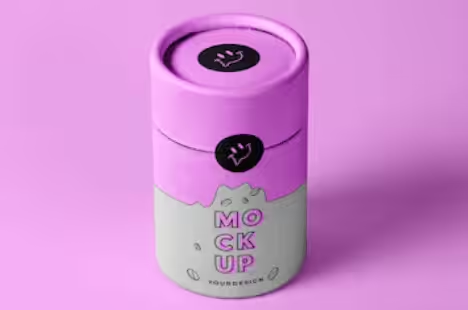
To use product packaging as a marketing scheme, you need to focus on a few key elements. Here are five practical steps.
Step 1: Make It Stand Out with Purpose
Choose to do something different. If competitors use plain kraft boxes, consider a design with bold colors. If they use busy, colorful designs, a minimalist black-and-white approach might be more eye-catching. The key is to be different with purpose. The design should always fit your brand narrative. For example, a bright, playful box is great for a kids’ toy brand, but it wouldn’t work for a high-end skincare line.
Step 2: Make It Meaningful with Smart Material Choices
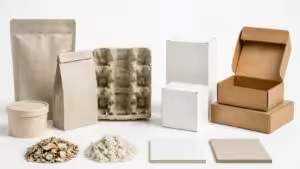
Your choices in packaging materials reflect your brand values. For eco conscious consumers, using eco friendly packaging materials like recycled paper or innovative materials shows a genuine brand’s commitment to sustainability. This resonates with customers who share similar beliefs, enhancing brand loyalty.
- Practical Tip: Don’t just say you’re “eco-friendly.” Be specific. Use materials like FSC-certified paper (from responsibly managed forests) or print with soy-based inks. Add a small icon and a short line like “This box is 100% recyclable” to communicate this value clearly.
This alignment builds deep loyalty and can turn customers into brand advocates.
Step 3: Make It Recognizable and Consistent
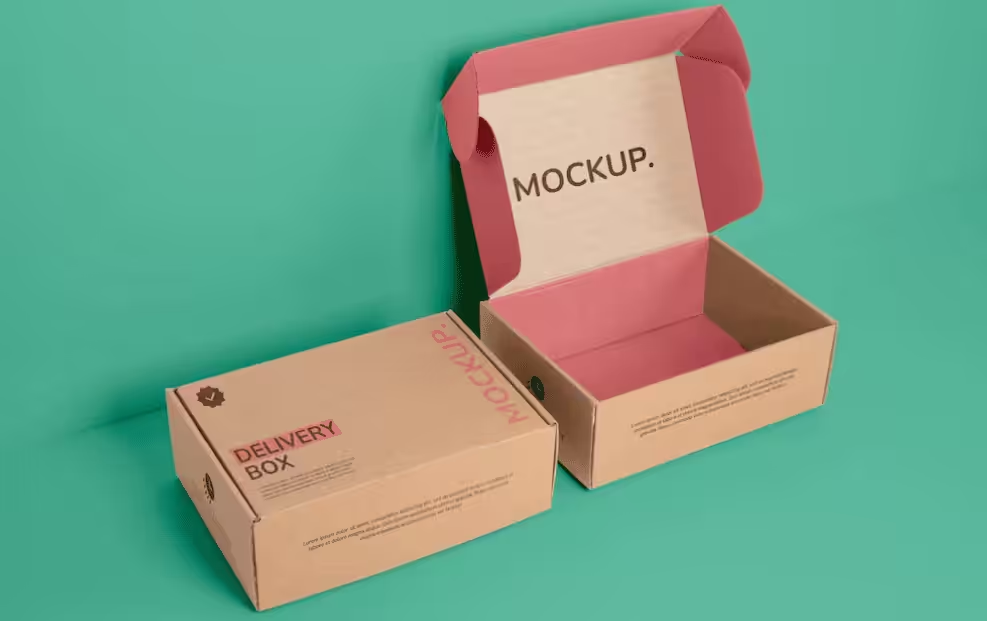
Your packaging must be instantly recognizable. While you might use a seasonal theme for the holidays, core elements like your logo, brand colors, and font should remain consistent. This ensures that your packaging, website, and social media all feel like they come from the same brand, strengthening recognition.
Step 4: Make It Informative and Interactive
Use your packaging to communicate more than just your brand name.
- Essential Info: Clearly display instructions, ingredients, or warnings. This builds trust and helps customers use the product correctly. Make sure to integrate legally required elements like barcodes without disrupting the design.
- Interactive Elements: Add a QR code that links to a how-to video, a special offer, or your social media page. This is a simple, low-cost way to drive engagement and track customer interaction directly from your packaging.
With a smart font and layout, this text can become part of the design itself.
Step 5: Make It Trendy (Without Losing Your Brand Identity)
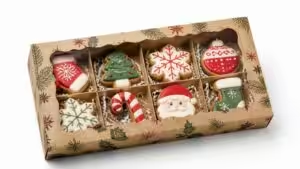
Using seasonal packaging for holidays or special events can create excitement and a sense of urgency. You can go over the top with a festive design or be more subtle. What’s important is that you stay true to your brand. A wild design choice is fine, as long as it doesn’t deviate from what your brand represents and confuse your loyal customers.
E-commerce vs. Retail: Tailoring Your Packaging Strategy
Your packaging strategy should change depending on where your customers buy your product. A box that works well in a store might fail in an e-commerce setting.
For E-commerce: Mastering the Unboxing Experience
For online sales, the package arrives at a customer’s home. The goal is to create a memorable, shareable unboxing experience.
- Think in Layers: The experience starts with the outer shipping box, moves to protective filler (like branded tissue paper), then the primary product box, and finally a small insert like a thank-you card or a sticker.
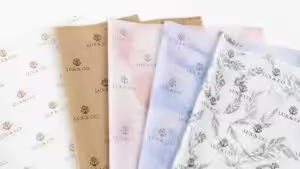
- Example: To enhance the unboxing experience, a Shopify store could use custom packaging with branded tissue paper. Including personalized inserts like a handwritten thank-you note or an exclusive offer for their next purchase can transform the moment and motivate customers to buy again.
For Retail: Winning the “First 3 Seconds” on the Shelf
In a physical store, your package is surrounded by competitors. You have about three seconds to grab a shopper’s attention.
- Be Bold: Use strong color contrasts, a unique shape, or a very clear, large font for your product name. The design must communicate what your product is and why it’s different, instantly.
- Example: Think of how breakfast cereal boxes use bright colors and characters to stand out in a crowded aisle.
Beyond Beauty: Why Functional Packaging is Great Marketing
A beautiful box that is hard to open or fails to protect the product creates a negative experience. Functionality is a silent but powerful form of marketing.
Easy-to-Open Designs That Reduce Frustration
Have you ever struggled to open a plastic clamshell package? It’s frustrating. Designing your package with tear strips, perforated tabs, or simple-to-lift lids shows you respect the customer’s time and experience. This small detail can leave a lasting positive impression.
Product Protection That Builds Trust
The primary job of packaging is to get the product to the customer safely. When a product arrives damaged, it breaks trust and costs you money in returns. A sturdy, well-designed box that ensures the product is secure tells the customer you are a professional and reliable brand.
Is It Worth It? Budgeting and Measuring the ROI of Your Packaging
This is the big question for many small businesses: Is investing in better packaging a smart financial move? The answer is yes, if you approach it strategically.
How Much Does Custom Packaging Actually Cost?
Costs vary based on size, material, quantity, and printing complexity. Here’s a general idea:
- Budget-Friendly: Simple one-color printing on a standard-size mailer box or adding a custom-printed sticker to a stock box.
- Mid-Range: Full-color printing on a custom-sized box with a standard finish.
- Premium: Special finishes like spot UV or embossing, custom inserts, and unique structural designs.
Always get quotes for different quantities. The price per unit often drops significantly as the order volume increases.
3 Simple Ways to Track Your Return on Investment (ROI)
You don’t need complex tools to see if your new packaging is working.
- Track Social Media Mentions: Create a unique hashtag (e.g., #YourBrandUnboxed) and print it on your box. Monitor how many people use it to share photos of your packaging.
- Use a Package-Specific Discount Code: Print a unique coupon code on an insert inside your box (e.g., “THANKS15”). Track how many times that specific code is used to measure repeat purchases driven by the unboxing experience.
- Monitor Customer Reviews: Look for comments that specifically mention the packaging. An increase in positive feedback like “loved the packaging!” or “it arrived so beautifully” is a direct indicator of its impact.
Frequently Asked Questions About Marketing Tool Packaging
Q1:What’s the first step to improve my packaging?
Start with an audit. Look at your current packaging and your top three competitors. Ask: What story is my packaging telling? Where is it failing? What are my competitors doing well that I can do better?
Q2:Are there low-cost ways to make packaging look premium?
Absolutely. Instead of a fully custom-printed box, use a standard stock box and invest in a high-quality branded sticker, a custom-printed paper sleeve (belly band), or beautifully designed branded tissue paper inside.
Q3:How do I measure if my new packaging is successful?
Track metrics tied to customer experience. Look for an increase in social media shares featuring your package, positive mentions in product reviews, and redemption rates on any discount codes included inside the box.
Q4:Does eco-friendly packaging actually increase sales?
For the right audience, yes. A study by Nielsen showed that 66% of global consumers are willing to pay more for sustainable brands. It builds loyalty and attracts customers who buy based on values, not just price.
Q5:What information must I include on my packaging?
This depends on your product and region. Common requirements include the product name, company contact information, net weight or quantity, ingredient lists (for food/cosmetics), and any required safety warnings or symbols (like a CE mark in Europe). Always check your local regulations.
Q6:How do I find a reliable packaging supplier?
Look for a supplier who asks good questions about your brand and goals, not just dimensions. Request samples to check their print quality and material sturdiness. Check their customer reviews and ask to see examples of work they’ve done for brands similar to yours. At Packoi Printing, we can help you sort through your options.
Ready to Turn Your Packaging into Your Best Salesperson?
Transforming your packaging into an effective part of your marketing plan is an achievable goal. There are many design applications and material options to choose from.
Don’t feel overwhelmed. At Packoi Printing, we can help you sort through your options. Let us know your plans, and we will come up with the best solution for your brand and budget.
Get a fair quote for your design ideas and goals today.