The plastics take centuries to break down and contribute to pollution. Crumpled paper offers a simple, effective alternative that protects both products and the planet. It works for fragile items like glass, ceramics, and electronics while remaining lightweight.
Businesses also benefit from its cost-effectiveness. Many companies can repurpose existing paper waste, cutting material costs while meeting sustainability goals. But how does it compare to traditional packaging? Let’s take a closer look.
What is Crumpled Paper?
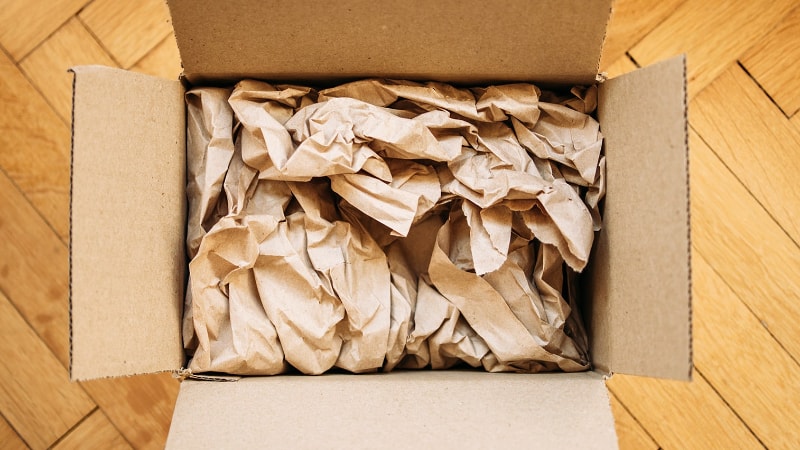
Crumpled paper is exactly what it sounds like. It is paper that has been folded or crumpled to create a textured, cushioning material. It’s commonly used in crumpled paper packaging as a protective layer for shipping fragile items.
Unlike plastic fillers, this eco-friendly void fill provides excellent shock absorption. Plus, it’s being biodegradable and recyclable.
It can be made from various materials. Some include kraft crumpled paper, parchment paper, and recycled paper packaging. Businesses looking for sustainable packaging materials often choose it as a cost-effective and planet-friendly alternative. It helps fill empty spaces in boxes, preventing items from shifting during transit.
Beyond packaging, crumpled paper wrap is also popular for crafting, gift wrapping, and art projects. Its versatility and sustainability make it one of the best eco-friendly packaging alternatives.
Many businesses now prefer crumpled paper vs bubble wrap because it reduces plastic waste. However, it does not compromise on protection.
The Properties and Benefits of Crumpled Paper
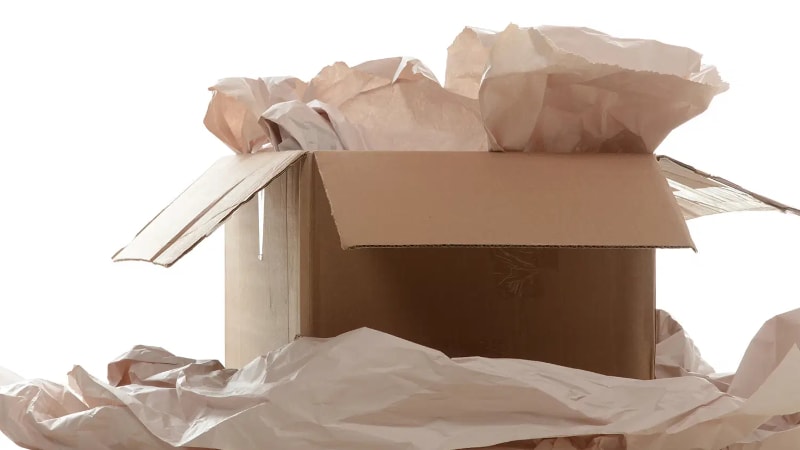
Some of the benefits of crumpled paper are as follows.
Protective Cushioning
Crumpled paper is excellent for absorbing shocks and preventing damage during shipping. The air pockets created by the crumpling process provide a natural cushion. They reduce the impact on fragile items like glassware, ceramics, and electronics.
Unlike plastic-based fillers, paper molds around objects. It offers customized protection without needing additional materials.
Sustainability
As a sustainable packaging material, crumpled paper is often made from recycled paper packaging and is 100% biodegradable. It decomposes naturally without leaving harmful waste behind. Kraft crumpled paper returns to the environment within weeks.
Making the shift from plastic to paper helps protect both products and the planet. It’s a smart choice for any brand that values its rights to a greener future.
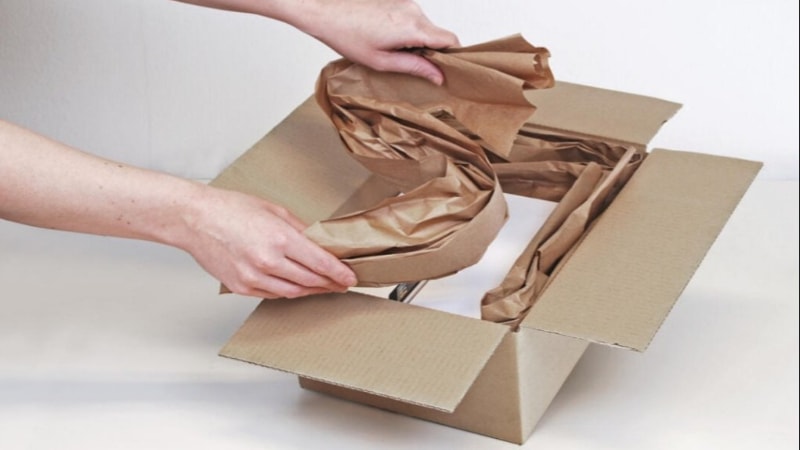
Cost-Effectiveness
Switching to crumpled paper packaging can help companies reduce costs. Since it can be made from recycled or repurposed paper, businesses save on raw materials. These saved costs can be used elsewhere.
While paper is slightly heavier than air-filled plastics, its compact storage size and lower raw material costs make it highly economical. By properly balancing weight and protective strength, businesses can effectively optimize their overall packaging and lowers shipping costs.stay sustainable but also save money while doing so.
Versatility
Crumpled paper wrap works across various industries, from e-commerce and retail to food and medical packaging. It can be used to wrap individual products, fill empty spaces in boxes, or provide layered protection.
Its flexibility makes it an ideal protective packaging solution for companies looking to balance performance, cost, and sustainability.
Versatility Across Operations
Crumpled paper is incredibly adaptable. Unlike pre-molded foam inserts that only fit one specific product, crumpled paper effortlessly conforms to any shape, size, or odd-angled item. It seamlessly transitions between three key functions:
- Wrapping: Acting as an outer skin to prevent surface scratches.
- Cushioning: Absorbing heavy shock at the bottom and sides of a carton.
- Void Filling: Bracing items tightly at the top so they don’t migrate during transit.
Whether you are shipping delicate cosmetics, heavy industrial tools, or assorted retail orders, this single material can handle your entire packaging line, eliminating the need to inventory multiple types of plastic fillers.
Choosing the Right Thickness and Format
Not all paper packaging is created equal. To maximize protection without overspending, businesses must choose the right paper weight (measured in GSM – Grams per Square Meter) and format:
- Lightweight Void Fill (50-70 GSM): Best for filling empty spaces in boxes containing lightweight, non-fragile items (like apparel or plush toys). It crumples easily and keeps shipping weights ultra-low.
- Heavyweight Cushioning (80-100+ GSM): Thicker kraft paper designed for heavy machinery parts, thick glass, and sharp-edged items. It provides dense shock absorption that won’t tear under pressure.
- Rolls vs. Sheets: Pre-cut sheets are excellent for retail checkout counters. For e-commerce fulfillment, continuous paper rolls offer the highest efficiency, allowing packers to tear off exactly what they need.
How to Use Crumpled Paper for Secure and Sustainable Packaging?
Crumpled paper is a reliable way to protect fragile items during shipping and storage. It cushions delicate products by absorbing shocks. Plus, it prevents movement inside boxes.
A key use of crumpled paper is filling empty spaces in shipping boxes. By crumpling and layering paper, shippers can ensure items don’t shift during transit. Compared to plastic-based fillers, kraft crumpled paper and recycled paper packaging are both biodegradable. They can also be recycled for future use.
Crumpled paper wrap is also useful for wrapping delicate items like glassware. Wrapping each piece individually before placing it in a shipping box prevents scratches and breakage. For maximum protection, layering techniques can be applied. For example, you can use multiple sheets to add extra cushioning.
When using crumpled paper for packaging, make sure it is tightly packed. It will then provide proper support and prevent items from shifting during transport. The amount of crumpled paper needed will vary depending on the size and fragility of the item.
Scaling Up: Paper Void Fill Machines for High-Volume Shippers

A common concern for large e-commerce businesses is speed. Does switching to paper mean packers have to manually crumble sheets by hand, slowing down fulfillment? Absolutely not.
For medium to high-volume operations, paper void fill machines (paper crumplers/dispensers) are the ultimate game-changer. These desktop or floor-standing machines automatically pull kraft paper from a master roll, crimp it into a high-volume cushioning pad, and cut it to the perfect length at the push of a button or foot pedal.
Benefits of Automation:
- Increased Throughput: Packers can fill boxes in seconds.
- Reduced Material Cost: Machines use tension to maximize air volume, meaning you use less paper to fill the same amount of space.
- Ergonomics: Reduces hand fatigue for warehouse staff.
The Environmental Impact of Crumpled Paper Packaging

Crumpled paper packaging plays a big role in promoting sustainability, particularly when made from recycled paper packaging. Using recycled materials reduces the demand for virgin paper production. It helps conserve forests, lower carbon emissions, and minimize energy consumption.
According to the EnvironmentalProtection Agency (EPA), producing recycled paper requires 40% less energy. It also generates 50% less water pollution than manufacturing new paper. This makes crumpled paper a responsible choice for businesses that want to adopt sustainable practices.
Crumpled paper also reduces plastic waste. Traditional protective packaging materials like bubble wrap, foam peanuts, and air pillows are made from non-biodegradable plastics. These materials contribute to landfill overflow and marine pollution. They also take hundreds of years to decompose.
Studies show that most plastic waste is never recycled. So, plastic packaging ends up polluting ecosystems. Crumpled paper is fully recyclable and biodegradable. It offers an effective and eco-friendly void fill that doesn’t harm the environment.
Kraft crumpled paper is particularly valuable due to its biodegradability and recyclability. Made from unbleached wood pulp, it breaks down naturally in soil within a few weeks.

Research confirms that paper-based packaging degrades much faster than plastic. Paper recycling systems are also well-established. So, used crumpled paper packaging can be repurposed instead of discarded.
Businesses and consumers can reduce their carbon footprint, limit waste, and support a circular economy by using crumpled paper packaging.
A Smooth Migration Plan: Transitioning Your Warehouse Away from Plastic
Switching warehouse operations from bubble wrap to paper can seem daunting. Here is a proven, friction-free migration plan for operation managers:
- Conduct a Packaging Audit: Review your current shipping damage rates and plastic material costs. Calculate the warehouse space currently taken up by bulky bubble wrap rolls.
- Run a Line Pilot: Don’t change everything overnight. Set up one packing station with a paper roll and dispenser. Test it on your most frequently shipped items for two weeks.
- Train the Staff: Paper performs best when “coiled” or creatively layered, rather than just stuffed flat. Train your team on proper void-fill techniques to ensure maximum protection.
- Update Your Marketing: Once fully transitioned, place a small label on your boxes or a card inside stating: “We have gone green! This package is protected by 100% recyclable paper.” Let your customers celebrate the win with you.
How Crumpled Paper Compares to Other Protective Packaging Materials
When choosing protective packaging, businesses often compare crumpled paper to traditional options. These include bubble wrap, foam peanuts, and air pillows. While plastic-based materials offer cushioning, they contribute to environmental pollution and can be costly.
Crumpled paper provides effective shock absorption. It is also biodegradable, recyclable, and cost-efficient. Below is a comparison of these packaging materials based on key factors.

| Factor | Crumpled Paper | Bubble Wrap | Foam Peanuts | Air Pillows |
|---|---|---|---|---|
| Protection | Absorbs shock, molds around objects | Good for impact absorption but lacks void fill | Provides cushioning but shifts in transit | Cushions items but may pop under pressure |
| Sustainability | Biodegradable, recyclable, often made from recycled materials | Plastic, non-biodegradable, difficult to recycle | Non-biodegradable, rarely recycled | Plastic, non-biodegradable, some recyclable options |
| Cost-Effectiveness | Low-cost, especially when using recycled paper | Moderate cost, especially for large quantities | Often expensive and requires large storage space | Can be costly, especially eco-friendly versions |
| Ease of Use | Simple to crumple and pack | Requires cutting and taping | Messy, can scatter during unpacking | Needs inflation before use |
| Storage Space | Compact and easy to store | Bulky rolls take up space | Requires large storage space | Requires storage and inflation equipment |
Which Industries Can Use Crumpled Paper Packaging
While every sector can use crumpled paper packaging, the following benefit from it the most.
E-Commerce and Online Retail
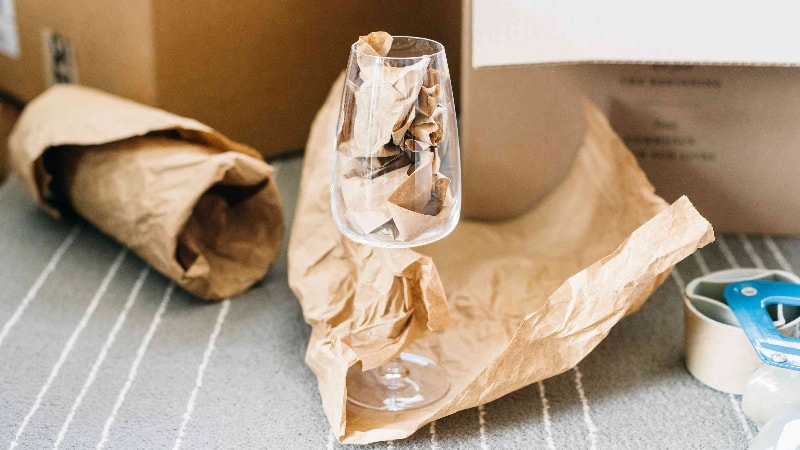
Businesses selling fragile products like ceramics, glassware, and handmade crafts need secure and sustainable packaging. Crumpled paper packaging fills empty spaces in shipping boxes. It prevents movement and reduces breakage.
Online retailers can also use Kraft crumpled paper for an eco-friendly unboxing experience. It helps reinforce their commitment to sustainability.
Luxury and Gift Packaging
Brands that focus on premium presentation can use crumpled paper wrap to enhance their gift packaging. High-end jewelry, perfumes, and artisanal goods can be wrapped in soft-textured crumpled paper.
The packaging adds an elegant, eco-friendly touch. Crumpled paper provides a sophisticated yet sustainable alternative for luxury packaging.
Food and Beverage Packaging
Restaurants, bakeries, and specialty food brands can use crumpled paper as eco-friendly void fill. They can use it for shipping fragile food items like bottled beverages, glass jars, and gourmet chocolates.
Since Kraft crumpled paper is non-toxic and biodegradable, it ensures food safety. It also reduces plastic waste in food packaging.
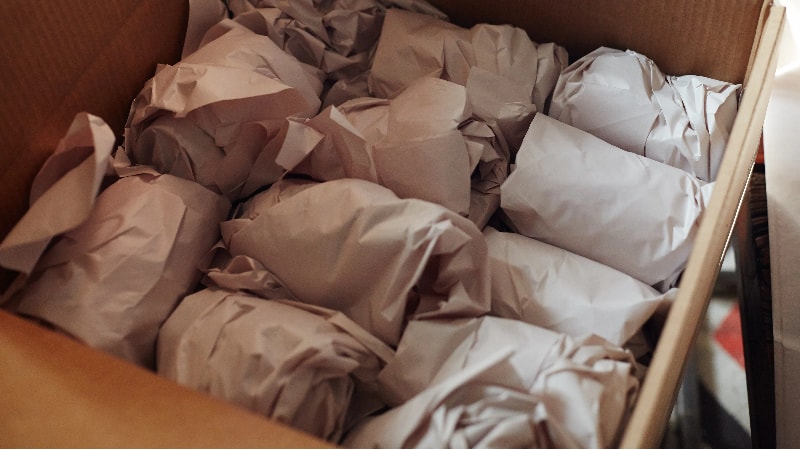
Crumpled paper also helps absorb moisture and prevents shifting. That makes it suitable for food packaging for perishable goods like homemade jams or freshly baked bread. It’s also ideal for bottled wines, specialty sauces, and delicate chocolate truffles.
Electronics and Fragile Items
Tech companies shipping smartphones, delicate gadgets need protective packaging that absorbs shock. Crumpled paper wrap acts as a shock-absorbing layer, preventing damage during transit.
Unlike foam inserts and plastic air pillows, crumpled paper packaging produces no static electricity, making it a safer cushioning option for electronic components. However, paper can release fine paper dust during use. For maximum protection, precision electronic parts should first be sealed inside an anti‑static bag before being packed with crumpled paper void fill.
Crumpled paper is also highly customizable. It allows companies to tailor the amount of cushioning based on the size and fragility of the product. For electronics, a double layer of crumpled paper can be used for added protection. It helps ensure the devices remain secure throughout the shipping process.

Frequently Asked Questions About Crumpled Paper Packaging
Q1:Do I need a machine to make crumpled paper for shipping?
Not necessarily. For low-volume shipping, you can manually scrunch kraft paper sheets. However, high-volume operations should use automated paper dispensers. These machines rapidly create strong, consistent pads, saving labor time and speeding up the packing process.
Q2:What GSM or paper weight is best for void fill and cushioning?
It depends on the product. Use lighter 50-70 GSM paper for simple void fill and securing lightweight items. Opt for denser 70-90 GSM kraft paper for heavier products, machinery parts, or fragile glass requiring superior shock absorption.
Q3:Does crumpled paper packaging create dust inside the shipping box?
It can produce minor paper dust due to transit friction. This is completely harmless for everyday retail items like clothing or cosmetics. However, when shipping sensitive electronics, always place the item in a sealed anti-static bag first.
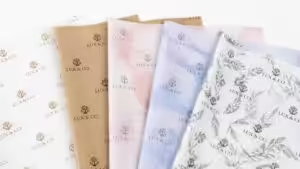
Q4:Can I print my brand’s logo or custom colors on crumpled paper?
Yes! Packaging paper is highly customizable. You can easily print logos, brand colors, or personalized messages to elevate the unboxing experience. Ready to create your branded protective materials? The team at Packoi can help design your perfect custom solution.
Q5:Will crumpled paper take up too much storage space in my warehouse?
Actually, it takes up far less space than plastic alternatives! Kraft paper is shipped and stored as tightly wound, dense rolls. It only expands and takes up volume after it is crumpled at the packing station. Pre-inflated bubble wrap and foam peanuts take up massive amounts of “empty air” space in your warehouse.
Conclusion
Crumpled paper packaging solves two big problems at once: high costs and plastic waste. It protects your products, lowers your shipping expenses, and helps you meet sustainability goals — all with one simple material.
Make the switch. Start small. And let every box you ship do less harm to the planet.
Adopt Crumpled Paper Packaging to Go Green With Packoi!
Switching to crumpled paper packaging is a highly effective way to secure your products in transit while reducing your environmental footprint. At Packoi , we provide high-quality, fully customizable packaging solutions designed to perfectly match your brand’s eco-friendly goals. Contact our team today to discuss your specific needs and request your free samples. Get in touch to explore our packaging solutions.