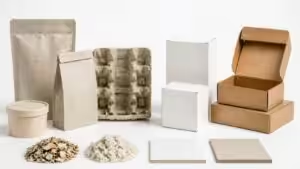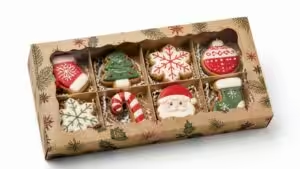
For lightweight items like cosmetics, electronics, and gourmet foods, custom folding cartons offer a powerful solution. They are not just boxes — they are a brand experience. Carton packaging is lightweight yet durable, making it an excellent choice while ensuring efficient storage and high-speed production compatibility.
To refine packaging efficiency and lower costs, start by understanding folding cartons — from structural styles to material thickness. This guide walks you through everything you need to know.
The Anatomy of a Folding Carton: Types & Features
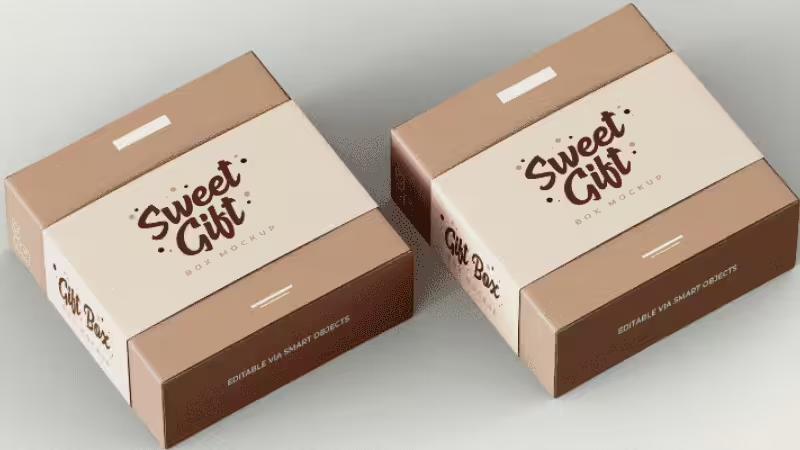
Paperboard cartons, folding cartons, and paperboard boxes are often used interchangeably, representing today’s most versatile packaging choices. For brands targeting premium aesthetics and eco-responsibility, folding carton solutions are a proven way to elevate shelf presence.
Today, consumer preferences shift toward brands that prioritize the planet. Sustainability in packaging is driven by FSC-certified paperboard, ensuring raw materials come from responsibly managed forests.
Because cartons are made from renewable, biodegradable, and recyclable wood fibers, they offer a highly eco-friendly lifecycle — lower climate impact than single-use plastics and strong recycling rates that support global green efforts.
As a result, businesses choose paper carton packaging to represent themselves as ethical brand. Understanding the most popular styles is the first step to finding the perfect match for your product line.
Standard Tuck End Boxes
These structures ship flat to save space and are easy to assemble manually.

Reverse Tuck Boxes (RTE) — Flaps close on opposite sides.
- Best For: Lightweight retail items like cosmetics, pharmaceuticals, and small electronics
- Advantage: Highly cost-effective; nested flaps minimize paperboard waste
- Trade-off: Bottom relies on friction; not for heavy objects
Straight Tuck Boxes (STE) — Flaps close on the same side.
- Best For: High-end cosmetics and luxury retail goods
- Advantage: Cleaner look; no raw edges visible from the front
- Trade-off: Less cost-effective; requires more paperboard spacing
Auto-Bottom & Crash-Bottom Boxes
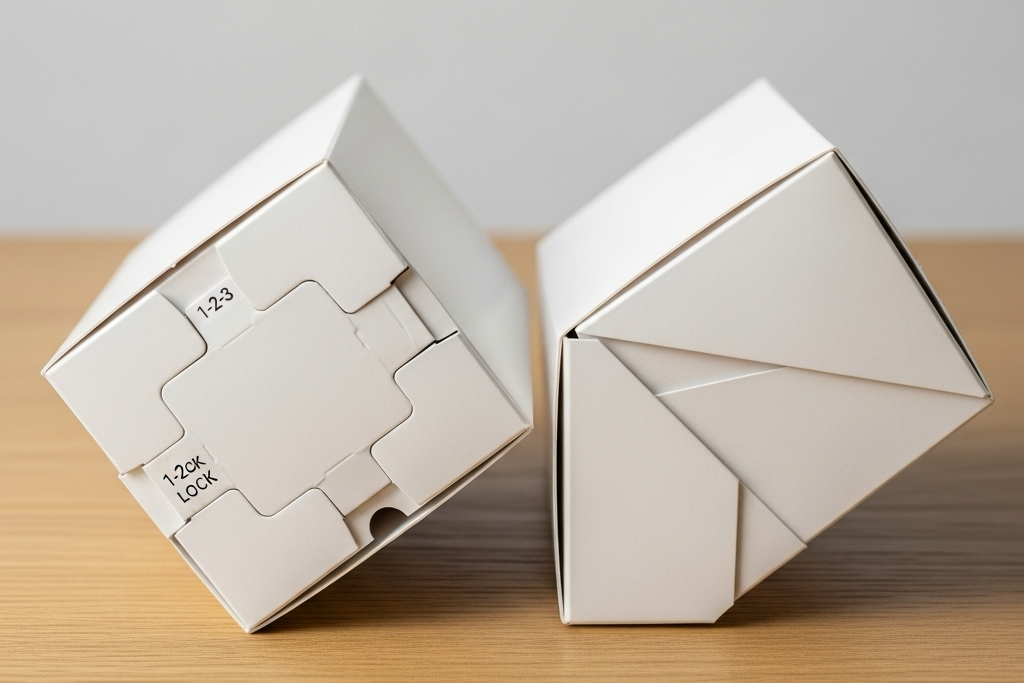
Engineered for speed, durability, and heavier products.
Lock-Bottom Boxes (1-2-3 Bottom) — Four interlocking flaps manually folded.
- Best For: Glass jars, dense food items, and heavier electronics
- Advantage: Secure mechanical lock that supports weight safely
- Trade-off: Requires three-step manual assembly
Crash-Bottom Boxes (Auto-Lock) — Bottom panels pre-glued at the factory.
- Best For: High-speed packing lines and mass-production goods
- Advantage: Pops open and locks instantly; cuts labor costs
- Trade-off: Higher tooling and manufacturing costs due to factory gluing
Specialty Carton Styles
Customized sustainable packaging for unique retail displays:
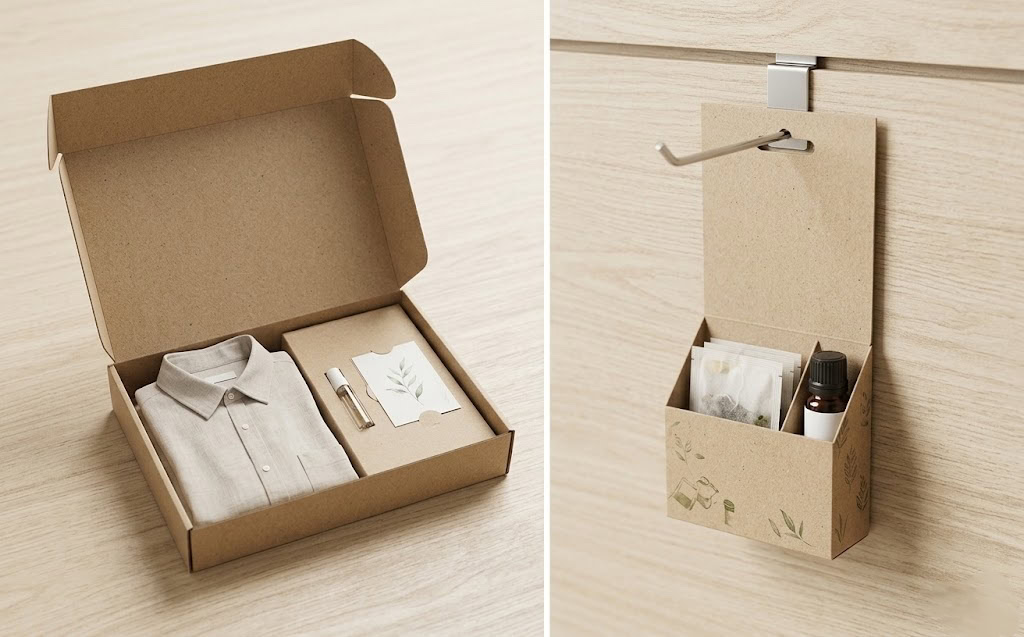
Top-Tuck Boxes: Wide swinging top lid. Perfect for presenting apparel and multi-item gift sets neatly.
Five-Panel Hanger Tab Boxes: Extended back panel with a pre-cut hole for retail peg hooks, maximizing eye-level visibility for lightweight products.
Add-On Features to Refine Packaging Aesthetics
Modify your foundation box to improve function and user experience:

Custom Inserts: Tailor-fit paperboard pieces that lock fragile items in place.
Custom Cutouts: Precision windows that reveal product color or texture inside.
Thumb Tabs: Small crescent cuts that make opening the box smooth and easy.
Now that you know which carton style fits your product, let’s move on to material selection, thickness, and pricing — three factors that directly impact your packaging budget.
Considerations for the Design of Carton Packaging Boxes
Designing successful printed packaging requires balancing brand aesthetics with functional engineering. While selecting brand colors and logo placement is exciting, procurement managers must address practical engineering factors first to ensure the final product meets all structural and packaging needs.
The choice of folding carton material, paperboard thickness (caliper), and pricing are the three pillars of a successful project. Addressing these technical elements early allows you to create stunning custom boxes without exceeding your budget or delaying production lines.
Materials Selection for Carton Boxes
The base material determines your box’s strength, eco-friendliness, and ink reception. Evaluate these standard industry paperboard grades to match your specific product requirements before finalizing your design.

Solid Bleached Sulfate (SBS): Made from chemically bleached pulp, this premium white board offers uncompromised high-quality printing capabilities. It is clean, pure white throughout, and completely food grade (odorless and tasteless), making it the gold standard for luxury cosmetics, chocolates, and perfumes.
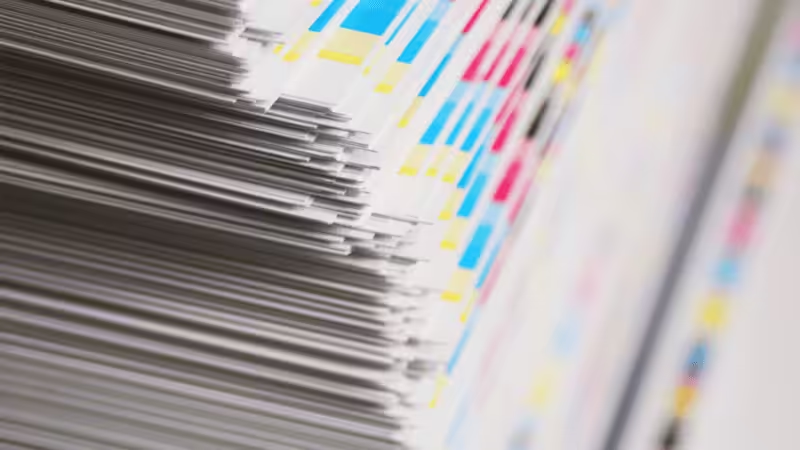
Clay Coated News Back (CCNB): A budget-friendly option with a glossy finish on the top layer and a grayish recycled reverse side. While it lowers costs for mass production, it lacks a pure white base, requiring careful CMYK and Pantone color calibration with your manufacturer to avoid muddy graphics.
Coated Unbleached Kraft (CUK/SUS) or Natural Kraft: Built entirely from recyclable materials and unbleached wood fibers, this substrate creates a rugged, earthy Kraft paper box. Highly tear-resistant, it is perfect for heavy beverages or industrial components. (For food-safe applications, a water-based or polyethylene coating can be added.)

Advanced Sustainable Materials & Inks
To support modern eco-conscious brand positioning, look beyond traditional paperboard. Hemp-based cartons utilize alternative organic fibers that reduce deforestation footprints. Pair these with soy- and vegetable-based inks instead of petroleum-based alternatives to ensure your packaging maintains crisp, vibrant graphics with improved biodegradability from eco friendly materials.
Thickness and Caliper Specifications
Paperboard thickness is measured in “points” (pt) or “caliper” (inches). Selecting the optimal thickness ensures your custom packaging protects its contents without wasting budget on over-engineered, heavy materials.
Standard retail cartons (like cereal or light medicine boxes) use a .016 to .018 caliper. For countertop retail displays or premium electronics, a heavier .024 caliper board provides the rigid structural integrity required.
To help your procurement team communicate accurately with global factories, use this standard measurement conversion guide:
| Caliper | Millimeters | Approx. GSM | Best For |
|---|---|---|---|
| 0.016″ / 16 pt | ~0.40 mm | 300-350 gsm | Light cosmetics, pharmaceuticals |
| 0.018″ / 18 pt | ~0.45 mm | 350-400 gsm | Retail consumer goods |
| 0.024″ / 24 pt | ~0.61 mm | 450+ gsm | Heavy items, display inserts |
Note: GSM equivalents vary by material density. Consult your manufacturer for exact specifications.
Standard Industry Box Dimensions
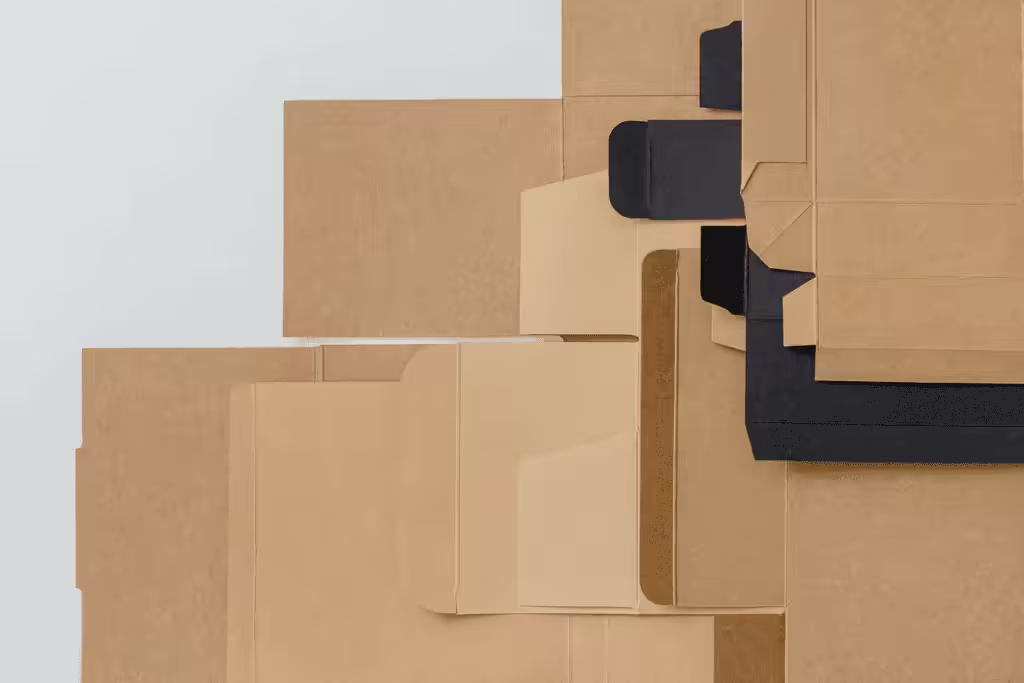
Miscommunicating dimensions is the leading cause of manufacturing errors where products fail to fit inside the finished box. To ensure accurate structural prototyping, always measure your box using internal dimensions, following the strict industry convention: Length (L) × Width (W) × Depth (D).
- Length: The front panel measurement from left to right.
- Width: The side panel measurement from front to back (the depth of the opening).
- Depth: The vertical measurement from the top opening down to the base of the carton.
Premium Surface Finishes and Security Features
To transform standard paperboard into a luxury brand experience, premium packaging utilizes specialized surface treatments. These finishes protect ink layers from scuffing while catching the shopper’s eye on competitive retail shelves.
- Embellishments: Hot foil stamping (gold, silver, or rose gold), blind embossing, and debossing add tangible, tactile premium textures to logos and typography.
- Coatings: Matte lamination for a modern, quiet luxury feel; soft-touch coating for a velvety texture; or spot UV to make specific graphic elements pop with high-gloss contrast.
- Security Features: For high-value goods, integrate security features into your artwork — micro-text printing, holographic foils, tamper-evident tear strips, or UV light-reactive inks.
Price and Scalability Considerations
Don’t neglect the bottom line. While custom boxes are highly cost-effective, your ultimate unit price depends heavily on production efficiency, tooling setup costs, and whether you use offset or digital printing.
Digital printing features near-zero structural setup costs, making it ideal for short-run prototyping, seasonal campaigns, or small business product launches. For bulk and wholesale volumes, traditional offset printing remains the industry standard, as unit costs drop dramatically as your order volume scales up.

The Packaging Cost Pyramid (Lowest to Highest Cost)
To optimize your procurement budget, structure your design choices according to this factory cost hierarchy:
| Priority | Category | Progression (Lowest → Highest Cost) |
|---|---|---|
| 1 | Materials | CCNB (Recycled) $rightarrow$ Natural Kraft $rightarrow$ SBS (Premium Virgin) |
| 2 | Box Style | Reverse Tuck (RTE) $rightarrow$ Straight Tuck $rightarrow$ Lock-Bottom $rightarrow$ Pre-glued Crash-Bottom |
| 3 | Finishes | Aqueous Coating $rightarrow$ Spot UV $rightarrow$ Hot Foil Stamping / Embossing |
Finally, remember that time is money on a fulfillment line. Always design a structure that makes it fast and easy for workers or machines to open the flaps, place the product inside, and seal the box. An intricate, overly complex carton layout might look interesting, but if it bottlenecks your packaging team, the long-term labor costs will quickly outweigh the visual benefits.
Now that we’ve covered materials, thickness, and pricing, let’s move on to the key advantages of carton packaging.
10 Advantages of Carton Packaging
When shoppers search for cardboard packaging, they’re usually looking for what the packaging industry calls folding cartons — lightweight, printable, and eco-friendly containers made from paperboard, distinct from corrugated shipping boxes.
Carton packaging offers superior sustainability, cost efficiency, and branding potential compared to plastic, glass, and metal alternatives. From optimizing your supply chain to ensuring an eye-catching retail presentation, here are the top 10 advantages of integrating folding cartons into your brand strategy.
1. Flat Shipping and Low Transportation Costs
Unlike rigid plastic or glass, cartons can be shipped and stored flat, dramatically reducing warehouse space and lowering transportation costs due to their lightweight nature. They occupy minimal storage before assembly, keeping overhead low.
When fulfillment begins, lightweight paper structures reduce overall freight weight. This cuts down on unnecessary bulk and directly slices your domestic and international shipping costs.

2. High Production Efficiency for Automated Lines
Modern folding cartons are engineered to support rapid, automated manufacturing. Their standardized formats, clean creases, and precise tuck flaps run flawlessly on high-speed fulfillment machinery.
This seamless compatibility ensures considerably higher production efficiency than irregular packaging materials, shortening your lead times and lowering manual labor requirements across the entire process.
3. Remarkable Structural Stiffness and Protection
Stiffness is a critical property of carton packaging, determining how well a carton maintains its shape and resists bulging, especially when holding heavy contents. This structural integrity forms a rigid, protective shield around your product.
Unlike glass bottles or brittle plastic jars, cartons do not shatter, making them safer for factories and consumers. They absorb vibrations and minor collisions during rough transit, keeping contents unscathed.
4. Sustainable Sourcing from Abundant Raw Materials
The production of high-grade paperboard relies on a renewable, fast-growing supply chain of managed timber. This abundance of raw materials keeps wholesale contract pricing highly stable and affordable compared to volatile oil-based plastics.
Brands can confidently source massive volumes without triggering environmental depletion. This sustainable pipeline guarantees that your supply chain remains resilient, scalable, and insulated from resource shortages.
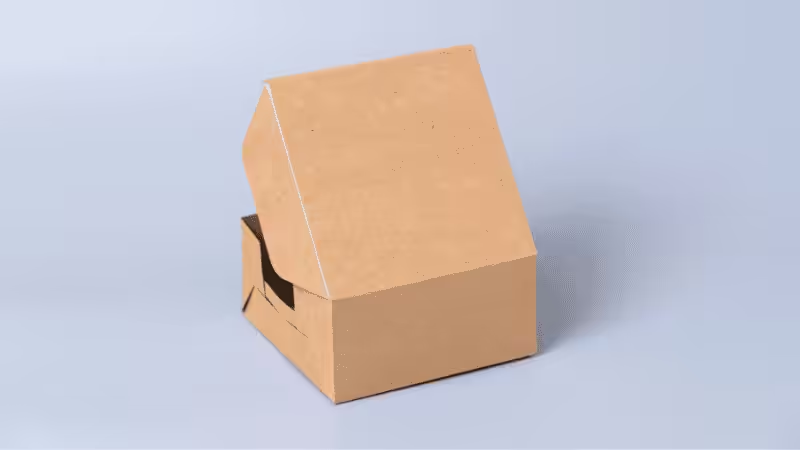
5. Superior Printability for Brand Marketing
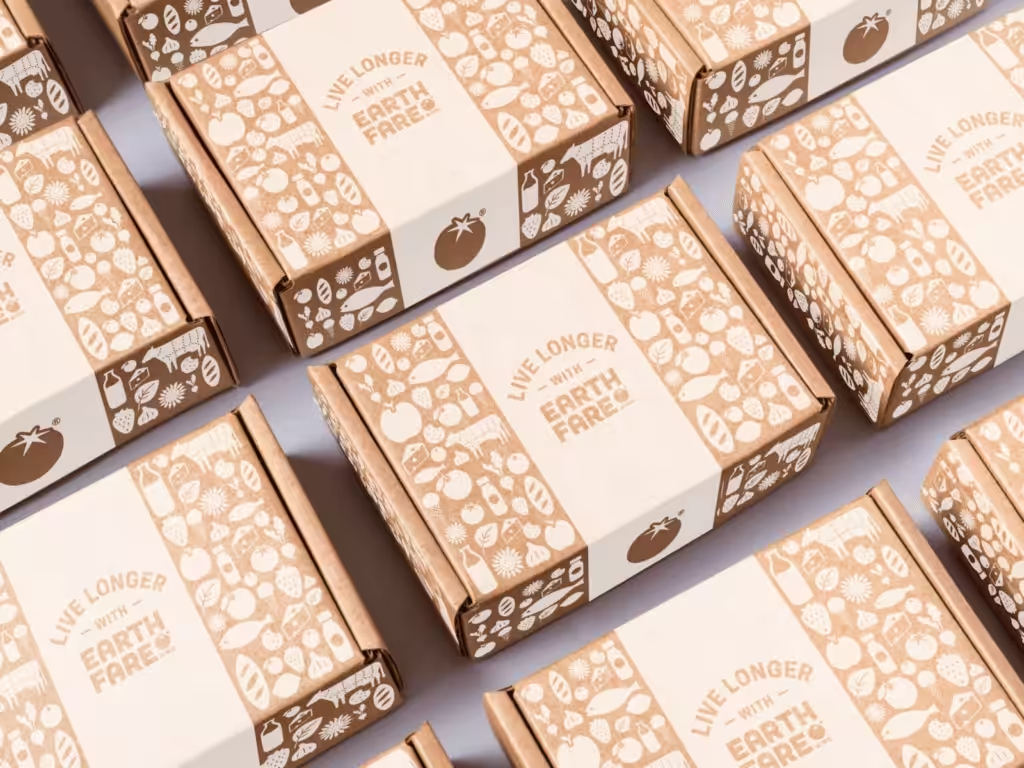
Cartons provide superior printability for branding, making them ideal for high-resolution printing suitable for retail displays. The paperboard substrate absorbs specialized inks beautifully, allowing for razor-sharp text and vibrant color accuracy.
A well-designed carton box serves as a powerful marketing tool, effectively communicating brand identity through texture, color, and structural creativity, which can enhance product appeal and consumer trust. It ensures your brand message commands attention.
6. Extensive Customization Options & Finishes
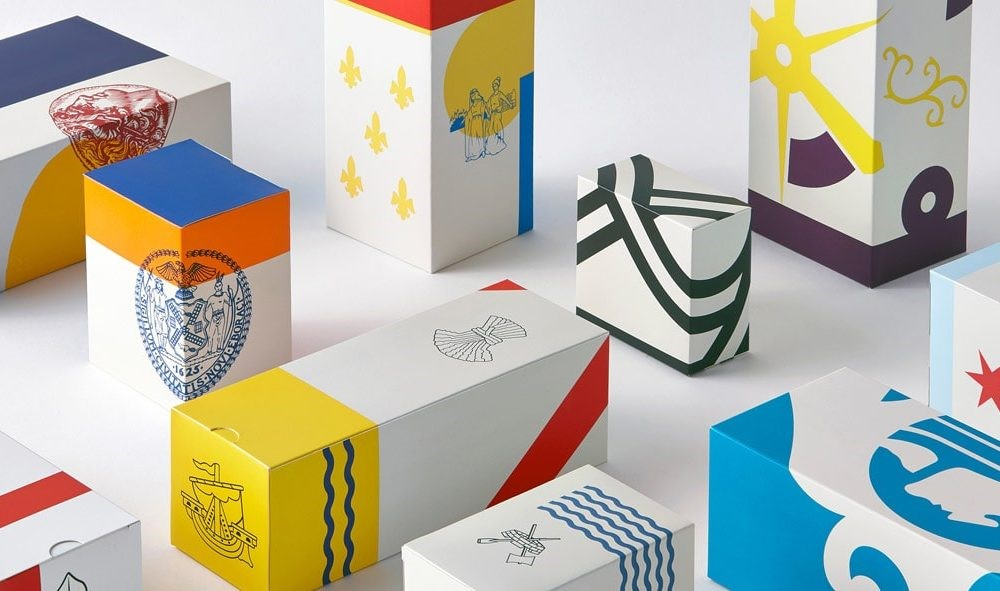
Whether you need a minimalist look or a luxury statement, paperboard handles complex structural modifications flawlessly. Designers can easily add different design elements to execute a unique custom design that fits your exact packaging needs.
Customization options for carton packaging include various finishes such as gloss and matte lamination, which enhance visual appeal and durability while allowing for high-quality printing. Manufacturers can add die-cut windows or custom product cradles with surgical precision.
Note: Unlike corrugated shipping boxes, folding cartons are designed specifically for retail display and brand presentation.
7. Unmatched Shelf Appeal for Retail Settings
In crowded retail settings, your packaging handles the vital job of securing a great first impression. An elegant paper carton provides clean, sharp geometric edges that stack perfectly on grocery or department store shelves.
This structural neatness creates a massive canvas for your artwork, outshining floppy plastic pouches. It delivers the eco-friendly packaging aesthetics that modern shoppers gravitate toward, driving spontaneous point-of-purchase sales.
8. Versatility for Carrying Numerous Goods
Paperboard adapts beautifully to varied industry requirements. On its own, it excels at housing retail dry goods; when treated with water-resistant or grease-resistant barrier coatings, it safely packs fresh produce and frozen foods.
For delicate liquids or semi-fluids, cartons can be paired with interior plastic bags or foil linings. This versatility allows businesses across food, medical, and tech sectors to find the perfect choice of folding carton material within a single family of substrates.
9. Advanced Anti-Counterfeiting Security Features
Protecting your brand reputation on global marketplaces is a modern necessity. Anti-counterfeiting features in folding carton packaging can include holograms, QR codes, tamper-evident seals, and specialty inks.
These integrated security features allow retail staff and consumers to instantly verify product authenticity via smartphone scans, creating a layer of defense for premium electronics, pharmaceuticals, and high-end cosmetics.
10. Exceptional Biodegradability and Circular Recycling
From an environmental standpoint, carton packaging decomposes naturally, while plastic lingers in ecosystems for centuries. Modern innovations include the use of water-based inks and biodegradable coatings, which replace traditional petroleum-based alternatives, emitting fewer volatile organic compounds (VOCs) and making cartons easier to recycle.

Paper is the world’s most successful circular material; the global carton recycling rate is over 90%, playing a significant role in efficient resource management. Utilizing these recyclable materials signals true environmental responsibility, winning over eco-conscious consumers by turning waste into fresh paperboard.
Now that we’ve covered the structural, financial, and sustainable benefits, let’s answer some common questions.
FAQs
Q1: Are folding cartons FDA-approved for direct food and pharmaceutical packaging?
Standard folding cartons are not inherently FDA-approved, but they can be manufactured using FDA-compliant, food-grade paperboard and virgin fibers. For direct contact with food or medicine, suppliers apply specialized food-safe barrier coatings that resist grease and moisture. To ensure full legal compliance, always verify that your packaging partner uses certified toxin-free, water-based or vegetable-based inks.
Q2: Can folding cartons include child-resistant (CR) safety features for cannabis or medicine?
Yes, folding cartons can be engineered with certified child-resistant lock mechanisms to meet strict industry safety regulations. These designs usually require a dual-action motion, such as pressing a hidden release tab while simultaneously pulling a sliding tray. This makes them ideal for the cannabis, vaping, and pharmaceutical sectors where legal compliance is mandatory.
Q3: Can I request a physical structural sample or 3D prototype before full production?
Yes, reputable manufacturers provide physical unprinted structural samples (white samples) and digital 3D prototypes before bulk printing begins. The physical sample allows you to test the actual paperboard stiffness, dimensions, and tuck flap fit with your real product. This critical prototyping phase eliminates costly design errors and guarantees a flawless final production run.
Q4: How do I start creating custom carton packaging tailored to my specific industry standards?
The best way to start is by partnering with a reliable custom manufacturer who offers end-to-end structural design and prototyping services. You simply provide your product dimensions, required industry regulations, and branding goals to receive expert material recommendations. Ready to elevate your retail presentation? Explore our custom packaging services and request a free structural consultation today.
Conclusion
The dominance of carton packaging in global retail is no accident. Integrating folding cartons into your supply chain does more than protect your product — it optimizes operational efficiency, lowers shipping costs, and elevates your brand’s environmental legacy.
As market trends shift permanently toward sustainability, a well-engineered paperboard structure transforms standard packaging into a high-converting marketing engine. The right carton format gives you a distinct edge: it meets strict industry standards while commanding attention on retail shelves.
Now that you’ve explored the types, materials, and benefits of folding cartons, you’re ready to make an informed decision for your product packaging.
Personalize Your Carton Boxes with Packoi Now!
Packoi has years of experience packaging for both small enterprises and Fortune 500 corporations. No matter if it is folding cartons, paperboard boxes, custom packaging, or rigid boxes, there are different product packaging options. You can choose the packaging material of your own choice, from paperboard sheets and recycled newsprint to kraft paper and SBS paperboard.
Contact us immediately for a free estimate on your packaging project. We’ll put you in touch with a live customer service agent who can answer any queries about your folding carton packaging that you may have.