Whether you’re a photographer, designer, or business owner, understanding the nuances of each paper finish is essential. In this guide, we’ll break down the pros and cons of matte vs. glossy surfaces, exploring their visual and tactile differences so you can balance aesthetic appeal with practical durability.
Let’s explore which surface will bring your vision to life and empower you to make the best decision for your branding needs.
Understanding Paper Types
When it comes to choosing the right paper for your printing, it is important to understand the types available. Glossy prints and matte prints have distinct characteristics and applications.
The section explores the definitions, production processes, and typical uses of both glossy print papers and matte papers. Let us dive in and find out more about glossy vs. matte prints.
Glossy Paper: High-Impact Visuals and Vibrant Shine
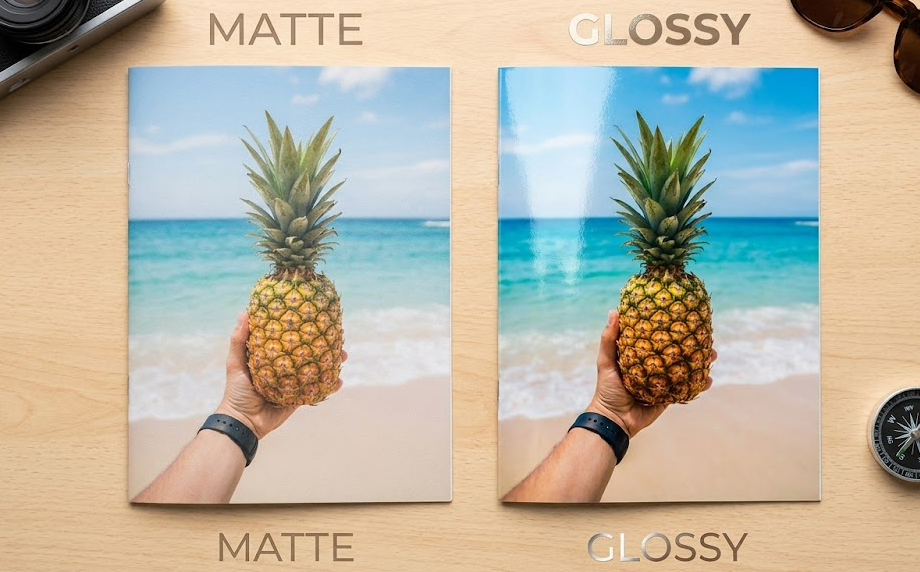
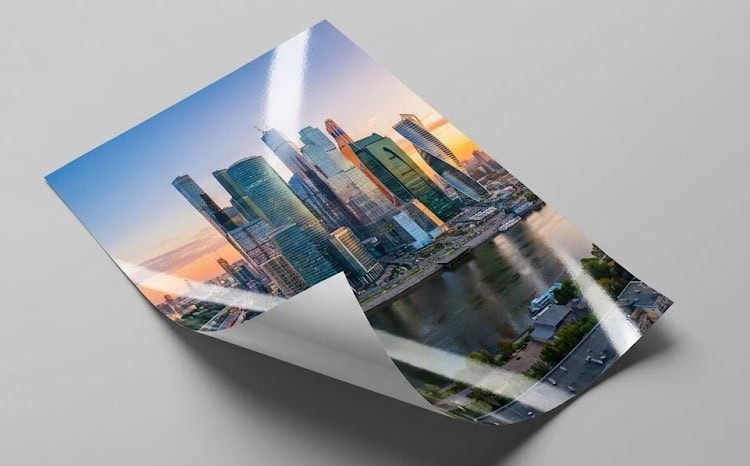
Glossy print paper is defined by its smooth, shiny, and reflective surface. It is the go-to choice when your goal is to create high-impact visuals that demand attention. By using a specialized reflective finish, this paper type ensures that bright colors pop and bold designs shine with unparalleled clarity.
What Makes It Glow?
The secret behind its brilliance lies in the production process:
- The Coating: Glossy paper is typically treated with a reflective coating (often resin-based), which gives it that signature high-sheen look.
- Ink Efficiency: The coating prevents ink from soaking into the paper fibers, so it uses less ink while achieving deeper color saturation.
- Versatility: Depending on the project, you can choose from various levels of glossiness—from subtle semi-gloss to high-luster finishes—to make your artwork truly eye-catching.
Best Applications for Glossy Finishes
Glossy paper is the gold standard for projects where a polished, professional look is non-negotiable. Its ability to enhance vibrancy and color depth makes it ideal for:
- Photography: Producing high-definition photo prints and professional photo albums.
- Marketing & Promotional Materials: Creating premium marketing materials, brochures, and promotional materials that stand out in a crowded market.
- Commercial Printing: Delivering high-quality magazine prints and art reproductions where every detail matters.
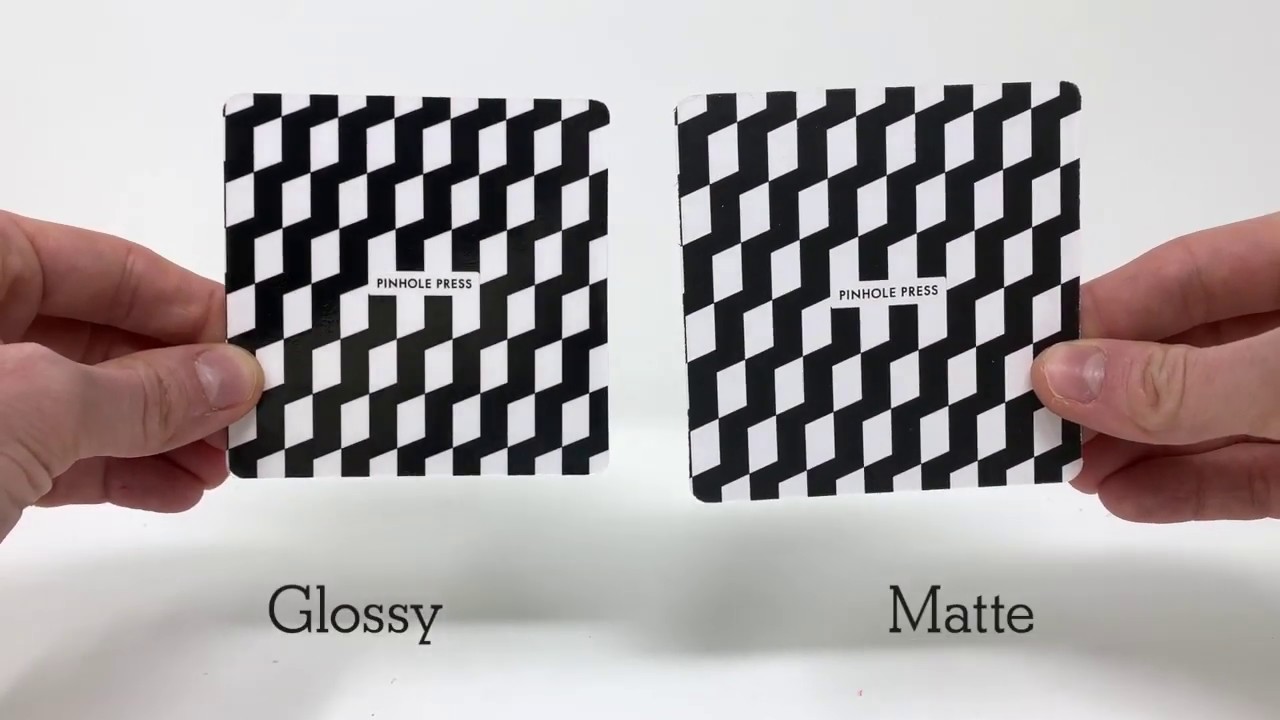
Matte Paper: Subdued Elegance and Classic Texture
If glossy is about high energy, matte is about understated sophistication. Characterized by a non-reflective and textured surface, it offers an elegant alternative for those who prefer a minimalist aesthetic. Unlike the high shine of its counterpart, a perfect matte photo finish provides a soft, glare-free look that feels premium to the touch.

The Science of Softness
Why does matte paper look so different? It all comes down to how it interacts with light:
- Light Absorption: During production, an opaque chemical spray or coating is applied, ensuring the surface absorbs light instead of reflecting it.
- The “Uncoated” Feel: Though technically coated, matte paper mimics the feel of high-end uncoated stock — natural, organic, and tactually rich.
- No More Glare: Because the matte coating absorbs light, you won’t have to deal with a shiny surface that often distracts the viewer or obscures details under bright lights and glass frames.
Where Matte Paper Truly Shines
While it lacks a reflective sheen, matte paper is the superior choice for specific high-end applications:
- Black-and-White Images: It is the industry standard for black-and-white photos and fine art reproductions, as it adds a classic, timeless depth that glossy paper can’t replicate.
- Text-Heavy Documents: Because the lack of glare reduces eye strain, it is the go-to for books, manuals, and reports where readability is paramount.
- Framed Art: Matte paper is ideal for framing since it eliminates the double-reflection effect, keeping the focus entirely on your artwork.
Pros and Cons of Glossy Paper
Glossy paper is a type of paper that has a smooth and shiny finish, which makes it a popular choice for a variety of applications. Here are some of the pros and cons of using glossy paper:
1. The Advantages of Choosing Glossy Paper
Glossy photo prints are the premier choice for projects requiring a high-energy, attractive look. By choosing a glossy finish, you ensure your vibrant colors and intricate details are front and center, significantly boosting the overall visual appeal.
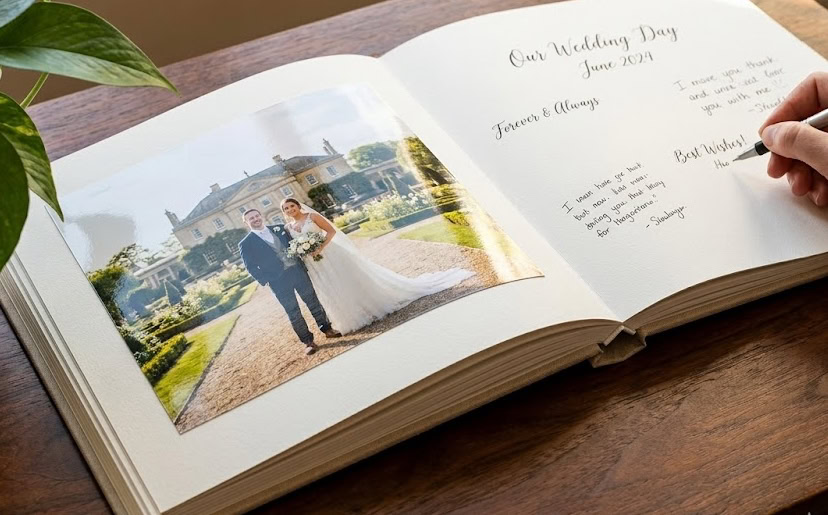
Below are the key benefits of using glossy photo paper:
- Vibrant Color and Detail Enhancement: The smooth, reflective surface works by enhancing the colors and saturating pigments, resulting in exceptionally rich tones that make your graphics more visually striking than standard matte options.
- Polished Professional Appearance: Glossy finishes add a layer of sophistication that elevates your branding, making it ideal for high-definition wedding photos, premium brochures, and luxury marketing materials.
- Enhanced Sharpness and Contrast: Featuring a high contrast ratio, glossy paper delivers deeper blacks and brighter whites — bringing a three-dimensional depth and richness to every design.
- Durability and Scratch Resistance: The dense resin-based coating gives glossy finishes a slight edge in scratch resistance and provides superior protection against moisture and fading over time.
- Long-Lasting Print Quality: Your prints are unlikely to yellow or discolor, ensuring that high-impact visuals and marketing assets retain their original appearance for years.
???? Note for Businesses: While the dense glossy coating provides better resistance to scratches, the surface is prone to fingerprints and smudges. If your materials require frequent handling, regular cleaning may be needed to maintain that pristine, mirror-like shine.
2. The Potential Drawbacks of Glossy Paper
While glossy finishes provide incredible visual punch, they come with certain practical limitations that businesses should consider before printing.
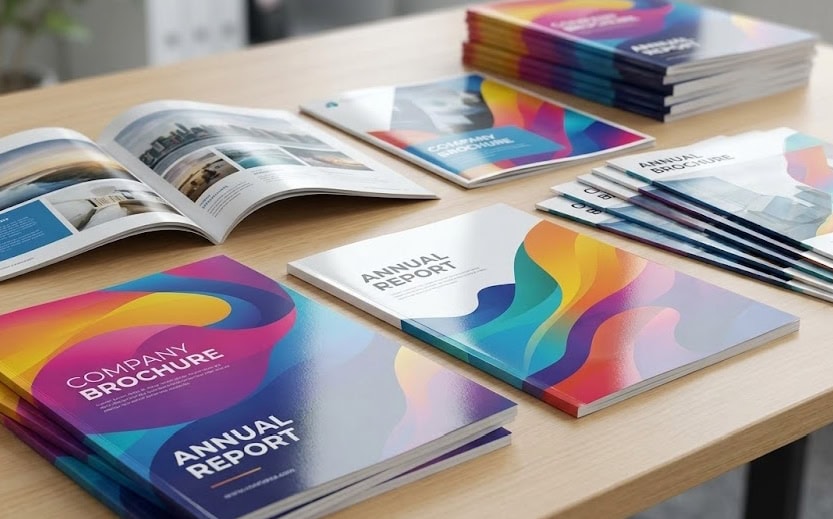
Below are the primary challenges of using glossy paper:
- Susceptibility to Fingerprints and Smudges: The smooth surface is highly prone to oil marks and fingerprints. Unwanted marks can quickly detract from the print’s professional appearance, requiring frequent handling care to maintain a pristine look.
- Intense Glare Under Direct Light: The highly reflective coating creates glare and reflections under direct light, making it difficult to view details from certain angles. This can be a major issue for wall-mounted displays or environments with heavy overhead lighting.
- Higher Production Costs: Due to the specialized coating and resin-based layers, you will likely incur higher costs per sheet. For large-scale marketing campaigns, these costs can add up quickly compared to matte alternatives.
- Perception of Thickness (Same Weight): Even at the same weight, glossy finishes can feel thinner and more delicate due to their slick surface. For example, a 100 lb. gloss brochure may feel less substantial in hand than a 100 lb. matte version of the same piece—something to consider if a tactile “sturdy” impression matters to your brand.
- Limited Text Readability: While perfect for high-impact photos, the reflective nature makes glossy paper less than ideal for text-heavy documents. If your project involves extensive reading, the glare can cause eye strain.
???? Pro Tip on Durability: Glossy finishes have a slight edge in scratch resistance due to their denser coating, providing a tougher shield for the ink underneath. However, this extra protection is a trade-off for the increased maintenance required to keep the surface free of visible smudges.
Pros and Cons of Matte Paper

Just like glossy photos and prints, matte photo papers also have some advantages and disadvantages. In this section, we will continue with the matte photo debate by outlining the advantages and disadvantages of matte finishes.
1. The Advantages of Choosing Matte Paper
Matte papers is the preferred choice for those seeking a classic, professional aesthetic without the distraction of light interference.

Below are the key benefits of using matte photo prints:
- Exceptional Anti-Glare Properties: One of the primary benefits is its non-reflective surface. This effectively reduces glare under different lighting conditions, making it far easier to view images from any angle without annoying reflections.
- Superior Readability and Eye Comfort: Matte-coated paper is ideal for text-heavy documents. By eliminating high-gloss distractions, it significantly reduces eye strain, making it perfect for long-form reading.
- Highly Resistant to Fingerprints: Unlike the glossy alternative, the textured matte surface is much more resistant to fingerprints and smudges. This makes prints easier to maintain, keeping them looking pristine even after repeated touching.
- Professional Handling Feel: The natural grip of the textured surface makes it safer for handling large prints. It is less prone to slipping and shows less wear and tear over time, offering a more durable feel for items in constant use.
- Artistic Versatility: Matte is the industry gold standard for black-and-white photos and fine art prints, where a subdued, timeless aesthetic is required to maintain focus on the artwork itself.
???? Note for Businesses: Matte finishes are recommended for menus in high-end restaurants — they provide a sophisticated look and remain easy to read in low-light settings. They are also the top choice for corporate brochures and manuals due to their professional appearance under bright office lights.
2. The Potential Drawbacks of Matte Paper
While matte paper excels in readability and glare reduction, it comes with limitations that may not suit every project — especially when visual “pop” is the priority.
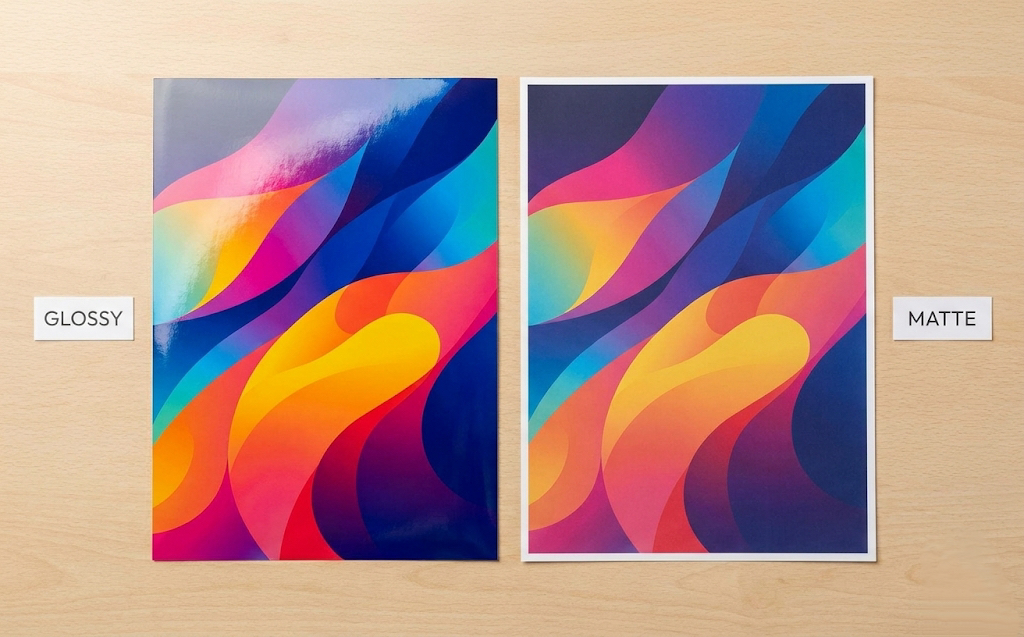
Below are the primary challenges of using matte paper:
- Subdued Color Depth: Matte paper does not exhibit the same level of color vibrancy as glossy paper. The lack of a reflective surface results in slightly muted colors, which may feel less “alive” for high-saturation graphics.
- Softening of Fine Details: The textured surface can slightly diffuse the image, meaning some fine details and textures may not appear as razor-sharp as they would on a slick glossy finish.
- Ink Absorption (Color Dullness): Because the paper fibers absorb more ink, prints may lose some brilliance compared to glossy alternatives. For projects where vibrant colors and intense hues are the main selling point, matte can feel too flat.
???? Pro Tip: If your project requires both rich color and a glare-free finish, consider a semi-gloss or satin paper — a middle ground that offers enhanced color depth without the high shine.
Glossy vs. Matte Paper: Quick Comparison at a Glance
To help you make the best choice for your printing project, here is a breakdown of the key differences between these two popular paper finishes:
| Feature | Glossy Paper | Matte Paper |
|---|---|---|
| Visual Appearance | Smooth, shiny, and highly reflective | Non-reflective, flat, and textured |
| Color Impact | Vibrant colors with deep blacks and high contrast | Muted, classic tones with timeless depth |
| Glare & Reflection | Creates glare under direct light or glass | Anti-glare; easy to view from any angle |
| Fingerprint Resistance | Highly prone to smudges; requires frequent cleaning | Resistant to fingerprints; low maintenance |
| Tactile Feel | Slick and smooth; may feel thinner in hand | Textured and organic; feels more substantial |
| Readability | Best for photos; can cause eye strain for text | Ideal for text-heavy books and manuals |
| Durability | Higher scratch resistance; prone to oil marks | Higher resistance to handling wear; holds up well |
| Best Use Cases | Photo albums, high-definition brochures, flyers | Black-and-white photos, menus, art prints, corporate reports |
FAQs
Q1. Which paper weight (GSM) should I choose for glossy vs. matte finishes?
For professional cards or covers, choose 250-350 GSM, while brochures work best at 130-170 GSM. Glossy paper can feel thinner due to its slick surface, so a higher weight is often needed to avoid a “cheap” feel. Matte paper naturally feels more substantial and sturdier in hand, even at the same weight.
Q2. Can I write on glossy paper, or is matte better for personalized notes?
Matte paper is the superior choice for thank-you cards and invitations because its porous surface absorbs ink quickly without smearing. Glossy paper has a non-absorbent resin coating that causes pen ink to bead up or smudge. If your project requires signatures, a matte finish ensures your notes stay crisp and professional.
Q3. What are the best use cases for specific commercial printing projects?
We recommend glossy finishes for visual-heavy projects like product catalogs and flyers where vibrant color “pop” is the priority. For business cards, high-end menus, or corporate reports, matte finishes provide a more sophisticated, glare-free aesthetic. Your choice depends on emphasizing high-energy shine or understated elegance.
Q4. Are there middle-ground options for premium custom packaging?
Yes. Satin and silk finishes offer a perfect balance, providing a soft sheen that enhances colors without the intense glare of full gloss. These hybrid options are ideal for luxury lookbooks and premium custom packaging. At Packoi, we specialize in these finishes to ensure your custom boxes achieve a high-end, sophisticated look.
Conclusion: How to Choose Between Glossy and Matte Paper
Choosing between glossy and matte paper ultimately depends on the story you want your brand to tell. There is no “superior” choice — only the right paper for your specific needs.
- Choose Glossy if: You want vibrant colors to pop, images to look high-definition, and marketing materials to have a high-energy, polished shine. It’s the gold standard for photo albums and visual-heavy flyers.
- Choose Matte if: You prioritize readability, a sophisticated minimalist aesthetic, and a tactile feel that resists fingerprints. It’s the perfect choice for black-and-white photos, high-end menus, and text-heavy corporate reports.
Still undecided? At Packoi, we recommend testing both finishes with your specific artwork to see how light and texture interact with your design.
Discover the Perfect Printing Paper for Your Business With Packoi
Looking for a reliable partner for your packaging, printing, and branded materials? At Packoi, we help businesses choose the right paper finish for their specific goals.
Contact us to discuss your project and tell us more about your needs.