Businesses face a lot of costs, starting from product development to market research and advertising. One of these costs is packaging. The importance of packaging is such that it has become an enormous industry in itself.
Being a business owner or a major stakeholder, you need to be familiar with the different types of packaging and their respective costs to make an informed decision for your business. Below, we discuss the ins and outs of the packaging cost for businesses.
Factors Affecting Packaging Costs
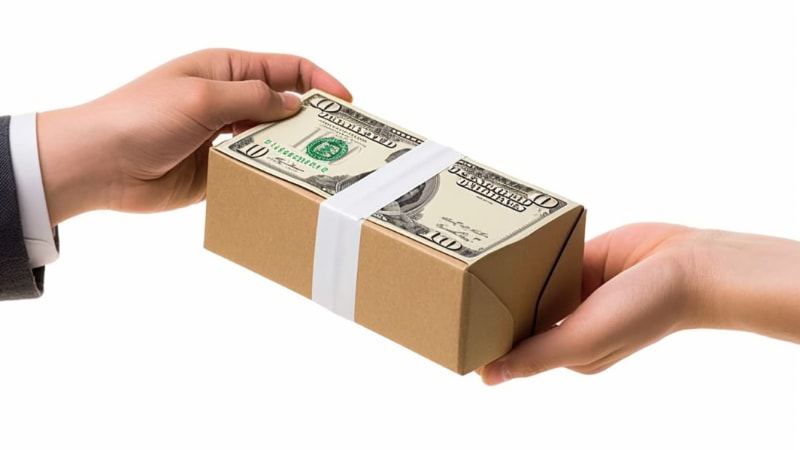
Packaging cost is the total amount spent on getting a product ready for shipping and sale. This includes a variety of expenses, such as:
- Creating, designing, and producing the packaging itself.
- Purchasing raw materials.
- Paying for the labor involved in the packaging process.
- Shipping the packaging materials to your facility.
- Additional processing, such as custom printing or embossing.
Generally, there are many factors that affect the cost of packaging. These factors may impact everything from production costs to shipping costs. Here are some of them:
Type of Material
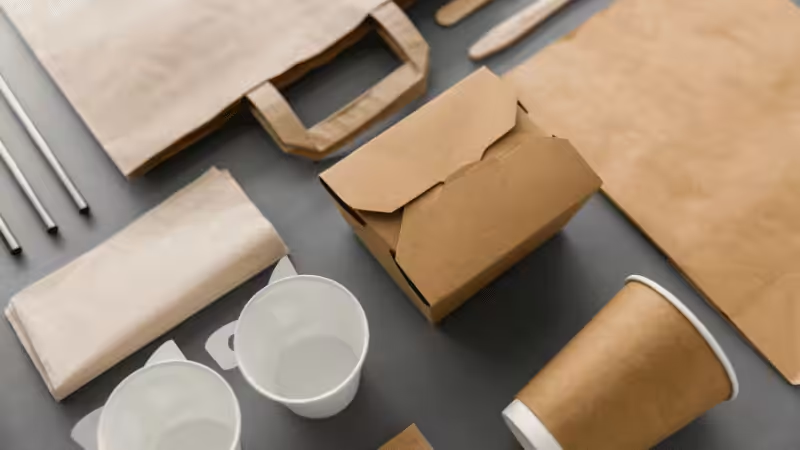
The material used to create product packaging is usually the biggest factor in determining its cost. For example, plastic packaging can be expensive due to its durability, while paper-based packaging tends to be more affordable. Similarly, materials like glass and metal can also be more costly.
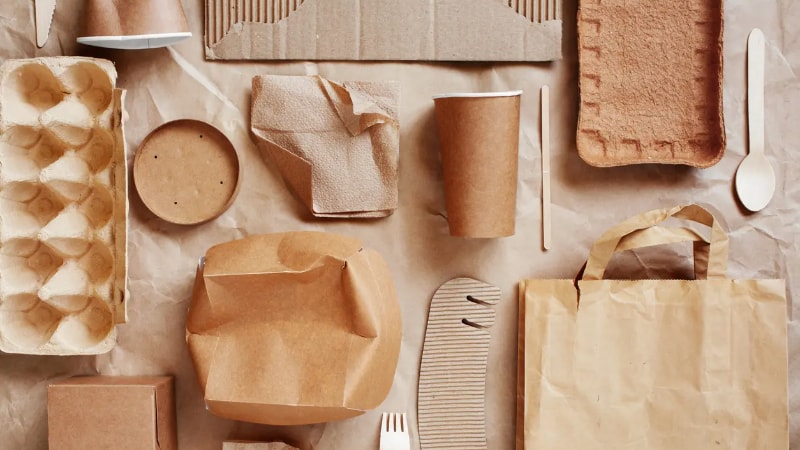
Nowadays, more and more businesses are turning to sustainable packaging since it gives them a place in the consumers’ good books. In a McKinsey survey, over 60% of respondents said that they can pay more for a product with sustainable packaging.
Due to this, businesses have begun using alternative materials such as bamboo, bioplastics, and recycled paper. However, these materials are usually more expensive than their traditional counterparts. A plus point for using biodegradable packaging materials is that they incur lower shipping costs due to lower weight.
Sometimes, it’s just not possible to compromise on the type of packaging material due to the product’s nature. For example, fragile items would require sturdier packaging to avoid damage during transportation. In such cases, the cost of packaging material becomes a necessary expense that businesses have to bear.
That’s why you should choose materials based on your product’s needs — not just focus on the price.
Quantity and Economies of Scale
As a rule of thumb, the more packaging material you need, the higher your total expenditure will be. If you’re a big business that sells thousands of units, then it makes sense to purchase packaging material in bulk. The process is called economies of scale, where the cost per unit of packaging material decreases as the quantity increases.
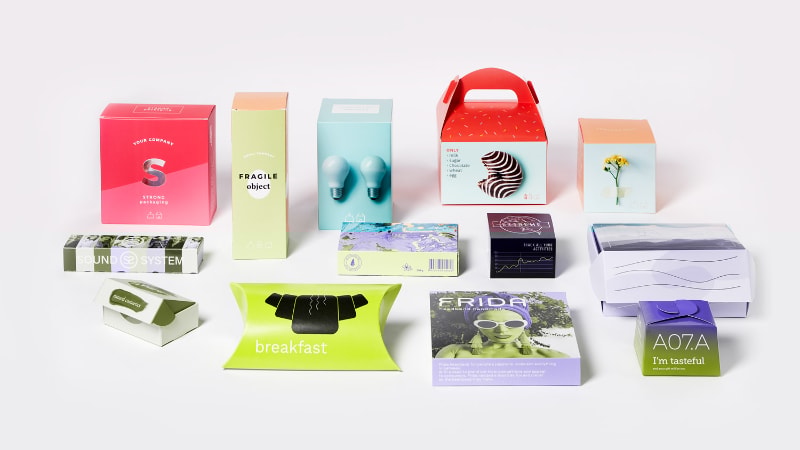
Basically, packaging manufacturers offer pricing discounts on bulk orders. When you buy in bulk, you have the option to negotiate the rates and get a better deal. Plus, buying in bulk also helps reduce transportation costs as more materials can be shipped at once.
However, bulk discounts come with trade-offs. Large orders need storage space and upfront capital. Order too many and you risk unused boxes; order too few and you miss out on savings. The key is matching your quantity to realistic sales forecasts — including potential returns.
Customization, Design, and Printing
The level of customization and design is also a factor that affects the cost of packaging. Customization could include unique designs, shapes, and sizes for your product’s packaging.
While this allows businesses to stand out from their competition, it also adds to the overall product cost. Also, intricate designs may require special machinery or labor, further increasing the cost.
Sometimes, custom packaging has less to do with what’s inside the box and more to do with creating a unique unboxing experience for the customer. For example, you may want the packaging material to be a specific shape or size. Perfume packaging boxes are a good example here. They usually have a particular shape and size to fit the bottle perfectly.
Since custom packaging costs are high in the market, you need to seriously ask yourself: Does your business really need it? If your market highly values brand image and presentation, unique packaging can increase perceived value and customer satisfaction — helping you recover the cost. If your product is practical and price-sensitive, simple packaging saves money without compromising functionality.
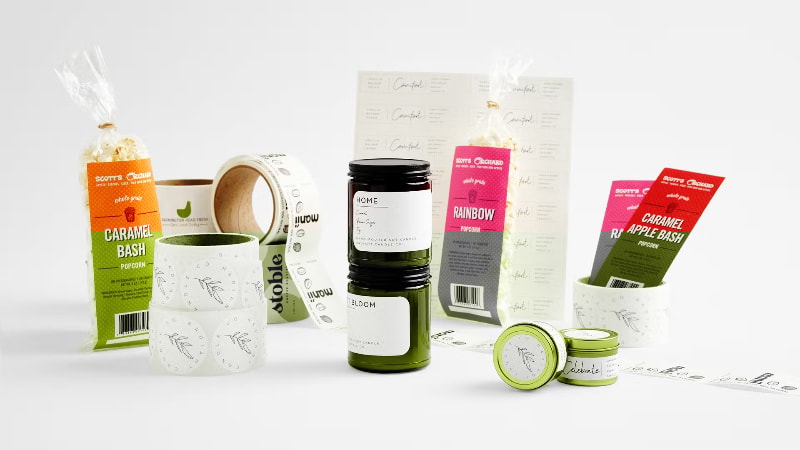
Quick tip: If you’re on a tight budget, consider using branded labels, tape, or stickers for your packaging. These simple yet effective additions can make your packaging more memorable at a much lower cost.
Printing technology also affects cost. Digital printing is ideal for small runs and intricate designs, but it’s less cost-effective for large quantities. Offset printing, in contrast, is better suited for high-volume orders and simpler designs.
If you’re a small business with limited resources, consider starting with simpler designs — a logo-only approach is much cheaper than full-color printing with unique shapes and materials.
Shipping and Handling
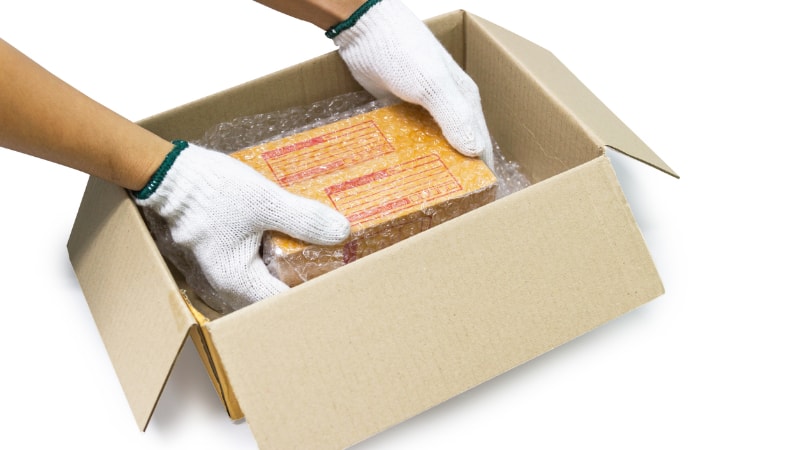
As we’ve touched upon, shipping also impacts the packaging cost. The higher the weight and the larger the size of your packaging, the more expensive it is to ship. Shipping carriers often use dimensional weight or volumetric weight when calculating shipping costs. So, a larger volume costs you more.
The shipping method also comes into play. Standard ground shipping is typically the cheapest option, while expedited and international shipping can significantly increase costs.
How far the manufacturer is from you also affects shipping costs. If the manufacturing facility is in another country, you’ll pay international shipping fees and customs duties. Local manufacturers are closer, so transportation costs are lower.
To reduce shipping costs, it’s best to go with corrugated boxes. They are lightweight yet sturdy and take up less space. It also helps to choose a manufacturer close to your location to lower transportation expenses.
Components of Packaging Costs
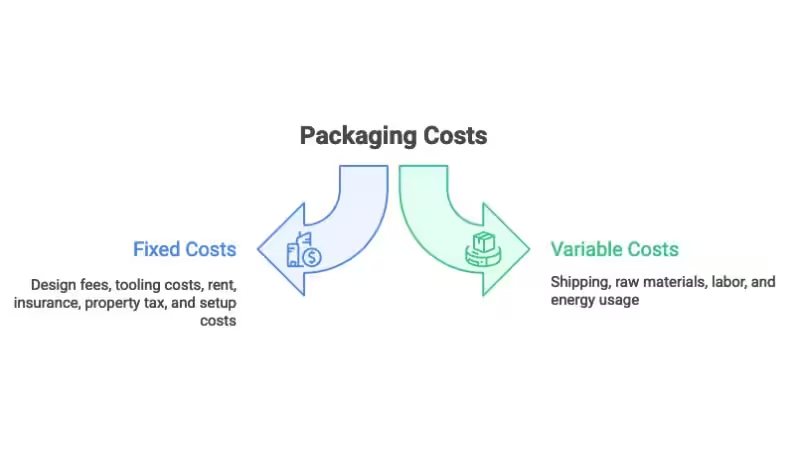
When it comes to packaging, there are two types of costs: variable and fixed costs. They differ in their relationship to production volume.
Fixed Costs
Fixed costs are the expenses that remain constant regardless of your packaging volume. These include:
- Design and tooling fees
- Mold-making expenses
- Rent for storage or facilities
- Insurance and property tax
- Machine setup costs
Typically, these costs are independent of the specific business activities of a business. You could be an e-commerce seller of essential oils or a retail store selling clothing. Both types of businesses normally pay the same fixed costs for packaging.
Variable Costs
Unlike fixed costs, variable costs change depending on your production volume. Examples include:
- Raw materials
- Labor
- Energy usage
- Shipping and handling fees
You should have a rough idea of how many units you’ll need to package for your business. It will help you estimate variable costs and determine if outsourcing packaging is cost-effective.

The Relationship Between Fixed and Variable Costs
The relationship between fixed and variable costs helps you gauge your business packaging costs. You know that fixed costs will stay the same irrespective of the production volume, but variable costs will increase. If you plan to factor the packaging cost into the total product pricing, you’ll have to base this increment on the variable cost.
Suppose your product costs $50. Of this amount, $3 is for packaging, and of this total, $1.5 is variable, and $1.5 is fixed. However, your product packaging supplier increases the shipping costs by $1. Now, the packaging costs go from $3 to $4, which translates to a $1 increase in the total product cost.
The example illustrates that even if fixed costs remain the same, an increase in variable costs will increase the overall packaging cost. You may want to now charge $51 for the product, up from $50, to make up for the extra $1 you’re spending on packaging.
3 Steps to Calculate Packaging Costs
You must calculate packaging costs to decide how much to price your product and determine the profitability of your business. The following steps will help you calculate packaging costs.
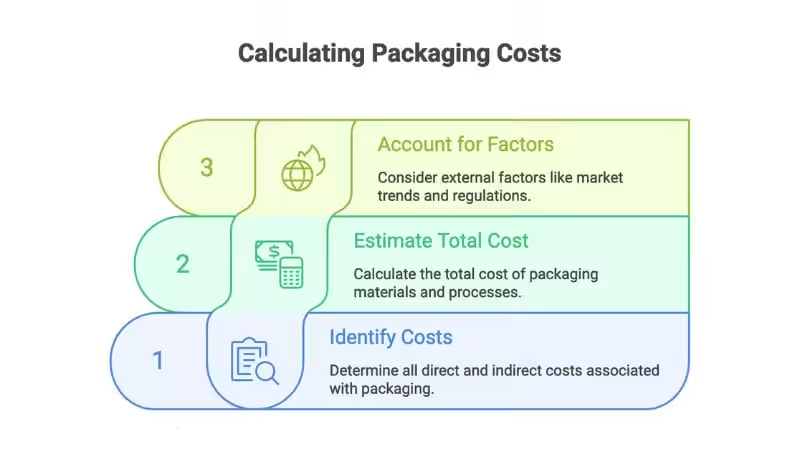
Step 1: Identify Costs
Start by identifying the fixed and variable costs. You can refer to your packaging supplier invoice to see the total cost of packaging materials.
Step 2: Estimate Total Packaging Cost
Next, estimate the total packaging cost by multiplying the unit price of the materials by the number of units you need. Let’s say, in the first step, you determined that your total packaging cost was $3 per product. If you need 1000 units, your total packaging cost will be $3000.
Step 3: Account for External Factors
Add external factors to your packaging costs, such as handling fees, customs duties, and any other applicable taxes or charges. If you ship packaging from overseas, you’ll also have to pay to transport it from the point of origin to your business location.
You can use a packaging cost calculator to streamline these calculations. Order.co has a free calculator that accounts for both fixed and variable costs. Alternatively, use a self-made spreadsheet based on past relationships with suppliers and cost fluctuations.
5 Strategies for Reducing Packaging Costs
Every business wants to cut costs wherever possible. Here are some ways to lower your overall packaging costs.
1. Optimize Packaging Size and Weight
We’ve explained that the exact specifications of your product packaging can have an impact on costs. You can tweak the size and weight of packaging materials to lower their pricing.
For example, instead of buying bigger boxes for your products, you can find ways to optimize the items’ dimensions that will fit into a smaller box. You’ll not only save on the cost of the packaging material itself but also reduce shipping costs.
As for the weight, you could use lighter materials like bubble wrap instead of heavier options like Styrofoam peanuts. You may also switch to lightweight alternatives for your packaging materials, such as poly mailers instead of cardboard boxes.
2. Streamline Shipping and Handling Processes
A significant factor in packaging cost reduction is optimized shipping and handling. First, you can opt for standardized packaging sizes instead of custom sizes for your products.

You can further work with logistics partners to select the best shipping routes and schedules that minimize costs. Automation tools for shipping also help reduce the time and labor required for handling packages, thereby reducing costs.
3. Minimize Design and Printing Costs
If you opt for custom display boxes with extensive design and printing, your packaging costs will increase. You can lower this expenditure by using minimal designs.
Similarly, if you use dedicated packaging design services, the total costs will increase. Instead, use pre-built templates or free designs for cost reduction. You can go a step further and print your packaging in bulk to get discounted prices from printing companies.
4. Use Sustainable Packaging
Many businesses are turning to eco-friendly materials like recycled paper or biodegradable plastics. While upfront costs may be similar or slightly higher, these options often save money in the long run through lower shipping weights, less waste, and fewer compliance risks.
5. Partner with the Right Supplier
Choose a supplier that fits your industry and has a proven track record. This helps you secure better pricing, bulk discounts, higher quality, and a smoother supply chain. Lowering costs shouldn’t come at the expense of quality. Find the right balance between price and quality for the best packaging solution for your business.
Maximizing the Value of Product Packaging
Packaging is more than just a means of protecting and containing products; it also serves as a powerful marketing tool. Here’s how:
Enhance the Customer Experience
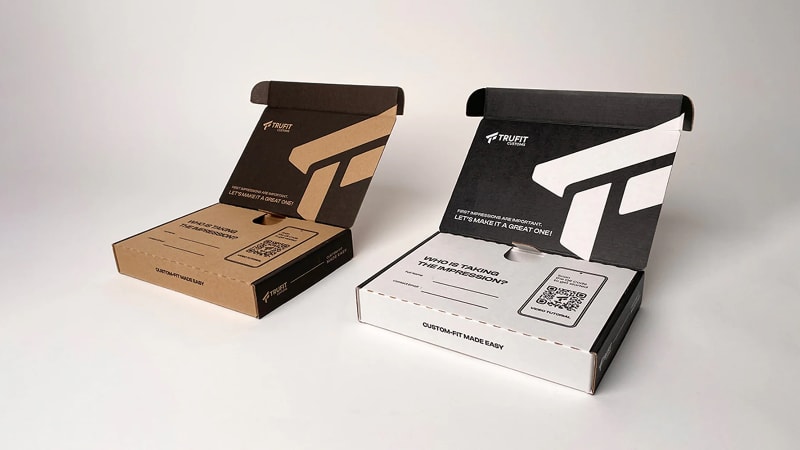
Customer experience begins with the product landing in the consumer’s hands. What’s the first thing they notice? The packaging.
Well-branded and well-designed packaging will help improve brand recall. It further improves customer satisfaction and leads to higher retention and loyalty. You can also use eco-friendly materials to appeal to environmentally conscious customers.
Highlight Product Features and Benefits
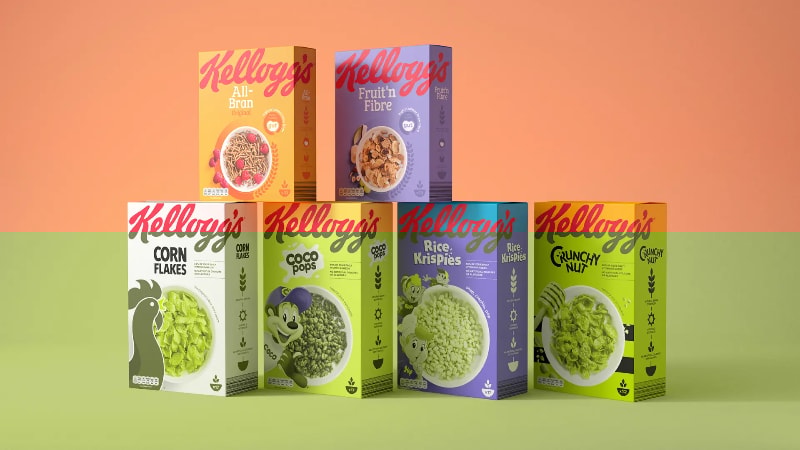
Product packaging also provides a peek into your product’s features. For example, Dae, a hair care brand, highlights its products’ premium ingredients on its packaging. Similarly, many food and nutrition-related brands also use food packaging to show that their product is non-GMO or gluten-free. Kellogg’s is a good example.
Besides adding value to the product, this also helps attract customers looking for these particular features. If your product has a unique set-up mechanism, you can also print instructions on the packaging material itself. The table shows some more options for using product packaging to its full potential.
These additions to product packaging help increase sales. They also make your brand more recognizable. For example, we can immediately identify the Nutella brand from its iconic glass jar with red and white labels.
| Feature/Benefit Printed on Packaging | Impact |
|---|---|
| Premium Ingredients | Attracts customers seeking quality products and builds trust in the brand |
| Awards or Certifications | Builds credibility and adds prestige to the product |
| Usage Instructions | Enhances user experience by making the product easy to use |
| Special Offers or Discounts (e.g., QR codes) | Drives immediate purchases and increases customer engagement through digital interactions |
| Iconic Visual Design | Improves brand recognition and loyalty |
| Nutritional Information | Increases transparency and fosters trust |
Measuring and Analyzing Packaging Performance
How do you know that you’ve perfected product packaging? You’ll need to measure its performance.
Track Packaging Costs and Metrics
Packaging costs tend to be dynamic, so it’s important to measure them regularly. Select appropriate key performance indicators (KPIs) like:
- Total Costs: The actual cost of the packaging material.
- Shipping Costs: The amount you spend to transport the packaging material to your warehouse or production facility.
- Storage Costs: The cost of storing the packaging material.
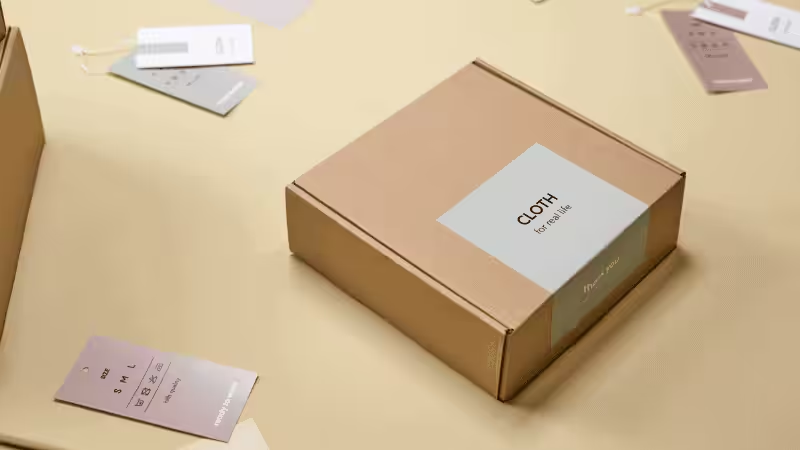
Another important metric is customer satisfaction. It’s a measure of how well the product packaging fits your customer’s needs and expectations. You could measure this through surveys or by tracking returns due to packaging issues.
Your financial accounting team can share their insights for this analysis. Work with them to see how your business’s cash flow has changed after making changes to the packaging material. If the numbers have improved, the packaging is doing the trick.
Analyze Packaging Data and Trends
When measuring packaging performance, don’t simply look at raw data. Instead, analyze trends to get a clearer picture of how your packaging is performing over time. You should also look at popular packaging trends in your industry to determine how you stack up against the competition.
Take notes from popular studies and industry reports. For example, Bain & Company releases an annual Paper & Packaging Report. McKinsey also releases paper and packaging reports that you can learn from. Use these resources to understand how you can further improve product performance with packaging materials.
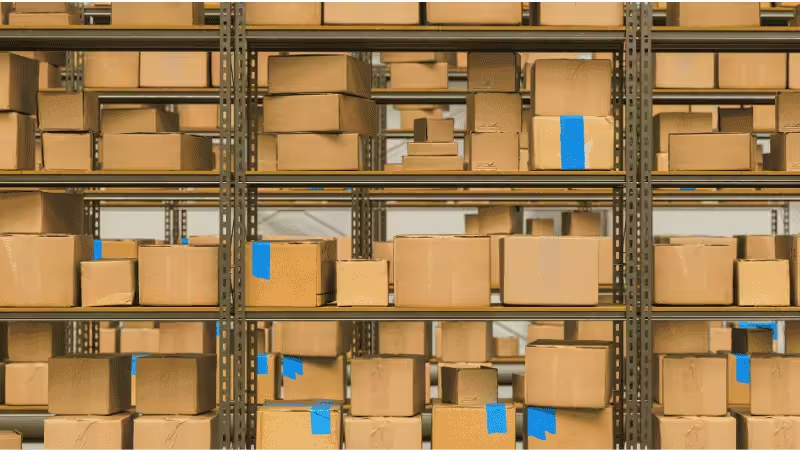
Besides industry data, you can also monitor in-house packaging performance. Let’s say you use customer surveys to determine how satisfied consumers are with your products’ packaging. You can gain a lot of insights from this data.
For example, use data analytics tools like Tableau or Power BI to visualize trends and patterns in your packaging. Suppose you find that customers are happy with the size and material you’ve used, but they find the graphics to be dull. You can tweak your packaging design to make it more visually appealing.
Also, keep an eye on customer reviews. To monitor customer sentiment about your packaging, you can:
- Use online reputation monitoring tools
- Set up alerts for brand mentions with keywords like “packaging” or “product”
- Track how people describe your packaging in reviews and discussions
Monitoring these mentions will show you how people feel about your product packaging.
FAQs
Q1: What factors affect packaging costs the most?
The cost of packaging is driven by material costs, order volume, and custom packaging design. For example, rigid boxes and corrugated packaging cost more than basic paper options. The higher your order volume, the lower your cost per unit through economies of scale. Printing costs and shipping distance also play a major role in your final cost.
Q2: How do fixed and variable packaging costs differ?
Fixed costs stay the same regardless of your production output — like machinery setup, mold-making, and storage rent. Variable costs change with your order size — such as labor costs, raw materials, and shipping fees. Increasing your order volume lowers your fixed cost per unit, making bulk production more cost-effective.
Q3: How can businesses reduce packaging costs without sacrificing quality?
Start by optimizing your packaging box size and weight — smaller packages use less material and cost less to ship. Using sustainable materials like recycled materials can lower material costs over time. Simplify your custom packaging design and choose folding cartons over rigid boxes when possible. Partnering with the right packaging company also helps you avoid hidden fees.
Q4: What is the role of bulk ordering in packaging costs?
Bulk ordering lowers your cost per unit through economies of scale. Suppliers offer lower unit prices when you increase your order volume, which helps reduce your overall product packaging costs. It also improves cost efficiency across your supply chain. Just make sure you have enough storage space and accurate sales forecasts before placing a large order.
Q5: How do I get an accurate quote for my packaging needs?
Contact a trusted packaging partner like Packoi with your specifications. Share your desired packaging box type — whether corrugated boxes, folding cartons, or rigid boxes — along with your order volume and custom packaging design needs. A reliable packaging company will provide a clear price breakdown and help you compare material costs to find the most cost effective solution.
Conclusion
To sum up, it’s imperative for businesses to understand their packaging costs and how they can impact the bottom line. From streamlining shipping processes to minimizing customizations and reducing material weight and size, a lot can be tweaked to reduce packaging costs. These strategies help businesses achieve the dual goal of boosting profits and keeping customers happy.
Reduce Packaging Costs With a Reliable Supplier
Are you on the hunt for a packaging supplier that helps you cut costs while offering top-notch quality? Packoi is a trusted supplier of custom packaging in bulk to meet your business needs. Get a quote today to improve your packaging performance.