Shelf-ready packaging is designed not just to transport products, but to go straight from the delivery truck to the retail shelf with minimal fuss. It saves time, reduces waste, and improves how products are displayed and accessed by both store employees and shoppers.
In this guide, we’ll explore the what, why, and how of SRP. From design considerations to retailer requirements, and from supply chain benefits to sustainability trends, you’ll walk away with a clear, actionable understanding of how shelf-ready packaging can help future-proof your retail strategy.
What Is Shelf-Ready Packaging?
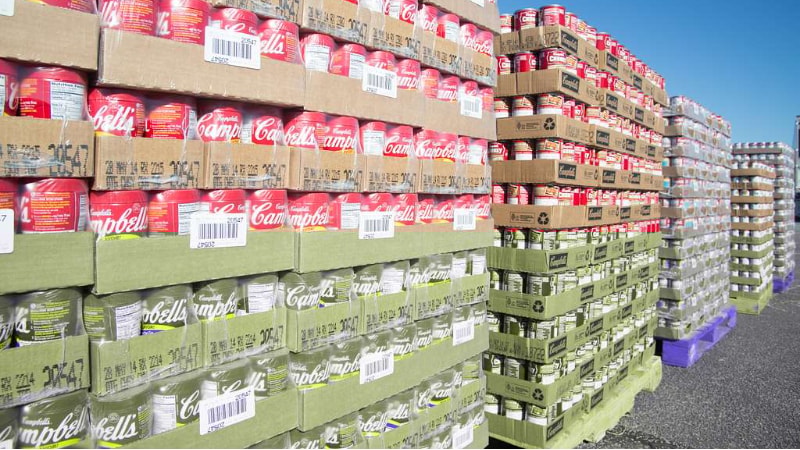
Shelf-Ready Packaging (SRP), also known as Retail Ready Packaging (RRP), refers to product packaging that’s designed to transition seamlessly from shipment to shelf with minimal handling required by store employees. It is about efficiency, visibility, and impact.
With the retail-ready packaging industry valued at $87.6 billion, it’s clear that brands are increasingly leaning towards it.
Shelf-ready packaging enables retail stores to unpack, stock, and display products faster, while enhancing the customer experience at the point of sale. The concept took root in the early 2000s, as large retailers like Walmart and Tesco began optimizing their supply chains.
They needed retail-ready packaging solutions that could streamline store operations, reduce labor costs, and ensure consistent product presentation across locations. Over time, SRP evolved from a cost-cutting tactic to a strategic tool for brands aiming to increase sales and improve on-shelf availability.
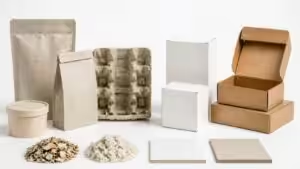
Today’s SRP designs often use corrugated cardboard for durability and recyclability, though materials can vary depending on brand and retailer requirements. From perforated trays and pop-up displays to pre-printed branded boxes, SRP bridges the gap between logistics and in-store marketing.
For retailers, SRP means faster shelf replenishment and better inventory control. For brands, it means more control over how products appear in-store. In short, shelf-ready packaging (SRP) isn’t just about making life easier for stockers. It’s a smart, scalable way to align supply chains with sales goals.
Why Shelf-Ready Packaging Matters in Retail
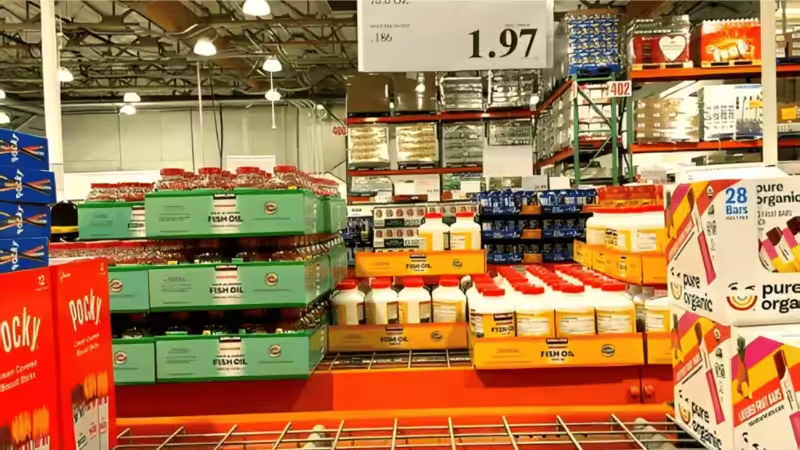
In an industry where every second and square inch counts, shelf-ready packaging helps retailers and brands operate smarter, not harder. It’s a strategic advantage that transforms how products are stocked, displayed, and sold.
Faster Shelf Replenishment
Traditional stocking methods aretime-consuming and inefficient. Store employees often spend hours unpacking cases, arranging items, and disposing of excess waste. Shelf-ready packaging helps eliminate those bottlenecks. After applying SRP, data shows that the restocking time per individual item has been sharply reduced from the original 4 minutes to under 50 seconds, representing an efficiency improvement of over 80%.
Products arrive in packaging materials designed to go directly from pallet to shelf, often in one motion. This streamlined process reduces out-of-stock instances by 16% and improves shelf availability when it matters most.
Lower Labor Costs
In fact, SRP saves retailers approximately 30% on restocking labor costs. When stocking is faster, labor costs go down. That’s a win for retailers facing staffing shortages and rising wages. Fewer touchpoints mean employees can shift their focus from the backroom to customer service, directly improving the in-store experience.
Better Customer Experience
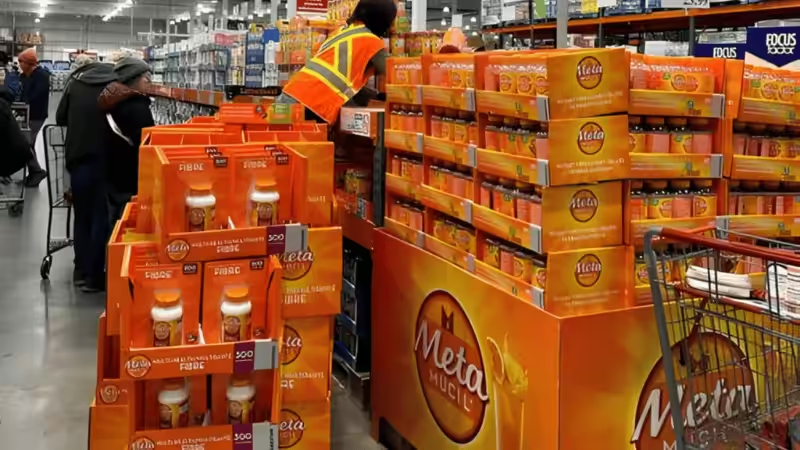
Customers don’t want to hunt for what they need. SRP ensures products are easy to see, reach, and understand. Clear labeling, intuitive displays, and tidy organization simplify the path to purchase.
When product packaging anticipates user behavior, it leads to more confident buying decisions and increased sales.
Stronger Product Visibility
SRP makes it easier for brands to stand out. With visually appealing designs and consistent on-shelf placement, products are more likely to catch a shopper’s eye. Plus, that appealing product packaging encourages impulse purchases. Based on our experience, well-designed SRP can significantly increase impulse buying compared to individually displayed products.
Many new packaging ideas leverage high-quality printing directly onto corrugated cardboard, combining branding and function in one sustainable format. It’s no longer just about getting products on the shelf but about owning that space with impact.
In a world where retail success is tied to both operational efficiency and customer engagement, shelf-ready packaging is no longer optional. It’s a powerful intersection of logistics and design, answering the call for modern packaging ideas.
Industry Standard for Shelf-Ready Packaging
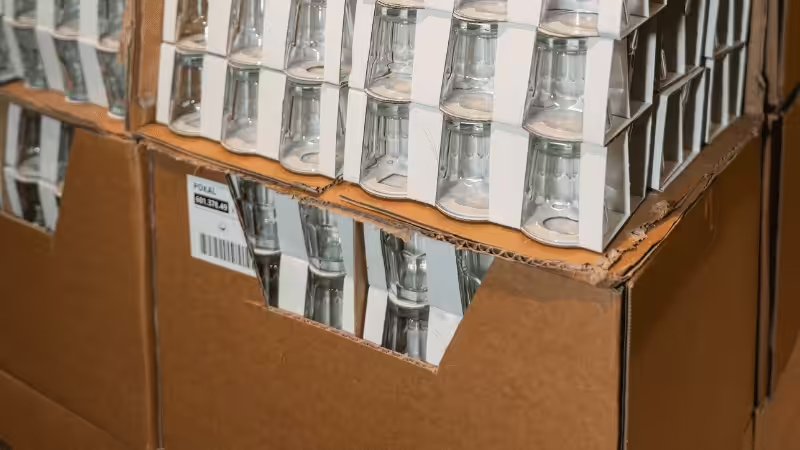
Walmart and other major retailers use the “Five Easies” framework to evaluate SRP. If your SRP doesn’t meet these standards, it won’t be accepted. Therefore, effective SRP is built on five core principles often referred to as the “Five Easies.” Here’s a practical checklist to guide your SRP design:
- Easy to Identify: Clear, visible branding and labeling (displayed on at least four sides) make it easy for staff to locate and sort products quickly in the stockroom or on the sales floor.
- Your Action Item: Check your SRP dieline and confirm whether your brand logo and product name are clearly visible from all four sides. If not, request a design revision from your team. Walmart enforces this as a hard standard — non-compliance may lead to rejection.
- Easy to Open: Perforations, tear strips, or intuitive opening mechanisms allow for quick unboxing without tools, reducing damage and improving efficiency.
- Your Action Item: Have a warehouse colleague test a sample and confirm whether they can open it within 5 seconds without tools. If not, reevaluate your perforation design. Also consider printing opening instructions on the package — this meets most retailers’ compliance requirements.
- Easy to Shelf: Packaging should be designed to fit retail fixtures with minimal handling. Stackable, stable, and dimensionally optimized solutions save time and space.
- Your Action Item: Measure your target retailer’s shelf depth and height and confirm whether your SRP dimensions match. If unsure, contact the retailer for their SRP dimension guidelines. Stackability is the top priority. Based on our experience, best practice is two cartons per SKU per shelf.
- Easy to Shop: Products should be front-facing, well-organized, and easy for customers to access without causing the remaining products to tip over. Design should guide the eye and encourage interaction without clutter.
- Your Action Item: Simulate a customer reaching for a product and confirm whether the remaining items tip over when one is removed. If yes, consider adding inner dividers or adjusting product orientation.
- Easy to Dispose: Environmentally responsible designs, often using recyclable corrugated cardboard, ensure that packaging is easy to break down and discard responsibly, both for staff and consumers.
- Your Action Item: Confirm whether the materials used in your SRP are accepted by your local recycling system. If coated or taped, confirm whether those components are also eco-friendly. Avoid shrink film, staples, excessive tape, or glue — these materials increase recycling difficulty.
These principles of packaging design not only benefit businesses but also the environment. Therefore, we recommend that before finalizing your SRP design, you test it against all five criteria. Missing even one could lead to rejection by retailers and costly redesigns.
Shelf Ready Packaging vs. Standard Packaging
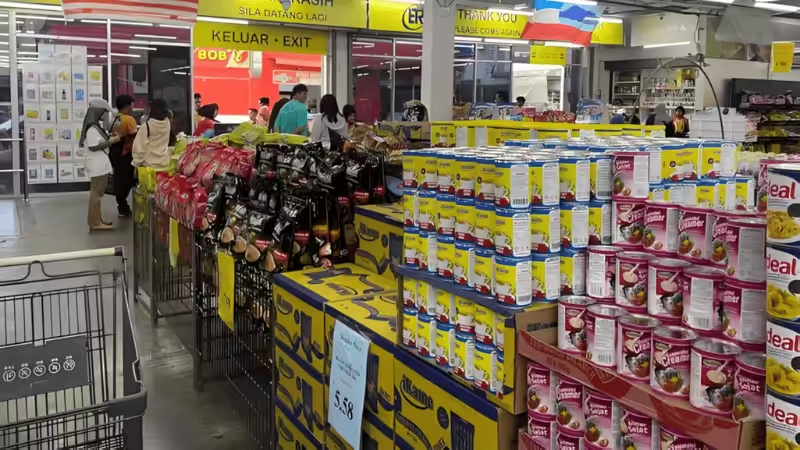
As retail evolves, so does the role of packaging. While traditional packaging still has its place, shelf-ready solutions bring added value across the supply chain. Here’s how they compare:
| Feature | Shelf Ready Packaging (SRP) | Standard Packaging |
|---|---|---|
| Primary Function | Combining transit, display, and marketing into a single solution | Designed mainly for protection during storage and transportation |
| Ease of Stocking | Quick shelf placement with minimal unboxing and handling | Requires unpacking and individual product placement |
| Visual Impact | High, often includes branded trays or printed displays | Low to moderate; branding is often limited to individual product packaging |
| Labor Efficiency | Reduces time and effort for in-store staff | More labor-intensive; longer restocking times |
| Cost | Higher upfront cost but lower total handling costs | Lower unit cost but higher labor and setup expenses |
| Sustainability | Often designed using recyclable materials like corrugated cardboard | Varies; can involve mixed or excessive packaging materials |
As you can see, shelf-ready packaging is the ultimate go-to in this regard.
When to Use Each
Here’s when you should use each of the two packaging solutions.
- Shelf Ready Packaging (SRP): It is ideal for high-volume, fast-moving consumer goods in retail environments where shelf turnover and visual consistency matter, like grocery chains, big-box stores, and promotional campaigns.
- Standard Packaging: It may still be more suitable for bulk shipments, long-distance logistics, or specialty items that require protective materials but minimal in-store visibility.
It’s up to you to analyze your business packaging needs to find the right option for your products.
Hybrid Packaging Strategies
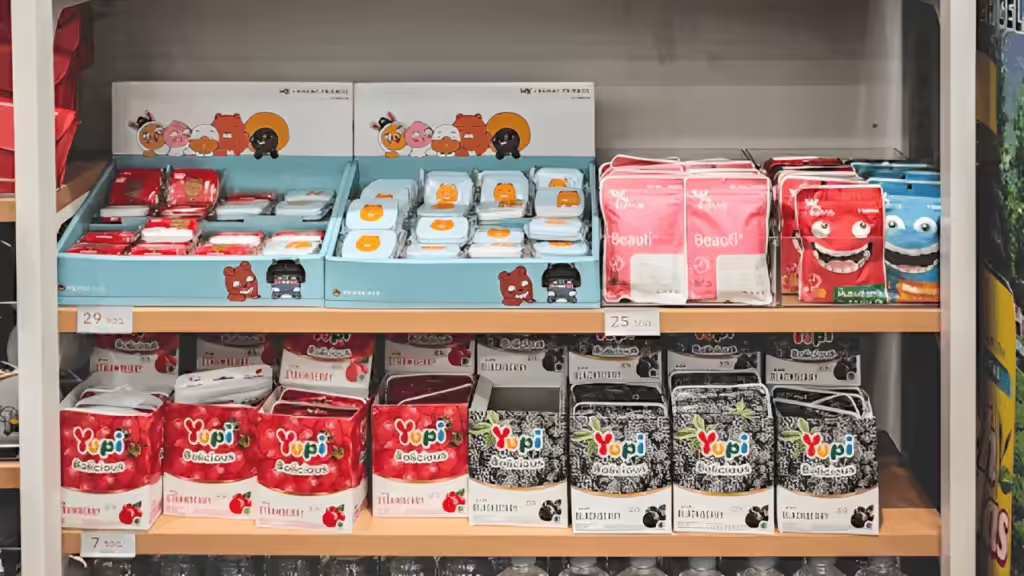
Hybrid packaging strategies combine the logistical strength of traditional shipping methods with the in-store advantages of shelf-ready packaging (SRP). These solutions are increasingly popular among brands looking to balance cost, efficiency, and customer experience across multiple sales channels.
Here’s how hybrid strategies can be designed to work smarter:
Dual-Purpose Design
Packaging that protects products during transit but transforms into a branded display at the point of sale. This reduces the need for separate display units and ensures consistency across retail environments.
Modular Components
Use of packaging materials that allow certain elements, like outer sleeves or inserts, to be removed in-store, revealing a clean, visually appealing layout beneath. This enables one pack to serve multiple purposes without redesigning from scratch.
Selective SRP Features
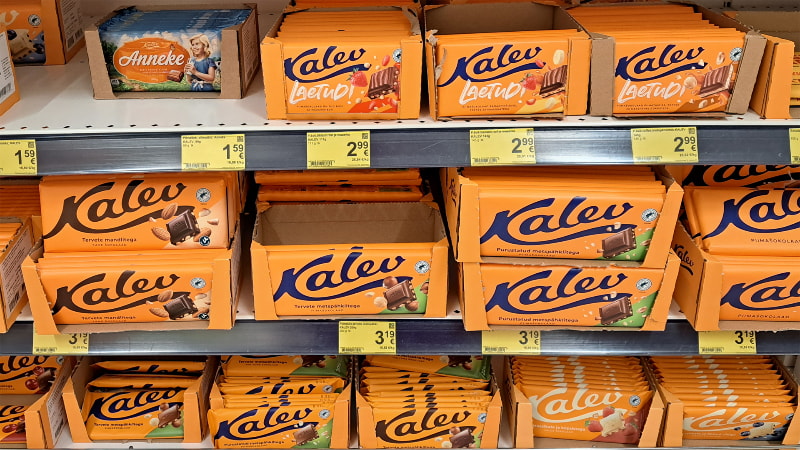
Integration of specific SRP traits, such as perforated panels or pre-cut openings, into otherwise standard packaging formats. This allows for easy-to-open, easy-to-shelf solutions that don’t compromise shipping integrity.
Retail-Specific Customization
Customization of the outer carton or inner tray, depending on the retail destination. Some retail stores may require full shelf-ready packaging, while others may only need partial visibility or protection. A hybrid strategy adapts to both.
Hybrid packaging is about thoughtful integration, bringing together product packaging that performs well at every step of the journey, from pallet to checkout. It’s a forward-looking approach for brands that want to stay agile.
Examples of Shelf-Ready Packaging in Action
Shelf-ready packaging (SRP) is already driving retail performance across sectors, especially in categories where shelf impact, speed, and stock turnover are critical. Below are real-world SRP formats and industry applications that showcase its transformative potential.
Popular SRP Formats
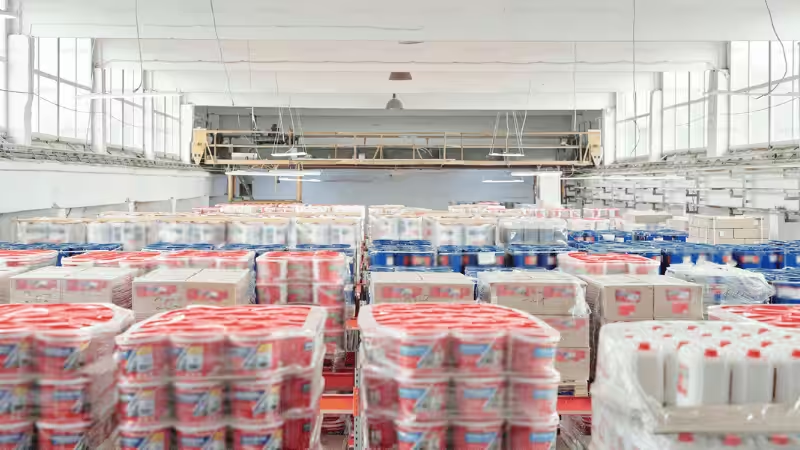
Here are some common SRP formats:
- Perforated Display Boxes: These cartons double as shipping containers and retail displays. Tear-away sections allow staff to expose the product with one quick motion.
- Tray-and-Sleeve Cartons: A protective sleeve is removed to reveal a shelf-ready tray beneath. The outer sleeve can be printed with store-facing barcodes and handling instructions.
- Wrap-Around Cases: These act as structural shippers and display units in one compact design. Typically made from recyclable corrugated cardboard, they reduce secondary waste.
- Pop-Up Displays: It is packaging that unfolds into a mini merchandiser right out of the box. Great for high-traffic areas or impulse buys, these displays require no assembly and attract attention instantly.
You can use any of these packaging options to enhance your branding, increase product visibility, and attract more customers.
Case Studies by Industry
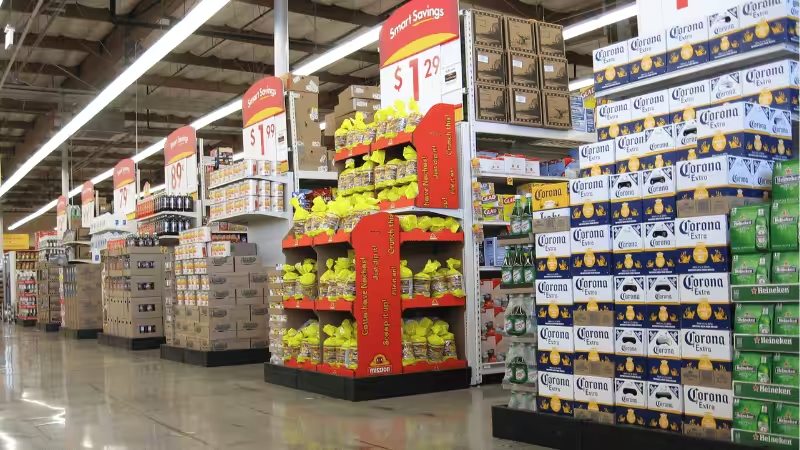
Here’s a look at some case studies for SRP.
Food: Nestlé Cereals
To reduce restocking time in grocery stores, Nestlé introduced perforated SRP trays for its cereal range in Europe. Each tray holds upright cartons with front-facing branding. The result?
- Faster shelf restocking
- Fewer damaged units due to unnecessary handling
- Brighter, more uniform on-shelf presentation
Beverage: Coca-Cola Mini Cans
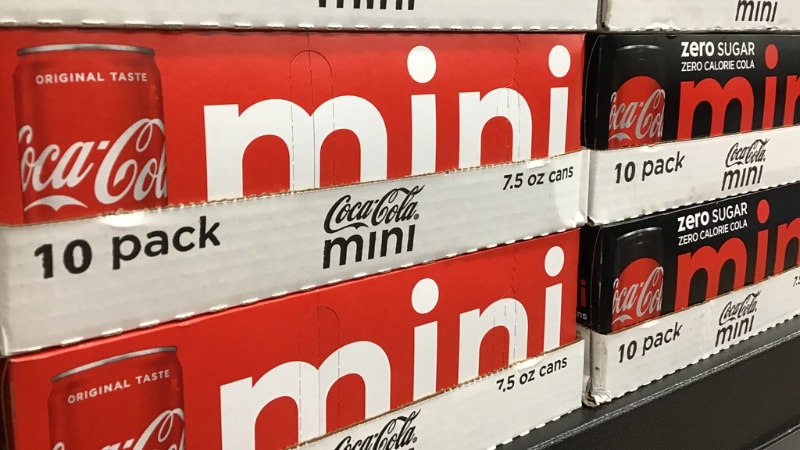
Coca-Cola uses tray-and-sleeve cartons for its multi-pack mini cans. The outer sleeve provides structural integrity for shipping, while the inner tray serves as a vibrant branded display. These changes are in line with the company’s iconic packaging design that has given it strong brand recognition.
- Used across seasonal and promotional campaigns
- Supports visually appealing merchandising in small-format stores
- Simplifies in-store execution for retail partners
Personal Care: Dove Soap
Unilever adopted wrap-around SRP packaging for Dove soap in high-volume discount chains. This hybrid solution reduced outer packaging waste while boosting product visibility on the shelf.
- Reduction in packaging materials
- Stronger shelf presentation with less labor
- Sustainable and recyclable format using corrugated cardboard
Branded SRP Displays and Seasonal Promos
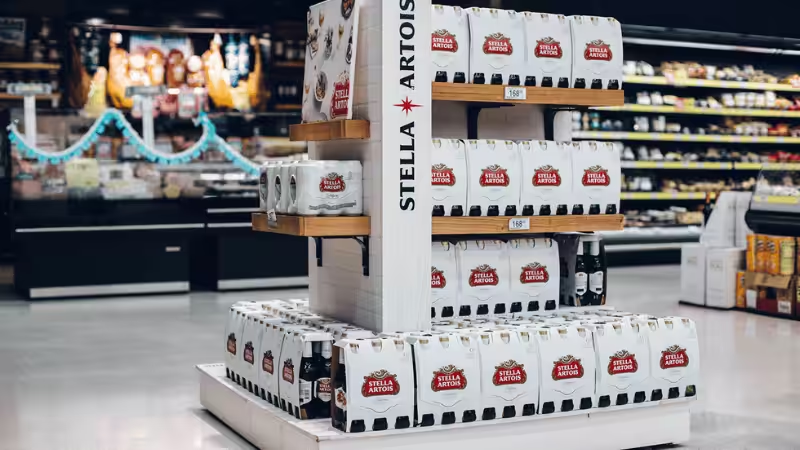
Seasonal promotions thrive on fast execution and visual cohesion. SRP plays a key role here:
- Lindt Chocolate Holiday Displays: SRP cartons convert into festive shelf displays, eliminating the need for separate display units. Customers are drawn to organized, themed visuals tied to holidays.
- Olay Gift Sets: These SRP units are designed for gifting seasons and come in branded trays that double as product showcases.
These case studies provide inspiration for your own seasonal promotions. Use these strategically.
How to Design Shelf-Ready Packaging for Your Brand
Let’s look at the dos and don’ts of designing SRP for your business.
To Do
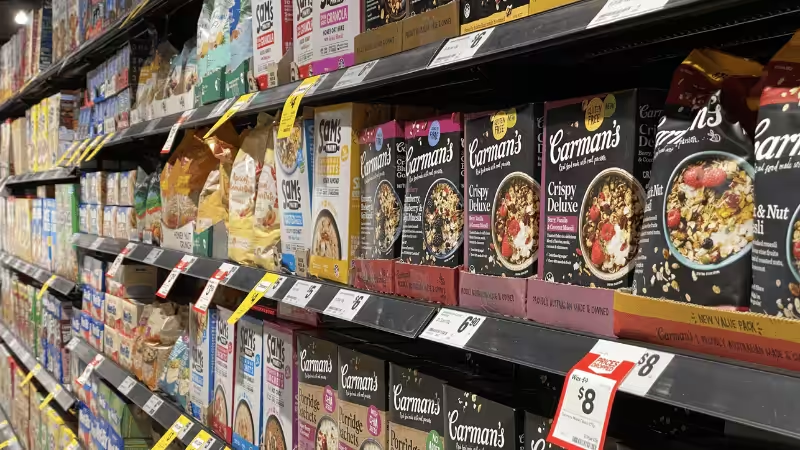
These are the key elements to keep in mind when designing shelf-ready packaging for your brand:
- Collaborate Across Teams: Build a shared workflow between packaging, marketing, and logistics departments to ensure the SRP is functional, on-brand, and supply-chain ready.
- Understand Retailer Requirements: Different retailers like Walmart, Kroger, and Tesco have unique SRP guidelines. Align your design with these specifications to avoid costly compliance issues.
- Include ITF-14 Barcodes: Retail logistics rely on scannable outer case codes. Ensure your SRP displays a clear, scannable ITF-14 barcode (typically printed on at least two adjacent sides) so warehouse staff can track inventory without opening the package.
- Choose Durable, Brand-Ready Materials: Use high-quality, recyclable corrugated cardboard and printing techniques that withstand handling while showcasing your brand clearly and consistently.
- Design for Easy Access: Include perforations, tear strips, or pop-open fronts that allow store staff to open and display products without tools or excessive handling.
- Test Real-World Usability: Simulate shelf environments and store scenarios to ensure your SRP is easy to stock, shop, and dispose of across locations.
When designed with intention, shelf-ready packaging becomes a competitive advantage, which is not just a box, but a brand experience.
Not To Do
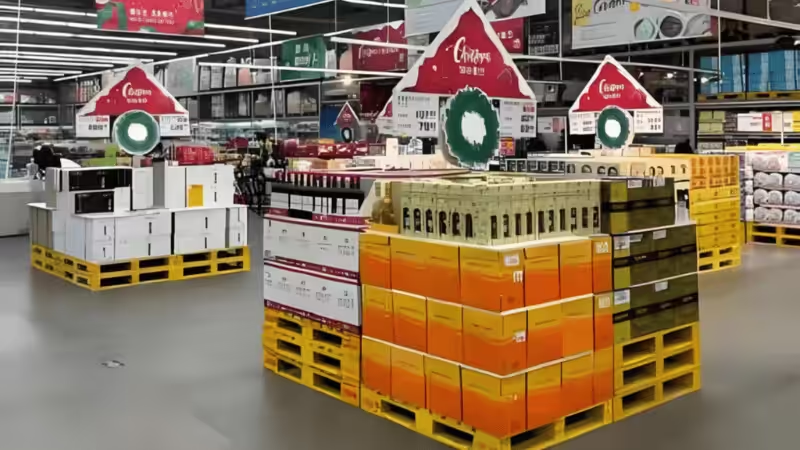
Avoid these mistakes at all costs.
- Avoid Overcomplicated Opening Mechanisms: Complex designs slow down stocking and frustrate retail staff, reducing the efficiency SRP is meant to deliver.
- Don’t Compromise Structural Integrity: Weak or flimsy packaging fails during transit or shelving, increasing product damage and hurting retailer relationships.
- Don’t Ignore Retail Compliance: Failure to meet retail packaging standards can result in fines, product rejections, or being left off shelves entirely.
- Never Undervalue Brand Presentation: A poorly designed or bland SRP undermines your product appeal.
The most successful SRP starts with collaboration, honors retail realities, and delivers both operational efficiency and shelf impact. Design smart, and your packaging becomes your silent seller.
FAQs
Q1: What are the specific requirements for Walmart or Costco shelf-ready packaging?
To succeed on crowded retail shelves, your shelf-ready packaging designs must follow the “5 Easies” and be accessible without box cutters. These supply chain solutions are mandatory for brands to ensure fast replenishment and a consistent brand identity. Following these rules prevents retail fines and ensures your product stand is never rejected.
Q2: How does SRP help with supply chain optimization and reducing costs?
Strategic secondary packaging maximizes shelf capacity, directly reducing transport costs and the need for excess packaging filler. By utilizing customized corrugated solutions, you can streamline the production and shipping process while lowering your carbon footprint. This optimization results in lower packaging inventory levels and better protection for your primary packaging.
Q3: Which printing format is best for maximizing retail shelf appeal?
For quick updates or seasonal promos, digital printing is ideal as it requires no printing plates for different printing variations. To enhance customer perception, you can apply an aqueous and uv coating or matte laminated surfaces for superior shelf appeal. For large-scale commercial printing needs, traditional methods remain the most cost-effective way to produce a high-end foil stamped package.
Q4: Can I test a prototype before starting the full production process?
Yes, a packaging specialist can develop a prototype shelf-ready packaging unit to ensure a perfect fit for your stand up pouches or bottles. Our creative services department tests protective packaging inserts and attractive packaging styles to ensure they resonate with your target market.
Conclusion
Shelf-ready packaging is more than a supply chain upgrade; it’s a brand differentiator. By streamlining restocking, reducing labor, and boosting shelf presence, SRP empowers retailers and brands alike. A great SRP is functional, visually engaging, and sustainable. When done right, it delivers a stellar retail experience.
Package Your Products for Shelf Readiness
Ready to elevate your brand’s retail packaging? Packoi is just the place for it. Contact us for a custom shelf-ready packaging consultation or sample kit tailored to your product category.