A greeting card is a small but meaningful way to communicate emotions. It’s a printed or digital card designed for special occasions, offering messages of love, gratitude, sympathy, or congratulations.
Greeting cards go beyond just words; they show effort and thoughtfulness. In personal relationships, they help celebrate love, friendship, and support during tough times. But with so many options available, how do you pick the right one? This guide will walk you through everything you need to know.
What is a Greeting Card?
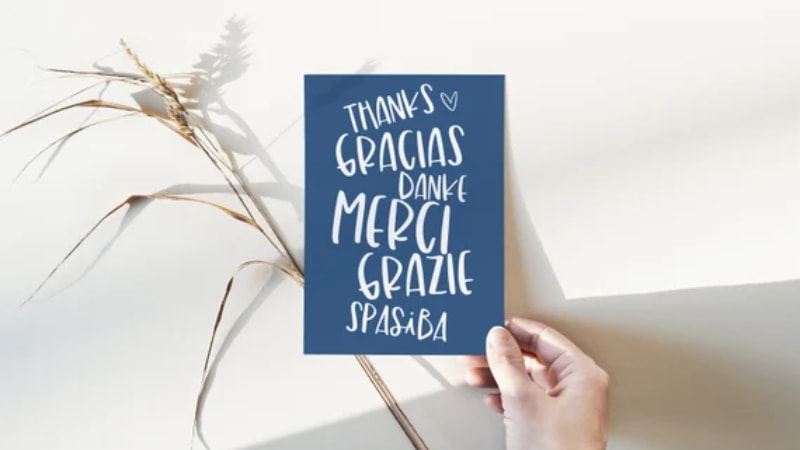
A greeting card is not merely a piece of paper that you give to someone. It’s a heartfelt way to connect with someone. Typically made from high-quality cardstock, these cards feature messages of love, appreciation, celebration, or support.
While they’re most commonly exchanged on special occasions like birthdays, holidays, and anniversaries, greeting cards can also be sent just to say “thank you,” “thinking of you,” or “get well soon.” Some people even use them for professional connections, adding a personal touch to business relationships.
One of the best things about greeting cards is their flexibility. You can choose a pre-written message or personalize it with a handwritten note or digital greeting, making it truly unique to the recipient.
According to data from Fortune Business Insights, the global greeting card market was valued at $20.25 billion in 2025 and is projected to reach $23.81 billion by 2034, representing a compound annual growth rate (CAGR) of 1.82%.
That is why greeting cards remain indispensable, whether for personal connections or business relationships.
Types of Greeting Cards
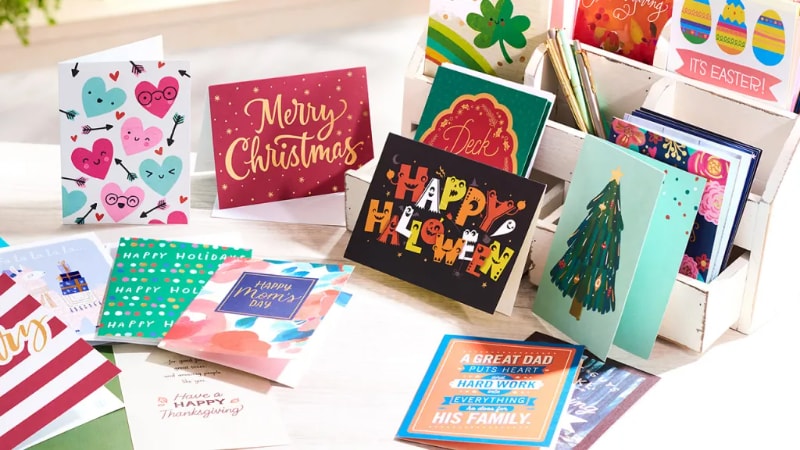
Here are some types of greeting cards:
- Birthday Cards: These are the most common greeting cards. They are used to celebrate personal milestones or recognize employees and clients on their special day in a professional setting.
- Holiday Cards: Sent during festive seasons like Christmas, New Year, Halloween, or Thanksgiving, these cards spread joy and warm wishes among friends, family, and colleagues.
- Anniversary Cards: Whether for a wedding anniversary or a work milestone, these cards acknowledge and celebrate years of commitment and achievements.
- Thank You Cards: A simple yet meaningful way to express gratitude, these cards are perfect for personal appreciation or professional recognition.
- Sympathy Cards: These cards offer comfort and support during difficult times, whether someone is grieving a loss or recovering from an illness or surgery. They help express condolences, care, and encouragement.
- Congratulations Cards: These cards celebrate a person’s recent success or happy news, such as a promotion, a new baby, or winning an award. They say: “I’m happy for you right now.
- Love & Romance Cards: Whether for Valentine’s Day or just because, these cards help express deep feelings of love and affection.
- Personalized & Custom Cards: These can include handmade, photo-based, or uniquely designed cards that add a personal touch to any occasion.
- Corporate Greeting Cards: These cards are used in business settings to show appreciation, strengthen client relationships, and reinforce company branding.
Designing the Perfect Greeting Card
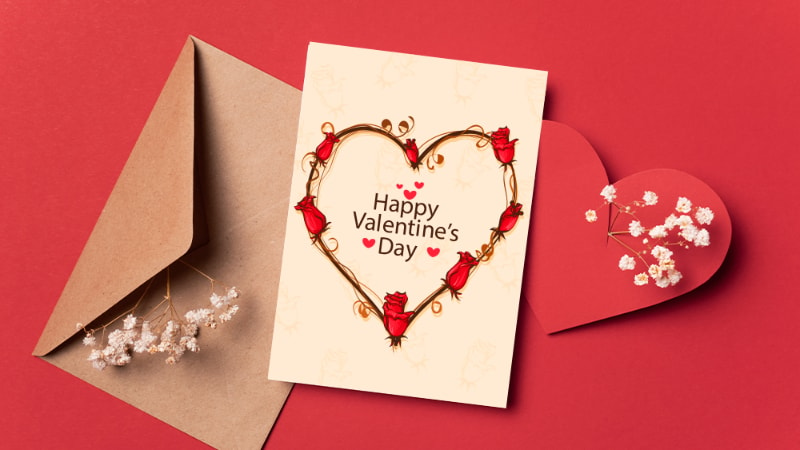
Creating a greeting card isn’t just about picking a nice design. It’s about making it meaningful. Here’s how to craft a card that truly resonates with the recipient.
Match the Card to the Occasion and Recipient’s Personality
Think about who the card is for and what the occasion represents. A fun, colorful card works well for a close friend’s birthday, while a sleek, elegant design is better for a professional anniversary.
If the recipient has a quirky sense of humor, a witty card will stand out. For sentimental individuals, something heartfelt and warm is ideal.
Choose a Design That Reflects the Occasion
The visuals of a card should align with the event. Holiday cards can feature festive colors and symbols, while sympathy cards often have soft tones and soothing imagery.
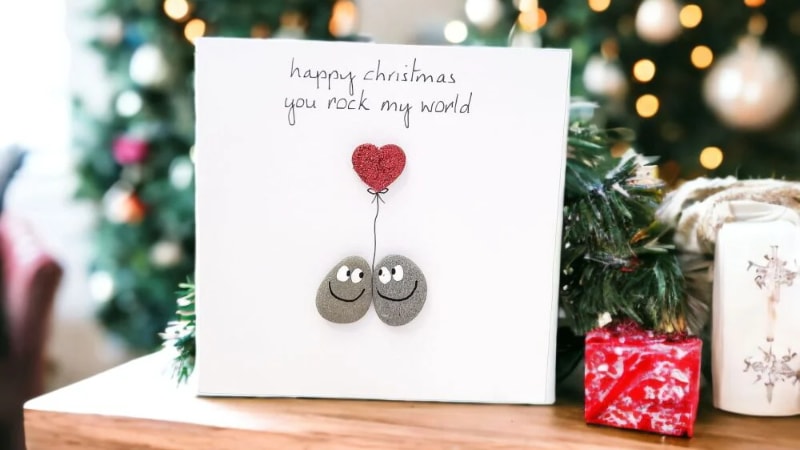
If the recipient loves a particular hobby, animal, or theme, incorporating that into the design adds a personal touch. For example, a dog lover would appreciate a card with cute puppies on it. Similarly, a sailor might enjoy a nautical-themed card.
Use Thoughtful Words and Wishes
The message inside the card is just as important as the design. Be heartfelt, sincere, and personal in your words. Write something that will make the recipient feel special and loved.
If you’re struggling with what to say, consider using quotes or song lyrics that relate to the occasion or your relationship with the recipient. This adds depth and sentiment to the message.
For a professional greeting, keep it warm yet formal. For a loved one, a heartfelt or humorous message will create a lasting impact.
Use High-Quality Materials and a Unique Touch
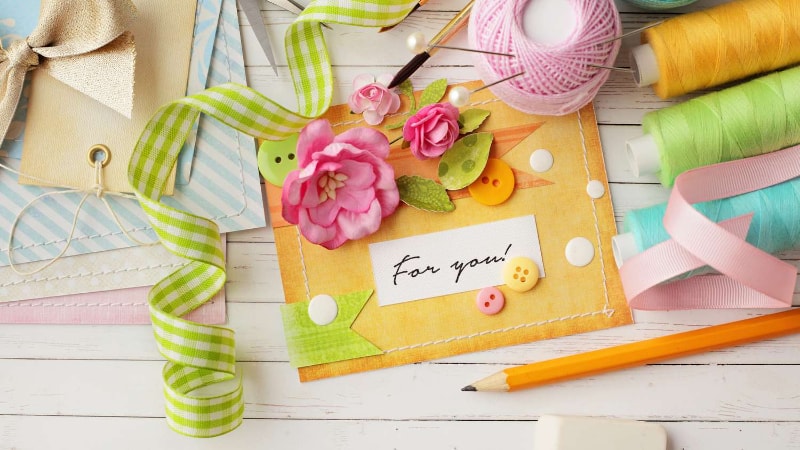
The paper quality and finish matter more than you think. Thick cardstock, embossed details, or a glossy finish can elevate a simple card.
Specifically, common high-quality cardstock options include:
- White Cardboard: Medium thickness, stiff and durable, with high color accuracy. Suitable for most business greeting cards with
- Specialty Paper: Textured (e.g., linen, watercolor), premium feel. Ideal for high-end brands or VIP clients, but slightly higher cost.
- Art Paper (Glossy Paper): Smooth surface, vibrant printing results. Best for large-scale production with the best cost-effectiveness.
Adding a wax seal, a sticker, or a unique signature stamp makes it even more memorable. Small details like these can turn a regular greeting card into a cherished keepsake.
You can not only work with a greeting card printing service but also create your own using a template. With the right materials and design from trusted greeting card manufacturers, you can make a card that will be appreciated for years to come.
While the front design and inside message get most of the attention, the back of the card matters too. This is where you can place your business logo, website, or a short description of your brand.
Whether you’re an independent artist or a company, adding your logo on the back makes it easier for recipients to find you again.
I think it’s better to keep it simple and clean so people can very clearly tell which side is the front and which is the back.
Greeting Card Sizes and Formats
When it comes to creating greeting cards, size and format matter more than you think, the right choice can enhance the design, message, and overall impact of your card. Here’s a breakdown of common sizes and formats to help you decide.
Common Greeting Card Sizes
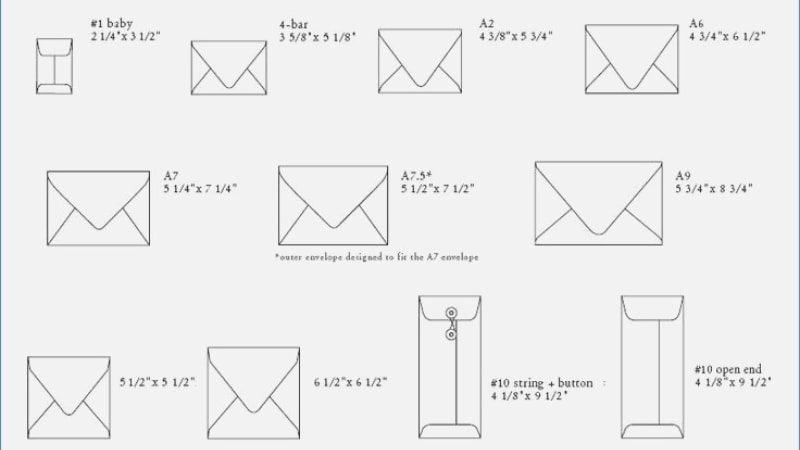
Greeting cards come in various standard sizes, with A2 (4.25″ x 5.5″), A6 (4.5″ x 6.25″), and 5″ x 7″ being the most popular.
Birthday cards, Christmas cards, and thank-you cards often use the classic 5×7 size, providing enough space for a personalized greeting without being too bulky. For a more compact and charming feel, A2 and A6 sizes work well.
When selecting the size, consider the amount of space needed for your message and any additional elements you may want to include. Keep in mind that larger sizes will require more materials and postage costs.
The following table shows the most common greeting card sizes and their corresponding dimensions in inches.
| Size | Use Cases | Materials | Best For |
|---|---|---|---|
| A2 (4.25" x 5.5") | Thank-you notes, short messages, casual greetings | Cardstock, recycled paper, glossy finish | Personalized greeting, quick notes, business thank-you cards |
| A6 (4.5" x 6.25") | Holiday cards, simple birthday cards, event invitations | Matte or glossy cardstock | Christmas cards, party invitations, casual gift enclosures |
| 5" x 7" (Standard) | Special occasions like birthdays, weddings, and professional greetings | Embossed cardstock, fine paper, foil details | Personalized greeting for family, friends, and colleagues |
| 6" x 8" | Wedding invitations, premium Christmas cards, milestone celebrations | Luxury textured paper and handmade fine art prints | Anniversaries, elegant greeting card designs, business gifting |
| 8.5" x 11" (Oversized) | Group signatures, retirement parties, milestone birthdays | Thick cardstock, laminated or premium prints | Office celebrations, greeting card business branding |
| Square (5" x 5" or 6" x 6") | Unique greeting card designs, artistic and creative cards | High-end paper, handmade materials | Fine art greeting cards, modern and minimalist styles |
| Digital Greeting Cards | E-cards for birthdays, corporate greetings, last-minute sending | Virtual formats (animated, static, interactive) | Eco-friendly greetings, long-distance gifting, corporate messaging |
Picking the Right Size for the Occasion
The event and recipient should guide your choice. A Merry Christmas card for a business client might look more polished in a standard 5×7 format.
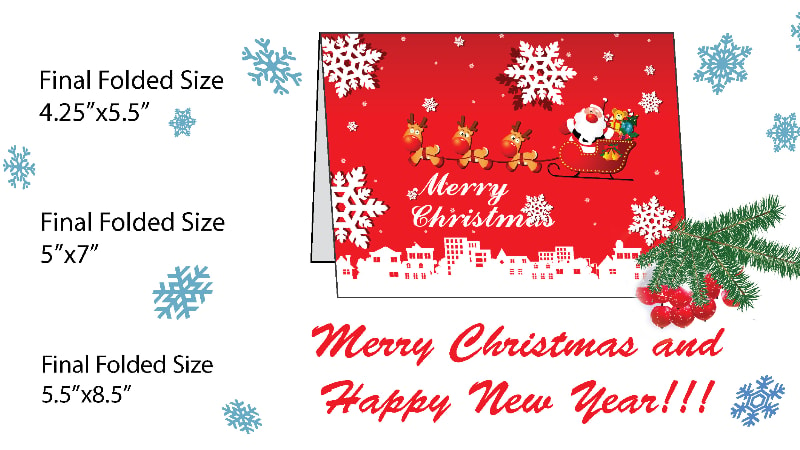
Meanwhile, a personalized greeting for a close friend could be a mini A2 card with a handwritten note. For milestone events like weddings or graduations, oversized cards (like 6″ x 8″ or 8.5″ x 11″) make a statement.
Whenever possible, choose a size that fits within a standard printing sheet without wasting paper. Sticking to common dimensions like A2, A6, or 5″x7″ allows for efficient batch printing, reduces material waste, and helps keep costs under control.
Exploring Boxed and Custom Cards
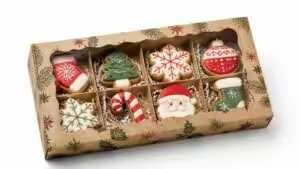
Boxed sets offer convenience for those who send multiple cards during special occasions. Christmas cards and birthday cards in pre-packaged sets allow for quick, thoughtful gift-giving.
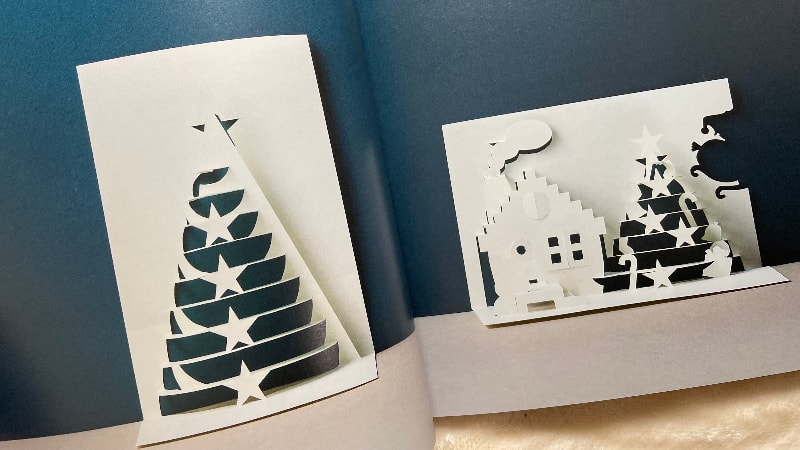
If you want to stand out, consider unique greeting card designs with custom illustrations, pop-up elements, or even digital formats. Fine art prints and handmade designs add a special touch, making your card a keepsake.
Printing Options for Greeting Cards
Choosing the right printing method can make a big difference in the look and feel of your greeting card designs. From traditional techniques to eco-friendly options, here’s what you need to know.
Offset Printing vs. Digital Printing
Offset printing is ideal for bulk greeting card business orders, delivering high-quality prints with sharp colors. It’s cost-effective for large runs, making it perfect for Christmas cards, birthday cards, and corporate greetings.
Digital printing, on the other hand, is better for personalized greeting cards or small batches. It offers flexibility, allowing you to create unique greeting card designs with customized text or images.
Customization Options for a Premium Look
To make your card stand out, consider special finishes:
- Foil Stamping: Adds a metallic shine, perfect for luxury Christmas cards or elegant invitations.
- Embossing & Debossing: Creates raised or recessed designs, adding a tactile feel to personalized greeting cards.
- Die-Cut Designs: Unique shapes and cut-outs can make fine art cards visually striking.
- UV Coating: Enhances colors and gives cards a glossy, durable finish, which is great for high-end greeting card designs.
- Lamination: After printing, a thin film is applied to the card surface to protect against scratches, moisture, and fading. Gloss lamination makes colors pop, while matte lamination offers a soft, elegant finish. For B2B bulk orders, matte lamination is often the preferred choice as it balances quality and cost.
Eco-Friendly Printing Solutions
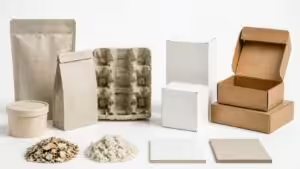
For sustainable gift-giving, opt for recycled paper, soy-based inks, or biodegradable finishes. Some greeting card businesses offer plantable seed paper, allowing recipients to grow flowers after reading their personalized cards.
Digital greeting cards are also an eco-conscious choice, reducing waste while still carrying heartfelt messages. It’s a double win for the environment and your budget.
Many digital platforms also offer customizable designs, so you can still add a personalized greeting without the paper waste. Additionally, choosing a printing service that focuses on using renewable energy sources and reducing carbon footprints can make your card even more environmentally friendly.
Whether you go for physical or digital options, adopting these eco-friendly practices ensures your gift-giving is both thoughtful and responsible.
Choosing the Right Greeting Card
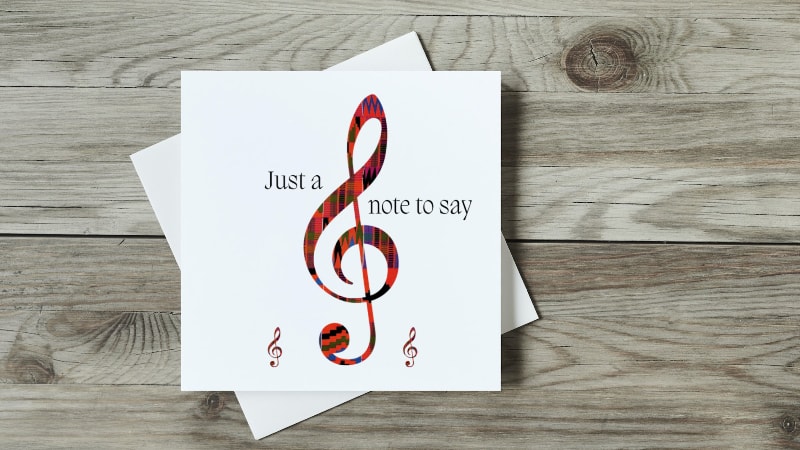
Selecting the perfect greeting card is all about thoughtfulness. Start by considering the recipient’s personal interests and hobbies. Basically, you want to make sure that the card aligns with their interests. If they love music, a card with musical notes or lyrics could be a great fit.
For book lovers, a literary-themed card might resonate more. Matching the card to the occasion is just as important; birthday cards should feel cheerful, while Christmas cards can carry warm holiday wishes.
The message inside also matters. Some greeting card designs come with sentimental verses, while others keep it light and humorous. Always read the text to ensure it suits both the occasion and the recipient’s personality. You don’t want the recipient to get the wrong message, as it can come off as offensive or awkward.
If you want to make it extra special, opt for a personalized greeting card. Adding a personal message or choosing a unique greeting card design can turn a simple gesture into a cherished keepsake. Thoughtful choices make every card more meaningful.
Greeting Card Etiquette
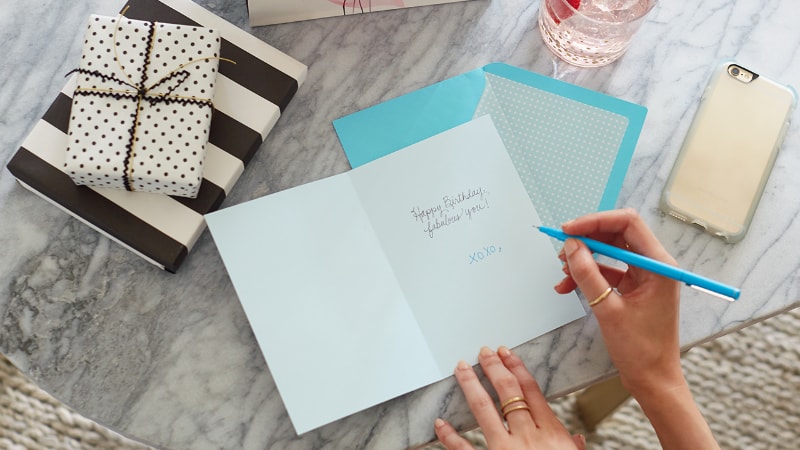
When sending a greeting card, it’s always a good idea to include a handwritten message or a personal note. It shows extra effort and makes the card feel more personal. Even a simple message can make a big difference.
Pay attention to the recipient’s preferences as well. Some people appreciate humor, while others prefer a more sentimental tone, so choosing the right card that matches their style is key.
Timing is also important. Be sure to send the card early enough for it to arrive on time. If it’s for a special occasion like a birthday or Christmas, plan ahead.
Finally, consider using a personal stamp or a custom envelope. It’s a small touch that adds uniqueness and shows you put thought into the presentation. Whether it’s for a business or personal occasion, these details can elevate the greeting.
For a lighter and often more cost-effective alternative to custom envelopes, try using biodegradable clear sleeves. They protect the card from moisture and damage while allowing the design to be seen at a glance.
You can even add a small sticker to let recipients know the sleeve is biodegradable. This simple gesture reflects your commitment to sustainability.
FAQs
Q1: What are the most popular greeting card types for corporate use?
Traditional folded cards and boxed cards remain highly popular for their classic appeal. Luxury cards with foil stamping or embossing are gaining traction for premium branding, while eco-friendly cards are favored by sustainability-focused companies. Digital ecards and online cards offer a cost-effective way to send instantly without postage or mail delays.
Q2: How can I make my corporate greeting cards stand out from the competition?
Focus on unique design elements beyond your logo, such as die-cuts, custom illustrations, or QR codes. Adding a special message or personal touch in the right hand corner or top right hand corner draws attention. High-quality paper and techniques like spot UV or letterpress elevate perceived value and help create a lasting impression that makes customers smile.
Q3: What’s the typical lead time for a bulk order of custom greeting cards?
Lead time varies by complexity and quantity. For standard designs, expect 7-14 business days after artwork approval. Intricate designs or very large volumes may take 3-4 weeks. Plan ahead for specific occasions or holidays, and schedule early to ensure cards reach members, relatives, or clients on time.
Q4: Can custom greeting cards be integrated with other branded merchandise or gift packaging?
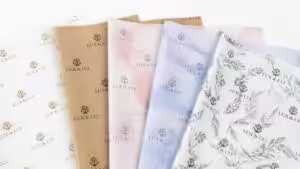
Absolutely. Integrating cards with branded gift packaging creates a cohesive unboxing experience. Many suppliers offer cards that complement custom boxes, sleeves, or tissue paper. Add a QR code or download link for recipients to explore more products or access exclusive offers. This approach saves money and works for family, friends, or business customers.
Conclusion
Greeting cards are a meaningful way to express care and celebrate life’s special moments. Opting for a personalized greeting card or custom design adds a unique touch. Make your card stand out with high-quality paper and a personal stamp. To ensure it arrives on time, choose a reputable printing service and trackable delivery.
Call to Action
Looking for a reliable service to create your customized greeting cards? Packoi offers stellar design services with customizable bulk printing solutions for personal and business use. Contact us today.