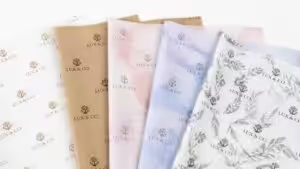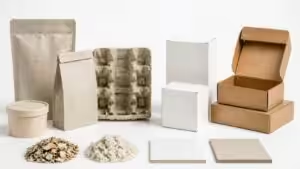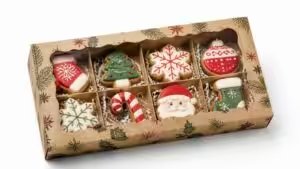
Custom designs and eco-friendly features make it a smart choice for companies. Let’s dive into cardboard printing methods, cardboard types, and expert tips to help you get started.
What is Cardboard Printing?
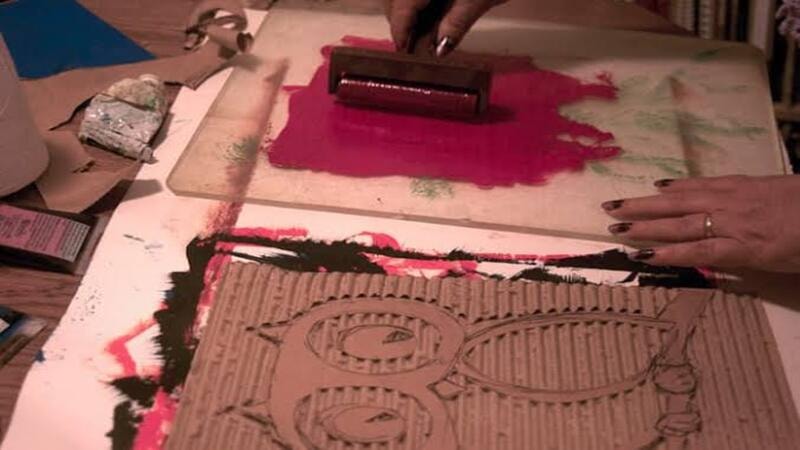
Cardboard printing refers to putting designs, images, or text on cardboard to make it aesthetically pleasing and serve its purpose. Printing can turn simple cardboard into attractive and functional packaging, advertisements, and product labels.
Now, in your mind, you can envision a plain cardboard box being transformed into a bold statement of your brand. It is an economical and effective method of grabbing attention and making the business stand out.
All Cardboards are not the same at all, and every type is unique in its role:
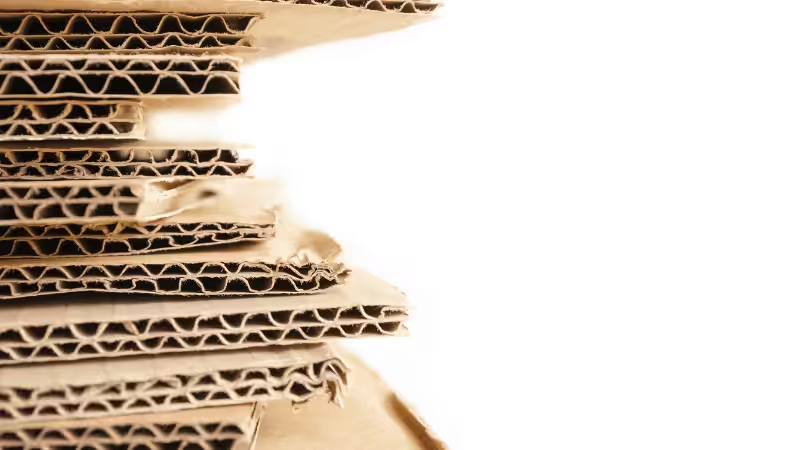
- Single-wall corrugated cardboard: This type is durable and ideal for shipping boxes, offering good protection for your goods.
- Double-wall corrugated cardboard: Providing an additional protective layer, this is even stronger and suitable for industrial-strength packaging.
- Paperboard and Chipboard: For lighter uses, these are thin, non-porous, and perfect for items like cereal boxes or gift boxes.
Cardboard is environmentally sustainable, as most of it is reusable and compostable. Meanwhile, it is very flexible for usage; it can be used in food packing to even unique marketing solutions.
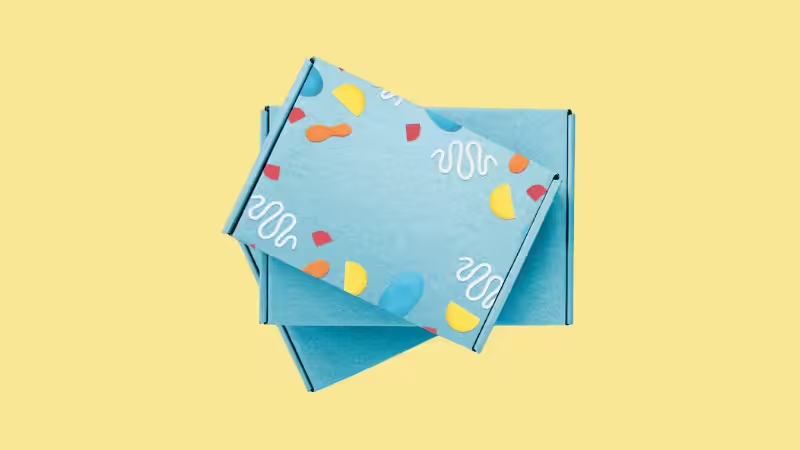
Cardboard printing is also a budget-friendly option, making it ideal for any business that wants quality at a reasonable price. With these benefits, it is not surprising that cardboard printing is a popular choice for various businesses all over the world.
Benefits of Cardboard Printing
An Ipsos study shows that 67% of participants think cardboard packaging is more attractive than alternatives. Let’s dive into the numerous advantages printed cardboard offers for your brand:
- Boosted Brand Visibility: Custom designs and logos on cardboard packaging make your brand instantly recognizable and appealing, significantly enhancing brand awareness and customer satisfaction.
- Enhanced Customer Loyalty: Thoughtful, personalized packaging builds appreciation and trust, positively impacting sales quality and fostering repeat business.
- Cost-Effective & Durable: It provides a budget-friendly yet robust packaging solution that delivers quality without overstraining your finances.
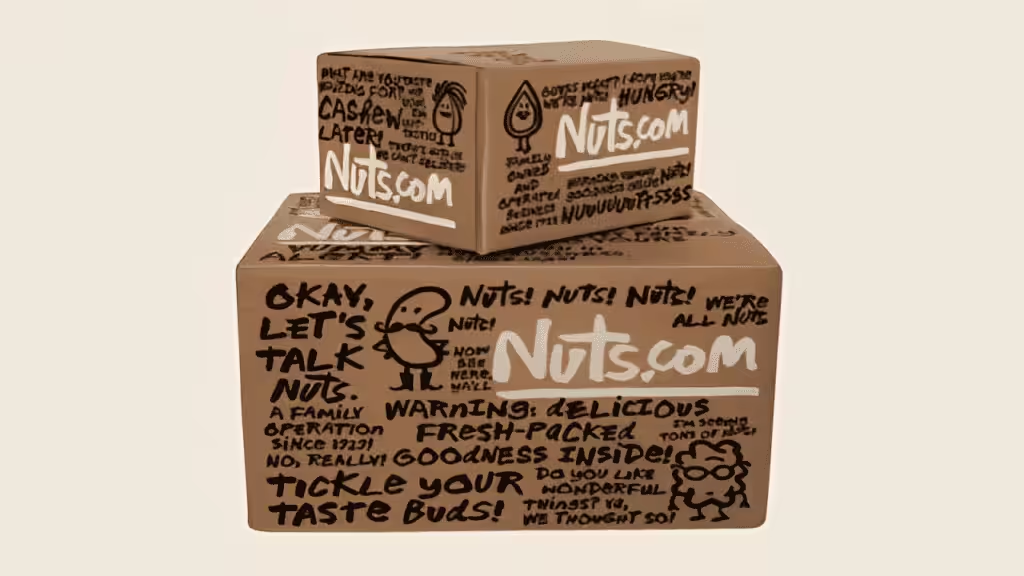
- Clear Brand Messaging: Printed cardboard is an excellent platform to convey your brand’s values, slogans, and environmental commitments, strengthening customer trust.
- Professional & Attractive Appeal: Artfully designed packaging gives your products a polished, high-quality look that naturally draws customers in.
- Environmental Responsibility: Choosing cardboard signals your brand’s commitment to sustainability, as it’s biodegradable and recyclable, helping reduce waste.
These benefits collectively highlight how printed cardboard is more than just packaging; it’s a strategic tool for building a stronger brand and connecting with your audience.
5 Factors to Consider When Printing on Cardboard
When it comes to printing on cardboard, the quality and effectiveness of your final product hinge on several crucial elements. It’s not just about applying ink to a surface; it’s about understanding how different aspects of the cardboard and the printing process interact.
Paying attention to these details will ensure your designs come out looking their best and effectively serve their purpose.
1. Cardboard Type and Thickness
The type and the thickness of cardboard matter when printing. Thin cardboard is easier to print on but may not handle heavy ink well. Thick cardboard is strong and durable, but needs special techniques. Choose the right type for your design and printing method, or in some cases, you may get custom product boxes.
2. Ink and Coatings
Not all inks work well on cardboard. Water-based inks are eco-friendly, but oil-based inks are more vibrant. Consider coatings like gloss or matte to enhance the look. A glossy finish makes colors pop, while a matte finish gives a subtle, classy look.
3. Surface Texture
The texture of cardboard affects print quality. Smooth surfaces are great for detailed designs. Rough surfaces need bolder prints to stand out. Always test your design on the cardboard before large-scale printing.
4. Design Considerations
Your design should match the material. Bold and simple designs work best on cardboard. Avoid fine details that may not print clearly. Use colors that contrast well with the natural brown or white of cardboard.
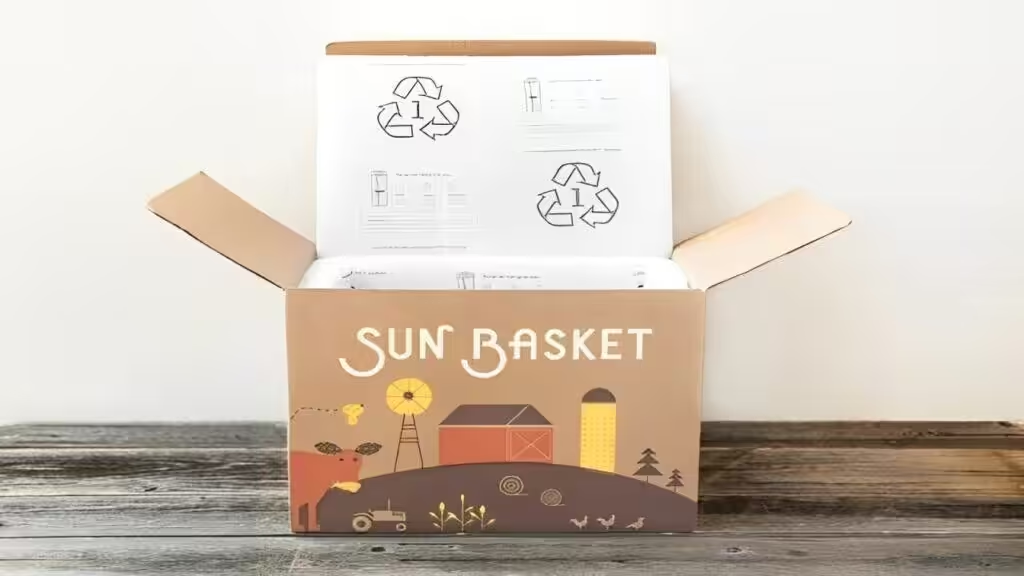
5. Environmental Factors
Printing conditions can impact the result. Moisture or heat can warp cardboard, affecting the print. Store cardboard in a dry place and print in a controlled environment. Also, choose sustainable inks and cardboard to reduce environmental impact.
Printing Methods for Cardboard
There are various printing methods for different needs. Choose your required method from the methods below:
Offset Printing
Offset printing for cardboard packaging boxes is also called offset lithography or litho lamination. This method is cost-effective if you want to have good-quality images and printing of an artistic design. In other words, lithography allows you to get a perfect copy of your design made with any packaging design software.
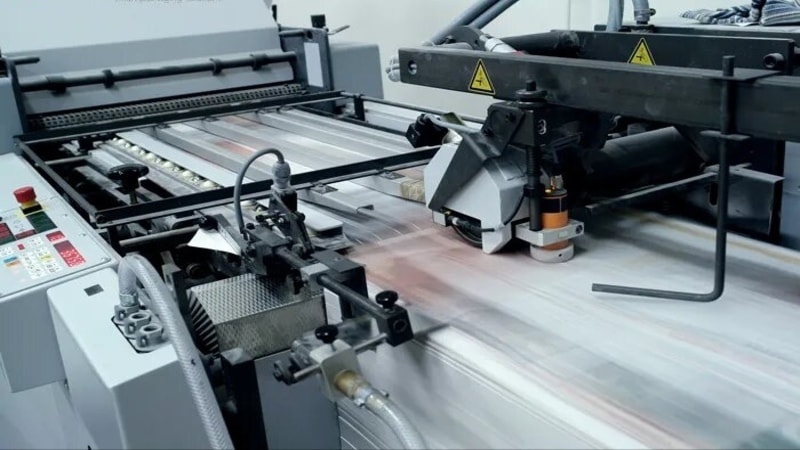
Offset printing is a process whereby a printing plate with a specific image is made. Subsequently, the plate is inked, and the ink will stick to the image area only.
Then, the image is copied onto a rubber blanket, and then the image is copied onto the desired surface, be it cardboard or paper. You can also consider this printing method as an indirect transfer that guarantees high quality every time.
Flexographic Printing
Flexographic printing is the most famous method used for cardboard packaging boxes. It can be printed on various cardboard materials, rough or smooth, with a great finish easily. Flexo printing is also fast because of its low setup time and fast printing speed. Nonetheless, quality images can also be printed on cardboard boxes through flexography.
Flexography is a method of printing on cardboard boxes where flexible rubber or photopolymer plates with raised image areas are placed on rotary cylinders. However, when the substrate passes between the inked plate and an impression roller, the inked design or shape is transferred onto the cardboard.
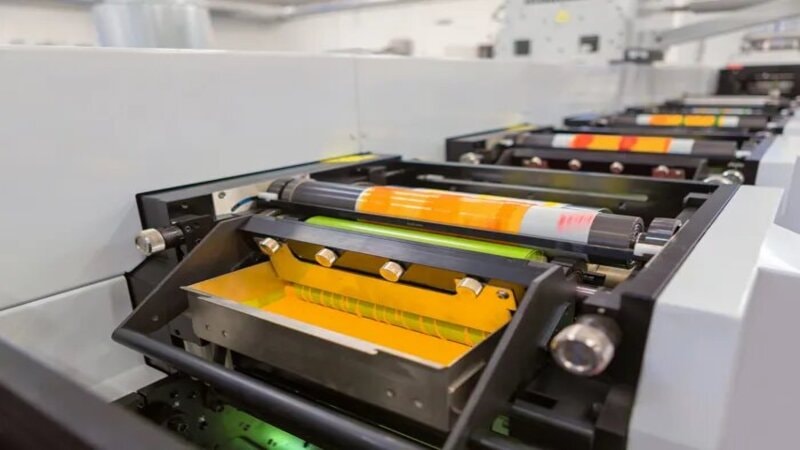
Digital Printing
Digital printing is the one that meets every need for printing on cardboard. And as the name suggests, you will not need expensive plates anymore, which makes this method cost-effective. Also, the quick setup and high-end results make digital printing stand out.
The process starts with a digital image being sent to the printer from any offline or online product designer. It is interpreted and translated here into a series of electronic impulses. These impulses regulate the amount of ink on substrate or cardboard boxes.
Screen Printing
A rather similar method to digital printing is screen printing, also known as silk printing. It is a go-to method if you are looking for bold graphics, illustrations, or solid color implementation on cardboard boxes.
The process of screen printing begins with the preparation of a mesh screen stretched tightly over a frame. The screen is then coated with a light-sensitive emulsion. The coated screen is exposed to light after placing a film positive of the required design on the coated screen.
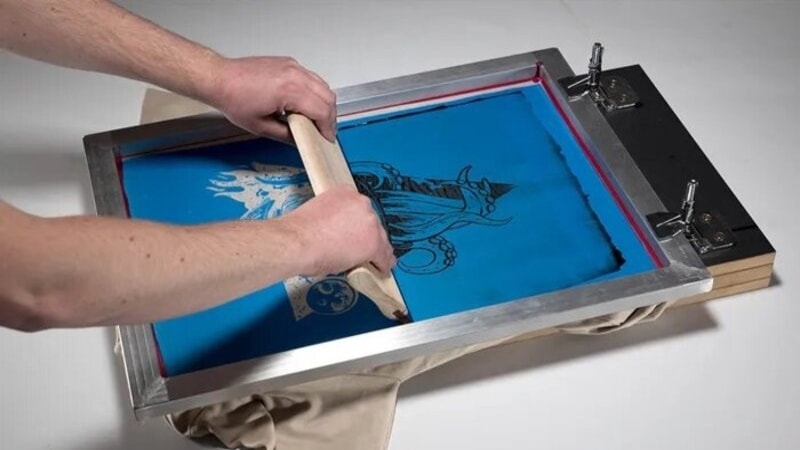
After washing, the unexposed screen is prepared for the printing process. Then, the ink is used at the top of the screen, and using a squeegee, the ink is spread across the cardboard boxes.
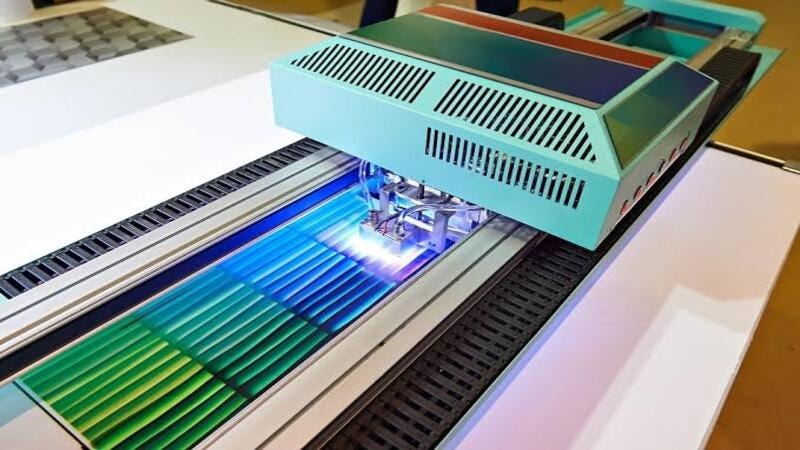
UV Printing
UV printing is an innovative method of printing in which ultraviolet light instantly cures the ink. The global market of UV Printing is expected to grow to $1.71 billion by 2027. This method makes the prints clear and full of brilliant colors.
It works perfectly on cardboard and gives long-lasting and durable designs. UV printing does not smudge or fade, making it best for professional packaging and branding.
The process starts with using UV ink printed on the cardboard. Another thing is that when the ink comes into contact with UV light, it quickly dries up, forming different sharp images. This method of rapid setting makes the work more accurate and saves time per print job.
Also, UV printing is cost-effective since there is little wastage of solvents to clean the equipment after printing. Because of these aspects, it is the most recommended option for premium cardboard and cardstock printing.
Choosing the right printing method is crucial for achieving your desired results on cardboard. Each technique offers distinct advantages and disadvantages depending on your project’s needs, such as volume, detail, and budget.
Understanding these differences will help you select the most effective approach for your packaging and marketing materials.
| Printing Method | Key Advantages | Key Disadvantages |
|---|---|---|
| Offset Printing | High quality, cost-effective for large volumes. | High setup cost, not economical for short runs. |
| Flexographic Printing | Fast, versatile for various materials, good for large runs. | Lower print quality than offset, limited detail. |
| Digital Printing | Best for short runs & customization, quick setup. | Higher cost per unit for large runs, limited substrates. |
| Screen Printing | Good for irregular shapes & vibrant, durable colors. | Not ideal for fine detail, higher setup for small runs. |
| UV Printing | Quick drying, high durability, works on varied surfaces. | Higher equipment/ink cost, energy-intensive. |
With a clear understanding of each method’s strengths and weaknesses, you can make an informed decision to ensure your cardboard prints are not only visually striking but also produced efficiently and cost-effectively.
Choosing the Right Printing Method for Your Needs
Selecting the ideal printing method for your cardboard products involves more than just aesthetics. It requires a careful evaluation of your specific requirements, including your production volume, commitment to sustainability, design complexity, and budget. Let’s explore the key factors that will guide you in making the best choice.
Volume Requirements
The selection of the right printing method depends on the number of items to be printed. If a good number of prints are required, offset printing is the most suitable option. It can handle large volumes promptly and offers standard quality.
Digital printing is more efficient for low to middle quantities of prints. It is ideal for small numbers and urgent deadlines.
The other method is screen printing, but it is more appropriate for medium runs with specific designs. Choose the right method to match your production needs in order to minimize time and costs.
Sustainability
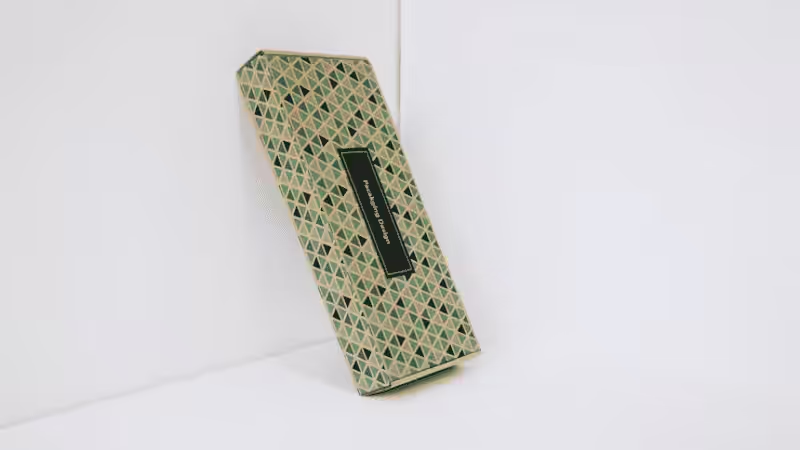
Want an eco-friendly printing method? There are several. Digital printing uses less waste and fewer chemicals. When it comes to eco-friendly inks, offset printing can utilize soy-based inks, which is a green choice. Search for printers using recyclable or biodegradable materials for cardboard printing.
Selecting greenways is beneficial for the planet and your business’s reputation.
Design Complexity
Not all types of printing are the same when it comes to handling complex designs. Digital printing is suitable for detailed images of many colors. It produces vivid images with very little configuration.
For simple designs and fewer colors, screen printing is the best. If you need to handle both sorts, offset printing is the top choice, but the cost of setting up makes it more suitable for large volumes. Take into consideration your design details before making your decision.
Budget Considerations
There are differences in the cost of printing methods.
Digital printing is cost-effective in small quantities since there is no need to incur the setup cost. Offset printing is expensive during setup, but is cheaper when used for large quantities. Screen printing also has an initial cost, but is relatively cheaper for medium-scale production. Select the printing method that fits your budget requirement and order size.
Applications and Effect of Cardboard Printing
Beyond its technical aspects, understanding how printed cardboard is utilized in the real world can further illuminate its value. From protecting products to grabbing attention in retail environments and even fostering creativity, cardboard printing proves to be incredibly versatile across various sectors.
Product Packaging
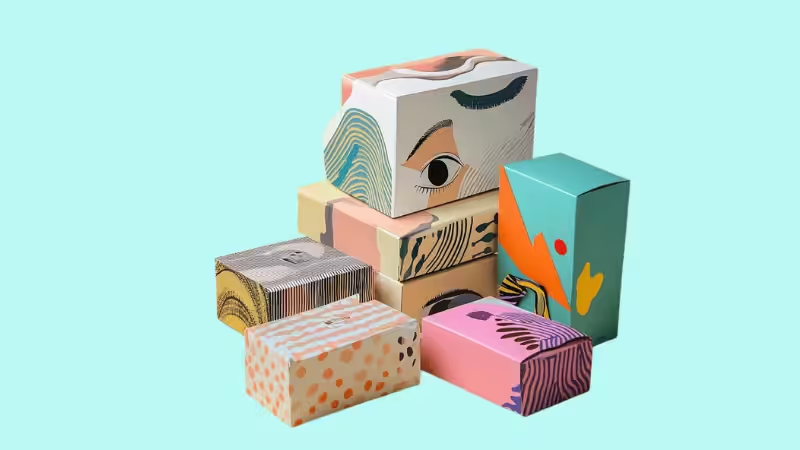
Printing is perfect for creating eye-catching cardboard packaging. You can print your logo, brand name, or designs directly onto cardboard boxes. This gives your products a professional and polished look.
This method works well for shipping boxes, retail packaging, or subscription boxes. Customers will notice the effort. This helps build trust in your brand. Custom printed packaging also acts as a powerful brand ambassador. It reaches customers directly. It boosts brand recognition and creates memorable unboxing experiences.
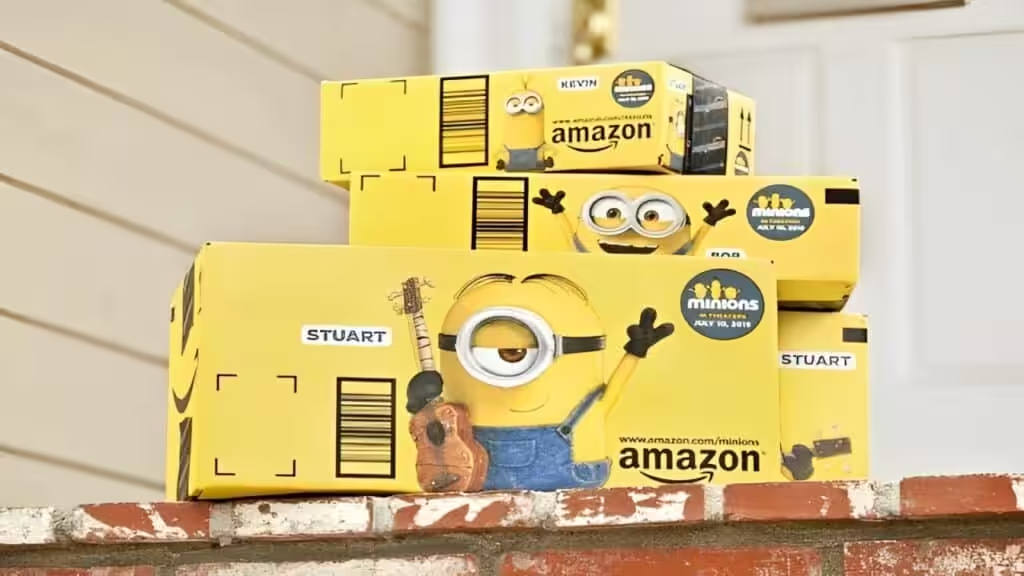
Think of how e-commerce giants like Amazon use their distinct logos and colors on every shipping box. Many craft beer breweries print intricate designs on their cardboard carriers. Subscription box services, like HelloFresh, use vibrant, personalized printing on their meal kit boxes.
These examples show how printed cardboard packaging reinforces brand identity, increasing perceived product value. This helps with customer retention and word-of-mouth marketing.

Temporary Displays
Looking for cheap and easily assembled banners for a short event or promotion? Cardboard printing is the solution.
You print bright images for promotional displays, season-related campaigns, or other occasions. These displays are portable and relatively easy to make. You can reuse them after the promotion is complete. This makes it a green choice as well. Temporary displays offer great brand exposure with little investment. They increase foot traffic during promotions. They create urgency, which drives immediate sales.
Coca-Cola uses festive cardboard displays for holiday campaigns. Many movie studios create life-size cardboard character cutouts for new film releases. Retailers like Staples use colorful cardboard school bus shapes for back-to-school promotions. This all generates buzz and attracts attention.
The eco-friendly nature also improves brand reputation among conscious consumers.
Standing Displays
Printed cardboard is also great when used in standing displays. These include end caps or signs. Retail outlets mostly employ them to gain attention.
You can print a logo in a bold font, a large headline in a bright color, or any important text. Because they are rigid, portable, and cheap, standing displays are suitable for placing in high-traffic areas. Standing displays act as silent salespeople. They influence purchasing decisions at critical moments. They can increase product sales, especially near checkouts. They help establish brand authority in retail spaces.
Red Bull uses branded cardboard displays shaped like their cans in gas stations. This reinforces brand recognition and drives impulse buys. Snack brands, like Lay’s, often use large, colorful cardboard floor displays near grocery aisles. This makes their products stand out. In toy shops, cardboard displays for brands like Hot Wheels feature vibrant graphics. This creates an immersive experience that drives toy sales.
Troubleshooting and Best Practices
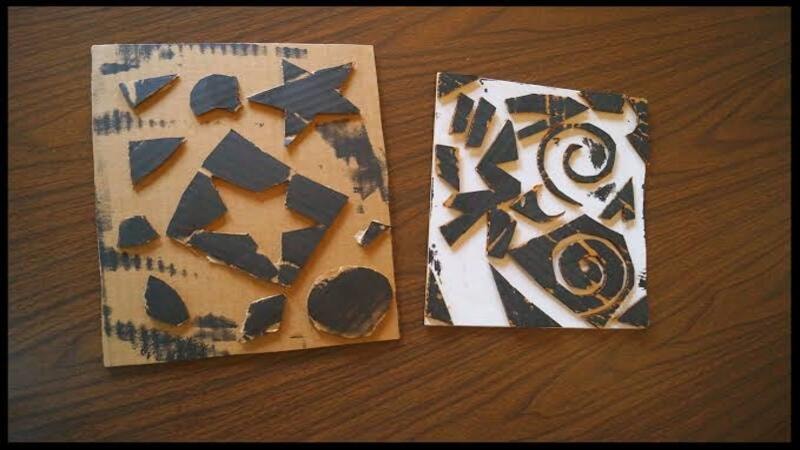
Choosing the right printing partner is crucial for top-notch cardboard printing. Look for a partner with proven expertise, advanced technology, and a commitment to quality. The type and size of your cardboard also play a vital role—select materials in various sizes that align with your design needs to ensure vibrant and durable prints.
Invest in high-quality inks and advanced printing methods to achieve professional results. Poor-quality materials can ruin your design and waste time. Always test your print designs on a small scale before committing to bulk printing.
This helps identify potential issues and saves money in the long run. By combining the right partner, materials, and techniques, your cardboard prints will leave a lasting impression.
Trends in Cardboard Printing for 2026 and Beyond
The cardboard printing industry is evolving at a rapid pace in 2026, with powerful emerging trends continuously redefining production standards, design concepts and market demands across the sector.
Sustainability is now a core industry benchmark, not an optional trend. It fuels rising demand for high-performance eco inks, fully recyclable finishes and low-carbon manufacturing, which reduce environmental impact while keeping print quality stable and excellent.
Both commercial brands and end consumers are actively prioritizing green packaging and printing solutions, pushing the whole supply chain to upgrade sustainable materials and production techniques.
Continuous breakthroughs in digital printing technology are also reshaping daily production operations, making customized design and flexible small-batch production more accessible and cost-effective for brands of all sizes.
Advanced digital printing tools support tailored exclusive patterns and targeted visual designs for different consumer groups, while greatly shortening production cycles and delivery lead times to perfectly match the high-efficiency and fast iteration needs of the modern consumer market.
The seamless combination of augmented reality (AR)and upgraded smart QR codes has become another transformative development in cardboard printing design, embedding interactive digital functions into physical printed packaging.
This innovative integration enriches the customer experience with immersive interactive content, expands diversified marketing channels for brands, and creates more touchpoints for in-depth consumer connection and brand value communication.
As market competition intensifies and consumer expectations keep rising, businesses that actively adapt to 2026’s latest cardboard printing trends can better secure a leading market position, delivering innovative, eco-conscious and highly interactive printing and packaging solutions that resonate with target audiences, strengthen long-term customer attraction and support steady brand development in the long run.
FAQs
Can I apply special finishes like metallic or spot UV to printed cardboard?
Absolutely, special finishes like metallic inks and spot UV can significantly enhance printed cardboard. Metallic inks create a shimmering, premium effect, while spot UV adds a glossy, raised texture to specific design elements. These applications elevate brand perception and help your packaging or display stand out with a sophisticated look.
What file formats and resolutions are best for cardboard printing?
For optimal results, it’s best to submit artwork in vector formats like AI, EPS, or high-resolution PDFs, as these scale without pixelation. If using raster images, ensure they are at least 300 DPI to prevent blurriness or pixelation. Always provide files in CMYK color mode, and include appropriate bleed in your design to ensure a clean finish after cutting.
Are there any limitations to printing on recycled cardboard?
Printing on recycled cardboard is entirely possible and often encouraged for sustainability, but it can present minor differences. The recycled fibers may result in a slightly less uniform surface, which can subtly affect color vibrancy and crispness compared to virgin cardboard. However, modern printing techniques and quality inks are highly effective in achieving excellent results even on recycled materials.
How can I ensure my custom printed cardboard packaging effectively represents my brand?
To ensure your custom printed cardboard packaging truly represents your brand, focus on clear brand messaging, consistent color usage, and thoughtful design. Collaborate with packaging experts who can translate your brand’s aesthetic into a striking physical form. They can advise on the best printing methods, finishes, and structural designs to create an impactful and memorable unboxing experience for your customers.
Conclusion
Cardboard printing is an affordable and long-lasting solution that can work wonders for your business. It’s perfect for packaging, promotional items, and so much more. By choosing this option, you not only save costs but also boost your brand visibility in a meaningful way.
Finding the right printing partner and top-quality materials is essential to getting the best results. Take the time to work with a partner who truly understands your needs. With the right combination, cardboard printing can take your brand’s awareness to new heights and leave customers impressed and satisfied.
Switch to Sustainable Packaging Today—Packoi Has You Covered!
Now is the time to embrace sustainable packaging. It’s great for the planet and boosts your business’s appeal. Customers love brands that care about the environment. Packoi Printing makes the switch easy. We offer eco-friendly packaging with high print quality and customized solutions. Contact us today to discuss your ideas and get a quote.