Businesses are increasingly moving away from plastic bags to paper bags to support sustainability goals and comply with regulations, making them the ultimate sustainable alternative. Don’t just choose kraft paper because it’s the popular option now. You have to consider how the material will be used and how it will improve the value of your product and brand as a form of custom packaging. Also, as more cities move to ban plastic bags, making the right choice is crucial.
In this article, you’ll learn more about the common paper bag materials you can choose from for custom paper bags. You’ll also get tips on what to consider to make the right choice.
7 Materials You Can Use for Your Paper Bag
There are different types of paper to choose from to create your custom paper bags. Although all of them are made of wood pulp, they are processed differently and thus have different compositions. The way they’re processed defines how they are in terms of strength, durability, functionality, and visual appeal
Here are the seven options that you have for creating your shopping bag:
1. Kraft Paper
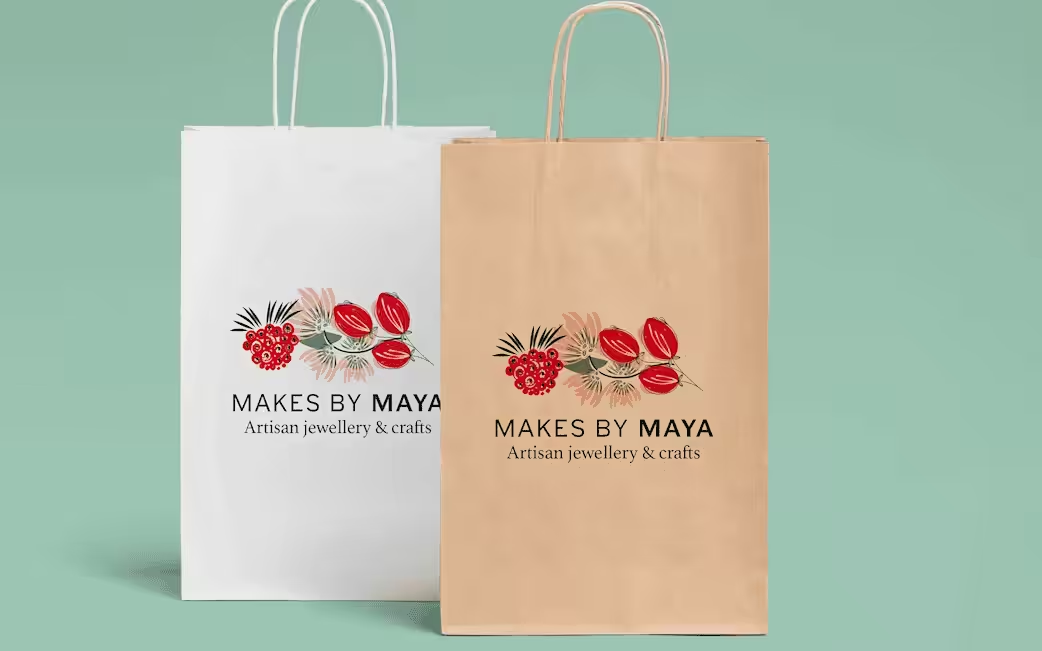
When you think about paper bags, the first thing that comes to mind is kraft paper. Kraft paper is the most common kind of paper used in making paper bags.
Favored heavily by grocery stores, brown kraft paper is known for its natural appearance, strength, eco-friendliness, and cost-effectiveness. Virgin kraft paper is created primarily from softwood trees like pine and fir because of their long cellulose fibers. Through the Kraft process, wood chips are cooked in a hot, alkaline chemical solution to dissolve lignin and hemicellulose. This is what gives these grocery bags their natural brown appearance and incredible strength.
Its composition makes a kraft paper bag biodegradable and recyclable. It’s eco-friendly and effective in building a sustainable brand reputation
2. White Paperboard
Natural paper bags don’t come in white. They have to be bleached to remove the natural brown shade so they become bright white cardboard. This white cardboard is officially referred to as SBS (Solid Bleached Sulfate) paper, which makes it a popular choice for premium gift packaging.
When you use this material, the clean look makes it ideal for luxurious brands. It’s also great for high-end gifting like gift bags for weddings and corporate events. The color makes it look sophisticated, so it increases the value of the items within.
3. Art Paper
Another term for this type of paper bag is coated paper. Coated paper is a type of paper that has been treated with a coating, often made from plastic or wax. More specifically, coated art paper has a smooth surface with excellent printing quality and is often used in high-end retail packaging.
Sometimes, the glossy part is only on one side. However, a popular option is C2S coated paper, which features a high-gloss finish on both sides, making it ideal for premium retail shopping bags requiring excellent print quality.
If you want your custom printed paper bags to come in a specific color, this is the type of paper that you should use. It also allows you to put printed designs on the bag, which brings you to the next type of paper.
4. Wrapping Paper
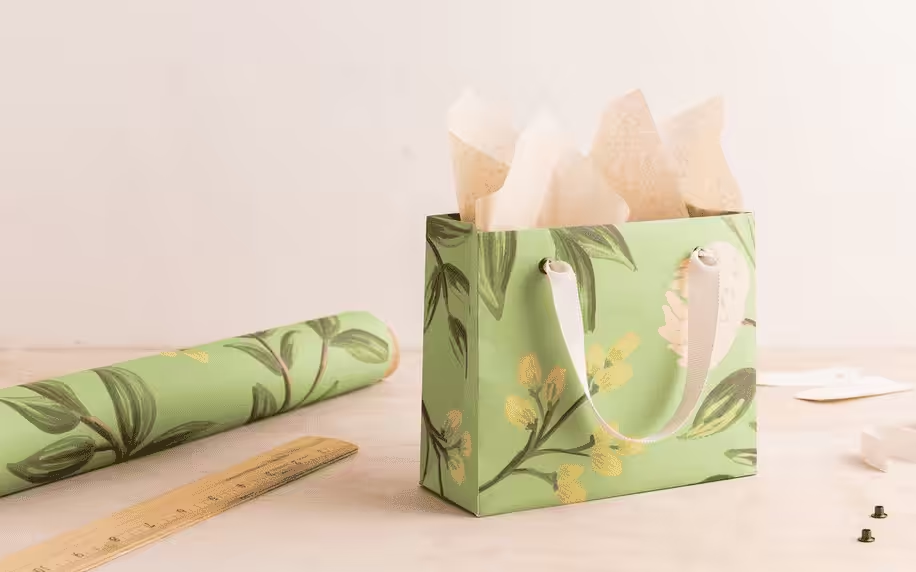
This is one of the coated paper bags that allows you to print on it. What makes this paper unique is the fact that it’s made to be very strong and without corrosive effects. It also has low moisture and air permeability. This makes it ideal for food packaging because it’s more sterile and hygienic.
This happens because the paper is laminated. So, any paper can be used to create a wrapping paper bag, as long as you laminate it first. That means kraft paper can be used for this purpose after lamination.
If you put a different color on each side of the paper, it becomes duplex paper that you can use to print on as well.
5. Corrugated Paper
If you need a paper bag that’s very sturdy, you might want to consider using corrugated paper. Unlike the typical brown kraft paper bags, this is a special type of material that has three layers or sometimes just two.
The identifying feature of this material is the wave shape of the paper. Sometimes, it’s sandwiched between two flat boards. There are times when it’s not, which makes the corrugated paper bags look unique with their waved surface.
6. Recycled Paper
This is the best paper to use if you want to create an eco-friendly paper bag. Using recycled paper will help reduce packaging waste that usually ends up in landfills. It can minimize the pollution caused by packaging that immediately ends up in the trash bin.
A lot of kraft paper bags are made of recycled paper. Paper can be recycled 5 to 7 times, so you don’t have to worry about the integrity of the bag.
7. Special Paper
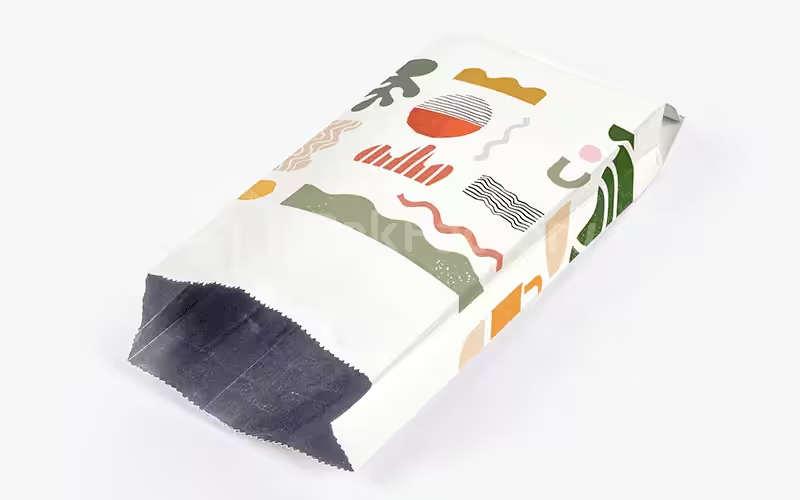
This type of paper refers to all the other materials used to create paper bags. To elevate the appearance of customized paper bags, you can use specialty papers such as: metallic paper (enhanced with a foil layer for a reflective surface), pearlescent paper (features a subtle, shimmering surface), dyed paper (pigment is infused directly into the fibers), and textured or embossed paper. Foil paper, for instance, refers to special paper bags that are lined with foil.
These bags were created for specific purposes. For instance, the foil paper bag is meant for food. The anti-static paper bag is meant to keep static from hurting people when they touch it.
These are typically more expensive, but it should be worth it if they meet the specific needs of the product that’ll be placed inside them.
The Paper Bag Manufacturing Process
Understanding how paper bags are made helps you choose the right material. The primary raw material for most new paper bags is wood pulp, derived from trees. The manufacturing process begins at the paper machine, which transforms this wood pulp into a smooth roll of paper. Additives can be mixed in for moisture resistance. After this, the finished paper rolls are cut into sheets to be used for making paper bags. They are formed into continuous tubes and undergo cutting, folding, and gluing. Ultimately, the entire process of making paper bags is highly automated, producing thousands of bags per hour.
7 Things to Consider When Choosing the Paper Bag Material
Choosing the right paper bag material is important if you want to use them for merchandise bags to increase your product sales and promote your brand. You have to make sure your paper bag balances visual appeal and functionality.
To do that, you need to consider several factors to determine the right material and design for your bag.
1. Product Needs
This is the most important consideration. Even if your bag looks very beautiful, if it can’t carry the product properly or feels awkward to carry around, it won’t matter.
You have to choose a material that can protect your product.
Food service brands require barrier options, and for instance, if you sell wind, you can’t use the thin kraft paper bags that are used in bakeries. You need more durable types of paper that can carry the weight of the bottle. Maybe you’re better off using wrapping paper or special paper for the bag.
2. Durability and Strength
As mentioned, heavy products require thicker types of paper bags. But even lighter products will require a certain level of strength. That way, the paper bag can be used to carry multiple items. It can be functional enough to be used as a shopping bag.
Paper bags for groceries are also fundamentally durable.
The more durable the paper bag is, the more that the customer can reuse it, which is another good thing that you can do for the environment
3. Printing Requirements
The paper material will affect the type of design and printing method that you can apply to your paper bags. If you print the same design on kraft paper and white cardboard, it won’t look the same.
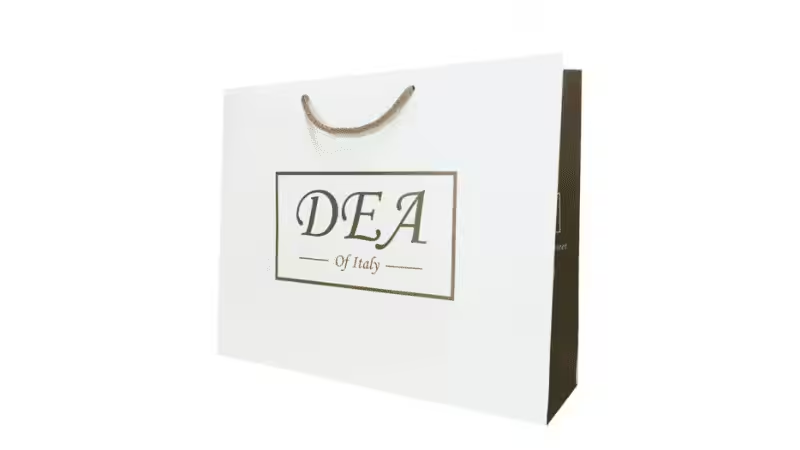
Make sure you consider this so you can choose the right paper that’ll bring out the most vivid print for your paper bags. Think about what paper surface will enhance the overall look of your brand colors, logo, and graphics.
4. Size and Style
The choice of paper will also be affected by the size and style of your paper bags. Some materials complement the style of certain bags.
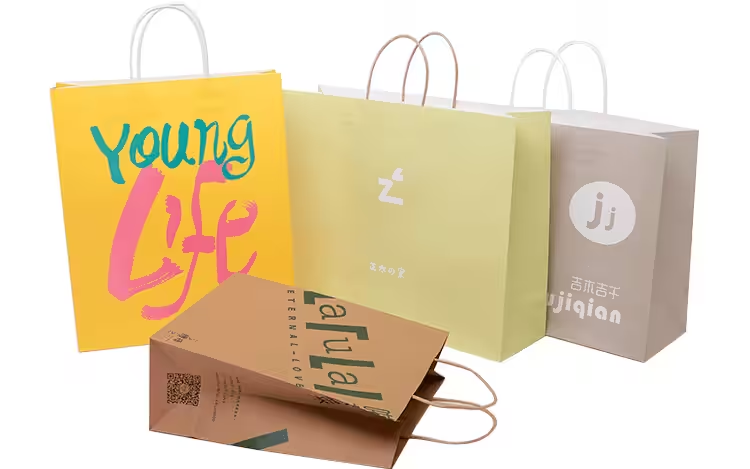
Kraft paper bags look great for simple designs and sustainable initiatives. The white paper is best for bags that require a certain level of sophistication. It’s also better to print intricate designs on white paper than on typical brown paper.
5. User Experience
Another thing that you should consider for paper bags is customer handling. The paper materials should make it easy for customers to carry the bag around, even with the weight of the product in it.
Make sure you consider how the customers will act. Do they usually go home immediately after buying a product from your store? Or is it typical for them to go around?
If it’s the latter, you want to ensure that it’ll be comfortable for them to hold the paper bag.
Apart from handling, consider the design preferences of the customer as well. Will they be impressed by embossed, foil-stamped, or intricate designs? The paper should allow these to be printed, and it should not bother the customers in any way.
6. Packaging Budget
The types of paper that you’ll use will cost differently. White cardboard and coated paper bags will be more expensive than those made of kraft paper. If you can’t afford special paper, just choose a simple kraft paper bag. Choose the thicker one, so it will still be as durable as the cardboard paper bags.
7. Environmental Impact
Using paper bags already takes you one step closer to being more eco-friendly. It’s certainly a lot better than using plastic bags. However, you still have to ensure you’re getting the right types of paper from the right source.
There are FSC-certified paper products. that make paper bags that source their materials from responsibly managed forests. Stick with these suppliers if you want to be more sustainable.
Paper vs. Plastic: The Environmental Impact
While paper bags are made from a renewable resource and decompose quickly, their environmental footprint is complex. The production process actually generates significantly higher greenhouse gas emissions and uses more water than thin plastic bags.
Therefore, a paper bag must be reused multiple times to match the lower carbon footprint of a single-use plastic bag. Proper recycling of post consumer waste is also essential, as heavily contaminated bags cannot be recycled and can ruin entire batches of paper pulp.
Benefits of Using the Right Material for Paper Bags
Why should you go through all the effort to choose the right material for paper bags? Here are four reasons why you should take paper bag material seriously.
1. Functionality
Your paper bags should protect the products that they carry inside. If your product tends to moisten over time, use coated paper so it’s laminated and won’t absorb the moisture.
Don’t forget about the marketing abilities of the bags as well. If you want to impress your customers with your design, use a wrapping paper bag so you can highlight your brand’s creativity through impressive prints.
2. Customer Appeal
As mentioned, paper shopping bags will be carried around by customers while they continue their shopping. Make sure you’re using the types of paper that won’t break in the process.
Not only that, use the right colors and designs that’ll make customers want to take home your paper bag.
3. Brand Representation
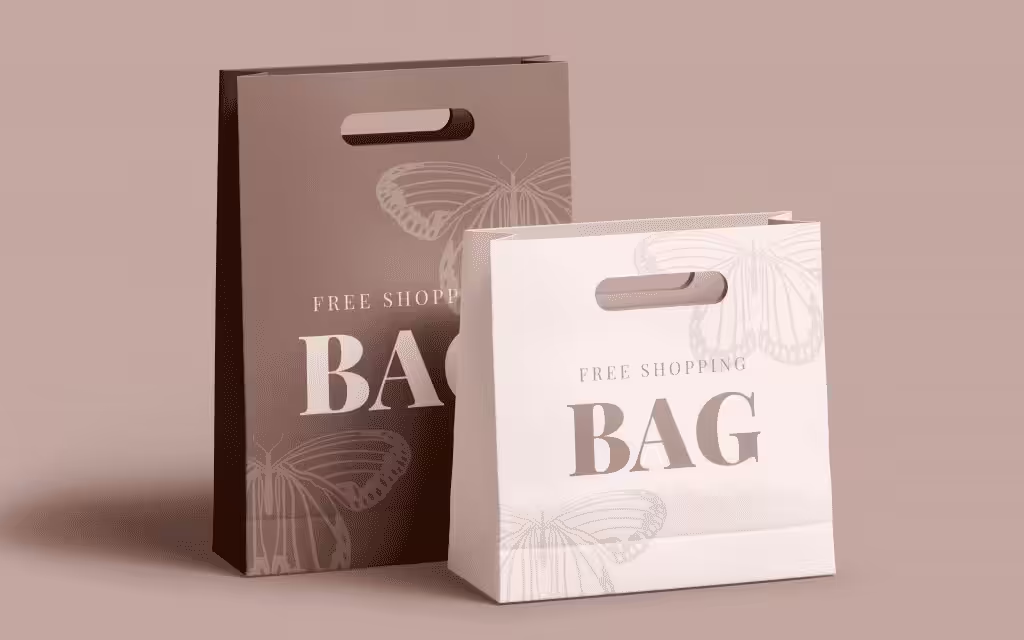
Did you know that 8 out of 10 consumers think a branded paper bag is attractive to look at? They like to see the name and logo of the brand.
Keep this idea in mind as you’re making paper bags. It’s going to be an extension of your brand. If you want to appear luxurious, use white cardboard. If you want to look sustainable, use recycled paper or kraft paper.
4. Reusability
The biggest advantage of paper bags is that they can be reusable. Sustainability is another benefit of using the right paper material. Paper bags should be functional and visually appealing enough to encourage their reuse.
This means you have to be careful when you use white cardboard. Laminate it so it won’t get dirty easily. There are bio-based plastic films that can be used to laminate paper bags.
Choosing the paper bag material for your brand is a decision that shouldn’t be taken lightly. Balance the need for functionality and beautiful packaging solutions so you can create the right mix that will represent your brand.
Frequently Asked Questions on Paper Bag Packaging
Q1: Are custom kraft paper bags waterproof?
Natural kraft paper is made from raw wood pulp and is not inherently waterproof. However, custom bags can be upgraded. We can apply an inner PE/PLA coating or use food-grade greaseproof paper to make them highly water and oil-resistant. For external moisture protection, adding a matte or glossy lamination is the ideal solution.
Q2: Which paper bag material is the cheapest for wholesale?
For bulk wholesale, standard brown kraft paper and recycled paper are the most cost-effective materials. They require less chemical processing and bleaching than white cardboard. To maximize your budget and lower the Cost Per Unit (CPU), pair these materials with single-color flexo printing and standard twisted paper handles.
Q3: What is the best paper material for luxury brand packaging?
White paperboard (white cardboard) and textured specialty paper are the ultimate choices for luxury packaging. Their high GSM (grams per square meter)provides a rigid, premium structure. Furthermore, their premium surfaces flawlessly support high-end finishes like hot foil stamping, Spot UV, and deep embossing/debossing, creating an unforgettable unboxing experience.
Conclusion
Choosing the paper bag material for your brand is a decision that shouldn’t be taken lightly. Balance the need for functionality and beautiful packaging solutions so you can create the right mix that will represent your brand.
Create the Perfect Paper Bag for Your Brand with Packoi Today!
If you need expert advice about your options, is here to help. We are FSC-certified, so you can be assured that we only source our paper products from responsibly managed forests.
Give us a call so we can discuss your paper bag ideas. We’ll get back to you with a quote as soon as possible.