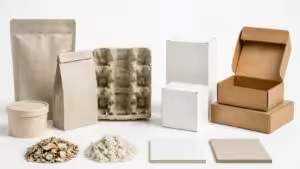
Imagine a time capsule for your most treasured possessions—a fortress against aging and decay. Enter acid-free storage boxes! They may look simple, but these boxes are storage superheroes, protecting your memories and keepsakes from damage.
In this guide, we’ll cover everything you need to know about acid-free storage boxes and how to choose the right one. Say goodbye to faded photos and brittle documents—your storage is about to get the care it deserves. Let’s dive in!
What is an Acid-free Paper Storage Box?
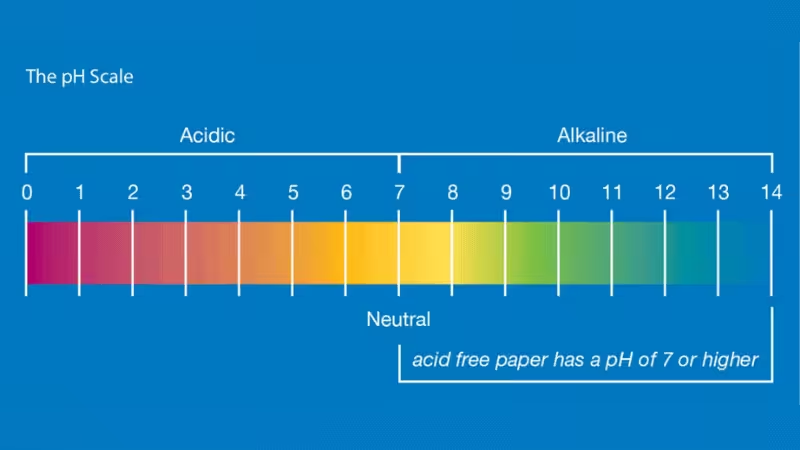
Now the million-dollar question is – What is an acid-free storage box? It is a storage box made from materials that have a neutral or alkaline pH level.
Regular boxes contain acids or chemicals that, over time, slowly eat away at your treasures. Imagine your cherished photos or other important papers and documents turning yellow and brittle. Not cool, right?
Well, that’s where acid-free storage boxes come in to save the day! These boxes don’t have acidic compounds that can damage or deteriorate various stored items.
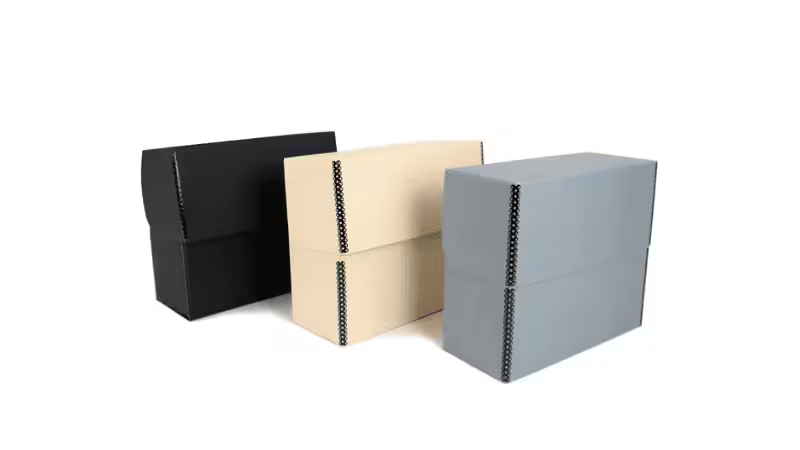
Acid-free storage boxes preserve your documents, pictures, artwork, and other valuable items as they prevent yellowing, brittleness, and deterioration caused by acid exposure.
They are like cozy, protective homes for your precious items, ensuring they stay in tip-top shape for years to come!
Before we dive in, let’s take a moment to understand: How do acid-free storage boxes actually work?
The Science: pH Levels & Buffering Agents
The core of an acid-free box’s effectiveness lies in its pH balance and added protective compounds. These boxes are engineered with lignin-free paper and cardboard, which removes the primary natural source of acid in paper-based materials.
To further fortify against external acidity, premium acid-free boxes include calcium carbonate buffering agents (and sometimes magnesium carbonate). These buffering compounds neutralize any acidic substances that come into contact with the box—whether from the air, handling, or adjacent materials—creating a pH-stable environment for stored items.
This scientific design stops oxidation and chemical breakdown in its tracks, the leading causes of material deterioration.
Acid-Free vs. Lignin-Free: What’s the Difference?
Many people use “acid-free” and “lignin-free” interchangeably, but they refer to distinct (and complementary) material properties—both critical for museum-grade packaging:
- Acid-free: Describes materials with a neutral/alkaline pH (no free acids that cause decay). A material can be acid-free without being lignin-free, but this limits its long-term archival value.
- Lignin-free: Lignin is a natural polymer in wood pulp that breaks down over time, releasing acids into surrounding materials. Removing lignin ensures the material itself never becomes a source of acid, making it essential for ISO 9706 compliant archival storage.
For true long-term preservation (50+ years), the best storage boxes are both acid-free and lignin-free—a non-negotiable for museums, archives, and luxury brand packaging.
Benefits of Acid-free Paper Storage Boxes
Acid-free paper storage boxes are a reliable choice when it comes to long-term storage. From the preservation of memories to the prevention of deterioration, these document boxes offer a multitude of benefits.
Whether you’re preserving documents, protecting art, or protecting your special products, these boxes are an invaluable tool for preserving your most prized possessions.
Let’s take a look at a few of the benefits.
1. Prevent Yellowing & Deterioration
Do you know how your old documents and photos turn yellow over time? If photos, documents, textiles, etc., come into direct contact with acidic products, it results in decay and permanent damage.
Acid-free storage containers keep this from happening. These boxes don’t contribute to the yellowing and deterioration of paper-based items. Rather, they slow down the aging process.
This means your keepsakes will maintain their structural integrity and original appearance – they will look fresh and vibrant, just like the day they were created!
2. Protect Against Environmental Factors
If you want to store your memorabilia for a long time, acid-free storage boxes are your best friend. They provide a protective, stable environment that prevents decay, making them perfect for archival purposes.
These boxes are not just about protecting against chemicals and acids – they are also like a fortress against natural elements. Humidity, light, and other natural elements cause irreversible damage to your valuables.

Acid-free boxes block dust, dirt, and light, making them the best option for storing photographic prints, documents, and other keepsakes.
3. Versatile
Another great thing about these boxes is that they come in various sizes and styles, making them versatile.
Whether you are a collector of vintage postcards or fancy baseball cards, or simply need ample space to store old letters, there’s likely an acid-free box out there for you!
4. Peace of Mind
Knowing that your collectibles and precious memories are secure and snug in storage boxes? That’s peace of mind right there. No more worrying about your favorite things fading away slowly!
5. Elevate Brand Image for Premium Products
For businesses in luxury industries (jewelry, fashion, fine art, and bridal), packaging is an extension of the brand. Generic, low-quality packaging undermines the perceived value of premium products—while custom acid-free packaging does the opposite.
Acid-free boxes signal quality, care, and attention to detail to customers, elevating the unboxing experience and reinforcing your brand as a premium, trustworthy provider. By protecting your products from damage during storage and shipping, these boxes also reduce returns and ensure customers receive their purchases in perfect condition—boosting brand loyalty and positive reviews.
Types of Acid-Free Storage Boxes
The right acid-free storage box depends on the items you’re preserving—whether for personal archival or business packaging/shipping. Below is a comprehensive list of specialized box types, combining both the common commercial forms and the specific applications for various collectibles and documents:
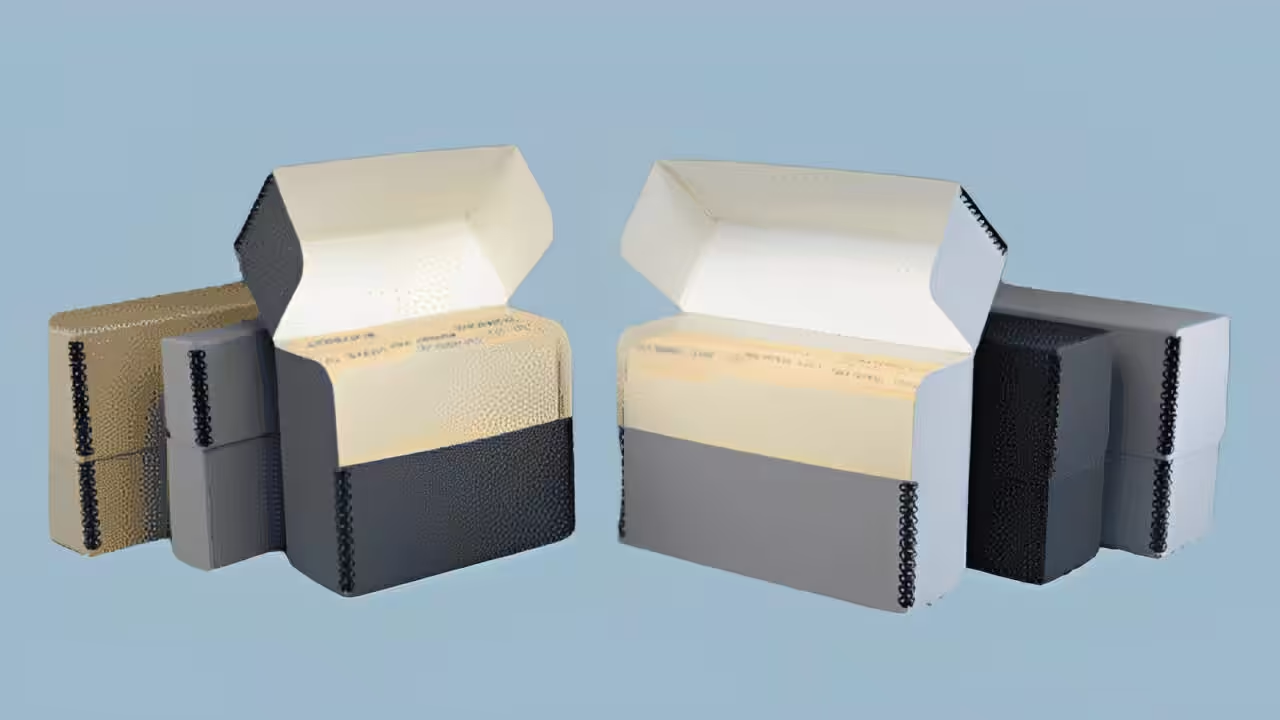
1. Clamshell Archival Boxes
Clamshell archival boxes are the top choice for museum-grade packaging and personal archival storage. They feature a hinged, one-piece design that opens like a book, providing full protection for the contents while making them easy to access. These boxes are typically made from acid-free, lignin-free paperboard with reinforced edges and secure closures, ideal for storing historical documents, fine art prints, and small collectibles flat and undamaged.
2. Two-Piece Rigid Boxes for Luxury Goods
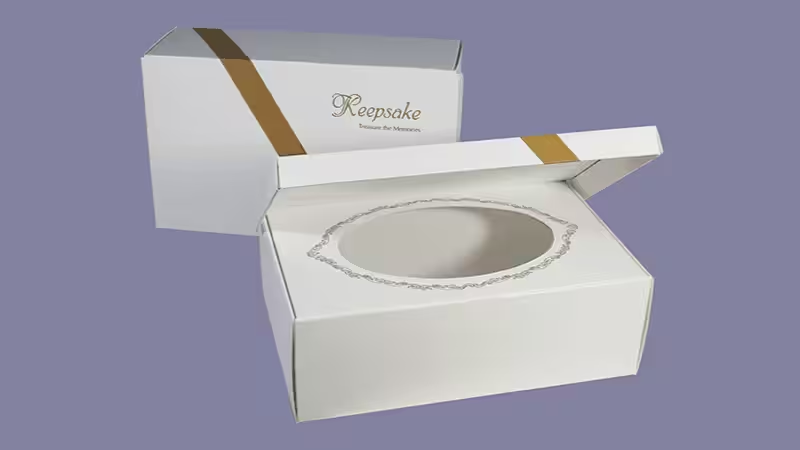
Two-piece rigid acid-free boxes are the go-to for luxury brand packaging. Featuring a separate base and lid, they create a sleek, premium unboxing experience. Crafted from thick, archival-quality rigid board with acid-free linings, they are fully customizable with brand colors, finishes, and inserts, making them perfect for high-end jewelry, watches, and fine art.
3. Corrugated Acid-Free Boxes for Shipping
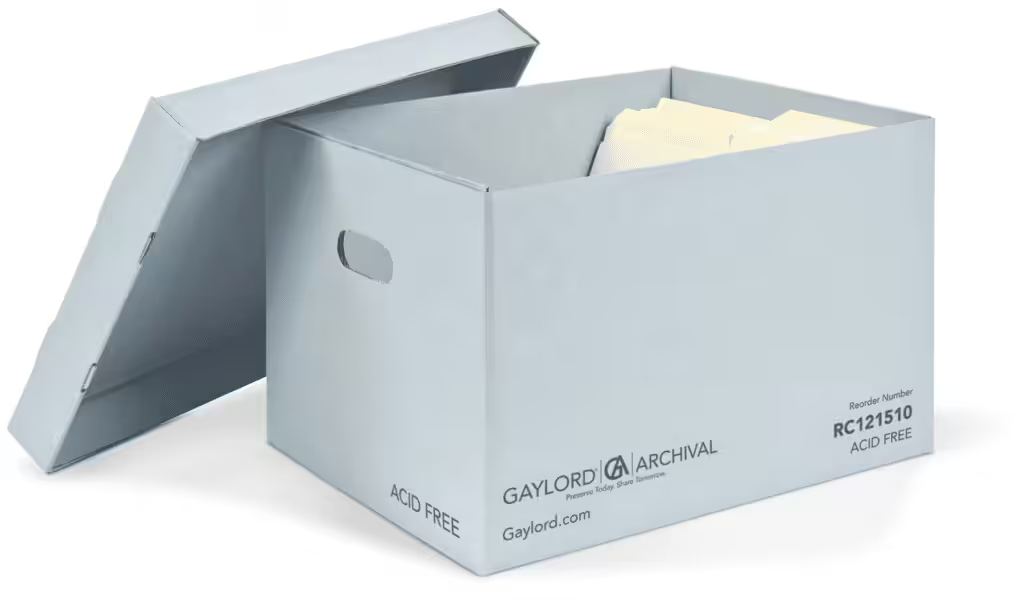
For businesses shipping delicate, acid-sensitive items like fine art or archival documents, corrugated acid-free boxes are ideal. They combine the structural durability of corrugated cardboard with acid-free, lignin-free properties, providing crush resistance and moisture protection during transit. Many are also recyclable, aligning with sustainable business practices.
4. Document & Photograph Storage Boxes
- Acid-Free Archival Document Boxes: Specifically designed for preserving important papers like birth certificates, legal documents, and historical records, available in various sizes to fit different document dimensions.
- Photograph Storage Boxes: Tailored for pictures and prints, often with individual compartments or acid-free envelopes to prevent photos from sticking together and causing damage.
5. Art, Textile & Collectible Storage Boxes
- Art Storage Boxes: Ideal for artists and collectors, these often feature adjustable lids, dividers, and padding for added protection of artwork.
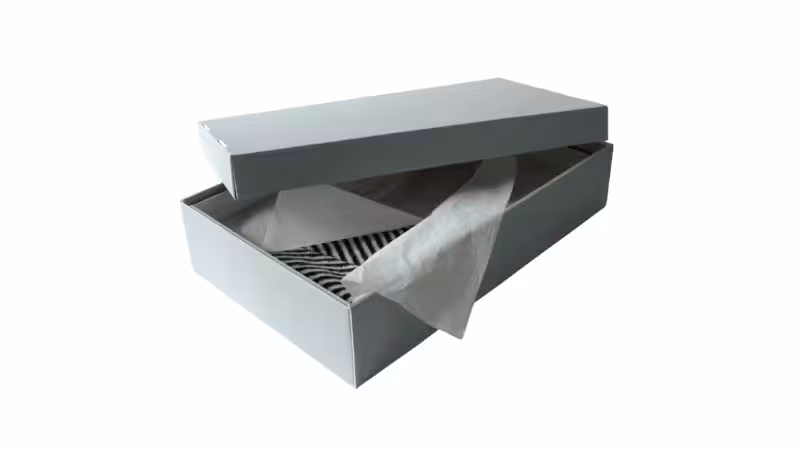
- Textile and Garment Storage Boxes: Spacious and lined with acid-free tissue paper, these safeguard vintage clothing, heirloom quilts, and delicate fabrics from moisture, yellowing, and deterioration.
- Coin and Currency Storage Boxes: Used by numismatists, these flat boxes have compartments or trays for easy sorting and carrying of valuable coins and bills.
- Stamp Storage Boxes: Philatelists rely on these boxes, usually designed with compartments or sleeves to organize individual stamps safely.
6. Media & Microform Storage Boxes
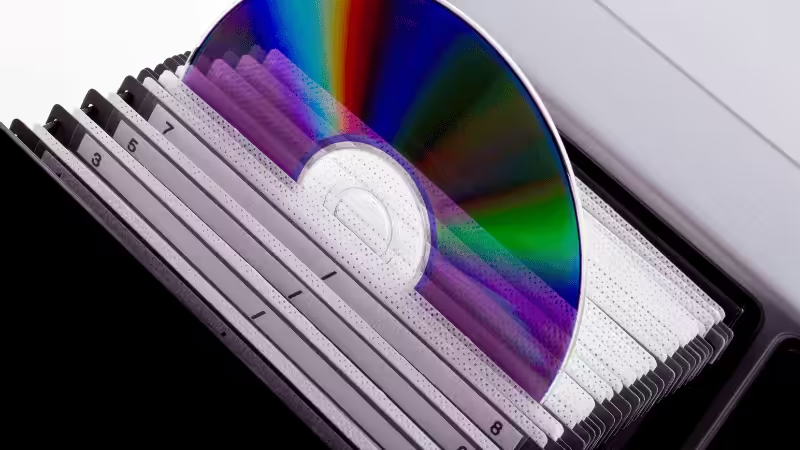
- CD/DVD Storage Boxes: Made to store optical media, protecting discs from scratches, moisture, and data-degrading environmental factors.
- Microfilm and Microfiche Boxes: Specialized boxes used by institutions and national archives to prevent the deterioration of microfilm and microfiche records, ensuring their long-term preservation.
7. Coin and Currency Storage Boxes
Numismatists and collectors of paper currency often use acid-free storage boxes to keep their valuable coins and bills safe. These flat storage boxes have compartments or trays for easy carrying and sorting.
Acid-Free Storage Boxes vs. Common Storage Boxes
Now that we have a clear idea about the benefits offered by document boxes, the question arises: What are the differences between acid-free and common storage boxes?
Acid-free storage boxes are designed to provide additional protection for valuable and sensitive objects. They prevent chemical degradation, which makes them a preferred choice for preserving documents, photographs, artwork, textiles, and collectibles over the years.
Common storage boxes lack these protective features and are generally not suitable for preserving such items. In a nutshell, acid-free boxes are like an insurance policy against the ravages of time and acidity. Let’s delve a bit deeper.
pH Levels
Acid-free boxes are specifically engineered with lignin-free materials that have a neutral or alkaline pH level. They do not contain acidic compounds that wreak havoc on your precious keepsakes
Common storage boxes are made from materials that may contain acids or acidic compounds. These can accelerate the degradation of other items stored inside.
Buffering Agents
Acid-free boxes often contain buffering agents like calcium and magnesium carbonate. These agents help neutralize any acidic substances that may come into contact with the stored items.
Common boxes lack buffering materials, leaving the contents vulnerable to acidic degradation.
Mold and Mildew Prevention
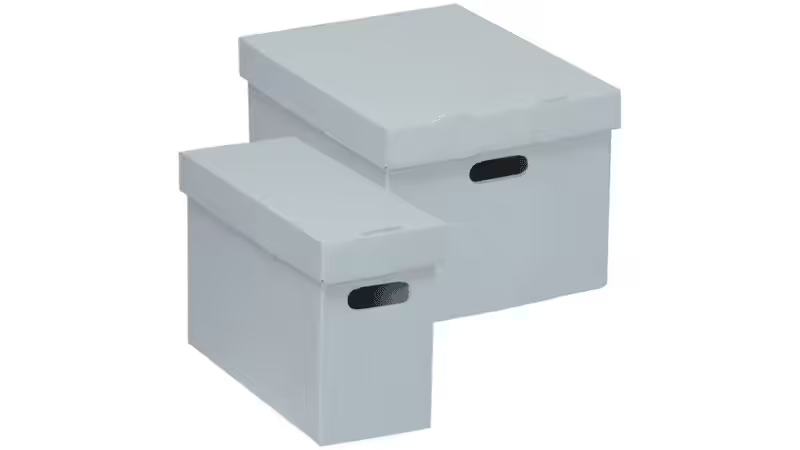
Acid-free boxes are less prone to mold and mildew growth due to their moisture-resistant properties. Common boxes may absorb moisture and provide a conducive environment for mold and mildew to develop.
Environmental Factors
Acid-free boxes act as a barrier against environmental factors such as light, humidity, and pollutants, protecting items from potential harm.
On the other hand, common boxes lack the protective qualities of acid-free boxes and do not shield items from environmental hazards as effectively.

Longer Storage Periods
Acid-free boxes are ideal for longer storage periods and archival purposes. They ensure that stored items remain in stable condition over many years.
While suitable for short-term storage, common boxes are less reliable for preserving items over extended periods due to their acidic components.
5 Factors for Choosing the Right Acid-Free Storage Box
Selecting the right archival box is essential for preserving your valuable objects. Here are five crucial factors to consider when making your choice.
Material Quality
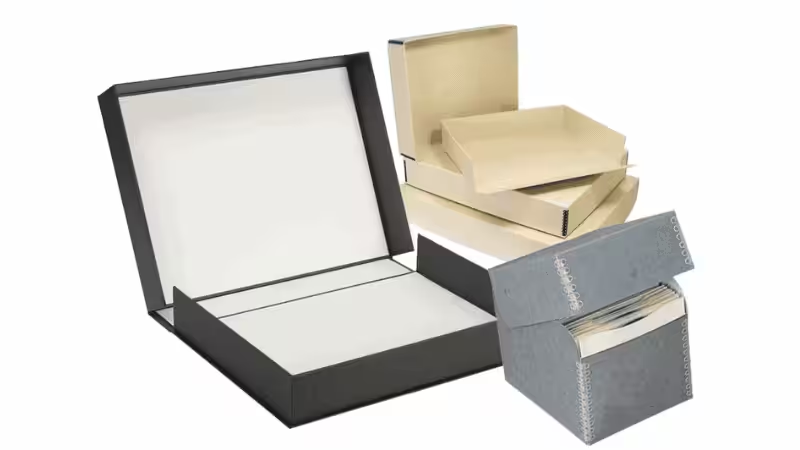
Opt for boxes labeled as “archival quality” or “museum quality” if you’re looking for long-term preservation. These boxes are designed to meet high standards for the protection of valuable items.
Archival storage boxes are typically constructed from acid-free paperboard, cardboard, or acid-free plastic.
Size and Capacity
Consider the dimensions and capacity of the box. Choose a size that accommodates your items comfortably without excessive bending or crowding the limited space. It’s better to have a bit of extra storage space than to compress your items.
If you’re storing a variety of item sizes, look for document boxes with adjustable dividers or multiple compartments to enhance storage space.
Cost

The next factor to consider is cost. While high-quality archival boxes might be slightly more expensive, they are a worthwhile investment for the long-term preservation of valuable items. Compare prices and quality to find the best balance.
Level of Protection Needed
Your choice of box should match the level of protection your items require:
- Basic archival: For standard documents/photos, a simple acid-free paper box is sufficient.
- High humidity/mold risk: Choose moisture-resistant acid-free boxes with sealed closures, and add silica gel packs.
- Luxury product shipping: Opt for rigid acid-free boxes with padded interiors or custom inserts to prevent scratching/denting.
- UV light exposure: Select light-blocking acid-free boxes (e.g., black or opaque) for photos, art, and dyed textiles.
Durability Limits
Consider how the box will be used—e.g., long-term shelf storage, frequent handling, or shipping—and choose a durable option accordingly. Reinforced corners and edges enhance a box’s structural integrity, ensuring it maintains its protective qualities over years of use.
For businesses, wholesale rigid boxes offer superior durability for shipping and retail display, while clamshell archival boxes are ideal for long-term shelf storage of high-value items.
Ideas for Designing an Acid-Free Storage Box
Designing acid‑free packaging and storage boxes requires a balance between long‑term preservation, functionality, and visual appeal. Different users have different needs: brands focus on protection and brand image, while individual users prioritize practicality and safe storage.
Below are targeted design ideas for both custom branded packaging and archival storage boxes:
1. Premium Custom Acid-Free Packaging Solutions
Designing custom acid-free packaging is a balance of protection and brand identity-the box must safeguard your products while aligning with your brand’s aesthetic and values.
- Incorporating Brand Colors & Pantone Matching
- Brand recognition starts with color—custom acid-free packaging should feature your brand’s core colors, matched precisely via Pantone color matching. This ensures consistency across all your packaging and retail materials, reinforcing your brand image with every customer unboxing.
- Acid-free inks and dyes are used to print on the box’s lignin-free paper surface, so color vibrancy is preserved over time—no fading or discoloration that undermines your brand’s premium look.
- Premium Finishes: Foil Stamping & Embossing:For luxury brands, premium finishes take custom acid-free packaging to the next level, creating a tactile, high-end unboxing experience.
- Foil stamping: Gold, silver, or custom-colored foil adds a metallic, reflective touch to logos, brand names, or design details—perfect for high-end jewelry, watches, and bridal fashion.
- Embossing/debossing: Raised or indented design elements create a 3D effect that feels luxurious and exclusive, without damaging the acid-free material.
- Custom Inserts: Custom inserts are essential for protecting delicate luxury products during storage and shipping. They keep products in place, preventing scratching, denting, or shifting—while also enhancing the unboxing experience by showcasing your products beautifully.
- EVA foam: Soft, durable, and customizable to any product shape—ideal for jewelry and watches.Sponge: Ultra-soft for delicate items like fine art prints or bridal accessories.
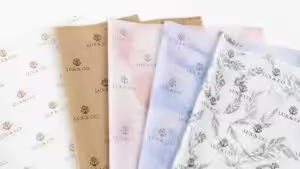
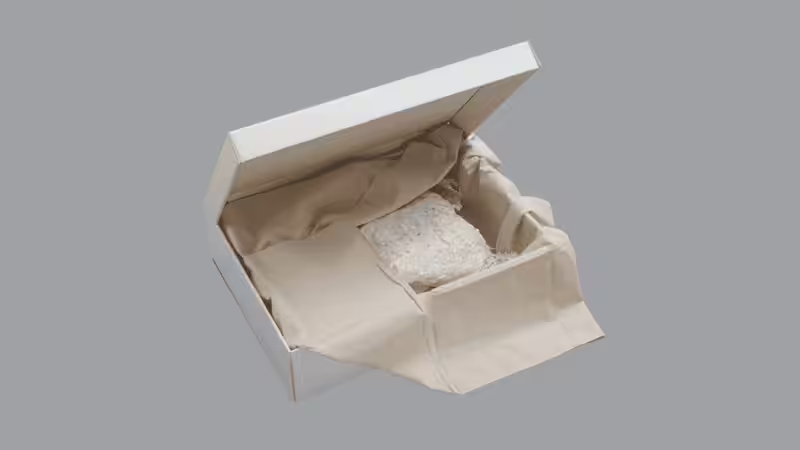
- Acid-free tissue paper: Lines the box and wraps products, adding an extra layer of protection against scratches and acid exposure.
2. Practical Acid-Free Storage Box Design
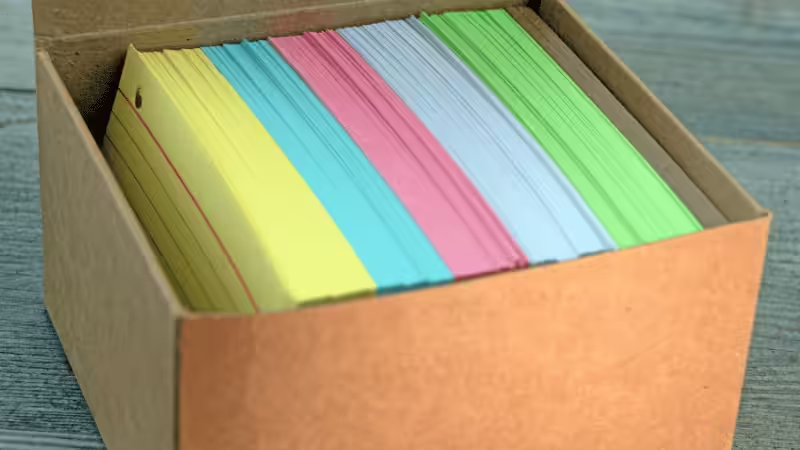
The key to designing an acid-free storage box is to choose materials and design features that will provide the level of protection your items require without causing damage or harm.
- Use an archival-quality acid-free paper liner: This will ensure that your items are protected from acidic materials that could cause damage over time.
- Choose a design that is sturdy and durable: Acid-free storage boxes should be designed to hold up over time and should be made with durable materials that will protect your items from damage.
- Consider the size of your items: Acid-free storage boxes should be designed to fit the specific size and weight of your items without causing harm or causing them to shift around excessively.
- Choose a design that is easy to use: Acid-free storage boxes should be designed with ease of use in mind, with easy-to-use seals and latches that won’t damage your items.
- Consider the need for temperature and humidity control: Acid-free storage boxes should be designed with temperature and humidity control in mind to protect your items from fluctuations in these factors that could cause damage over time.
The design should be functional, aesthetically pleasing, and provide the necessary protection your items need to remain in good condition over time.
Care and Maintenance of Acid-Free Storage Boxes
Even the highest-quality archival quality acid-free boxes require proper care to maintain their protective properties. By following these key tips, you’ll ensure your boxes (and their contents) stay in perfect condition for decades:
1. Store in a Controlled Environment (Avoid Sunlight)
Extreme fluctuations in temperature and humidity damage both the box and its contents—causing warping, mold, and oxidation. Store your acid-free boxes in a stable environment with consistent temperature (60-70°F/15-21°C) and relative humidity (30-50%).
Avoid direct sunlight and UV radiation at all costs: prolonged exposure causes fading of printed designs (for business packaging) and damage to photos, art, and textiles inside the box. Store boxes in a dark closet, cabinet, or archival storage room for maximum protection.
2. Handle with Clean Hands
Dust, moisture, and natural oils from your hands can transfer to the box’s surface and seep inside, potentially contaminating stored items and compromising the calcium carbonate buffering agents. Always handle acid-free boxes with clean, dry hands—if handling for extended periods, wear lint-free cotton gloves (especially for museum/archive work or luxury product packaging).
3. Use Silica Gel Packs
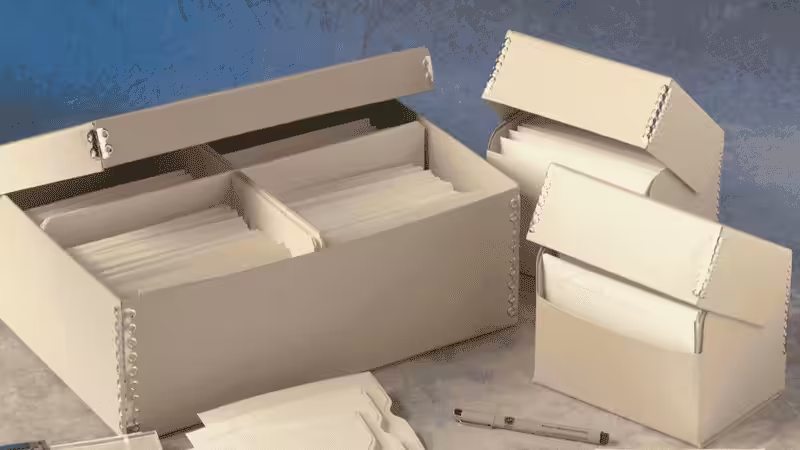
Moisture is one of the biggest threats to acid-free storage, especially in humid climates. Add silica gel packs inside your acid-free boxes to absorb excess moisture and maintain a dry interior—preventing mold, mildew, and water damage to the box and its contents.
Replace silica gel packs every 6-12 months (or when they turn pink/indicate they’re saturated) to keep them effective. For bulk business storage, place additional silica gel packs in the storage area (e.g., shelves, shipping crates) for extra moisture protection.
Industries and Applications of Acid-free Storage Boxes
Storage boxes find application in various industries and for a wide range of purposes due to their ability to protect valuable items from deterioration. Here are some key industries and their respective applications for storage boxes.
Libraries and Archives
Libraries and archives use these boxes extensively to preserve historical documents, manuscripts, rare books, photographs, maps, and other valuable materials. They help in preserving the integrity and value of your items.
Corporate Archives
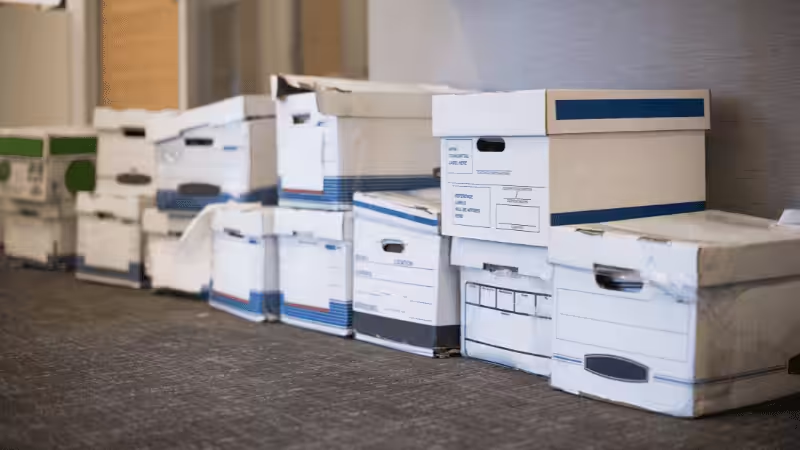
Many corporations maintain archives of important records, contracts, financial documents, and historical company materials.
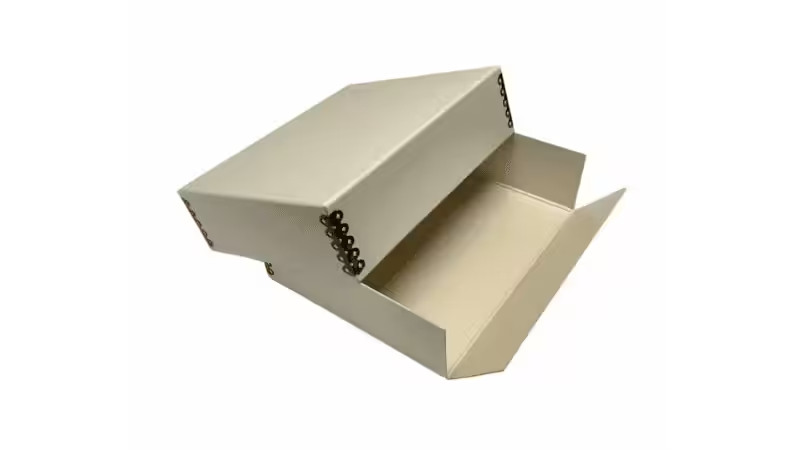
Archival boxes are essential for safeguarding these corporate archives, helping to ensure compliance, legal protection, and historical preservation.
Food and Beverage Industry
In the food and beverage industry, acid-free storage boxes may be used for the preservation of delicate and valuable labels, packaging materials, vintage wine labels, and other collectible items.
Jewelry Product Packaging
Acid-free storage boxes are employed in the jewelry industry for the safe storage and display of fine jewelry, including rings, necklaces, earrings, and watches.

They protect valuable pieces from tarnishing, scratching, and other forms of damage during storage and transport.
In these diverse industries, archival boxes serve a common purpose – to protect valuable and historically significant items from deterioration, ensuring their longevity and preserving their cultural, historical, or financial value.
FAQs
Q1: How long do items stay protected in an acid-free storage box?
High-quality archival boxes can protect documents, photos, original and printed artwork, and family heirlooms for hundreds of years. For family archives or vintage ephemera collections, just keep them in a cool, dark, dry place with stable humidity. That’s all you need for maximum longevity.
Q2: How can I verify if a box is truly acid-free?
Use a pH testing pen—neutral paper turns purple, and reputable suppliers follow ISO 9706 standards. Archivists often recommend boxes with a hinged lid and metal edge for extra durability. These enclosures are the best choice for protecting letters, collections, and printed artwork.
Q3: Is it safe to use regular tissue paper inside an acid-free box?
No—regular tissue paper contains acids that can damage your items. Always use acid-free tissue paper instead. For large cases or folders holding family memorabilia, good organization prevents fingerprints and unnecessary wear. Every small choice you make helps protect your collections.
Q4: Can custom branding and printing be applied to acid-free boxes?
Yes—custom branding and printing can be added without reducing protection, using eco-friendly soy inks and techniques like foil stamping. Whether you’re storing letters, printed artwork, or large collections, the right materials will keep your treasures safe for years.
Conclusion
So there you have it, folks! Think of them as the protective guardians of our valuable stuff. Whether it’s ancient manuscripts, company records, or that stunning diamond necklace, these boxes keep them safe from the clutches of time!
The benefits of using acid-free storage boxes are numerous, making them a reliable choice for long-term storage. So, remember that choosing the right storage box is a key step in preserving your most treasured possessions for generations to come!
Discover the Perfect Solution for Your Business with Packoi
Are you feeling cluttered and overwhelmed? Looking for customized storage options for your work? We’ve got the right one for you! Head over to the website and learn more about Packoi and see how you can preserve your cherished memories or guard your valuable possessions easily. Check out their design services to make a storage solution a stylish one! Contact us today!