Look no further! Food brochures play an important role in marketing your restaurant or food business website, helping you stand out from the competition.
A good menu template can bring in customers and show off your tasty food. Our guide and tips will help you make a brochure template that looks nice and promotes your delicious dishes.
So let’s dive right in and get started on making a mouthwatering food brochure that leaves everyone hungry for more!
What Is a Food Brochure?
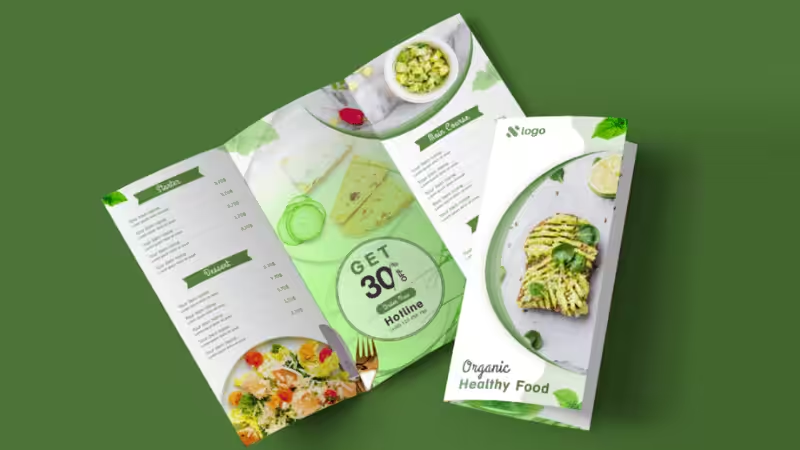
A food brochure is marketing material that showcases various dishes and food offerings. It serves as an informative tool for customers, providing them with enticing visuals and descriptions of the available food options and services.
Unlike menus or flyers, food brochures go beyond listing the menu items and delve into the details of each dish, effectively promoting the food products and services offered by the restaurant.
Food marketing brochures come in different formats and sizes. They can be single-page leaflets or multi-page, two-fold pamphlets. This lets businesses show off their food and promote their products.
Businesses in the food industry often use marketing brochures to promote their products. Restaurants, cafes, catering services, and food delivery platforms rely on these brochures to attract customers. They use appealing images and descriptions to capture attention and generate interest in their dishes.
4 Key Components of a Food Brochure
When creating a healthy food diet brochure for marketing your food products or a menu for a healthy food diet, there are several key components of a tri-fold brochure that you should consider to make it effective and appealing.
From essential and important information about your products to branding elements, here are the important factors to keep in mind when designing brochures.
1. Essential Information
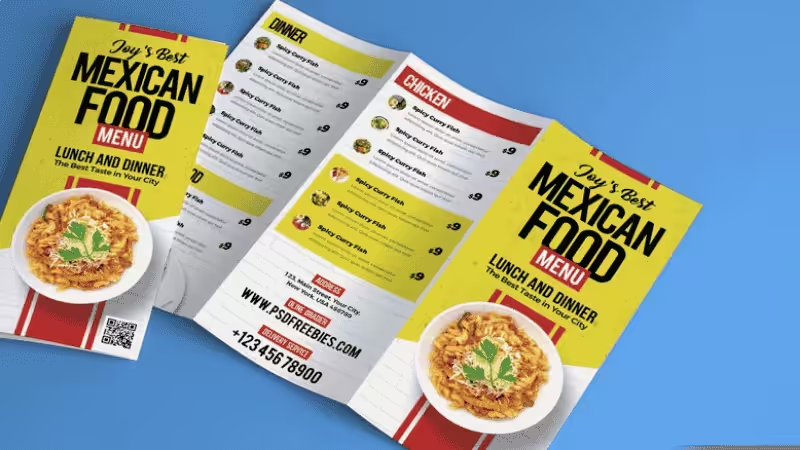
- Include contact details, such as a phone number and email address, on your business brochure template so potential customers can easily reach out about your products.
- Clearly state the location of your business establishment, making it convenient for people to find you. Use brochures or menu brochure templates to help promote your business.
- Don’t forget to mention your opening hours in your business brochures, ensuring customers know when they can visit.
2. High-Quality Images
- Use high-quality images that showcase your menu items or the ambiance of your restaurant in your business brochures. Consider using a brochure template to highlight the details of your offerings.
- Visuals, such as brochures, are essential in enticing people and providing them with details about what they can expect. A brochure template can effectively showcase the information and attract potential customers.
- Ensure the images in your brochures are well-lit, appetizing, and accurately represent the food you offer. Use a brochure template to showcase all the details that will attract people.
3. Compelling Descriptions and Unique Selling Points
- Write compelling descriptions for each dish or highlight the unique selling points of your establishment using brochures. Use a brochure template to create visually appealing content that showcases the best features of your business.
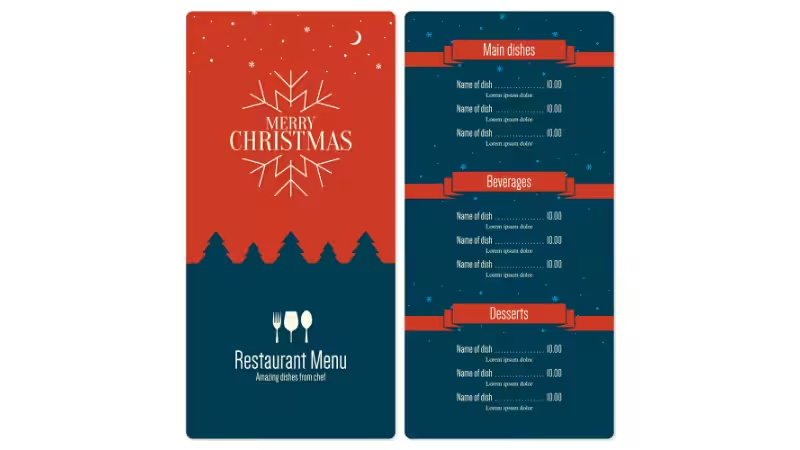
- Be creative with words to make the descriptions of brochures mouth-watering and irresistible. Use a brochure template to help you create compelling content.
- Emphasize any special features or ingredients that set your food apart from competitors in your brochures. Use a brochure template to showcase these unique aspects.
4. Branding Elements
- Incorporate branding elements like logos, color schemes, and fonts into your brochure design. Use a template to create visually appealing brochures.
- Consistency in your brand identity helps create recognition among potential customers. Using well-designed brochures and a professional brochure template can further enhance this recognition.
- Make sure these brochures and brochure templates align with your overall brand image and reflect the atmosphere of your restaurant.
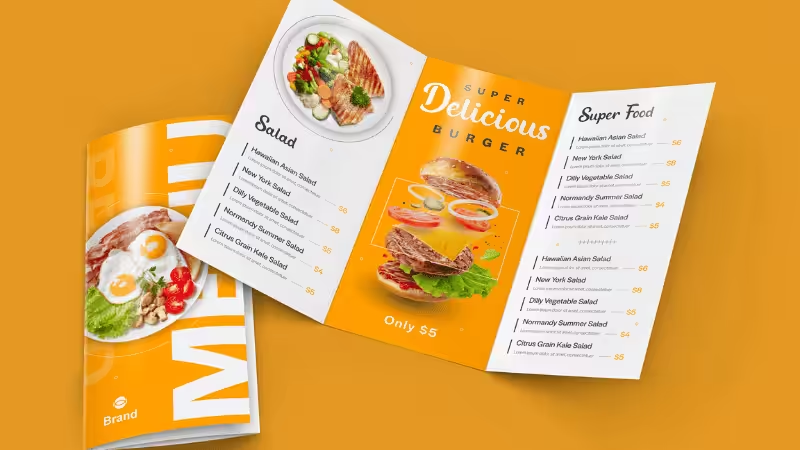
By considering these key components of a tri-fold brochure—essential information, high-quality images, more detailed information, compelling descriptions, branding elements, own images, brochures, and templates – you can create an engaging food brochure that captures attention and entices people to visit your establishment.
13 Steps to Create a High-Converting Food Brochure
Creating a food brochure is a great way to showcase your restaurant’s menu, promotions, and other offerings to potential customers. Follow these thirteen steps to design a brochure that not only highlights your food but also drives real results.
Step 1: Define Your Purpose
Determining the company’s logo, mission statement, and objective for your food and brochure template and identifying your target audience are crucial aspects to consider. These factors will guide you in deciding the content and design of the food brochure template.
Step 2:Decide on Your Design
Research and decide on the design of your food brochure template.
Are you going for a minimalist approach or a more complex graphic design?
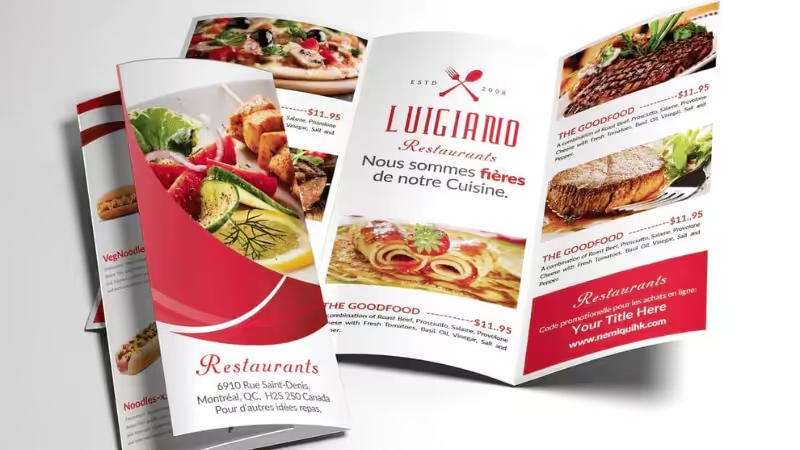
Your brochure should reflect the atmosphere of your restaurant.
Incorporate your logo, brand colors, and fonts throughout the design to strengthen your brand identity.
For instance:
- Warm tones are a great choice for cozy cafés.
- Clean, minimalist layouts suit modern restaurants perfectly.
Step 3: Choose the Right Images
High-quality images are essential for a food brochure.
Say no to dull or blurry pictures. Opt for real photos of your dishes instead of relying on stock images. Authenticity builds trust with your audience.
To capture images that truly stand out, keep a few simple tips in mind:
- Make the most of natural light.
- Keep your background simple and distraction-free.
- Let texture and color take center stage.
If you prefer to use existing images, you can also find high-quality photos on free stock websites like Unsplash, Pixabay, and Flickr.
Whether you take the photos yourself or hire a professional photographer, the goal is the same — choose images that showcase your food and make it look appetizing.
Step 4: Write Your Content
Don’t just list dish names — use language that makes people eager to try your food.
Instead of “Beef Burger,” try a more vivid description: “Juicy beef patty with melted cheese, tucked into a soft bun.”
Stick with short, punchy sentences. Bring your dishes to life with sensory words like crispy, creamy, spicy, juicy, and smoky.
Thoughtful descriptions let customers imagine the flavor before they even take a bite.
On top of that, your brochure should include key details, such as your restaurant or company name, menu items, pricing, operating hours, service options, address, and any special offers, events, or promotions.
Step 5: Keep Your Layout Simple and Clean
Simplicity is what makes great design stand out. Make thoughtful use of space to ensure your brochure is easy to navigate.

Pick a layout that fits your needs:
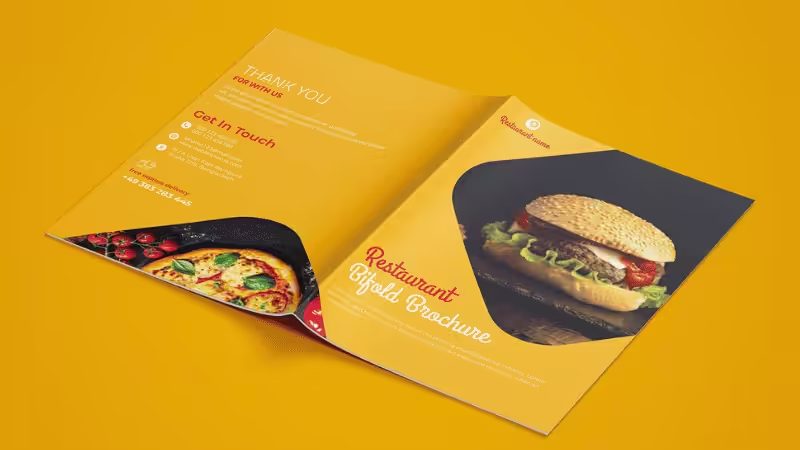
- Bi-fold – Ideal for showcasing visuals and images.
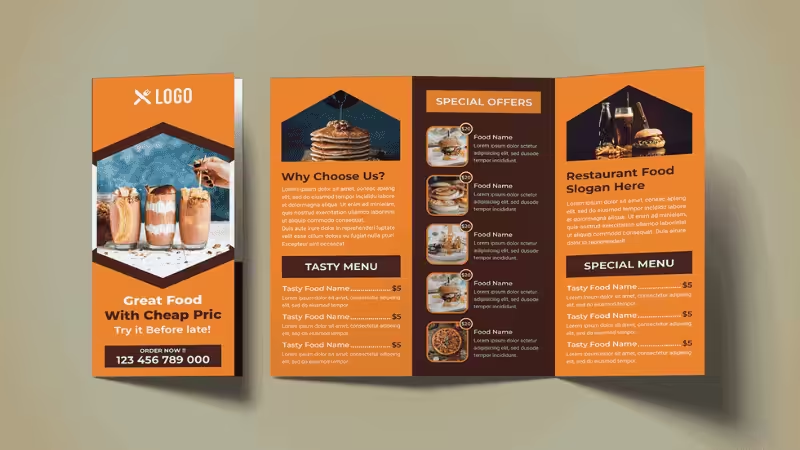
- Tri-fold – A solid choice for highlighting promotions.
- Z-fold – Works well when you want to tell a story.
Don’t forget to include plenty of white space. It gives your design a clean, polished look.
Step 6: Showcase Your Signature Dishes
Highlight what your restaurant does best. Feature a “Chef’s Special” or “Guest Favorite” section to draw attention to your standout items.
Consider adding limited-time offers or meal bundles. Including QR codes makes it easy for customers to place orders or reserve a table — right on the spot.
These small touches encourage readers to take action.
Step 7: Create a Call to Action
End your food brochure with a call to action. Include contact information and links to your website or social media, and encourage readers to call or visit your restaurant.
Step 8: Find the Right Balance Between Text and Visuals
Too much text can overwhelm readers. Too many images can feel chaotic. Striking the right balance is key to keeping your brochure engaging.
A good rule of thumb: aim for 60% visuals and 40% text to create a layout that feels both inviting and informative.
When it comes to typography, choose a font that is easy to read and consistent with your brand. Consider using different fonts for headings and body text to add visual interest.
In addition, using design elements like small icons, subtle lines, or simple illustrations can help guide readers through your design effortlessly.
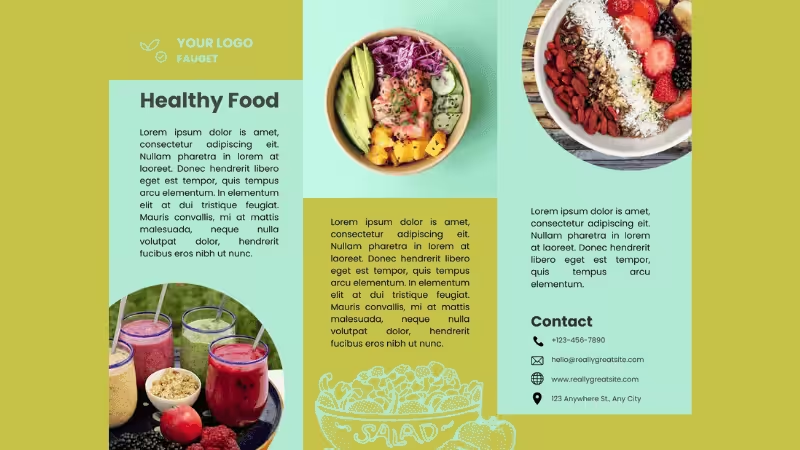
Step 9: Choose High-Quality Printing
Good printing brings your design to life. Pair quality paper with professional finishing and choose the right ink — it instantly elevates the feel of your brochure.
Which finish to choose:
- Matte – Smooth, elegant, and refined
- Glossy – Vibrant colors that grab attention
If you can, work with a professional brochure design service — they’ll ensure crisp printing and accurate color reproduction.
Step 10: Share Your Restaurant’s Story
People love a good story. Share your restaurant’s journey — how it got started, where your menu inspiration comes from, or what makes your chef special.
Adding a personal touch gives your brochure warmth. It becomes more than just a marketing piece — it’s a way to connect with your customers.
Step 11: Proofread and Edit
Proofread and edit your brochure to ensure everything is accurate, the whole page design is consistent, and there are no errors.
Step 12: Proof Your Design
Have someone else review your design and offer feedback. They may notice things you’ve missed and help you make improvements.
Step 13: Print and Distribute
Print and distribute your food brochure, and get it in front of your targeted audience. You can also share your brochure and display it in print, digitally online, on social media, by email, and through your company website.
By following this step-by-step guide, you can create an appealing food or tri-fold brochure template that effectively showcases your culinary offerings.
Remember to tailor the whole bi-fold or food brochure template and design to resonate with your target audience’s preferences while keeping an eye on competitors for a bi-fold brochure to stand out from the crowd.
With the right software or tools, printing choices, and strategic distribution methods, you can ensure maximum visibility for your food brochure.
Common Design Mistakes to Watch Out For
Even the best restaurants slip up sometimes. Here are the most frequent errors to avoid:
- Using blurry or low-quality photos – Poor images make your food look unappealing and hurt your credibility.
- Cramming in too much text – Long, dense paragraphs will lose readers before they get to your best offers.
- Forgetting basic contact info – No phone number, address, or website means customers can’t reach you.
- Mixing mismatched fonts or colors – A scattered design looks unprofessional and confuses your brand image.
- Leaving in typos or grammar mistakes – Small errors signal carelessness and make your restaurant seem less trustworthy.
Stick to a clean, simple, error-free design. It shows you care about the details — and your customers will notice.
How Brochures Fit Into Your Overall Marketing
Brochures are unique because they connect your offline and online marketing efforts.
Hand them out to customers who visit in person. Tuck one into every takeout or delivery bag.Pass them around at community events. A physical brochure creates a tangible connection that digital ads just can’t match.
When your brochure uses the same look as yoursocial media graphics, flyers, and restaurant menus, your brand feels consistent across every touchpoint. That consistency builds trust and helps people recognize your restaurant wherever they see it.
A unified marketing strategy turns first-time visitors into regulars. Whether someone discovers you on Instagram, grabs a flyer on the street, or picks up a brochure at your counter, a cohesive design makes your restaurant feel polished and dependable.
Combining Different Restaurant Themes in Brochure Design
Blending multiple restaurant themes in a food brochure design opens up exciting possibilities to captivate customers with diverse tastes. By incorporating various cuisines or concepts, you can create a unique experience that stands out from the crowd.
Here are some tips and examples to guide you in effectively combining different restaurant themes while maintaining visual coherence.
1. Use Different Sections to Highlight Different Themes
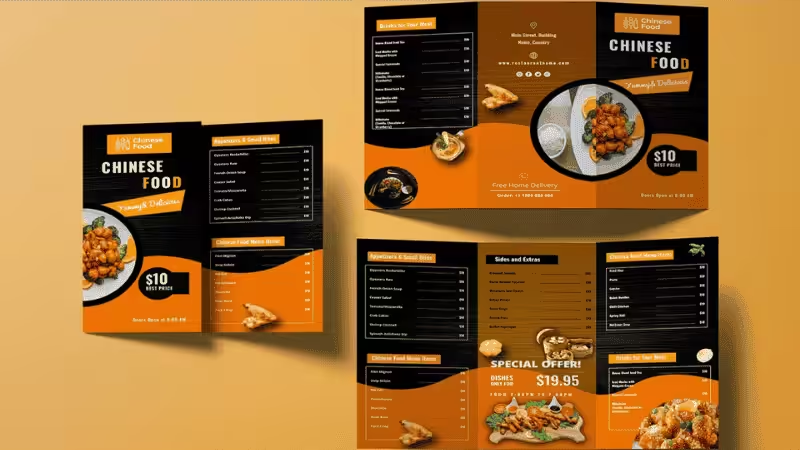
Divide the brochure into different sections that showcase different themes, for example, examples such as Italian, seafood, or vegetarian. Each section can feature its unique images, colors, and typography, which will help distinguish it from the others and make it easier for the reader to identify their preferences quickly.
2. Incorporate Images that Match Each Theme
Use high-quality photos of each theme of the sushi restaurant’s food and drink options to help showcase the sushi restaurant’s offerings and enhance the visual appeal of the brochure.
Choose images that accurately portray the size, appearance, and presentation of each item to help the brochure reader make informed decisions.
3. Use Bold Typography
Use bold and attention-grabbing typography to highlight the main features of sushi restaurants in each section of the brochure, such as highlighted dishes, daily specials, or current promotions.
This will help provide a clear and easy-to-read guide through the food brochure templates and increase the likelihood of the reader finding something to their liking.
4. Provide Clear and Concise Descriptions
Use clear and concise language to describe each item, including the ingredients, preparation methods, and any allergies or dietary restrictions that readers may need to consider.
This will help the reader with more detailed and relevant information to make informed decisions about their food choices and increase the likelihood of them choosing something that aligns with their preferences.
5. Use Color to Enhance the Visual Appeal
Choose colors that match each theme and enhance the visual appeal of the tri-fold brochure template. For example, in a tri-fold brochure, Italian food may be associated with bold and vibrant colors like red, yellow, and green, while seafood may be associated with fresh blues and whites.
6. Consider the Overall Tone and Branding
Be sure to use a consistent tone and branding across various sections of the brochure to help establish a clear and more cohesive look and identity for the restaurant. This will help establish trust with the reader and make them feel more comfortable choosing the restaurant as a dining option.
By mixing restaurant themes in your food brochure, you can attract customers with a tasty mix of flavors and ideas. Keep the design consistent, be creative, and show the fusion concept well. Let your brochure be an exciting invitation to try different types of food.
FAQs
Q1: What are the most important visual elements in a food brochure?
The key visual elements in a food brochure are high-quality images, a clean layout, and consistent branding. These create a smart design that enhances the dining experience. Not all restaurants need complex graphics — sometimes simple works best. A well-designed brochure helps customers imagine your food before they visit.
Q2: How can I highlight my signature dishes in a brochure?
To highlight signature dishes, add a “Chef’s Special” or “Guest Favorite” section. Use mouthwatering photos and sensory words like crispy or juicy to bring your dishes to life. A good brochure turns first-time viewers into new customers.
Q3: What role does a restaurant menu play in brochure design?
Your restaurant menu and brochure should share the same layout, colors, and fonts. This is especially important for a fine dining restaurant, where consistency builds trust. Together, they create a seamless dining experience that encourages customers to return.
Q4: Why does paper quality matter for a food brochure?
Quality paper with a matte or glossy finish instantly elevates your restaurant’s image. A good brochure printed on premium materials shows attention to detail. Whether promoting a restaurant menu or signature dishes, professional printing makes your marketing materials more memorable.
Conclusion: Creating an Effective Food Brochure
Creating an effective food brochure is crucial for attracting customers and promoting your culinary offerings online. According to this guide, you can craft a visually appealing restaurant brochure that effectively showcases your menu.
You can effectively promote your brand recognition, culinary and service offerings, and attract more customers to experience the delights of your restaurant.
Customize Your Effective Food Brochure with Packoi Printing!
At Packoi Printing, we specialize in producing food brochures online, and we are ready to customize and help you quickly customize with our expert design and production team.
Get your best food brochure design now; contact us today!