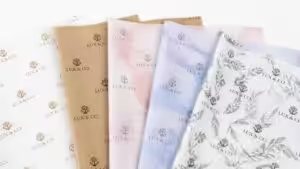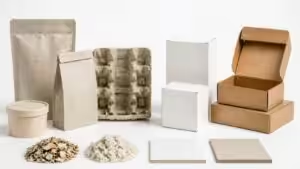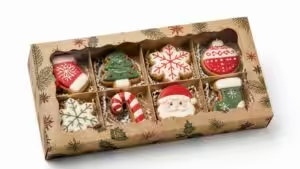
Kraft paper packaging offers a powerful sustainable alternative. This is far more than just regular paper; it’s a practical, cost-saving branding choice that showcases your brand’s commitment to sustainability. This guide explores how kraft paper is made, how to choose the right type for your packaging needs, and how it provides an eco friendly solution to the challenges of modern retail.
Sustainable packaging has become a must-have for modern brands, driven by growing consumer preference for eco-conscious products. The global sustainable packaging market is projected to surpass 393 billion dollars by 2028, proving that eco-friendly packaging is no longer just a passing trend but an industry standard.
Below, we break down the core advantages and key considerations that make kraft paper packaging a top choice for businesses of all sizes.
What Exactly Is Kraft Paper and How Is It Made?
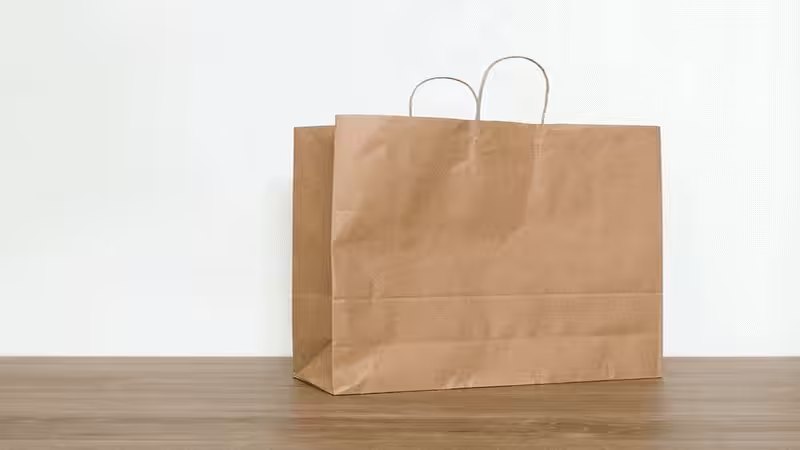
The name of this paper is related to its manufacturing process, ‘Kraft’. This process transforms wood chips into a strong wood pulp used to make the final paper. It’s used in almost all industries for packaging.
The “Kraft” Process: The Secret to Its Strength
The name originates from the German word “kraft,” meaning “strength,” highlighting the material’s robust nature. The secret lies in the kraft pulping process. Unlike other paper-making methods that use more chemicals, this process efficiently removes most of the lignin from the wood pulp. This leaves behind long, strong cellulose fibers, which give the final paper its superior, tear-resistant qualities.
A Quick Look at the Manufacturing Steps
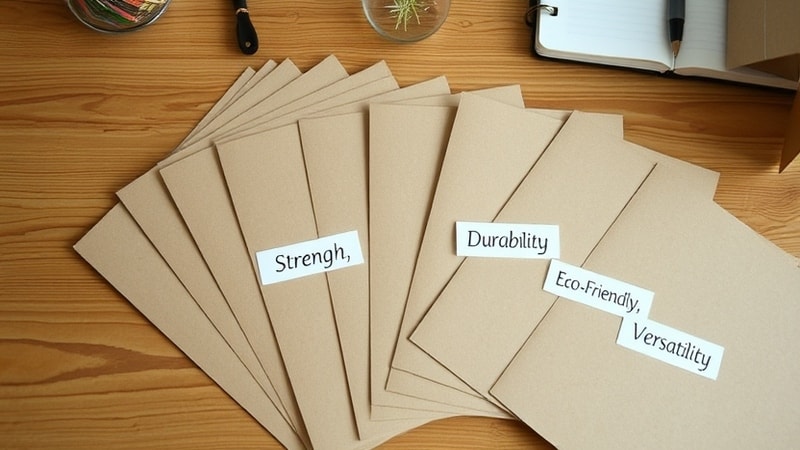
Understanding the process helps you appreciate why it’s both strong and eco-friendly.
Step 1: Pulping Wood Chips
Softwoods like pine are broken down into small chips. These chips are then pressure-cooked in a chemical solution that separates the cellulose fibers from lignin and other residues.
Step 2: Washing and Screening
The resulting dark pulp is washed to remove the cooking chemicals. A key benefit here is that these chemicals (known as “black liquor”) are recovered and reused as fuel for the paper mill, reducing waste and the need for fossil fuels.
Step 3: Forming and Pressing the Paper
The cleaned pulp is sprayed onto a large screen, where water drains away, and the fibers lock together to form a continuous sheet. Rollers then press out more water and compact the fibers, creating a dense, strong paper.
Step 4: Optional Bleaching and Coating
For the classic brown look, the process stops here. To produce white kraft paper, the pulp goes through a bleaching process. Coatings can also be added at this stage to give the paper properties like grease or water resistance.
What Are the Main Types of Kraft Paper?
Choosing the right kraft paper type is the first step to effective packaging. With distinct differences in color, texture, strength, and use cases, each variant serves a unique purpose. The table below simplifies the key characteristics of common kraft paper grades, so you can quickly compare their appearances, ideal applications, and core benefits to find the best match for your products.
A Quick Comparison Table for Decision-Making
Type | Color/Appearance | Best Use | Advantages | Cost Level |
CUK | Natural brown | Shopping bags, heavy-duty packaging | Strongest, most economical | $ |
SBS | Pure white, smooth | Cosmetics, pharmaceuticals, high-end retail packaging | Best for high-quality printing | $$$ |
BKP | White | Food packaging, shopping bags | Clean look, food-safe | $$ |
CRB | Grayish/Coated | Gift boxes, retail boxes | 100% recycled kraft paper | $$ |
Unbleached Kraft Paper (CUK)
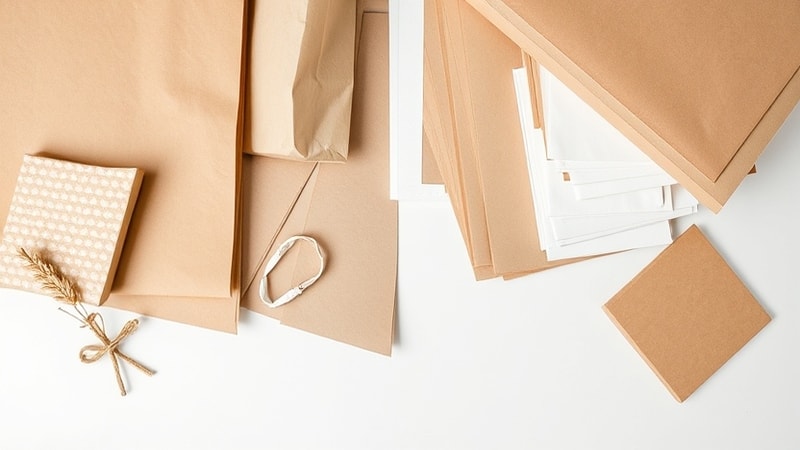
This is the classic brown kraft paper with minimal processing. Known as Coated Unbleached Kraft (CUK), it has a slightly grainy texture and is prized for its high strength and tear resistance. It’s a go-to for shopping bags, wrapping, and void fill.
Solid Bleached Kraft Paper (SBS)
SBS is a bleached kraft paper that achieves a clean white color and smooth surface, making it ideal for high-quality printing and custom printing of your company logo. It’s often used for premium retail packaging in the cosmetics or pharmaceutical industries.
Bleached Kraft Paper (BKP)
Similar to SBS, BKP is bleached for a better appearance and texture. It’s a popular choice for food packaging and retail paper shopping bags where a clean, aesthetic look is important.
Coated Recycled Board (CRB)
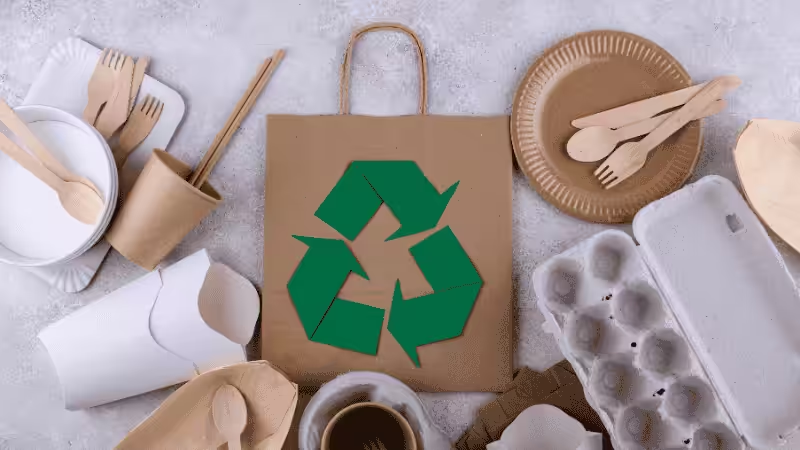
As its name suggests, Coated Recycled Board (CRB) is made from recycled kraft paper fibers, making it an excellent eco friendly packaging material. It is typically coated to improve its printing surface. Its rigidity makes it great for retail boxes, takeaway boxes, and gift boxes.
How to Choose the Right Kraft Paper for Your Business?
Listing the types is one thing; choosing the right one is another. Here’s a practical guide.
Start with Your Product’s Weight: Understanding GSM
GSM stands for “Grams per Square Meter” and it measures paper density or thickness. This is the single most important factor for protection.
- 40-80 GSM: Good for lightweight items, inner wrapping, or void fill (crumpled paper).
- 80-120 GSM: Ideal for standard shopping bags, mailer envelopes, and wrapping medium-weight products.
- 120-250+ GSM: Used for heavy-duty bags, product tags, and sturdy folding cartons that need to hold their shape.
A simple rule: the heavier or more fragile your product, the higher the GSM you should choose.
Match the Paper to Your Brand: Aesthetics and Printing
- For an earthy, natural look: Unbleached Kraft (CUK) is perfect. It signals eco-friendliness instantly.
- For vibrant, full-color designs: Solid Bleached Kraft (SBS) provides a crisp white canvas, ensuring your brand colors print accurately.
- For a balance of both: Bleached Kraft (BKP) offers a cleaner look than CUK but is often more cost-effective than premium SBS.
Don’t Forget Certifications: What to Ask Your Supplier (FSC, FDA)
To ensure your packaging demonstrates true environmental responsibility and comes from sustainable sourcing, ask your supplier for key certifications.
- FSC (Forest Stewardship Council): This guarantees the paper comes from responsibly managed forests.
- FDA (Food and Drug Administration): If you are packaging food, the material must be FDA-compliant to be considered food-safe.
What Are the Real Business Benefits of Using Kraft Paper?
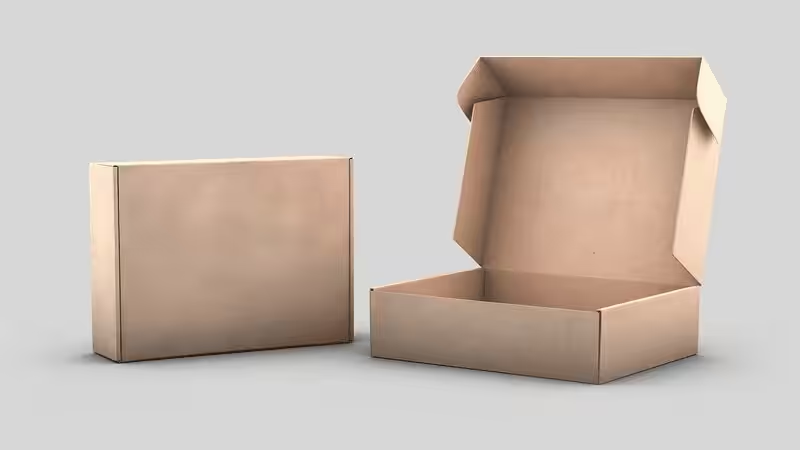
Let’s explore the properties that make kraft paper a smart choice for your business.
Exceptional Strength and Durability for Product Protection
As mentioned, the kraft process creates a material with high tensile strength and tear resistance. It can withstand rough shipping conditions, ensuring your products arrive intact. For heavy-duty uses, multi-wall kraft paper sacks can hold massive weight.
It is also a very efficient shock absorber, making it a resilient packaging used for transit. The objects packed in Kraft arrive fully intact and in perfect condition.
Sustainability That Customers Actually Appreciate
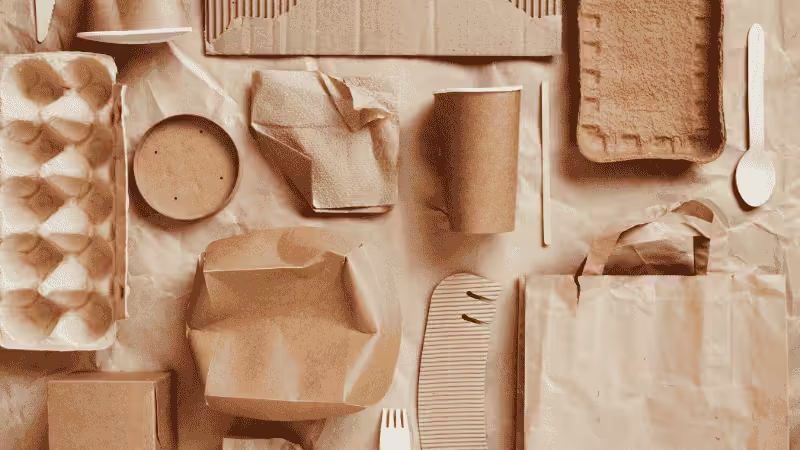
Kraft paper has minimal environmental impact. It comes from a renewable source, is highly recyclable, and is biodegradable. This aligns with consumer values and can strengthen your brand’s reputation.
Versatility in Appearance, Coatings, and Customization
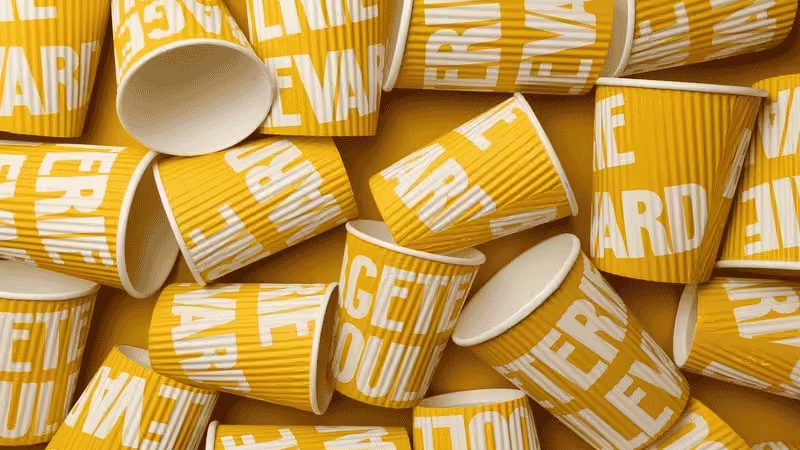
Kraft paper is not a one-size-fits-all material. The natural brown paper has an eco-friendly appeal, while the bleached white version is great for a premium look. Technology allows coatings like wax or polyethylene (PE) to add water or grease resistance, making it suitable for a wider range of products.
Lightweight and Flexible to Reduce Shipping Costs
Despite its strength, kraft paper is lightweight. This helps reduce the overall weight of your packages, leading to lower transportation costs.
Furthermore, the long cellulose fibers without rigid lignin make them very flexible. This quality adds to its usability by allowing it to be effortlessly folded, cut, or shaped into multiple forms, including bags, tubes, sheets, and boxes. It has become the go-to solution in custom packaging by being such an adaptable product.
Breathability for Product Freshness and Food Wrapping
Kraft paper allows for air circulation, which is essential for food wrapping and packaging items like baked goods. For instance, coated unbleached kraft (CUK) is often used for packaging baked goods, ensuring freshness.
Moreover, in the manufacturing and textile industry, it is vital to keep moisture at bay from metal, fabric, and lumber. The air-flowing property of Kraft protects the package from moisture and keeps the rust and mildew damage away from the product.
Cost-Effectiveness: Is Kraft Paper Cheaper?
The most sought-after quality for businesses is cost-effectiveness. The efficient manufacturing process makes kraft paper an affordable solution. As a general rule, unbleached kraft paper is cheaper than bleached versions.
While the upfront cost might be slightly higher than a basic plastic bag (e.g., 15-30%), the perceived value and brand benefits often provide a strong return on investment.
Is Kraft Paper Really as Eco-Friendly as Claimed?
The eco-friendly reputation of kraft paper is well-earned, particularly when compared to materials like plastic. Its sustainability stems from three major factors that contribute to waste reduction:
- Biodegradability
- Recyclability
- Renewable Source
Kraft is celebrated for its biodegradability, as it can easily disintegrate, leaving minimal impact on the environment. Moreover, kraft paper’s durable nature allows it to be used multiple times, making it highly recyclable.
As trees are a renewable resource, if forests are managed properly, creating kraft does not deplete the source or harm the environment. All in all, the environmental impact of kraft paper is as minimal as it can get.
Let’s explore the key factors contributing to its salient point: biodegradability.
The Natural Composition of Kraft Paper
The main reason behind the biodegradable nature of kraft paper is that its origin is natural. It is made from wood pulp of pine or other softwood plants. Since wood is a naturally occurring resource, its entire life cycle is rooted in the ecosystem.
The composition of kraft paper is quite simple. The kraft chemical process involves pressure-cooking softwood chips with alkaline chemicals that remove lignin to some extent. The resultant material is wood pulp with cellulose and hemicellulose, which makes it a strong and resilient packaging material substrate.
Depending upon the final product, i.e., bags, boxes, pouches, etc., the kraft paper can either be reused or turned into wood pulp for another round of processing, thus making it highly recyclable.
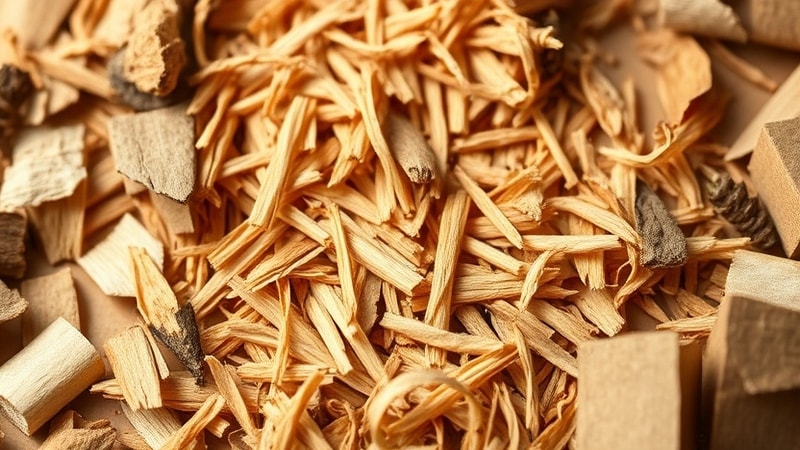
Since the brown natural form of kraft paper lacks any synthetic chemicals or coatings, it is safe to break down in compost environments. Even when discarded roughly, the material breaks down in nature just like softwood.
How Does Kraft Paper Break Down?
Kraft paper breaks down in nature just like all other natural materials. The moisture, oxygen, and other natural conditions break down the cellulose fibers in kraft.
As the fibers begin to disintegrate, they release carbon dioxide and water as byproducts. Both of these elements are non-toxic, which is the reason for kraft paper’s distinction in eco-friendliness.
Kraft paper is convenient to compost at home or in industry once its life cycle ends. It is known to break down in a matter of months in a well-maintained compost pile or facility, unlike other non-biodegradable materials, such as plastic, which take a millennium to break down.
Here are some easy ways to compost kraft paper:
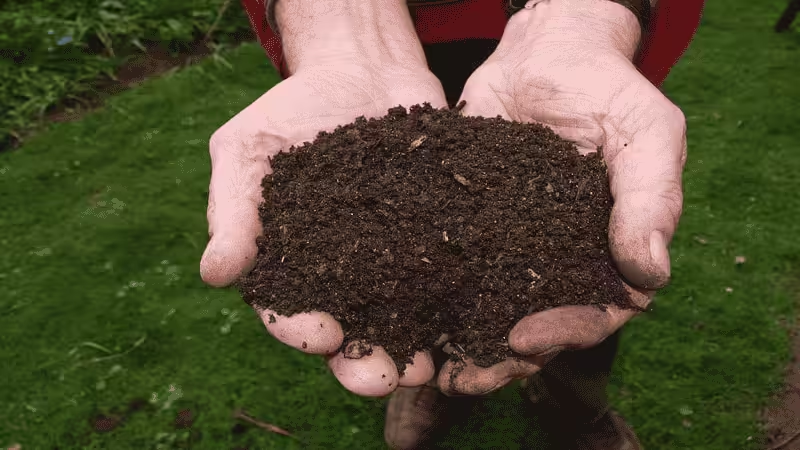
- In-Home Composting: You can easily decompose kraft paper in your at-home compost bins. However, it is important to note that thinner kraft paper will decompose quicker than the thicker varieties.
- Industrial Composting: The controlled conditions and higher temperature of industrial composts hasten the process of kraft breakdown, taking just a few weeks to decompose kraft paper carton boxes.
The “Sustainability Traps” to Avoid with Coated Papers
This is important: not all kraft paper is equally eco-friendly. A heavy plastic (PE) coating can make recycling difficult or impossible in some municipal systems. If you need a barrier, look for options with wax coatings or plant-based PLA linings, which are often more compatible with composting. Always ask your supplier about the recyclability of coated options.
Key Environmental Benefits for Your Brand
- Reduced Carbon Footprint: The simple manufacturing process and use of renewable resources lower its environmental impact.
- Energy Efficiency: The black liquor byproduct is used to power the mills, reducing reliance on external energy sources.
- Minimal Waste: Almost every part of the wood and the processing chemicals are reused or repurposed, creating a nearly closed-loop system.
Where is Kraft Paper Used? Real-World Industry Applications
Kraft paper’s versatility makes it a fit for nearly every industry.
Retail: From Shopping Bags to Gift Wrapping
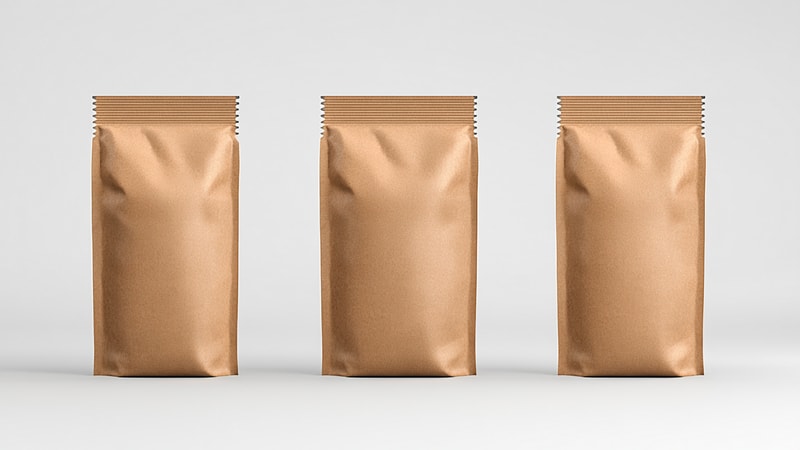
Retailers have long used kraft paper. Its durability is perfect for shopping bags, while its clean look makes it great for wrapping delicate items like apparel or handmade goods, giving a premium, rustic feel.
Food Industry: A Food-Safe and Practical Choice
The natural composition of kraft paper makes it an eco-friendly and food-safe option for packaging in the food industry. Coated kraft paper is the perfect option for wrapping greasy foods.
Furthermore, the breathability of kraft paper has made it the top choice for storing and delivering baked goods. Even the takeout industry has started to opt for kraft boxes to deliver food to its consumers because of their recyclable, easy-to-manage, and grease-resistant nature.
E-Commerce: Balancing Protection and Unboxing Experience

The e-commerce industry requires packaging that balances protection, aesthetics, and sustainability. Kraft paper is the perfect solution, with its robust nature and rustic appeal.
While a kraft paper box or corrugated box provides a strong exterior, crumpled kraft paper serves as an excellent void fill, acting as a sustainable alternative to bubble wrap. Packaging designers can also create a premium unboxing experience using branded mailers or custom-printed wrapping sheets.
Additional Uses Across Other Industries
Agriculture: Farmers use kraft paper sacks for storing and transporting seeds, grains, and produce.
Industrial Packaging: Heavy-duty kraft paper is used to wrap and ship large items like furniture and building supplies.
Understanding Kraft Paper’s Limitations (And How to Solve Them)
No material is perfect. Being aware of kraft paper’s limitations helps you make a better choice.
The Challenge: Water and Grease Resistance
Standard, uncoated kraft paper is not waterproof or greaseproof. It will absorb moisture and oils, which can weaken it.
- The Solution: For products that need a barrier, choose a coated kraft paper. Options include wax, PE, or plant-based PLA coatings. Discuss with your packaging supplier which coating best fits your product and sustainability goals.
The Challenge: Printing Vibrant Colors
Printing on the natural brown surface of unbleached kraft paper can alter how colors appear. Bright colors may look more muted or earthy.
- The Solution: If color accuracy is critical, use bleached (white) kraft paper like SBS. Alternatively, embrace the rustic look by using a simple, high-contrast design (like black or dark blue ink) on brown paper.
Kraft Paper vs. Corrugated Boxes: Which is Better for Shipping?
- Kraft Paper (Mailers/Bags): Best for non-fragile items like clothing, books, or products already in a sturdy primary box. They are lightweight and cost-effective.
- Corrugated Boxes: The best choice for fragile, heavy, or awkwardly shaped items. The fluted layer provides superior cushioning and structural rigidity. They are not mutually exclusive; many businesses use a corrugated box with kraft paper as internal void fill.
A Smart and Sustainable Choice
Kraft paper offers a fantastic balance of strength, versatility, and sustainability. It meets the demands of modern businesses and eco-conscious consumers alike, making it a reliable and forward-thinking packaging solution.
Are you ready to make the right choice for your business and the planet? Packoi offers a wide range of custom kraft paper solutions. Contact us today to discuss your options and get a free quote.