
For more than 12 years, I’ve helped US and European brands ship all kinds of products. This includes glass cosmetic bottles, pet snacks, and jewelry gift sets. One thing is clear: most shipping damage is not a “weak box” problem. It’s usually a design problem — the wrong box size, the wrong flute, or too little internal protection.
The good news? Corrugated boxes aren’t just containers. When you engineer them correctly, they become a complete protection system for preventing shipping damage. A well-designed box absorbs impact, resists compression, limits product movement, and helps reduce shipping damage across a rough supply chain.
Let’s start with why products get damaged in the first place.
Quick Answer: How Do Corrugated Boxes Prevent Shipping Damage?
Corrugated boxes help prevent shipping damage by absorbing impact, resisting stacking pressure, and creating a protective barrier around the product. The best results come from matching the box strength and size to the product, adding internal cushioning to prevent movement, sealing the carton properly, and testing the complete package before bulk production.
Why Do Products Get Damaged During Shipping?
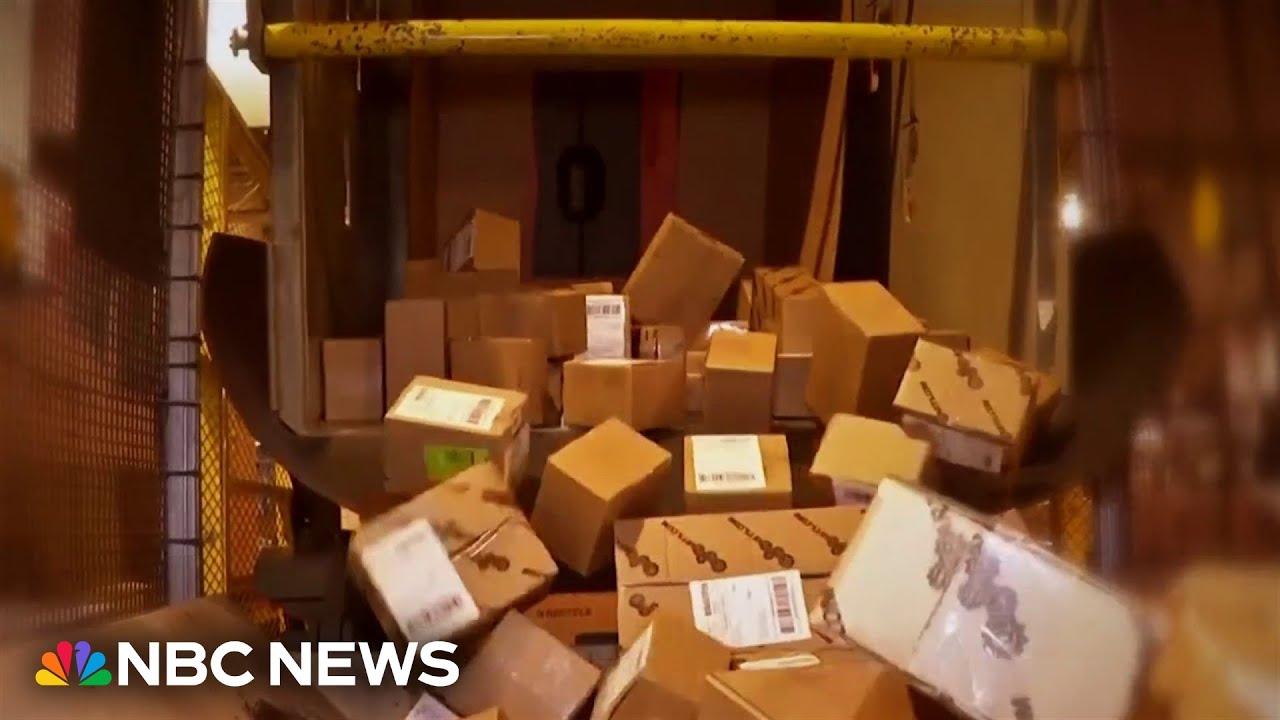
Even a high-quality product can break if the packaging isn’t built for the trip.
During transportation, packages may experience:
- Factory handling
- Warehouse stacking
- Truck transportation
- Distribution centers
- Last-mile delivery
Each step creates different risks. When you understand these risks, you can choose the right box. That’s smarter than just buying the thickest or cheapest option.
Compression Damage from Stacking Pressure
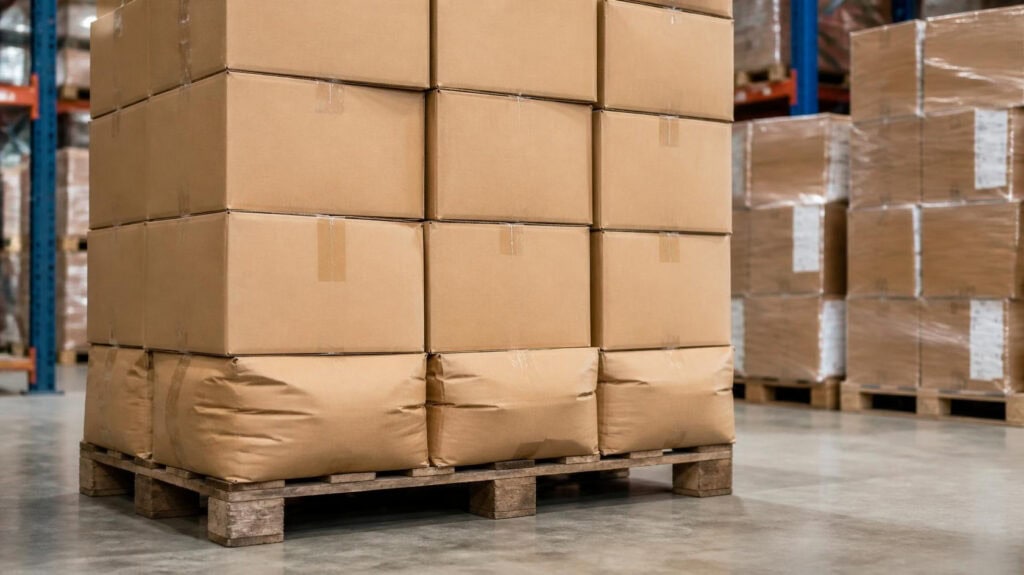
One of the most common shipping problems is box failure caused by stacking pressure.
During storage and transportation, cartons are often stacked on pallets for days or even weeks. The weight from upper boxes creates continuous pressure on the cartons below.
A box may look strong when it leaves the factory. However, if the board strength or structure is not suitable, it can gradually lose its ability to support the load.
Common causes include:
- Weak board strength
- Incorrect flute selection
- Overloaded cartons
- Uneven product weight distribution
For example, a lightweight clothing product may work well with a single-wall corrugated box. But heavier products and long routes often need a stronger structure, like a double-wall box.
The key is not choosing the thickest box. It is choosing the box that matches your product and shipping conditions.
Packoi Expert Tip:
In our experience working with overseas brands, many packaging failures happen because buyers focus only on the box price. Before upgrading to a stronger carton, look at the full packaging system. Check the product weight, shipping distance, stacking conditions, and internal protection. A well-designed box often reduces damage — without adding material cost.
Product Movement Inside Oversized Boxes
Many growing brands assume a bigger box means better protection. It doesn’t.
In reality, too much empty space inside a carton can increase shipping damage.
When products slide inside the box, they hit the walls again and again. This repeated impact and vibration wears on the product surface.
This problem is especially common for:
- Glass bottles
- Electronics
- Premium cosmetics
- Fragile food products
For example, a skincare brand may use a strong corrugated box for glass containers. But without proper internal support, the bottles can still collide during delivery.
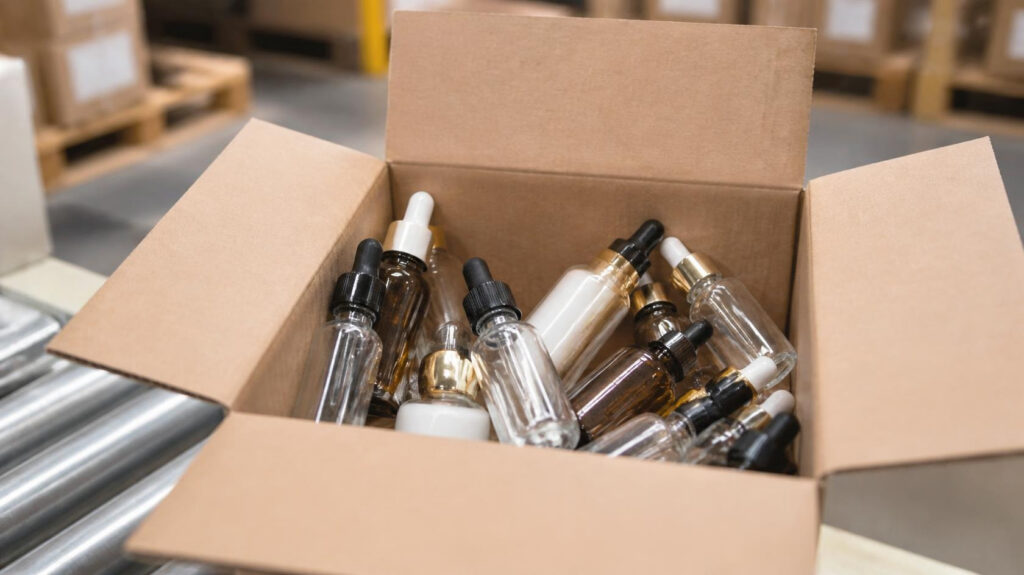
A better packaging design should:
- Fit the product properly
- Reduce unnecessary empty space
- Prevent product movement
When developing custom packaging, start with the product dimensions and the protection space you actually need. The goal is to stop unnecessary movement without creating an oversized carton.
Impact Damage During Handling
Products also face sudden impacts throughout the delivery process.
Packages may be dropped, moved on conveyor systems, loaded onto trucks, or handled multiple times before reaching customers.
Even a small impact repeated many times can affect packaging performance.
A corrugated box sits between outside forces and your product. Its fluted layer is sandwiched between two flat linerboards. This structure reduces the force that reaches the product inside.
The protection process is simple:
External impact
↓
Corrugated structure absorbs part of the force
↓
Energy spreads through the box material
↓
Less shock reaches the product
This is why corrugated boxes are widely used across ecommerce, food, electronics, and retail supply chains. Their combination of cushioning, stacking performance, and relatively low weight makes them suitable for many types of shipments.
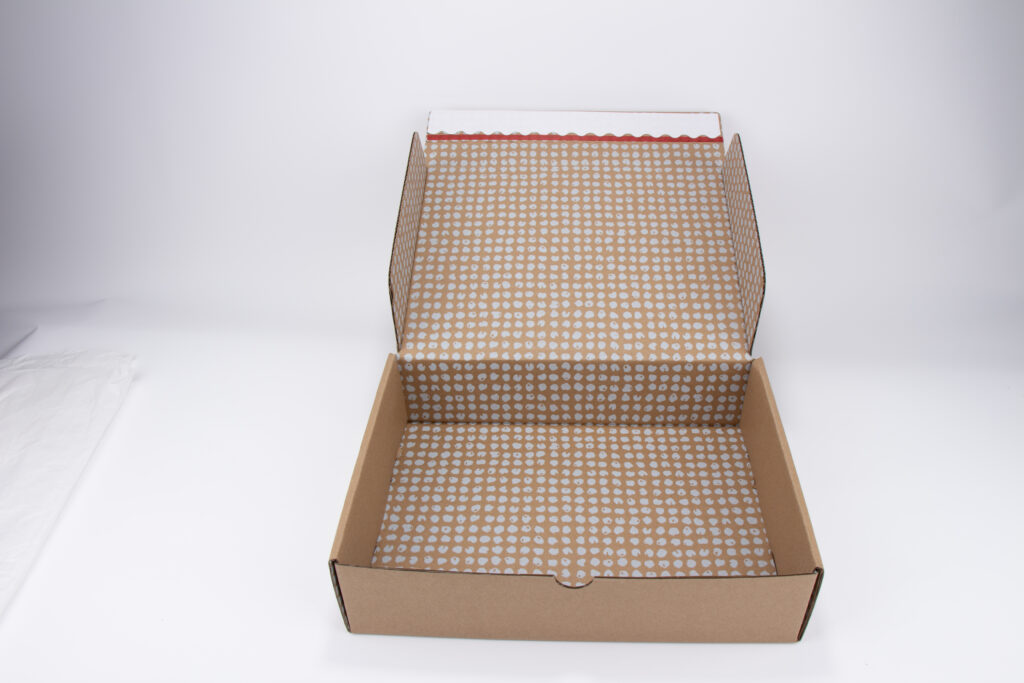
However, the outer box is only part of the protection system. For fragile products, brands often combine corrugated boxes with:
- Paper inserts
- Dividers
- Molded pulp trays
- Cushioning materials
The best results come from combining the right outer box with the right internal protection.
Moisture and Environmental Exposure
Shipping conditions are not always predictable.
During international transportation, packaging may face:
- High humidity
- Temperature changes
- Long warehouse storage
- Ocean freight environments
Moisture can weaken paper materials and reduce carton strength over time.
For brands shipping internationally, material selection matters. Your supplier may suggest moisture-resistant paper grades or protective coatings. The right choice depends on your product and shipping route.
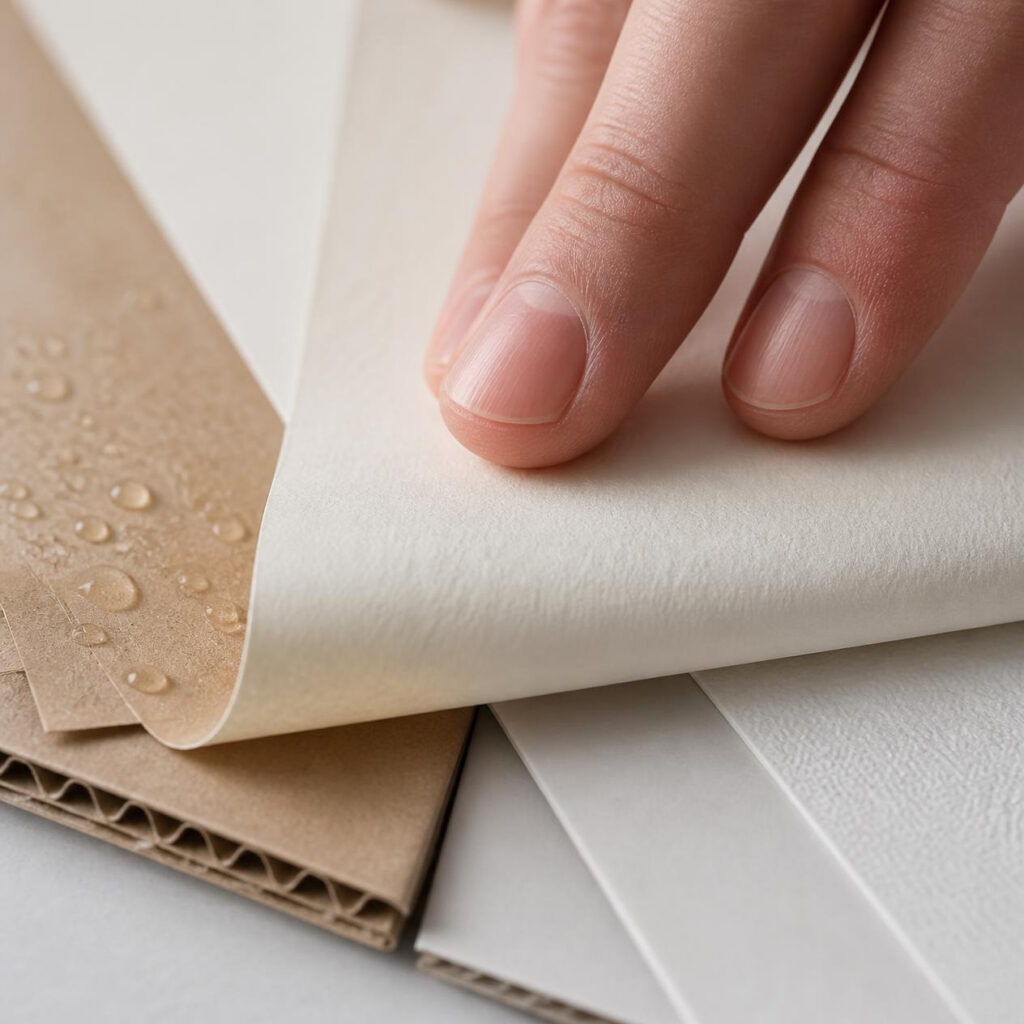
For example, food brands shipping through humid regions face two needs at once. The packaging must meet food safety rules and stay strong in moisture. Cosmetic brands may also need better moisture protection to protect labels and premium finishes.
The goal is not simply to make the box stronger. The goal is to create a packaging system that matches the real shipping environment.
How Corrugated Cardboard Boxes Protect Products During Transportation
Now you know what your packaging faces. Let’s look at how corrugated boxes fight back. Most buyers get one thing wrong here. They think protection comes from thickness. It actually comes from structure.
The Corrugated Structure Is a Built-In Cushioning System
A corrugated board, often called corrugated cardboard, isn’t a single sheet of thick paper. It’s three layers working together:
- an outer liner (the smooth outside surface)
- a fluted medium (the wavy layer in the middle)
- an inner liner (the surface touching your product)
That wavy middle layer is the secret. When an impact hits the box, the energy travels through the board like this:
External impact → outer liner spreads the force → flute compresses and absorbs energy → far less shock reaches your product.
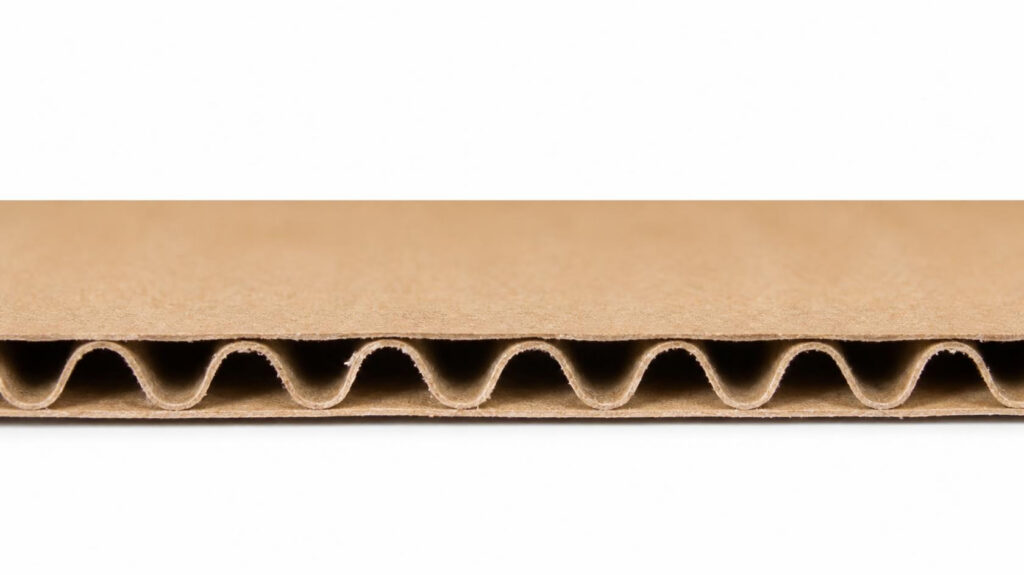
In other words, the flutes act like tiny shock absorbers. This is why a light corrugated box can beat a heavy solid board. The air columns inside the flutes do the cushioning — not the paper weight.
Flute Type Decides Cushioning and Strength
The “flute” is the size of those waves, and choosing the right one matters more than most buyers realize. Here’s a simple reference we share with clients:
Flute | Wave Size | Best For |
E flute | Fine | Retail boxes, light products, high-quality printing |
B flute | Small | General ecommerce shipping, good crush resistance |
C flute | Medium | Strong cushioning, most standard shipping cartons |
BC flute (double wall) | Two layers | Heavy or fragile products, long sea freight |
Boxes come in single-wall, double-wall, or triple-wall. The right level depends on how much protection you need. Most common styles, including Staples boxes, come in single-wall and double-wall options.
A quick example: we worked with a US pet snack brand that kept getting crushed cartons in transit. They didn’t need a “stronger” box in the vague sense — they needed to switch from single-wall B flute to double-wall BC for their heavier bulk cases. Damage dropped, and they stopped over-packing lighter items at the same time.
If you’re shipping premium retail products where the box shows on a shelf, E flute gives you a crisp printing surface. If you’re moving heavier goods across the ocean, double-wall is usually worth the small cost increase.
Strength Without the Weight
One reason corrugated packaging dominates global shipping is its high strength-to-weight ratio. Corrugated box strength depends on factors such as board construction, flute type, wall configuration, and edge crush performance—not simply on how thick the material feels. You get real protection without much added weight. This keeps shipping costs low. It also makes customization — printing, sizing, and inserts — easy.
The takeaway: don’t ask “how thick should my box be?” Ask “which structure fits my product, weight, and shipping route?” That single shift in thinking prevents most damage problems before they start.
How to Choose the Right Box for Your Product
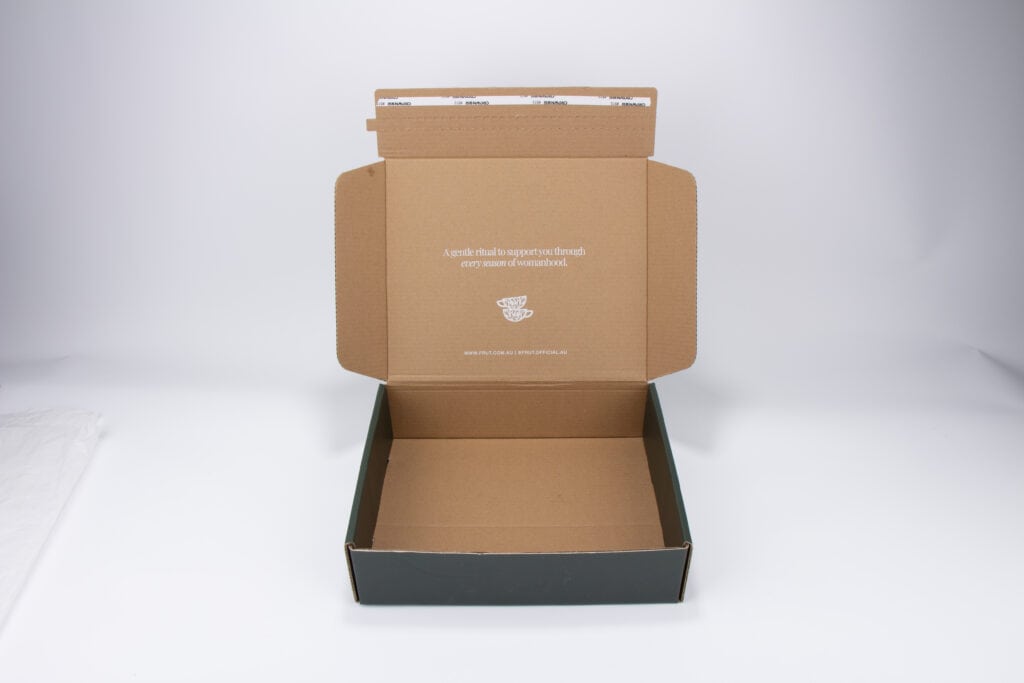
Choosing a box isn’t guesswork. After sizing hundreds of packaging projects for overseas brands, we use a simple four-step framework you can apply to almost any product.
Step 1 — Weigh and measure your product. Get the exact weight and dimensions with any inner packaging. This decides your flute type and board strength.
Step 2 — Map your shipping journey. A box going by air to a US warehouse faces different stress than one sitting in a humid sea container for six weeks. Longer, rougher routes need stronger board or double-wall.
Step 3 — Match the board strength. For heavier or stacked goods, ask your supplier about ECT (Edge Crush Test) rating rather than just “thickness.” ECT tells you how much stacking pressure the box can take — the number that actually predicts crush failure.
Step 4 — Confirm the internal dimensions. Make sure the box leaves enough room for the protection your product needs, without allowing excessive movement inside.
Packoi Expert Tip:
Here’s the most common mistake we see at the sampling stage. Buyers give us external dimensions when they actually mean internal ones. A few millimeters sounds harmless, but on a tight-fitting cosmetic bottle or a jewelry insert, that gap either won’t close or leaves the product loose. Always confirm whether a quoted size is inside or outside the box. And always approve a physical sample before a bulk run. It’s a five-minute check that prevents an entire container of unusable cartons.
Optimize Your Packaging Design to Reduce Damage and Cost
Once you’ve chosen the right box, smart design does double duty: it protects the product and lowers your shipping bill.
Right-Sizing Mailing Boxes Saves More Than You Think
Carriers don’t only charge by weight. They also charge by dimensional (DIM) weight. This means box size affects your bill — not just what the scale says. A rough way to picture it:
DIM weight = (Length × Width × Height) ÷ carrier’s DIM divisor
The practical lesson: an oversized box can cost you shipping fees on air you’re not even using. We once helped a UK skincare brand convinced they needed thicker board to stop damage. Their real problem was a box two sizes too big — the product was sliding around. We shrank the box and added a simple insert. Both their damage rate and their per-parcel shipping cost dropped.
Add Internal Protection Where It Counts

The box is your outer shield; inserts do the fine cushioning. Common options include:
- Corrugated inserts or dividers — great for multi-item or fragile sets like glassware and jewelry
- Molded pulp trays — eco-friendly and perfect for cosmetics and electronics
- Fitted paper padding — lightweight protection that keeps products from shifting
Keep the Product From Moving Inside the Box
The goal of internal protection is not simply to fill every empty space. It is to keep the product stable when the carton is dropped, tilted, or subjected to vibration during transport.
A good packing setup should:
- Keep the product from sliding from side to side
- Separate multiple items so they do not collide with each other
- Add protection around fragile edges or protruding parts
- Maintain cushioning between the product and the box walls
After packing a sample, gently move the sealed box. If the product can shift freely inside, the internal protection may need to be adjusted.
A Simple Packing Process for Fragile Products
For fragile products, think about the packaging as a complete protection system rather than just a box.
A simple process is:
- Protect the product surface with suitable wrapping or protective material.
- Use inserts, dividers, or fitted supports to hold the product in place.
- Add cushioning around areas most likely to experience impact.
- Fill remaining void spaces without compressing or damaging the product.
- Seal the carton securely before shipment.
The exact materials may change depending on the product, but the basic goal remains the same: prevent movement and create enough protection between the product and the outside of the box.
Seal the Carton Properly
Even a strong corrugated box can fail if the flaps and seams are not secured properly.
For standard corrugated shipping cartons, the H-taping method can provide more secure closure by sealing the center seam and the two edge seams.
Make sure the sealing method is appropriate for the carton size, product weight, and shipping conditions. Heavier or long-distance shipments may require additional reinforcement.
Before shipping, check that the bottom and top flaps remain securely closed when the carton is lifted or handled.
Design for the Shelf, Too
If your box reaches a retail shelf, protection and presentation go together. E flute gives you a clean printing surface for logos and images. So the same carton that survives transit can also sell the product. This is exactly where a one-stop supplier helps — matching structure, material, printing, and finishing in a single coordinated design.
How to Test Your Packaging Before Full Production
You don’t want to discover a packaging flaw after 5,000 units are already in transit. A little testing upfront saves a lot of returns later.
You don’t need an expensive lab. Start with two practical checks:
- Drop test: Pack a real unit and test it under handling conditions that reflect your actual shipping risks. The appropriate drop height and test sequence depend on the product weight, shipping channel, and distribution conditions.
- Stacking test: Stack loaded boxes in a way that reflects your expected warehouse or shipping conditions, then check for crushing, bulging, or loss of structural stability.
For high-value or fragile goods, ask your supplier whether they run ECT or Box Compression Test (BCT) data on production samples. Reputable manufacturers can share these results.
Packoi Expert Tip:
Board strength can quietly drop in humid conditions, so we test cartons after simulated moisture exposure for clients shipping by sea — not just when the board leaves the machine dry. A box that passes a compression test in a dry factory can still soften after six weeks in a container. If you ship overseas, ask your supplier whether their reported strength figures reflect real transit humidity, not just factory-fresh conditions.
Common Packaging Mistakes That Cause Damage
Most damage traces back to a handful of avoidable errors:
- Choosing a box that’s too big — the number-one cause of in-transit movement.
- Choosing board strength — without considering product weight, stacking conditions, or the shipping route.
- Skipping internal protection — the box alone rarely does the whole job.
- Ignoring the shipping route — sea freight needs moisture-resistant, stronger board.
- Never approving a physical sample — small spec errors slip through on paper.
The Real Cost of Shipping Damage
It’s tempting to treat packaging as a line item to minimize to save money upfront. But a damaged shipment costs far more than the box.
One broken product means you pay for the original item, a replacement, return shipping, and support time — often several times the packaging savings you were chasing. Worse, a single “arrived damaged” review can quietly cost you future customers.
Well-engineered corrugated packaging isn’t an expense. It’s insurance for your product, your margins, and your brand reputation.
Frequently Asked Questions About Corrugated Boxes
Q1: What is the strongest type of corrugated box for heavy products?
Double-wall (BC flute) corrugated boxes offer the highest strength for heavy or fragile goods, especially over long sea-freight routes. For lighter products, single-wall B or C flute is usually enough — going heavier than needed just adds cost.
Q2: How do I stop my boxes from getting crushed during shipping?
Focus on ECT rating and structure, not thickness. Right-size the box so products don’t shift. Then add internal protection. For humid sea routes, ask for moisture-resistant board.
Q3: Does a bigger box protect my product better?
No. An oversized box lets the product move around, which increases damage — and you pay more in dimensional-weight shipping fees. A snug fit with proper cushioning protects far better.
Q4: What cushioning should I use inside a corrugated box?
The right cushioning depends on the product’s weight, shape, and fragility. Inserts, dividers, molded pulp, and paper padding can all work when they prevent movement and keep fragile items from hitting each other or the box walls.
Q5: Should I test my packaging before ordering in bulk?
Absolutely. A simple drop test and stacking test — plus approving a physical pre-production sample — can prevent an entire shipment of damaged goods or unusable cartons.
Q6: Can I order custom corrugated boxes for my product?
Yes. A packaging supplier can customize the box dimensions, board structure, flute type, printing, and internal inserts based on your product and shipping requirements. For fragile or high-value products, it is also a good idea to approve a physical sample before placing a bulk order.
Q7: How can I prevent package damage during shipping?
Start by choosing a corrugated box that matches the product weight and shipping conditions. Then use the right internal protection to prevent movement, add cushioning around fragile areas, seal the carton securely, and test a fully packed sample before ordering in bulk.
Conclusion: Protect Your Products, Protect Your Brand
Shipping damage is rarely bad luck — it’s usually a packaging decision made too quickly. Once you understand what your products face in transit and how corrugated structure actually absorbs that stress, choosing the right box becomes a straightforward, repeatable process.
To recap the essentials:
- Match your flute type and ECT rating to your product weight and shipping route.
- Right-size the box to cut both damage and dimensional-weight shipping costs.
- Add internal protection where fragile items need it.
- Test and approve a physical sample before every bulk run.
Get these right, and you protect more than the product inside — you protect your margins, your reviews, and your brand reputation.
Get Custom Corrugated Boxes Engineered for Your Products from Packoi
Are you shipping products overseas? Do you want packaging built for your exact product, weight, and route? Our team at Packoi can help. We’ll select the right structure, run compression and moisture testing, and produce fully customized boxes with retail-ready printing. Contact us for a free packaging assessment or request a sample, and we’ll help you ship with confidence.