This guide will walk you through what flexo printing is, how it works, and its best applications. We’ll give you the clear information you need to decide if it fits your project’s budget and quality goals.
What is Flexographic Printing, and When Should You Use It?
The Basics: How Flexo Works in a Nutshell
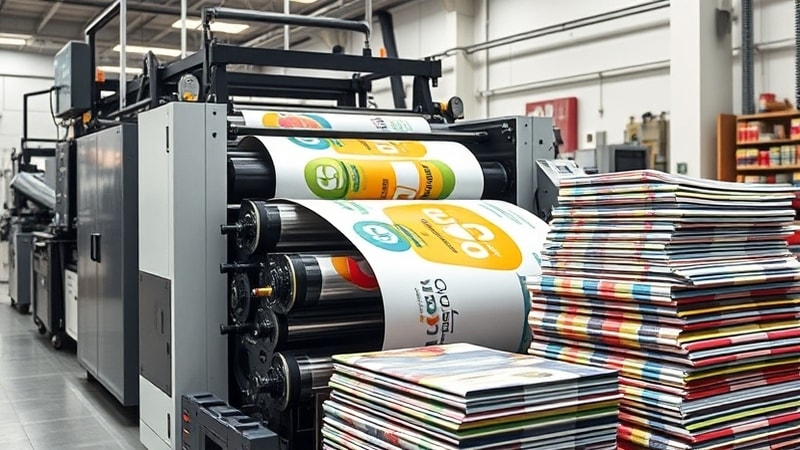
Flexographic printing uses flexible photopolymer plates to transfer ink onto various surfaces. Think of it as a highly sophisticated version of a rubber stamp. Each plate is etched with a raised image for a single color. These plates are then mounted onto cylinders on a printing press.
As the cylinders rotate at high speed, the plates pick up ink and press the image directly onto the material, or substrate. Flexo allows for a wide variety of inks, including water-based and UV-curable types. This makes it a versatile option for printing on many different kinds of packaging.
It also works well with finishing processes like lamination and die-cutting. This versatility has helped the custom packaging market grow, with a projected 5.4% CAGR.
A Quick Decision Guide: Is Flexo Right for Your Packaging?
Not sure if flexo is a good fit? Here’s a quick checklist.
Choose Flexo If Your Project Involves…
- High Volumes: You need to print thousands or millions of the same design.
- Non-Porous Materials: You are printing on plastics, films, foils, or coated paper.
- Simple to Moderate Designs: Your design uses solid colors, logos, and bold text.
- Speed and Efficiency: You need a fast turnaround for a large production run.
- Cost-Effectiveness at Scale: Your primary goal is a low cost per printed item.
Consider Other Methods If You Need…
- Short Runs: You only need a few hundred pieces.
- Variable Data: Each package needs a unique code, name, or design.
- Photo-Realistic Images: Your design requires extremely fine detail, like on a magazine cover.
- Printing on Flat, Uncoated Paper: Other methods might be better suited for this.
Understanding the 3 Main Types of Flexo Presses
Flexo presses come in different configurations. The three main types are the stack press, the in-line press, and the central impression (CI) press.
Stack Press
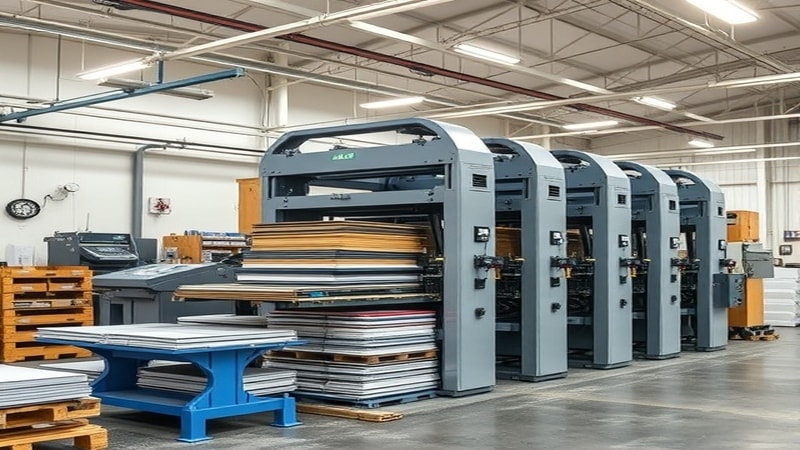
A stack press arranges its print stations vertically, one on top of the other. This gives it a compact footprint. Most have six to eight stations, or “decks.” A key feature is their ability to print on both sides of a substrate in a single pass. Stack presses are fast and work very well with thicker substrate materials like corrugated cardboard and chipboard.
In-line press
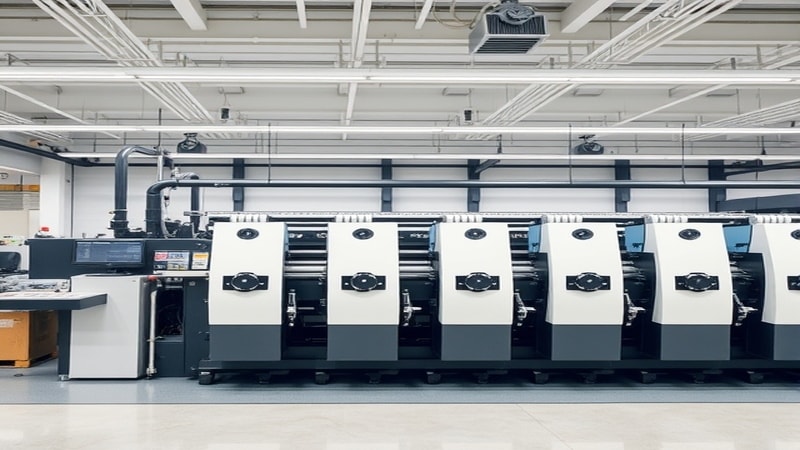
In-line presses arrange their print stations in a horizontal line. This setup is common for commercial packaging because it smoothly handles various materials. The substrate is pressed between the plate and an impression cylinder at each station, ensuring even ink coverage. These presses are excellent for large print runs and can support many colors—some up to 20—making them great for vibrant packaging.
Central impression press (C.I. press)
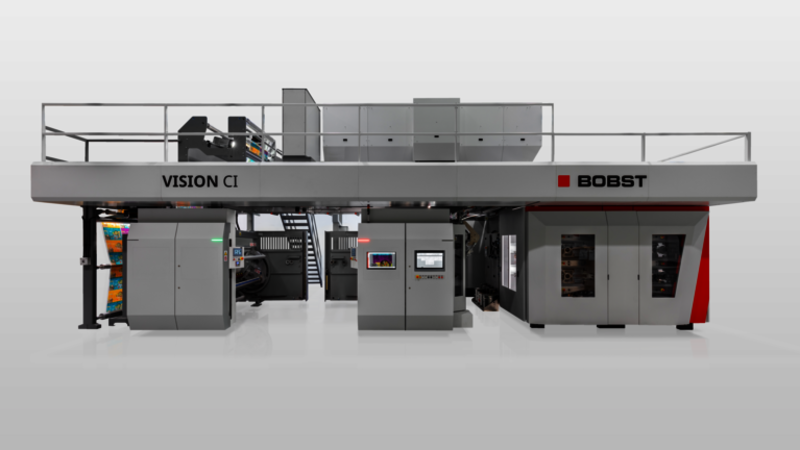
A Central Impression press, or CI press, arranges print stations around a single, large central cylinder. The most distinctive element of the CI press is the impression cylinder, a single steel drum. During the printing process, it is surrounded by the substrate.
This design offers superior stability, especially for thin or flexible materials like plastic films. The substrate is held securely against the main cylinder as it moves between color stations. This minimizes vibrations and material stretch, resulting in high-quality, precise prints.
The Flexo Printing Process: A 6-Step Breakdown
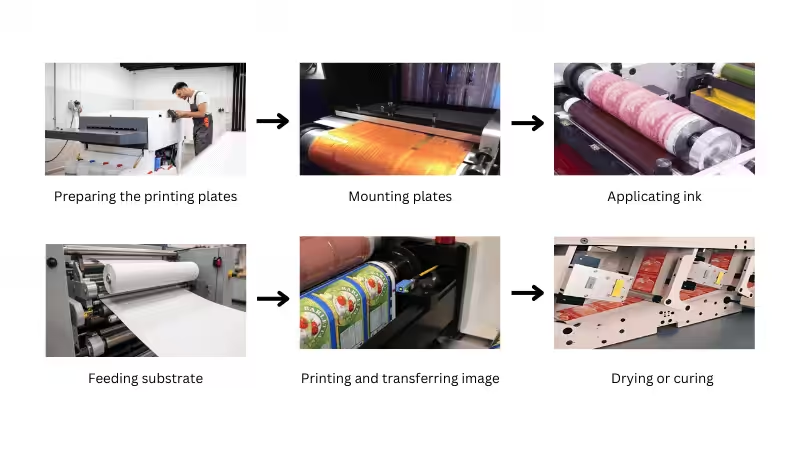
The flexographic printing process is methodical and precise. Here are the six main steps.
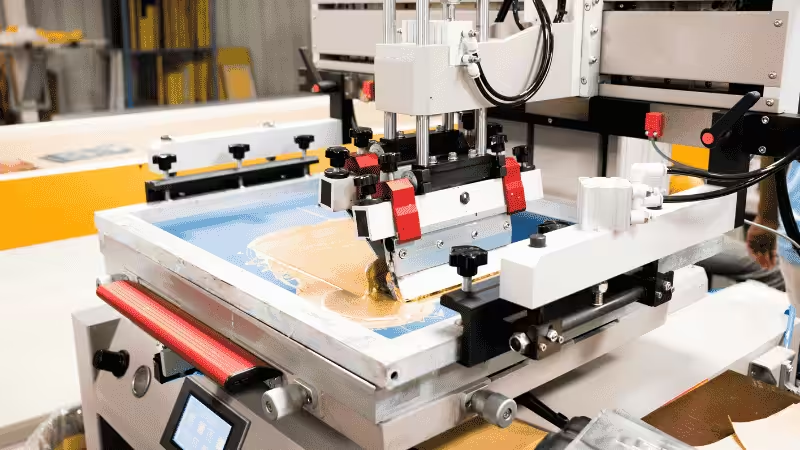
Step 1: Artwork Preflight and Plate Making
It starts with your design file. The file is prepared and then used to create the photopolymer printing plates. A separate plate is made for each color (typically cyan, magenta, yellow, and black, plus any spot colors).
Step 2: Mounting the Plates on Cylinders
Each plate is carefully mounted onto its own cylinder on the press. Correct alignment is essential for the final image to be sharp and in register. Misalignment can cause blurry images or incorrect colors.
Step 3: Applying Ink with Anilox Rollers
Ink is transferred to the printing plates by an anilox roller. This roller is covered in thousands of tiny, microscopic cells that hold a specific amount of ink. This precise system ensures a consistent and even layer of ink is applied to the raised parts of the plate.
Step 4: Feeding the Substrate (Material)
The printing material, such as a large roll of plastic film or paper, is fed into the press. Tension controls and guides ensure the material moves smoothly and consistently through the machine.
Step 5: Transferring the Image to the Substrate
As the material passes through the press, the inked plates rotate and press the design onto its surface. The pressure between the plate and the substrate transfers the ink, creating the final image.
Step 6: Drying and Curing the Ink
After the ink is applied, it must be dried immediately to prevent smudging. Depending on the ink type, this is done using hot air, infrared lamps, or UV/LED light. This final step sets the ink and makes the print permanent.
Keys to Success: Artwork Prep, Press Setup, and Finishing
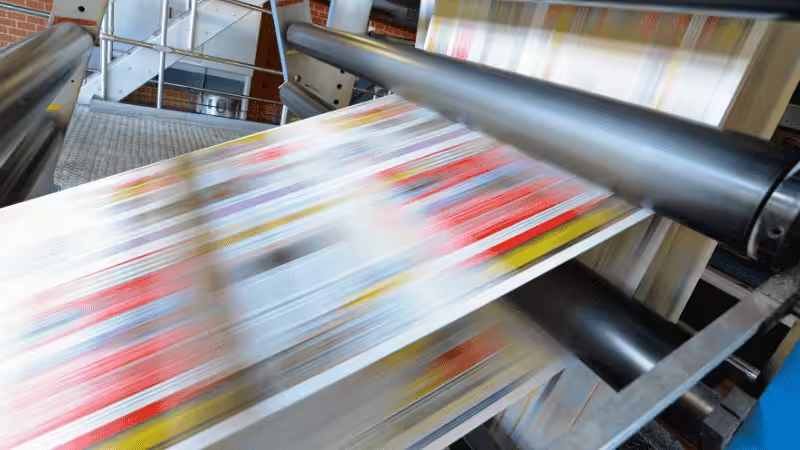
Getting a great result from flexo printing requires attention to detail before, during, and after printing.
Artwork & Design Requirements for Flawless Flexo Prints
Your artwork file must be prepared specifically for flexo. Because the plates are flexible and the ink can behave differently on various materials, a few adjustments are needed.
Minimum Line Thickness and Font Size
Very thin lines or small text may not print clearly. Your print partner can provide guidelines for the minimum sizes that will reproduce well.
Understanding Dot Gain
When the plate presses against the substrate, the ink dots can spread slightly. This is called dot gain. Designers must account for this in the artwork to prevent colors from looking darker or details from becoming muddy.
Color Trapping and Separations
To avoid visible gaps between different colors, designers create a slight overlap where colors meet. This is called trapping. The artwork must also be correctly separated into individual color layers for each plate.
Prepress and Accurate Press Setup
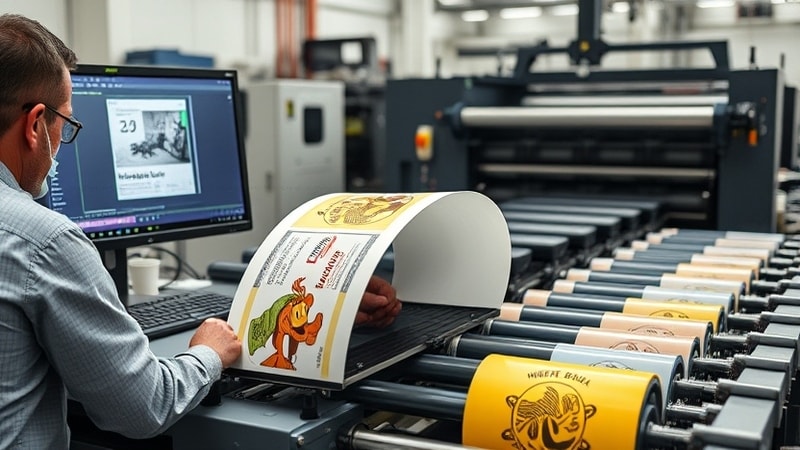
Once the plates are made, they are mounted on the press cylinders. The press operator then sets the correct ink flow and pressure for the specific job. This setup ensures the final print is clear, crisp, and matches the approved design.
Post-Press Finishing: Adding Value to Your Packaging
After printing, several finishing options can be applied. In-line presses can perform actions like die-cutting, foil stamping, or adding a varnish coating in the same run. Printed rolls are often cut to specific widths with slitting machines. They are then converted into final products like folding cartons, corrugated boxes, or flexible pouches.
Who Uses Flexo? Top Applications in Packaging and Beyond
Flexographic printing is used across many industries. You see it every day.
Flexible Packaging (Pouches, Wrappers, Bags)
Flexo is the go-to method for printing on flexible materials like plastic films and foil. This includes food wrappers, stand-up pouches, and shopping bags, where vibrant prints are needed on non-porous surfaces.
Corrugated Boxes & Shipping Cartons
For printing directly onto corrugated cardboard, flexo is unmatched in speed and cost-effectiveness. It’s used for everything from simple shipping box logos to colorful retail-ready packaging.
Product Labels & Stickers
Most of the labels you see on bottles, jars, and other products are printed with flexo. It produces sharp, durable prints that hold up well on many different types of label stock.
Paper Cups, Envelopes, and More
Flexo is also used for disposable cups, envelopes, gift wrap, and certain types of marketing materials like direct mail inserts where large quantities are needed.
Is Flexo Printing Right for You? A Look at Pros and Cons
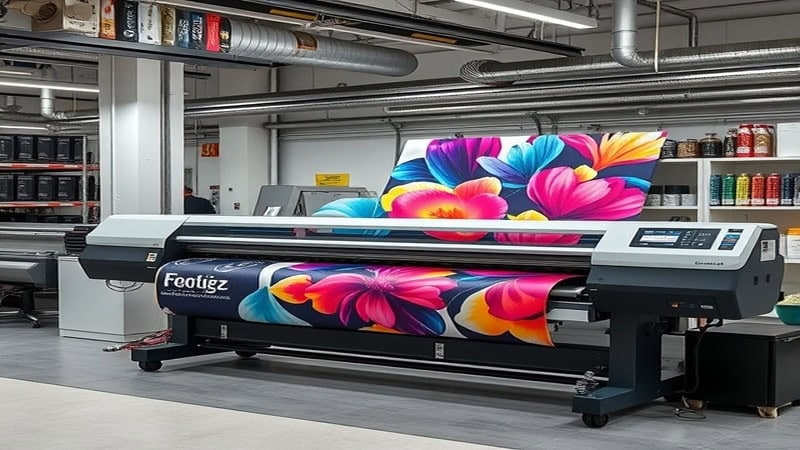
Flexo offers clear benefits but also has some limitations to consider.
Advantages: Why Brands Choose Flexo
- High Production Speed: Flexo presses run incredibly fast, making them perfect for large orders.
- Material Versatility: It can print on a huge range of materials, including plastics, paper, cardboard, and foil.
- Low Per-Unit Cost: For large runs, the cost per item is very low once the press is set up.
- Durability: The inks are durable and long-lasting, suitable for packaging that endures shipping and handling.
- In-line Finishing: Processes like die-cutting and laminating can be done in one pass, making production more efficient.
Disadvantages: Understanding the Costs and Ideal Run Size
The main drawbacks are related to initial setup costs and run length.
The Initial Investment: Plate Costs Explained
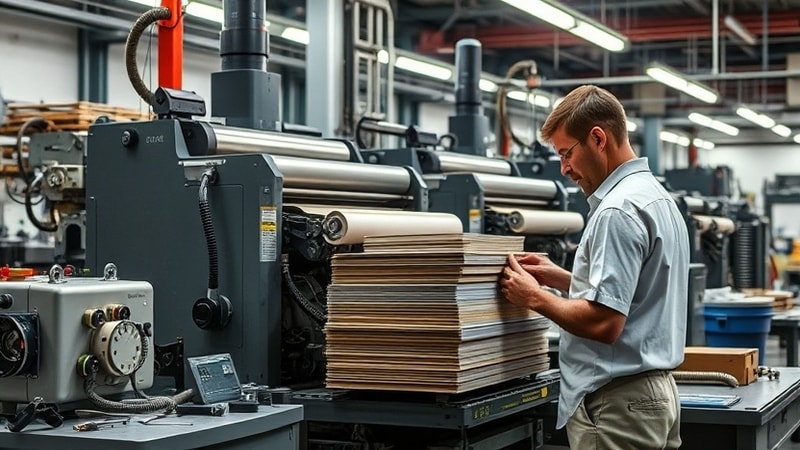
Flexo requires a custom printing plate for every color in your design. Creating these plates involves a one-time cost. For a design with six colors, you will need six plates. This makes the initial setup more expensive than digital printing.
The Break-Even Point: Why High Volume is Key
Because of the initial plate and setup costs, flexo is not economical for small print runs. The high setup cost is spread across the entire job. For a run of 50,000 units, that cost becomes a tiny fraction per piece. For a run of 500, it makes each piece very expensive.
Flexo vs. Offset vs. Digital: Which Method is Best for Your Project?
How does flexo compare to other popular printing methods?
At a Glance: Comparison Table
| Aspect | Flexographic Printing | Offset Printing | Screen Printing |
|---|---|---|---|
| Applications | Suitable for packaging, labels, and flexible materials such as plastic, paper, and aluminum foil. | Ideal for high-quality printing on flat surfaces such as brochures, booklets, and magazines. | Suitable for printing T-shirts, signage, and custom artwork on uneven surfaces. |
| Substrate Compatibility | Highly versatile; works with a wide range of materials, including plastic, foil, and corrugated board. | Limited to flat, stiff media such as paper and cardboard. | Limited versatility, used for textiles, glass, or metal. |
| Printing Speed | High-speed and efficient for large volumes. | Slower than flexographic printing, especially for large runs. | Slowest among the three due to the manual setup and ink application process. |
| Cost Efficiency | Cost-effective for high-volume print runs but requires initial investment in plates. | More economical for small to medium print runs; setup costs can be high for longer runs. | Ideal for short runs and niche items; less cost-effective for bulk production. |
| Turnaround Time | Quick setup and high-speed production ensure fast delivery. | Slower due to extensive prepress setup and plate preparation. | Long setup time and slower print speeds. |
| Environmental Impact | Focus on sustainability with water-washable plates and recyclable materials. | Less eco-friendly; traditional inks and processes produce more waste. | Varies often uses solvent-based inks that can have environmental consequences. |
Print Quality & Resolution: A Visual Comparison
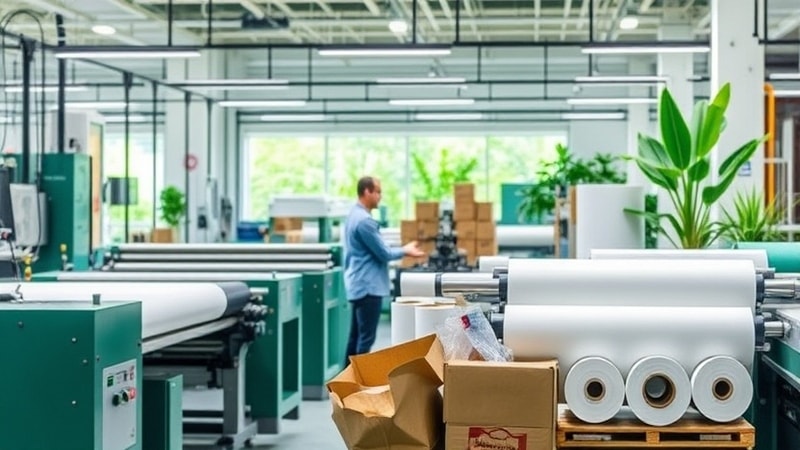
Modern HD flexo printing produces sharp, clean results that are perfect for most packaging. The quality is excellent. For designs that require the absolute finest photographic detail on high-quality paper, such as in a fine art book, offset printing may have a slight edge. Digital printing offers similar quality to offset but is best suited for smaller quantities.
Our Recommendation: Making the Right Choice for Your Needs
- Choose Flexo for large runs of packaging, especially on plastic or corrugated materials.
- Choose Offset for large runs of high-quality print on paper, like brochures or magazines.
- Choose Digital for small runs, prototypes, or any job that requires personalization.
The Future of Flexo: Key Trends and Innovations
The flexo industry continues to evolve with new technology.
Automation and Digital Integration
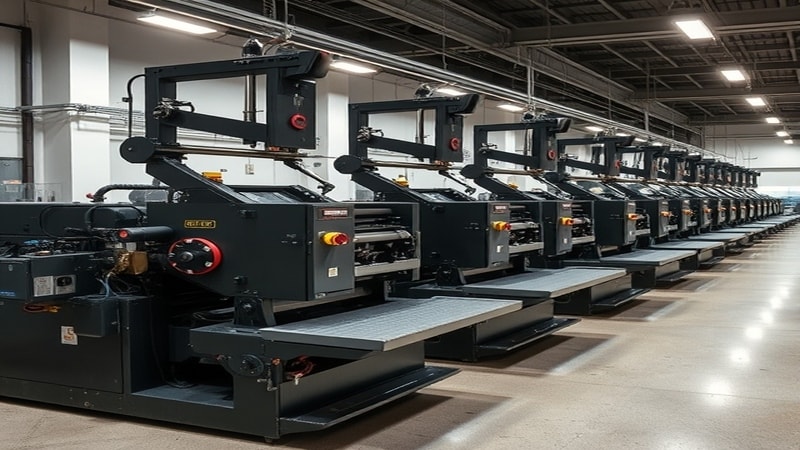
Modern flexo presses are highly automated. Digital interfaces and automated plate mounting reduce setup times, minimize waste, and improve consistency. This makes the process faster and more reliable.
Sustainability and Eco-Friendly Inks
Sustainability is a major focus. The industry is moving toward sustainable packaging solutions by using water-washable plates to avoid solvents that release volatile organic compounds. There is also a greater use of eco-friendly inks and energy-efficient drying systems, contributing to reducing carbon footprint.
Advancements in HDFlexo Plates
High-definition (HD) flexo plates have greatly improved print quality. They allow for finer details, smoother gradients, and a wider range of colors, closing the quality gap with other printing methods.
Frequently Asked Questions About Flexographic Printing
Q1:What makes flexographic printing expensive for small orders?
The primary cost for flexographic printing comes from the initial setup, specifically the creation of custom printing plates for each color in your design. This fixed setup cost is the same whether you print 500 or 50,000 units. For large orders, this cost is spread out, making the per-item price very low, but for small runs, it makes the process less economical.
Q2:What kind of materials can be printed using flexography?
Flexography is renowned for its versatility and can print on a wide range of materials, including both porous and non-porous surfaces. Common substrates include flexible plastics (like pouches and wrappers), paper, cardboard, corrugated board, and metallic films. This makes it ideal for nearly every type of product packaging and labeling.
Q3:Is flexographic printing an environmentally friendly option?
Modern flexographic printing has made significant strides in sustainability. The industry has shifted towards using water-based and UV-cured inks, which have a much lower environmental impact than traditional solvent-based inks. Furthermore, its efficiency on long runs minimizes material waste and energy consumption per unit, making it a responsible choice for high-volume production.
Q4:How do I know if flexo, digital, or offset is best for my specific packaging?
The best choice depends on your order volume, design complexity, and material. As a general rule, choose flexo for high-volume runs on various materials, digital for small orders with variable data, and offset for ultra-high-quality paper or paperboard projects. Consulting with a packaging specialist is the best way to analyze your specific needs and get an expert recommendation.
Conclusion
Flexographic printing is a versatile and cost-effective method, especially for non-porous substrates like food packaging. It offers high production speeds, low waste, and excellent print quality, making it ideal for long-run jobs.
With technological advancements and the use of eco-friendly inks, the flexographic printing process is becoming more popular. It is an excellent choice for both packaging design and label printing, offering businesses a reliable and efficient solution for their printing needs.
Get Expert Advice on Printing Methods with Packoi Printing
Researching printing techniques is crucial for your brand’s packaging. Each option has unique benefits. Let Packoi Printing guide you in choosing the best technique for your needs.Contact us today for expert advice and a fair quote.