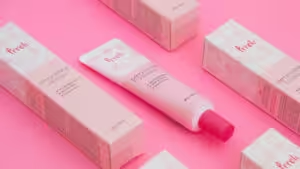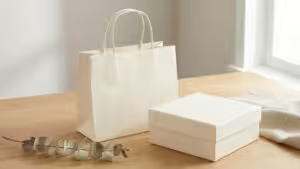
Soft touch coating and lamination offer unique benefits that can enhance the marketability of any product. However, companies often struggle to know if investing in soft touch is profitable or not.
To help you solve this dilemma, we discuss in detail the applications of soft touch coating, how it differs from lamination, and which method is best suited for your packaging needs. Let’s dive in.
What is Soft Touch Coating?
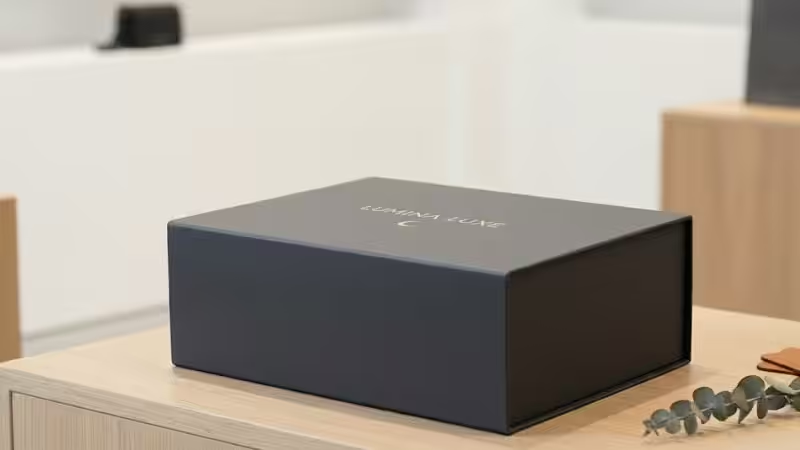
Soft Touch coating is a type of finishing that’s applied to different materials like paper, plastics, or metals to impart a soft feel and velvety texture to that surface. This provides a better visual appeal and premium touch to the product, and consumers are more likely to buy such products.
It is typically composed of liquid plastics or synthetic rubbers and is applied to substrates through methods like spraying, rolling, or as a liquid coating during the printing process. The application process is explained in detail in a later section below.
Applications of soft-touch coatings are widespread, with packaging being the most common. High-end brands use this method on product packaging to convey a sense of luxury and quality.
Soft touch can also be eco-friendly if the coating material is water-based and uses fewer chemicals. This makes the coating easily recyclable.
What is Soft Touch Lamination?
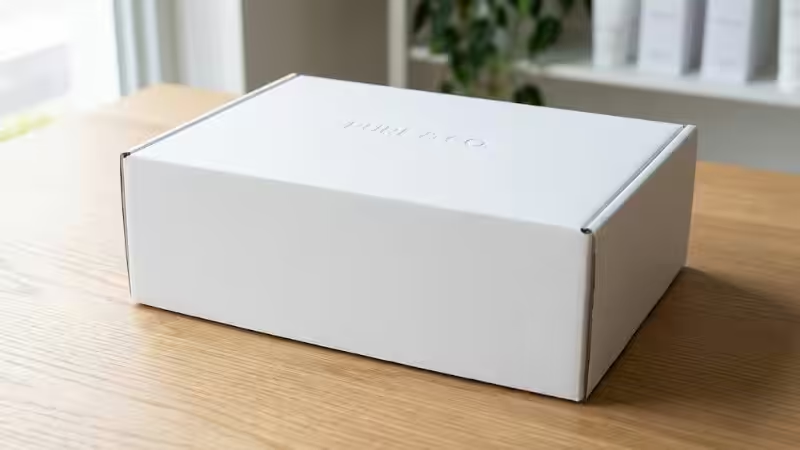
Soft Touch lamination is a finishing technique where a specially textured plastic film is bonded to a printed surface to create a smooth, velvet-like tactile effect. Similar to the coating, it offers a luxurious matte finish that encourages consumers to touch and interact with the product, often described as having the feel of soft peach skin.
Unlike the liquid composition of coatings, this method utilizes a solid biaxially oriented polypropylene (BOPP) film. It is applied using a laminating machine that utilizes heat and pressure to adhere the film securely to the paper or cardstock substrate.
This method is highly favored for premium packaging, book covers, and business cards because the film layer adds structural integrity. High-end brands often choose lamination when they need the product to be more durable, as the film acts as a physical barrier against moisture, scratches, and scuffs.
While it provides superior protection and a slightly richer feel than coating, it is important to note that because it involves adhering a plastic film to paper, it can sometimes be more challenging to recycle compared to simple water-based coatings.
Soft Touch Coating vs. Soft Touch Lamination for Packaging
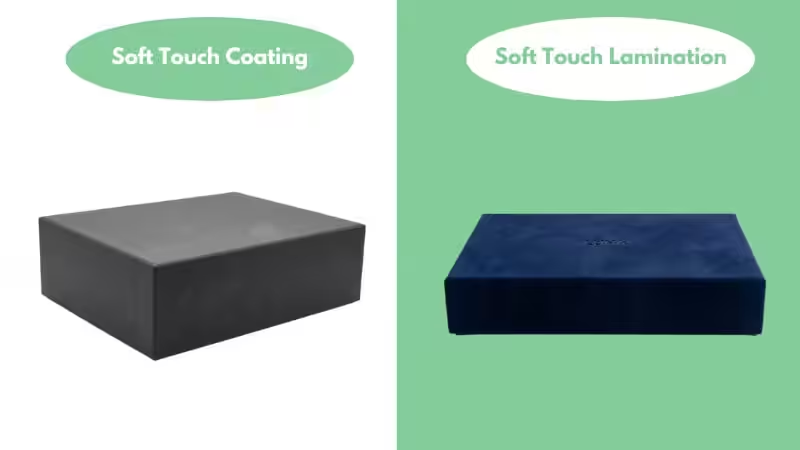
The two primary methods of achieving a soft touch on packaging are coating and lamination. While both these methods provide a similar velvety touch to the packaging material, the difference lies in their application process, costs, durability, and impact on the printed packaging designs.
Soft Touch Coating
In soft touch coating, a plastic liquid is applied to the packaging material during the final stages of the printing process to form a smooth layer and is cured using ultraviolet (UV) light.
This process is cost-effective and time-efficient. Soft touch coating provides resistance to fingerprints and smudges without compromising the original colors of the packaging.
Soft Touch Lamination
Instead of a liquid, soft touch lamination consists of applying a pre-formed layer of textured matte film onto the surface of printed materials. This method uses more material and a more complex application process, but provides better durability.
Soft touch lamination is typically made of bi-oriented polypropylene (BOPP) and is applied to the packaging, which is different from soft touch coating.
The table below provides a side-by-side comparison of soft-touch coating and soft-touch lamination.
| Feature | Soft Touch Coating | Soft Touch Lamination |
|---|---|---|
| Application Process | Applied as a liquid coating and cured | A soft-touch plastic film is bonded to the surface |
| Cost | More cost-effective | More expensive due to additional materials and steps |
| Durability | Resistant to fingerprints, but less durable over time | Highly durable, protects against scratches and moisture |
| Finish | Velvety, matte feel with deep color vibrancy | Velvety, matte feel, but may slightly mute colors |
| Best for | Business cards, brochures, and luxury packaging | High-end product packaging, book covers, premium prints |
| Environmental Impact | Some coatings offer eco-friendly, water-based options | Requires plastic film, making it less eco-friendly |
Which Soft Touch Method Is Right For You?
When choosing between soft-touch coating and lamination, you must consider their differences and which one best aligns with your specific needs.
Soft Touch Coating
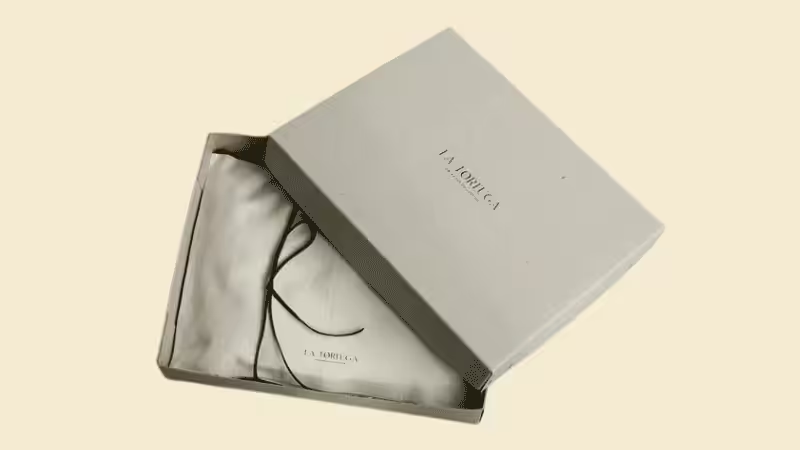
The advantages of soft-touch coating include:
- Cost-Effectiveness: Since it’s applied during the printing process, soft touch coating is generally more economical, eliminating the need for additional materials or steps.
- Color Integrity: This method maintains the original colors of the printed material, as it is a fully transparent coating.
- Fingerprint Resistance: This technique helps in reducing visible fingerprints and smudges, keeping the material looking good as new, even after excessive handling.
- Eco-friendly: This is a more sustainable option than soft-touch lamination.
Keep in mind the following considerations for soft touch coating:
- Durability: While it provides a premium feel and touch to the packaging material, there is very little protection against physical wear and tear.
- Application Limitations: This method is best suited for paper-based materials like cardboard packaging and might not adhere well to other hardened substrates.
Soft Touch Lamination
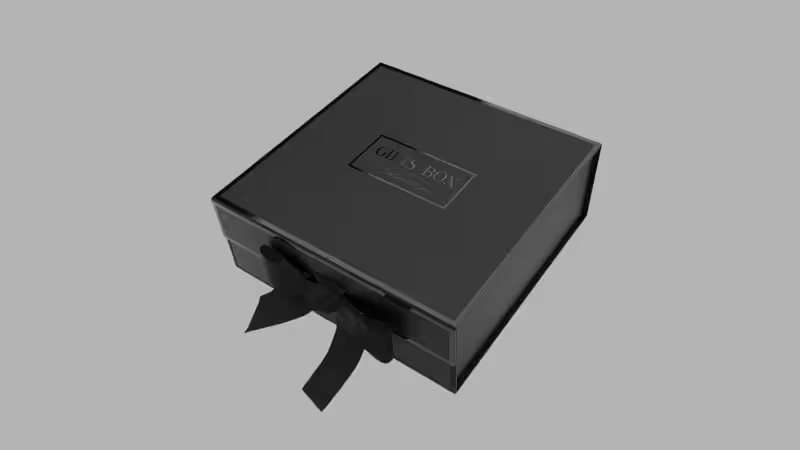
Soft touch lamination provides the following advantages:
- More Durable: The thick lamination film provides more strength and durability to the product compared to liquid coatings. This is beneficial for items that require frequent handling and exposure to different environments.
- More Applications: Unlike soft-touch coating, lamination can be applied to almost all surface types.
Limitations of soft touch lamination are as follows:
- Budget Constraints: The extra material requirement and application process make this a more costly method than soft-touch coating.
- Aesthetic Preferences: Soft touch lamination often dulls the colors of the original material due to its thickness.
- Environmental Considerations: The extra plastic being used in lamination methods makes this less sustainable than soft-touch coating.
In summary, if your company values cost-effectiveness and sustainability and primarily focuses on paper or plastic packaging, soft-touch coating is the best choice. If you’re looking for durability and versatile applications, soft-touch lamination is the better option.
How to Apply Soft Touch Coating and Laminations?
The main difference in both applications is that in coating, a liquid is applied to the packaging and is left to dry off, while in lamination, a pre-formed layer is applied.
Soft Touch Coating

The following are the steps that most industries use for their soft touch coating:
1. Surface Preparation
The first step of applying the coating is to prepare the product surface on which the liquid is being applied. This involves cleaning and sanding the surface to get rid of any impurities and applying a primer that’s suitable for both the substrate and the coating.
2. Mixing the Coating
Soft touch coating typically involves two components that need mixing according to the manufacturer’s recommended ratio before application to the surface. The mixture is stirred thoroughly to achieve a uniform consistency.
3. Application Methods
The application of the coating depends on the product specifications. Spray coating is used for complex-shaped surfaces for even distribution. Drip coating is used for small or intricately shaped objects. Finally, roller coating is used for small or intricately shaped objects.
4. Curing Process
After the coating is applied, it is left to cure for a specified time, either at room temperature or in a heated environment for an accelerated curing period.
5. Quality Control
Visual inspection and adhesive testing should be performed to check if the coating has been applied accurately.
Soft Touch Lamination
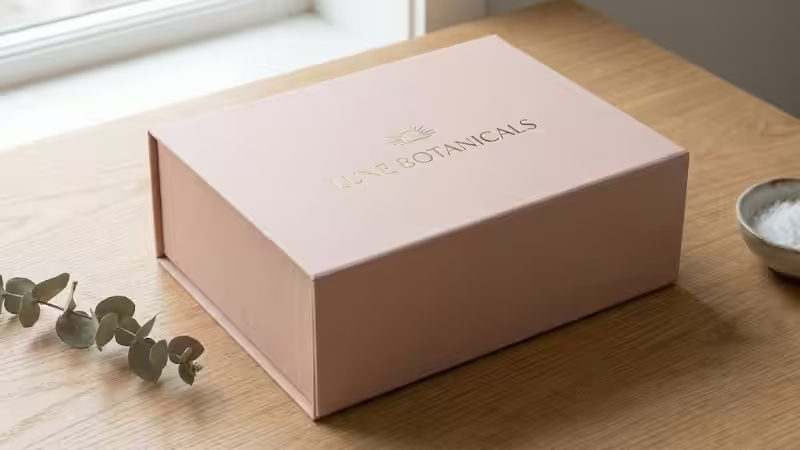
The following are the industrial steps to apply soft touch lamination:
1. Preparation
Just like soft coating, the surface is dried and cleaned thoroughly to remove any dust, debris, or imperfections from the printed surface.
2. Selection of Lamination Film
The most common lamination materials are BOPP, PET, and EVA, with BOPP being the most used, with a thickness of around 1.3 mils. These materials are selected depending on the desired thickness and application of the lamination.
3. Lamination Process
A thermal laminating machine with rollers is used to join the printing surface and the lamination sheet. As the material passes through the laminator, the heat-activated adhesive on the film bonds with the printed surface, creating a uniform soft-touch layer.
4. Post-Lamination Handling
Then comes the cooling process. Once cooled, any excess film is trimmed off from the surface using sharp cutting tools to ensure clean and precise edges.
Cost Considerations & Alternatives of Soft Touch Finish
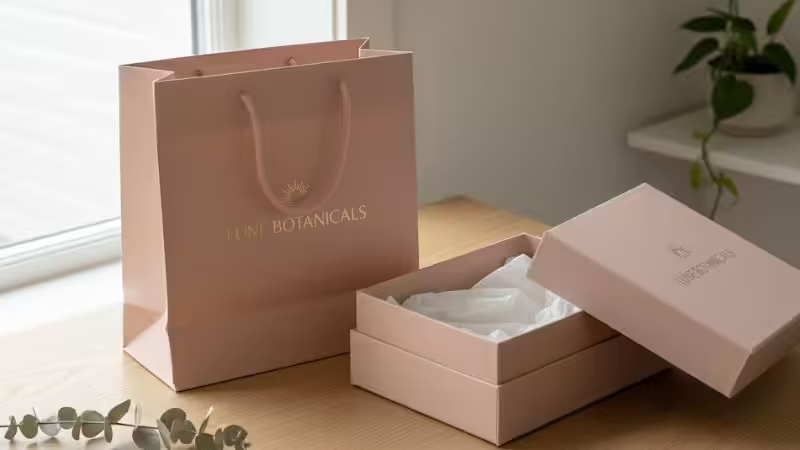
While selecting a finish for a material, businesses must weigh the pros and cons of soft touch and traditional finishing methods and select what’s best suited for their product.
Soft Touch Finishes vs. Traditional Finishes
Soft touch finish improves the visual appeal, durability, and smudge resistance of a surface. Matte coatings offer a non-glossy, subdued appearance that reduces glare and provides a smooth feel.
The gloss finish provides a shiny and reflective surface to enhance the colors of the printed surface. Matte and gloss finishes typically cost less and are easier to apply, but offer fewer benefits than soft touch.
When is Soft Touch Finish Worth the Investment?
Investing in a soft-touch coating can be beneficial for a company if it is looking to enhance its brand perception. A soft-touch coating makes customers associate a product with luxury and exclusivity.
For high-end products or services, the added expense of soft-touch coating can be a worthwhile investment.
Applications of Soft Touch Coating and Laminations
Soft-touch finishes have a wide variety of applications in various industries.
Packaging
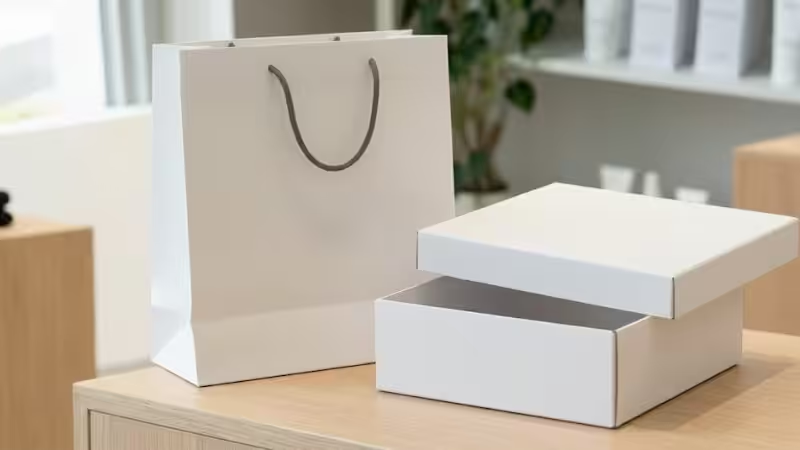
The packaging industry applies this finish to product boxes, shopping bags, and other packaging materials to make them more appealing to consumers.
Printing and Publishing
Printing and publishing agencies apply this to business cards, brochures, book covers, and catalogs, aligning with innovative printing techniques.
Electronics
In electronics, the finish is applied to smartphones, tablets, laptops, and remote controls. This non-slip surface reduces the likelihood of accidental dropping of fragile items.
Automotive Industry
Soft touch is also applied to dashboards, steering wheels, and door panels of automotive vehicles to provide a comfortable driving experience.
Toys and Games
Manufacturers of toys and games apply soft-touch coatings so that they can withstand rough play without deteriorating quickly.
Kitchen Gadgets and Medical Devices
Medical Devices, refrigerators, washing machines, and kitchen gadgets use soft touch for better handling and a secure grip.
Future Trends in Soft Touch Coating
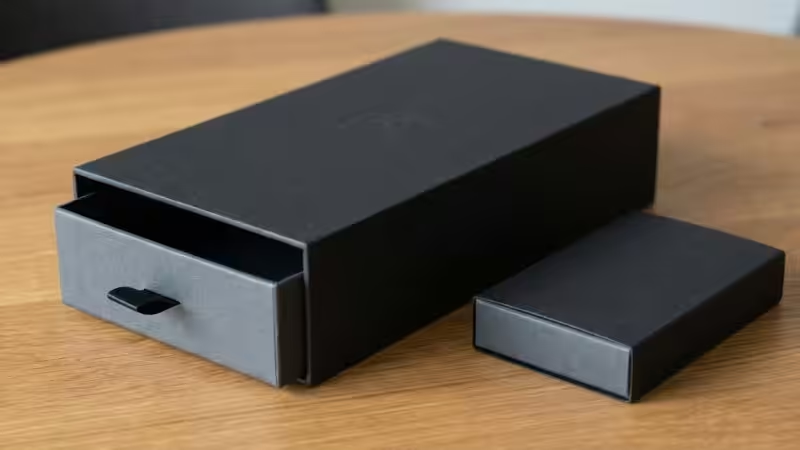
The soft-touch finishing industry is continuously evolving with current market demands by focusing on sustainability and technological integration.
Eco-friendly Soft Touch Coatings
As the concern for climate change increases, there has been a significant shift towards sustainable manufacturing. The introduction of a water-based soft touch finish provides the same velvety texture while reducing volatile organic compound (VOC) emissions.
Companies like BASF and Cork Industries have introduced soft-touch aqueous coating that aligns with eco-friendly objectives without compromising functionality.
Integration with Smart Packaging
The fusion of soft touch coatings with smart packaging technologies is an emerging trend aimed at enhancing consumer engagement and product interaction.
For example, a product package with a durable soft touch finish could include an embedded NFC tag that can be scanned with a smartphone that directs the customer to more detailed info, tutorials, or promotional offers regarding the product.
FAQs
Q1: What is the main difference between soft touch coating and soft touch lamination?
Soft touch coating is a liquid finish applied during printing, while soft touch lamination uses a textured plastic film bonded to the surface.
Q2: Is soft-touch coating more cost-effective than lamination?
Yes, soft-touch coating is generally more affordable because it requires fewer materials and processing steps.
Q3: Which option is more durable for frequent handling?
Soft touch lamination is more durable because the film layer provides stronger protection against moisture, scratches, and wear.
Q4: Does soft-touch lamination affect print color quality?
Yes, lamination can slightly dull colors due to the thickness of the matte film.
Conclusion
Investing in soft-touch finishing for your products can be significantly advantageous for your company. Soft touch enhances packaging aesthetics, brand perception, durability, and fingerprint resistance.
We highlighted factors like material cost, application methods, market uses, sustainability, and durability that will help you choose whether soft touch coating or lamination is better for you, as well as future trends in soft touch finishing, like water-based coating and smart packaging.
Choose Packoi for Your Soft Touch Packaging
At Packoi, we specialize in delivering high-quality, cost-effective packaging solutions personalized to your business requirements. Our extensive product range includes custom boxes, bags, and marketing materials, ensuring a cohesive and professional presentation for your brand.
Equipped with a state-of-the-art production facility and a dedicated team, we guarantee fast turnaround times and strict quality control. Contact us today for a personalized quote and take the first step toward elevating your product presentation.