New global policies and a surge in climate-conscious purchasing will reshape packaging. Companies that invest in sustainable solutions now will meet rising standards. They will also lead the charge into a more resilient, innovative future.
Green packaging is no longer a bonus. It is a baseline. Businesses that switch to eco-friendly packaging are already seeing lower waste and stronger customer trust. And there is one number every company needs to watch closely: carbon footprint.
In this article, we will explore the major green packaging trends in 2026. We will dive into how these trends will not only reduce environmental impact but also unlock new opportunities for growth.
What Is Green Packaging
Green packaging, also known as sustainable packaging, is designed to reduce environmental impact. It uses recyclable packaging materials and renewable resources instead of traditional packaging materials like plastic and Styrofoam.
A green approach also looks at the entire production process. It aims to lower energy use, cut waste, and reduce carbon emissions from manufacturing to disposal.
In short, green packaging follows a few core principles: use less material, make it recyclable or compostable, and design for reuse whenever possible.
7 Green Packaging Trends Defining 2026
Let’s take a look at seven of the most impactful green packaging trends that are shaping the future of packaging.
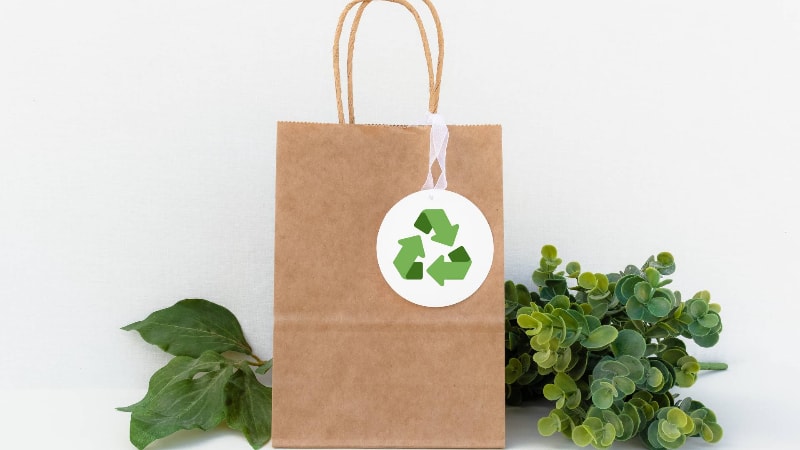
1. Compostable and Biodegradable Materials Go Mainstream
The shift away from petroleum-based plastic packaging is gaining momentum. More and more companies are turning to sustainable packaging solutions made from plant-based materials.
Sustainable packaging examples include PLA (polylactic acid) and PHA (polyhydroxyalkanoates). PLA is made from agricultural waste like corn starch or sugarcane. These raw materials help lower the environmental footprint of packaging.
These compostable options are now widely used in food, cosmetics, and takeaway packaging. But not all compostable packaging is the same. Biodegradable materials break down through microbial action, but the timeline varies. Compostable materials break down into nutrient-rich soil, often requiring specific industrial composting conditions.
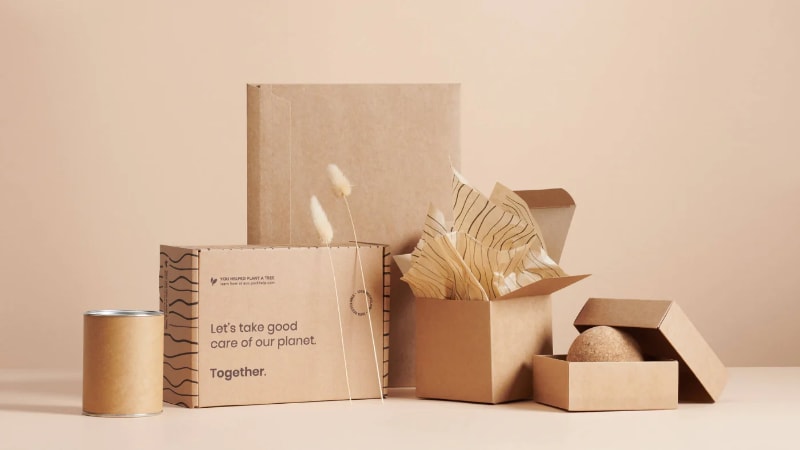
With stricter regulations, certified standards like EN 13432 and ASTM D6400 are becoming the norm. However, these standards are designed for industrial composting facilities. Most home compost bins do not meet the required conditions.
As the packaging industry moves toward a more sustainable future, biodegradable materials will continue to play a key role in reducing packaging waste.
The Sustainable Packaging Coalition and other groups are pushing for wider adoption. They want to ensure that green alternatives are easily available for brands across the globe.
2. Water-Soluble and Edible Packaging Innovation
Water-soluble and edible packaging is an exciting innovation in the world of sustainable packaging. Made from materials like seaweed, rice starch, and casein, these solutions offer an eco-friendly way to reduce packaging waste.
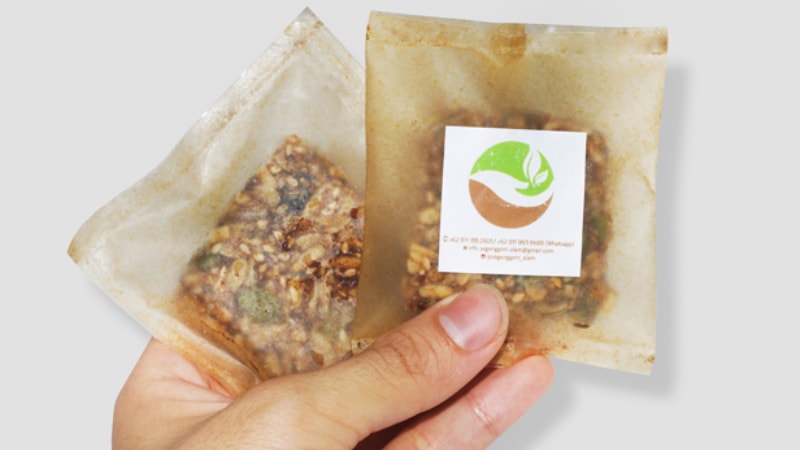
These materials are particularly useful for single-serve products. They are also good for sample packaging, where traditional packaging can be excessive.
One of the biggest benefits is that these innovative packaging solutions dissolve in water. So, they leave no waste behind. This completely eliminates post-use waste. It also reduces the need for disposal altogether.
Water-soluble packaging could help solve the problem of packaging waste on a global scale. It’s a key development for businesses looking to reduce packaging waste.
3. Smart Sustainable Packaging with Embedded Tech
Smart packaging is taking sustainability to the next level. Printed electronics or QR codes are being embedded into compostable materials. These technologies allow for end-to-end traceability.
Consumers can easily access information about the product’s origin. Plus, they can learn about ingredients and sustainability practices.
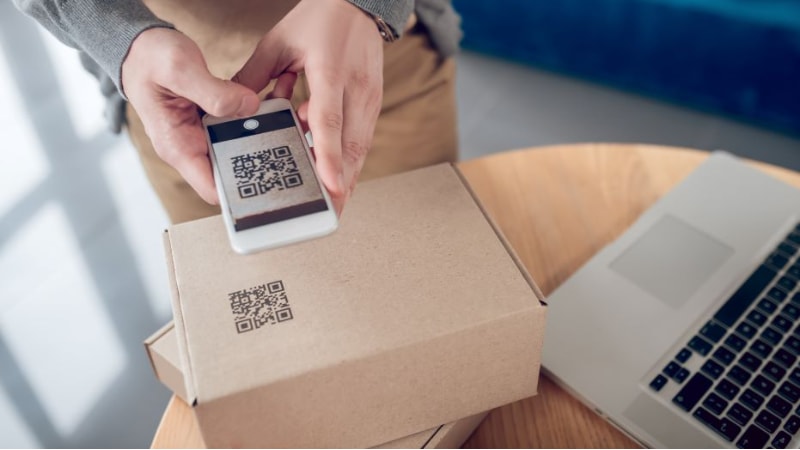
This technology also helps improve recycling sorting. It makes it easier to identify which materials can be recycled and how to do it properly.
Smart packaging is already being used in industries like pharmaceuticals, luxury goods, and food packaging. It’s a game-changer in reducing waste and improving the operational efficiency of recycling systems.
4. Minimalist and Zero-Waste Packaging Designs
Minimalism is becoming the new standard. Companies are reducing material layers and ink coverage. That means less waste, less energy, and lower carbon dioxide emissions.
Many brands are removing unnecessary plastic windows, coatings, and adhesives. These items are hard to recycle. Smart brands replace them with recycled plastics and recycled cardboard.
Zero-waste packaging goes further. Nothing goes to landfill. Everything gets reused, recycled, or composted. This protects natural resources and solves major environmental issues.
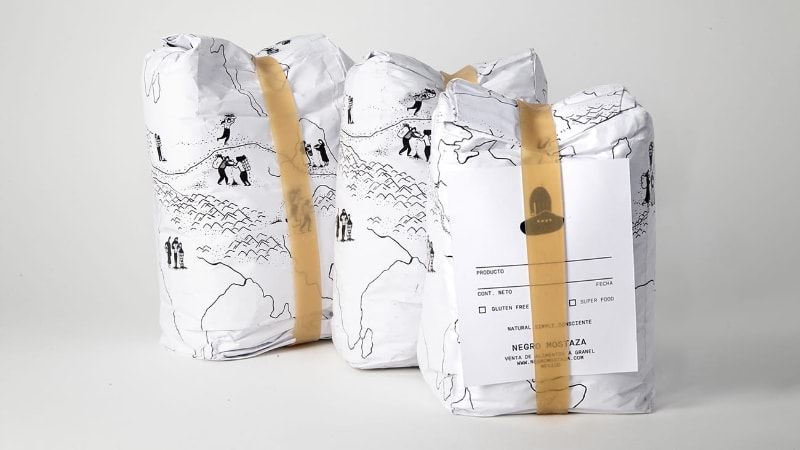
Custom packaging makes it happen: refillable containers, compostable wraps, and mono-material designs. Beauty brands now use refillable pods, grocery stores accept customer containers, and subscription services offer returnable packaging.
Refillable pouches and containers cut waste and boost customer satisfaction. Buyers want brands that reduce waste, and that pressure is growing.
Challenges still exist. Redesigning supply chains costs money, and habits take time to change. Return programs need strong support, and some eco-friendly materials still fail in real-world recycling.
But momentum is growing. Zero-waste design improves brand image and is no longer just a trend. It is the new standard.
5. Recycled and Upcycled Packaging Gains Momentum
Recycled and upcycled packaging is growing rapidly. The supply of high-quality post-consumer recycled materials is increasing. This makes it easier for packaging companies to offer more sustainable packaging solutions.
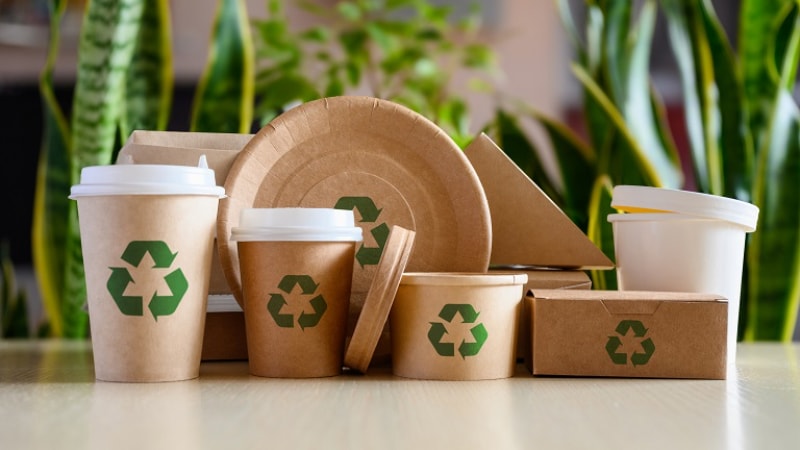
Many brands are upcycling byproducts from other industries. Agricultural waste, for example, is being used to create new packaging materials.
Sectors like fashion, electronics, and luxury goods are leading this shift. They are embracing recycled materials to meet packaging sustainability goals. As demand for recyclable materials grows, more businesses will adopt these eco-friendly solutions.
6. Sustainable Inks, Adhesives, and Labeling
Sustainable inks and adhesives are transforming the packaging industry. Water-based and soy-based inks are becoming more common.
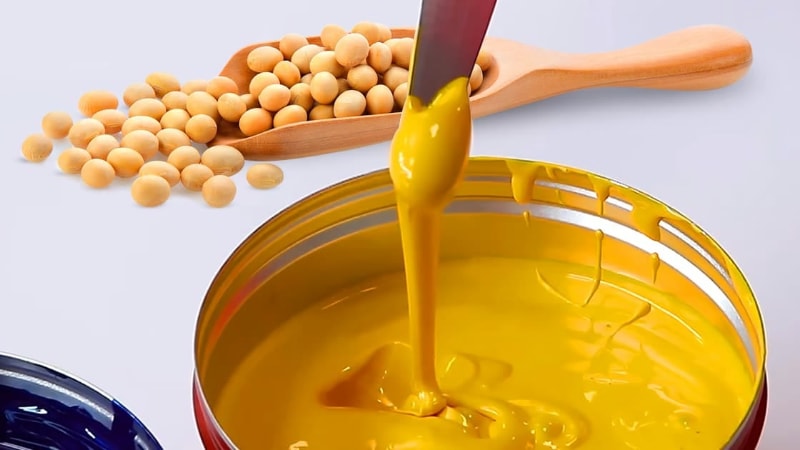
These inks are easier to remove during recycling, which minimizes waste. Compostable adhesives are also replacing traditional petroleum-based glues. These adhesives are a more eco-friendly choice for packaging companies committed to sustainability.
Labels are being redesigned to separate cleanly or biodegrade with the packaging. This ensures that the entire package can be composted or recycled. By adopting sustainable inks, adhesives, and labeling, businesses are making their packaging solutions more environmentally friendly.
7. Circular Economy and Refill / Return Programs
Circular economy models are gaining ground. More businesses are adopting reusable packaging. Both B2B and B2C companies are integrating these models into their supply chain. Refill and return programs are becoming common across industries.
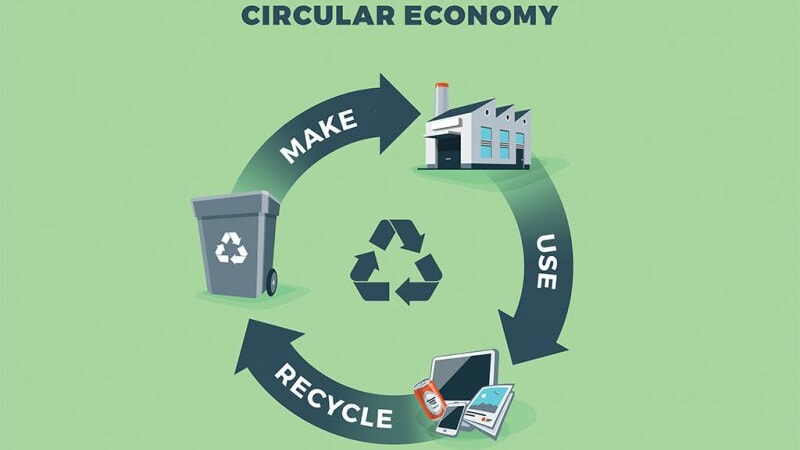
Mobile apps now help track returns, refills, and loyalty rewards. Supermarkets, beauty brands, and subscription box services are all incorporating these systems. This shift helps companies reduce packaging waste and use fewer produce resources.
By reusing packaging, businesses minimize waste and contribute to a more sustainable future. These models also reduce costs over time. Less material purchasing and lower disposal fees add up to long term savings for brands that commit to circular systems.
Innovations in Green Packaging Technology
Here are some notable innovations that have been made in green packaging technology.

Smart Sensors Made from Biodegradable Materials
The rise of smart packaging is reshaping the industry. Now, smart sensors are being created from biodegradable materials.
These sensors track freshness, temperature, and product integrity. They are perfect for active packaging that protects goods during transport. Using biodegradable sensors helps minimize environmental impact. It also supports the shift toward more eco-friendly packaging.
Digital Printing with Compostable Inks
Digital printing is going greener. Many packaging companies are moving to compostable inks. These inks work well with compostable packaging and recyclable materials.
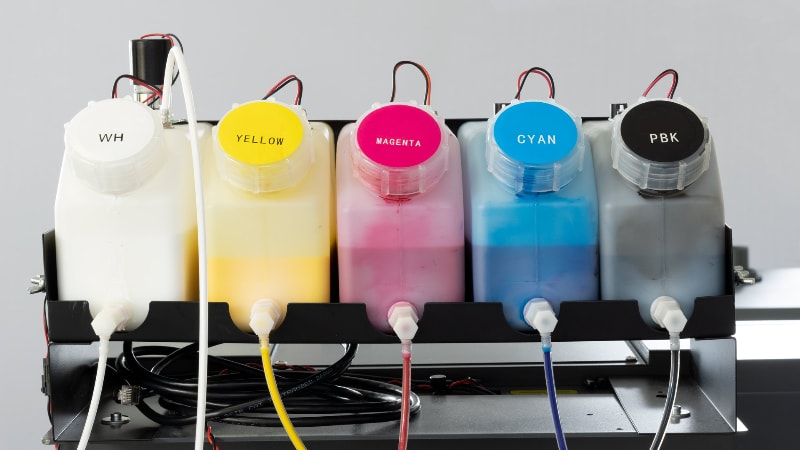
They offer high-quality designs without harming the environment. Digital printing also reduces the need for excessive packaging.
Brands can create packaging that is both attractive and sustainable. This method also minimizes waste during production. It is a smart solution for packaging companies aiming to lower their environmental impact.
Bio-Based Films with Improved Shelf Life and Strength
Bio-based films are getting stronger and smarter. New materials extend shelf life while staying eco-friendly. These films are made from sustainable materials that can replace traditional plastics. Many companies are also focusing on mono-material packaging to make recycling easier.
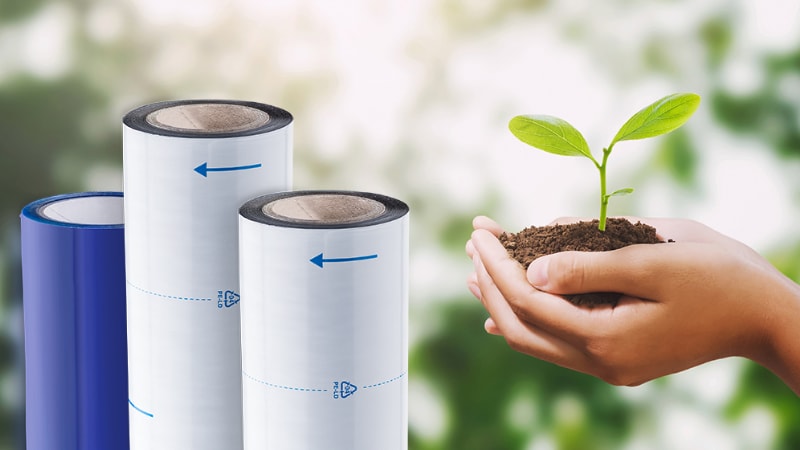
Monomaterial packaging uses a single type of material, which simplifies sorting and recycling. This design greatly minimizes waste at the end of the supply chain.
Bio-based films are being used in food, cosmetics, and even electronics packaging. They offer strength without adding excessive packaging. The focus is shifting from just protecting the product to protecting the planet ,too.
Green Packaging Success Stories from Top Brands
Below, we share some success stories from top brands that have successfully implemented green packaging strategies.
Apple’s Shift to Paper-Based Packaging

Apple is leading the way with eco-friendly packaging. The company has been removing plastics from its packaging solutions year after year.
Today, most Apple products come in fiber-based trays instead of plastic ones. They use minimal printing to reduce environmental impact. Even the pull tabs are now made from recyclable materials.
Apple’s goal is bold but clear. The company has pledged to use 100% plastic-free packaging across all products. This commitment to sustainable materials shows how major brands can drive real change in the packaging industry.
It also highlights the growing demand for packaging companies to offer compostable packaging and recyclable materials at scale.
IKEA’s Mycelium-Based Innovation

IKEA is another leader embracing innovative packaging solutions. The company has started using mushroom-based packaging to replace Styrofoam. This move targets excessive packaging and helps minimize waste.
Mycelium packaging grows in just seven days. It is fully biodegradable and can decompose in a simple backyard compost pile.
IKEA’s shift not only reduces environmental impact but also introduces customers to smarter, more sustainable packaging options. It’s a clear example of how using bio-based, compostable packaging can improve supply chain sustainability.
Coca-Cola’s Paper Bottle Breakthrough
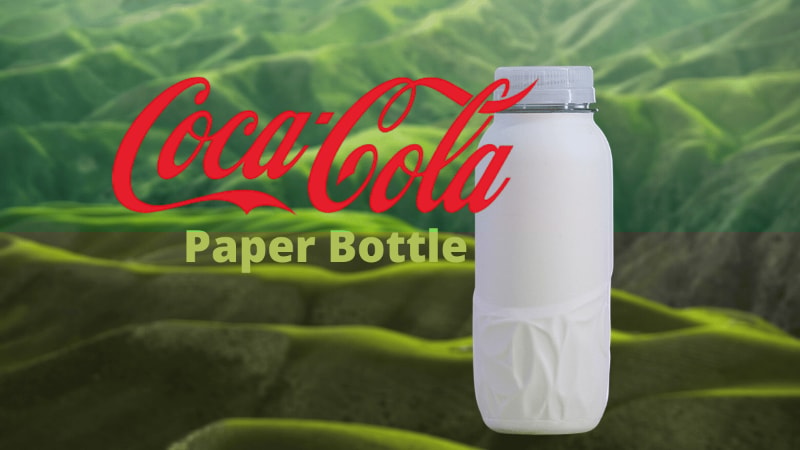
Coca-Cola is also testing new green ideas. Through a partnership with the Paper Bottle Company (Paboco), Coca-Cola is trialing paper-based bottles. These bottles feature a thin plant-based barrier to hold liquids safely.
This project shows how even big players in the beverage industry are moving away from traditional plastic packaging. Their goal is to find packaging solutions that are recyclable or compostable. Success here could inspire massive change across the entire sector.
Sustainable Packaging Materials to Watch
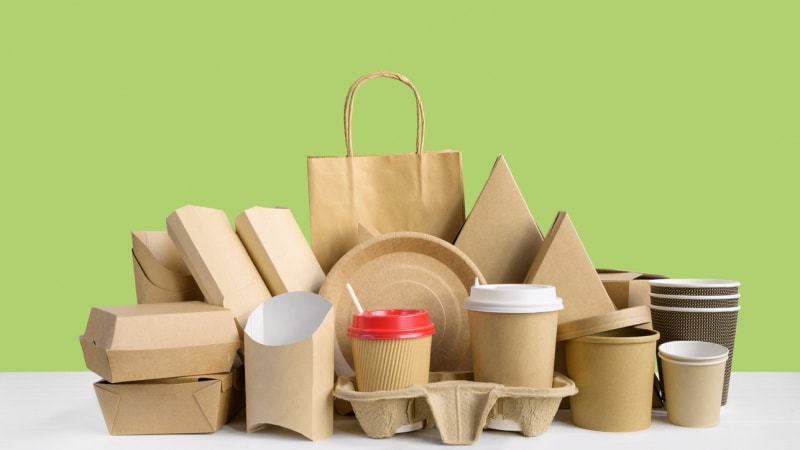
Brands and packaging companies are shifting to materials that support a sustainable future. Choosing the right material depends on the product, the supply chain needs, and the customer experience.
Some options are ideal for food. Others are perfect for tech or beauty. The packaging industry is focusing hard on materials that minimize waste at every step. This table shows some materials to watch in 2026 and beyond.
| Material | Key Features | Best Used For | Environmental Impact |
|---|---|---|---|
| Mycelium | Grown from mushroom roots, compostable, lightweight | Protective packaging for furniture, electronics | Fully biodegradable in home compost |
| Seaweed-Based Films | Edible, water-soluble, renewable | Single-serve food packs, sample sachets | Breaks down naturally without industrial composting |
| Molded Pulp | Made from recycled paper, sturdy, customizable | Egg cartons, protective shipping trays | Uses recycled materials and decomposes easily |
| Recyclable Mono-Materials | Single material structure, easy to recycle | Food wrappers, beauty product tubes | Simplifies recycling and reduces contamination |
| Paper-Based Alternatives | Renewable, often FSC-certified, and printable | Beverage bottles, takeaway containers | Compostable and recyclable with proper facilities |
As you can see from the table, there’s a variety of materials available for green packaging. Your choice will depend on the traits you’re looking for and the kind of products you want to package.
How to Prepare Your Business for the Future of Green Packaging?
Moving toward green packaging is not just a trend. It is a critical step for any brand that wants to stay competitive and lower its environmental impact. Here’s how to get started:
- Packaging Audit: Start by reviewing the packaging material your business uses. Identify which items are recyclable, compostable, or reusable. Measure how much packaging waste your operations generate.
- Sustainable Packaging Design Strategy: Create designs that use fewer resources and minimize waste. Focus on mono-material packaging wherever possible to make recycling easier. Remove unnecessary layers, coatings, adhesives, and plastic windows.
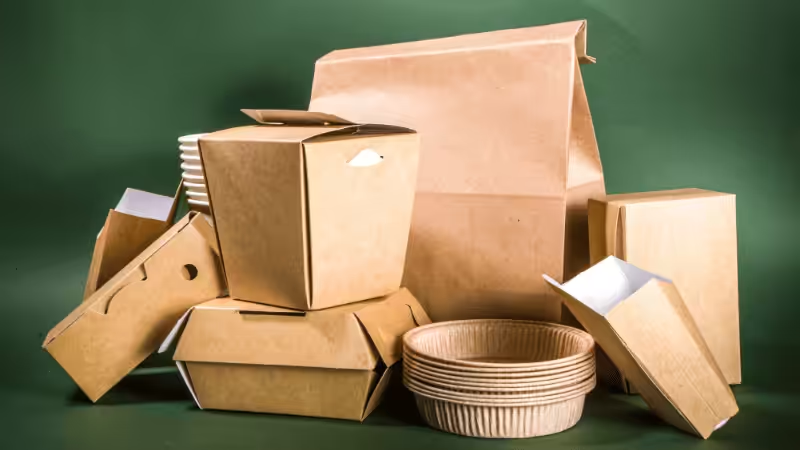
- Eco-Conscious Suppliers: Partner with packaging companies that prioritize compostable packaging. It’s best if they follow sustainable supply chain practices. Ask suppliers for documentation on material sourcing and environmental certifications.
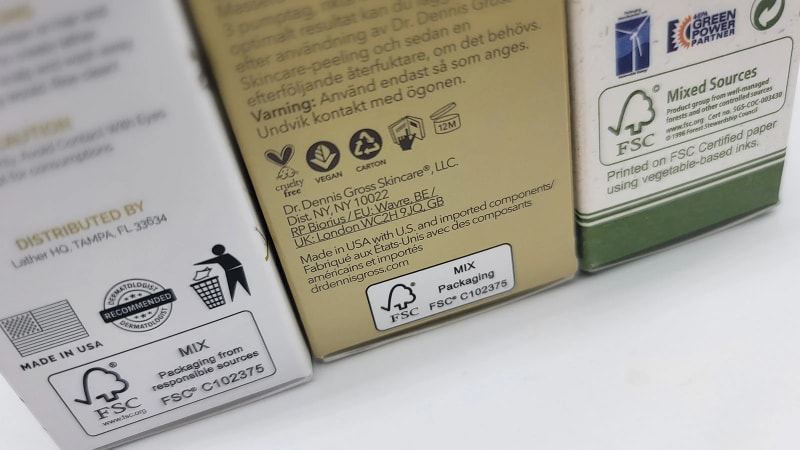
- Certifications and Compliance: Make sure your packaging meets key certifications like FSC. ASTM D6400 is widely applied for compostable packaging. Use third-party verification to back up your sustainable packaging claims.
Together, these steps will help you stay a step ahead of your competitors and industry trends. While you’re at it, don’t forget to stay up to date with emerging preferences and regulations. The more compliant you are, the better.
Can green packaging be cost-effective?
Upfront costs may be higher, but the long-term savings from less material, lower shipping weight, and reduced disposal fees add up quickly. When used at scale and supported by circular models like reuse and refill systems, many businesses find that green packaging pays for itself over time.
FAQs
Q1: I don’t have industrial composting nearby. How should I handle compostable packaging?
Check with your local waste management service first. Some cities accept compostable packaging even if you don’t realize it. If not, look for mail-back composting programs or drop-off locations. Avoid sending it to regular landfills, where it may not break down properly.
Q2: Does green packaging always cost more than traditional options?
Not necessarily. Starting with one small change, like switching to recycled cardboard or removing plastic windows, keeps costs low. You can also ask your current supplier for greener alternatives they already offer. Many eco-friendly materials are becoming more affordable as demand grows.
Q3: What are the main benefits of green packaging for a small business?
Green packaging helps you save money over time, meet new plastic regulations, and attract eco-conscious customers. It also improves your brand image without requiring a huge budget. Even small steps, like a packaging audit or one material swap, can make a positive impact.
Q4: How do I start with green packaging if my budget is tight?
Start with a simple packaging audit to see where you use the most material. Then pick one easy swap, like recycled cardboard or mono-material pouches. Work with your existing supplier to ask for green options they already offer. Small, low-cost steps add up faster than you think.
Conclusion
Green packaging is not a distant vision. Smart packaging and zero-waste designs are leading the way right now. Many businesses that act today will shape the future of packaging. They are already seeing a positive impact on waste, costs, and brand trust.
At the same time, many consumers expect greener choices. Smaller footprints, smarter solutions, and better materialsare setting the new standard. The question is no longer if you should evolve. It is how fast you are willing to move.
Give Your Packaging Strategy a Facelift With Packoi
Ready to start designing your 2025 packaging strategy today? Packoi is a sustainable, innovative, and compliant packaging supplier that meets tomorrow’s demands. Get in touch to discuss your needs.