What You’ll Get From This Article:
✅ Full comparison of all 13 options (with Cost Index $$$)
✅ 4-step decision checklist (budget → product → brand → disposal)
✅ 3 certifications that instantly spot greenwashing (FSC, BPI, Recycled Content symbol)
Detailed breakdown below. (Main content begins)
Quick Selection Guide: Find Your Eco-Friendly Packaging Match in 30 Seconds
Before we explore the details, here’s a quick chart to help you find a starting point based on your industry and budget.
Packaging Type | Best For | Cost Index | Key Benefit |
Recycled & Corrugated | E-commerce, Apparel, Dry Goods | $$ | Cost-effective & Widely Recyclable |
Compostable | Food Service, Coffee, Cosmetics | $$$ | Premium Image & Zero Waste Potential |
Reusable & Refillable | Beauty, Cleaning Supplies, Local Retail | $$$$ | Builds Customer Loyalty & Reduces Waste |
Minimalist (any material) | All Industries | $ | Reduces Cost & Shipping Weight |
Strategy 1: Reduce & Simplify – Less is More

The easiest way to be more sustainable is to simply use less. This approach focuses on cutting out unnecessary layers and materials.
1. Minimalist Packaging: How to Cut Waste and Improve Branding?
- Best for: Direct-to-consumer brands, subscription boxes, and products with a modern aesthetic.
- Key Challenge: Must be designed carefully to still protect the product adequately. Less space for messaging.
- Cost Index: $
Minimalism means you’re keeping your design simple and reducing the layers of your packaging. This type of packaging supports the idea of reduction, effectively minimizing waste by choosing not to use certain materials. But this has to be well thought out. Simplicity is great, as long as it’s still aligned with your branding and provides enough protection. Ensure your message isn’t compromised by giving customers a link via a QR code to find more information.
2. Mono-Material Packaging: Why is a Single Material Easier to Recycle?
- Best for: Any brand looking to maximize the chances of their packaging actually being recycled.
- Key Challenge: Can limit design options (e.g., no plastic windows on paper boxes).
- Cost Index: $$
This eco-friendly packaging ensures recyclability. It means you stick to one type of material. You see, not all recyclable packaging gets recycled. If different materials are bonded together, they can contaminate the recycling stream. For instance, a paper box is recyclable, but the moment you add a plastic-based lamination, recycling facilities may reject it. If you only use one type of packaging material, there’s a much higher chance it will be recycled.
Strategy 2: Recycle & Reuse – Closing the Loop
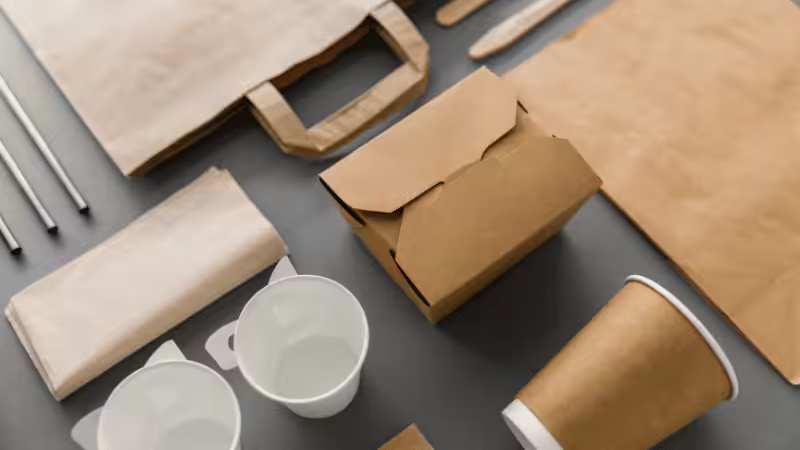
This strategy focuses on materials that can either be recycled into new products or used over and over again.
3. Recycled Packaging: Is It the Most Cost-Effective Option?
- Best for: E-commerce shipping boxes, apparel mailers, product cartons.
- Key Challenge: Color and texture can be inconsistent; may not be suitable for direct food contact unless certified.
- Cost Index: $$
Recycled packaging is the most common type of eco-friendly packaging. This can mean two things: the packaging is made from recycled materials, or the packaging itself *is recyclable*. Ideally, it’s both. Using materials made from post-consumer waste helps lower carbon emissions and reduces the need for virgin resources. A box made from 90% recycled content is a great marketing claim.
4. Corrugated Product Packaging: A Versatile and Recyclable Workhorse
- Best for: Shipping almost any product, from electronics to books. Great for protective inserts.
- Key Challenge: Must be sourced from a certified supplier to avoid contributing to deforestation.
- Cost Index: $$
Corrugated packaging seems like the simplest way to be sustainable. But make sure that the paper is responsibly sourced. Just because it’s paper doesn’t automatically mean it has an environmental advantage. If it leads to illegal deforestation, then this won’t help at all.
Pro Tip: Always look for the FSC (Forest Stewardship Council) logo. This guarantees the paper comes from responsibly managed forests. At Packoi Printing, we are FSC-certified, ensuring your packaging supports sustainable forestry.
5. Reusable & Refillable Packaging: How to Build Customer Loyalty?
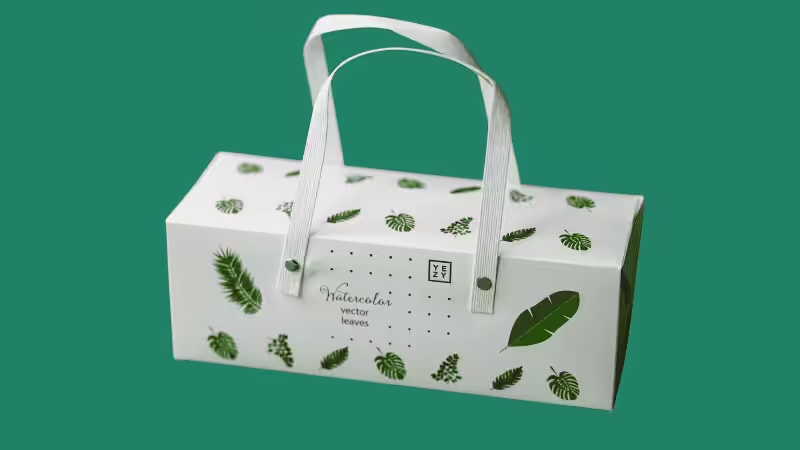
- Best for: Cosmetics, cleaning products, coffee, and local delivery services.
- Key Challenge: Requires significant logistical planning (e.g., return programs or in-store refill stations). Higher upfront cost for durable packaging.
- Cost Index: $$$$
Another eco-friendly solution is to make it reusable. If you must use a material that isn’t easily recycled, at least ensure it won’t get thrown away immediately. Design the packaging so the customer can reuse it. Refillable packaging is a specific type of reusable system. This might be more complicated to set up, but it creates a powerful bond with customers. Brands like L’Occitane offer in-store refills, encouraging repeat business and drastically cutting down on waste.
6. Furoshiki (Fabric) Packing: A Creative Touch for Niche Brands
- Best for: Gift wrapping, high-end clothing, accessories, and artisan products.
- Key Challenge: Not practical for large-scale shipping; requires the customer to learn how to wrap.
- Cost Index: $$$
This is a packing style that came from the Japanese, using cloth fabric to wrap packages. The goal is to use scraps of cloth that would have ended up in landfills. This can be an option for retail businesses that sell clothing or accessories. They can use excess fabric from their production line, turning a waste product into a beautiful, reusable feature.
Strategy 3: Natural Breakdown – Back to Earth
These options are designed to decompose and return to the environment, leaving little to no trace.
7. Compostable Packaging: What’s the Difference from Biodegradable?
- Best for: Single-use food service items (cups, cutlery), coffee pods, and product bags.
- Key Challenge: Requires industrial composting facilities to break down properly. Can confuse customers.
- Cost Index: $$$
Using compostable and biodegradable packaging is another way to be more sustainable. But they are not the same. “Biodegradable” simply means it will break down over time, but it could take years and leave microplastics behind. “Compostable,” on the other hand, means it will break down into non-toxic, natural components in a specific timeframe (usually 90-180 days) under composting conditions. You must consider if your customers have access to industrial composting programs.
8. Bioplastics Packaging: Are They Really a Green Alternative?
- Best for: Beverage bottles, food containers, and plastic-like films.
- Key Challenge: Some are not truly biodegradable and can contaminate plastic recycling streams. Sourcing is critical.
- Cost Index: $$$
Bioplastics have qualities similar to traditional plastic, but they come from renewable sources like corn starch. However, the term is broad. Some bioplastics, like PLA, are compostable. Others are not.
Warning: When sourcing this type of packaging, ensure your supplier provides certification (like BPI) that proves it is compostable. An uncertified bioplastic could be more harmful than the plastic it’s replacing if it contaminates recycling.
9. Edible Packaging: The Ultimate Zero-Waste Solution for Food
- Best for: Food and beverage products, like straws, cup lids, or food wrappers.
- Key Challenge: High development cost, can affect the taste of the product, and has food safety regulations.
- Cost Index: $$$$
To reduce waste, why not use edible materials so the customer can eat the packaging along with the food? This is one of the clever food packaging solutions that’ll surely impress your customers. While still a niche market, companies are developing edible coatings for produce and edible cups for coffee.
10. Plantable Packaging: Does It Actually Work for Urban Customers?
- Best for: Small, lightweight products like jewelry, candles, or greeting cards.
- Key Challenge: It only works if your target market has access to a garden or pot. Can be seen as a gimmick if not aligned with the brand.
- Cost Index: $$$
This is another eco-friendly package that’ll help reduce waste. The packaging material is embedded with seeds. Make sure your packaging comes with clear instructions. And, as the original article wisely points out, you have to make sure that your customer base has areas in their homes to plant. Otherwise, it might end up being thrown away.
Strategy 4: Innovate & Protect – Smart and Safe Solutions
This approach uses technology and material science to solve specific problems like waste and safety.
11. Non-Toxic Materials: Why Inks and Glues Matter for Recyclability
- Best for: All packaging. This is a fundamental best practice.
- Key Challenge: Eco-friendly options can sometimes have performance limitations or higher costs.
- Cost Index: $$
When looking at eco-friendly options, consider all the materials you’ll use. That includes the ink, adhesive, and even the lamination. Even if you use recycled paper, you can compromise its recyclability if you use petroleum-based inks or a plastic-based lamination.
ProTip: Ask your packaging supplier about vegetable-based or soy-based inks and non-toxic, water-based adhesives. These choices ensure your entire package can be safely recycled or composted.
12. Anti-Microbial Packaging: How to Reduce Food Waste?
- Best for: Fresh produce, meat, and other perishable foods.
- Key Challenge: Can be expensive and requires food-grade safety testing and compliance.
- Cost Index: $$$$
This is a great food packaging option that can reduce food waste. Anti-microbial packaging has special qualities that protect perishables from spoiling immediately. This helps you hit two birds with one stone: you have eco-friendly packaging that also extends the shelf life of perishable products.
13. Smart Packaging: Using QRCodes to Share Your Green Story
- Best for: Brands that want to be transparent about their sustainability efforts.
- Key Challenge: Relies on the customer taking the extra step to scan the code.
- Cost Index: $ (to add the code)
Can you use technology to create eco-friendly packaging? Absolutely! The simplest form of smart packaging is adding a QR code. This code can lead customers to a webpage that explains exactly how to recycle or compost your packaging, shares details about the recycled materials used, or tells your brand’s sustainability story. This builds trust and educates your customers.
How to Choose the Right Eco-Friendly Packaging for Your Business: A 4-Step Checklist
Knowing the options is one thing. Choosing the right one is another. Use this checklist.
Step 1: What is Your Budget? A Look at Real Costs
Be realistic. Sustainable packaging can sometimes cost 5-25% more than conventional options.
- Low-Cost Starters ($): Focus on minimalism (using less material) and switching to recycled cardboard.
- Mid-Range Options ($$): This includes FSC-certified paper, mono-materials, and using soy-based inks.
- Premium Investment ($$$+): Custom reusable systems, compostable bioplastics, and other innovative materials.
Step 2: What Does Your Product Need? (Protection, Freshness, etc.)
Your packaging’s first job is to protect the product.
- Fragile Items: Corrugated packaging with custom-molded paper pulp inserts is a great plastic-free alternative to foam.
- Food & Beverages: You must consider food-safe materials, moisture barriers, and shelf life.
- Apparel: Recycled paper mailers or bioplastic bags work well.
Step 3: What is Your Brand Image? (Luxury, Natural, etc.)
Your packaging should tell your brand’s story.
- Natural & Organic Brands: Raw, unbleached kraft paper or plantable packaging works well.
- Luxury Brands: A sturdy, reusable box or elegant fabric wrap can enhance the premium feel.
- Modern & Tech Brands: Minimalist designs with smart QR codes communicate efficiency and transparency.
Step 4: How Will Your Customer Dispose of It?
Think about the end-of-life of your packaging.
- If your customers are everywhere: Choose materials that are widely recyclable, like paper and cardboard.
- If your customers are in urban areas: They may not have space for a compost bin, making home-compostable options less practical.
- If you have physical stores: A refillable or take-back program becomes a viable option.
How to Avoid “Greenwashing” and Identify Real Eco-Packaging
“Greenwashing” is when a company makes misleading claims about its environmental benefits. To build trust, you need to be authentic.
Look for These Key Certifications (FSC, BPI, etc.)
Certifications from third-party organizations are your best defense against greenwashing.
- FSC (Forest Stewardship Council): Guarantees that paper and wood products come from responsibly managed forests.
- BPI (Biodegradable Products Institute): Certifies that a product is compostable in industrial facilities.
- Recycled Content Symbol: Often shows the percentage of post-consumer recycled material used.
Frequently Asked Questions About Eco- Friendly Packaging
Q1. Is eco-friendly packaging more expensive than traditional packaging?
Yes, often it is initially, but the price gap is closing. Expect a potential cost increase of 5-25%. However, you can offset this through lighter shipping weights or increased customer loyalty.
Q2. What’s the best eco-friendly option for a small e-commerce business?
Start with a 100% recycled (and recyclable) corrugated cardboard box and use paper-based void fill instead of plastic bubble wrap. This is cost-effective, protective, and easy for customers to recycle.
Q3. How do I tell my customers about my new sustainable packaging?
Be direct. Use a small icon or message on the box itself (e.g., “I’m a 100% Recycled Box”). Share the details on your product pages, in your marketing emails, and via a QR code.
Q4. Can “biodegradable” plastics be recycled?
No, and this is a major problem. Biodegradable or compostable plastics (like PLA) should never be put in the plastic recycling bin. They will contaminate the recycling stream.
Q5. What is the most durable eco-friendly material for heavy items?
Thick, double-walled corrugated cardboard is extremely strong and fully recyclable. For internal cushioning, custom-molded paper pulp is a fantastic, durable alternative to styrofoam.
Q6. How long does it take to switch to sustainable packaging?
The process can take anywhere from 4 to 12 weeks. This includes auditing your current packaging, designing the new solution, sourcing materials, testing, and production.
Conclusion
Sustainable packaging isn’t just a trend; it’s a powerful way to reduce environmental impact while building a brand your customers trust. By choosing from innovative eco-friendly options like recycled, plantable, or smart packaging, you not only protect the planet but also inspire consumers to join your sustainability mission.
Packoi Printing Can Help Bring Your Plans to Completion
Creating eco-friendly packaging isn’t as complicated as you think. There are many ideas and options for you to choose from. In the meantime, you can start partnering with the right company for custom packaging.
This is where Packoi Printing can help. We are FSC-certified, and we can help you find the best eco-friendly materials for your packaging needs.
Give us a call and we’ll gladly help you get started. Let’s discuss your ideas, and we’ll get back to you with a fair quote soon.