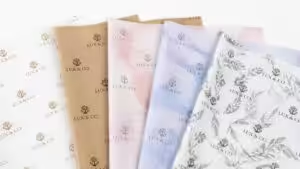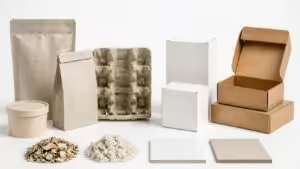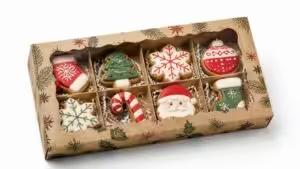
For brands looking to stay ahead, implementing recyclable packaging is a smart business move. It minimizes waste while meeting surging consumer demand, enhancing brand reputation, and unlocking real economic benefits — from tax incentives to lower shipping costs.
But let’s be honest: figuring out which sustainable packaging solutions actually work for your product — and comply with local recycling rules — can feel overwhelming.
This guide will show you how to choose the right sustainable packaging for your unique products.
What Is Recycling?
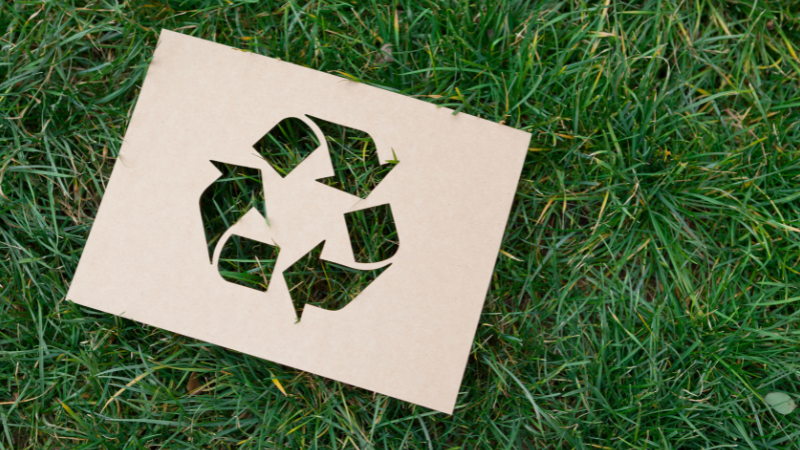
At its core, recycling is the systematic process of gathering waste materials and diverting them from landfills to be transformed into new products. For businesses, this is the foundational step toward achieving a circular economy — a model designed to eliminate waste through the continuous use of resources.
The Shift to a Circular Economy
Instead of the traditional “take-make-dispose” model, a circular economy focuses on repairing, reusing, and reducing waste efficiently. By integrating sustainable packaging solutions, brands can ensure that their plastic packaging, paper, and metals remain in the production loop — significantly reducing their environmental footprint and carbon tax liabilities.
Recyclable vs. Biodegradable: Choosing Your Strategy
While the goal is to minimize waste, it’s crucial to understand the different pathways to sustainability:
- Recyclable Materials: These are engineered to be reprocessed into new products (e.g., turning an old PET bottle into a new shipping mailer). Governments often provide incentives like tax breaks for companies that hit specific recycling targets.
- Biodegradable Materials: These organic-based solutions are designed to break down naturally under specific conditions (e.g., industrial composting facilities). Using biodegradable options can be an excellent alternative for single-use items that are difficult to collect for traditional recycling.
Why It Matters for Your Supply Chain
Recycling isn’t just about “being green” — it’s about supply chain resilience. By utilizing materials that can be repurposed for the same or a different function, businesses can stabilize their raw material costs and stay ahead of increasingly strict global waste regulations.
Is Recycling Worth It? Understanding the ROI
When looking at global data, the question isn’t just about ethics — it’s about business strategy. Globally, recycling rates vary widely — from around 74% for corrugated cardboard to less than 9% for plastic waste.

The Business Shift: From Cost to Long-Term Value
Critics often argue that from a short-term standpoint, recycling can be a costly process compared to using virgin raw materials. However, in the modern market, viewing it simply as an “expense” is a mistake. To implement effective recyclable packaging solutions, businesses are now shifting their focus toward long-term ROI:
- Regulatory Compliance: With the rise of Extended Producer Responsibility (EPR) laws, using recyclable materials is the best way to avoid heavy fines and waste-disposal taxes.
- Brand Premium: Customers think highly of recycling. Showing your support isn’t just “good PR” — it’s a driver for customer loyalty and brand value.
- Minimizing Waste: Using materials that can be processed into new products helps deplete fewer natural resources and reduces your company’s environmental footprint.
Efficiency Depends on Your Material Choice
The reality is that not every material is recycled at the same rate. To minimize landfill waste, efficiency depends heavily on the recyclable materials you choose:
- Corrugated cardboard(改anchor text) & Metal: These are recycling champions. They are processed at high rates and consistently kept out of landfills. Metal, in particular, can be recycled infinitely without losing quality.
- Glass: Has moderate recycling rates but remains a top choice for sustainable packaging due to its 100% recyclability.
- Plastic Packaging: Faces the biggest challenges. However, advanced recyclable packaging solutions are continuously improving recovery rates through better sorting and mono-material designs.
The takeaway? Choosing the right material matters.
To help you make the most cost-effective choice, let’s dive into the six most common types of recyclable materials — and show you how to decide which one fits your product.
6 Different Types of Packaging Materials Recycling
Let’s examine each option in detail. There’s no single recycling system. While plastic pollution is a main problem, a truly circular economy empowers brands to recycle paper, wood, metal, and more.
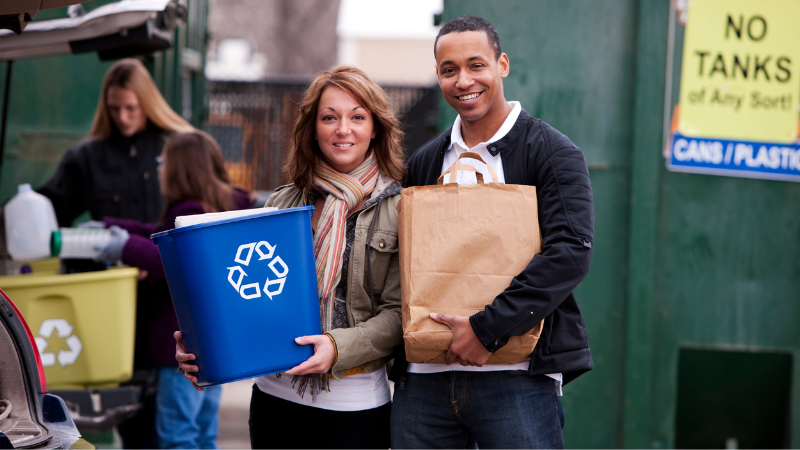
Are these materials safe enough for food packaging or other purposes that require 100% freedom from contamination? Here’s a table to help you quickly find what you need:
| Material | Key Recycling Fact | Common Uses |
|---|---|---|
| Plastic | Many plastics are recyclable; check resin codes. | Food bags, water bottles. |
| Paper | Most (e.g., corrugated board) is highly recyclable. | Kraft paper mailers, tissue paper. |
| Metal | Infinitely recyclable without losing quality. | Food-safe tins, aluminum cans. |
| Wood | Renewable and flexible material. | Pallets, premium gift boxes. |
| Textile | Reusable for secondary packaging. | Canvas bags, inner cushioning. |
| Glass | 100% infinitely recyclable; prevents leaks. | Jars, high-end beverage bottles. |
1. Plastic Recycling
Polyethylene products, including water bottles and food bags, are among the most common recyclable materials. However, not all plastics are created equal. To minimize waste effectively, you must understand the resin identification codes:
- PET (Code 1): The most widely recycled plastic. Ideal for beverage bottles and food containers. It is highly valued in the recycling stream and can be processed into new products like polyester fiber or new containers.
- HDPE (Code 2): Known for its durability and safety. Commonly used for milk jugs, detergent bottles, and heavy-duty plastic packaging. It has a very high recycling rate and is extremely stable.
- LDPE (Code 4): Often used for squeezable bottles and plastic wraps. While still less commonly recycled than PET or HDPE, LDPE can now be processed into shipping envelopes and floor tiling through specialized recovery programs.
- PP (Code 5): Favored for its high melting point. Used in yogurt containers, medicine bottles, and bottle caps. It is increasingly being accepted in curbside recycling programs — though availability varies by region.
The Fact: These items can be processed into new products through melting or chemical methods. If they are certified as food-grade, they can be safely used across most applications.
For B2B brands, focusing on PET and HDPE is the smartest move for ensuring maximum recyclability.
2. Paper Recycling
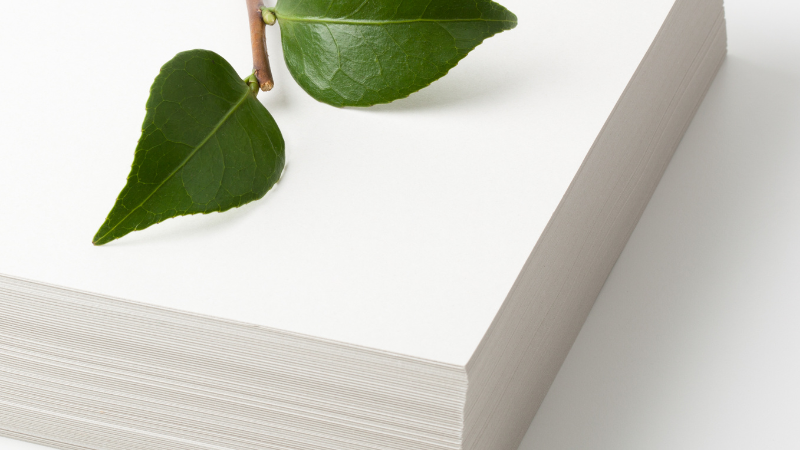
Globally, millions of tonnes of paper products are disposed of annually. The good news: if you use tissue paper, corrugated board, or Kraft paper mailers, you can be sure these can be recycled.
- Pro Tip: While recycled paper helps reduce waste, it’s not always safe for direct food contact. We recommend using virgin paper for the food-contact layer and recycled paper for outer packaging to meet FDA/EU safety standards.
3. Metal Recycling
Aluminum is one of the most recyclable materials, with 75% of all aluminum ever produced still in circulation today.
- The Fact: Metal can be recycled indefinitely without quality loss. Recycling just one aluminum can saves enough energy to power a TV for 3 hours — a 95% energy saving compared to virgin metal.
- Business Use: You can recycle all grades of metal, making it an excellent solution for food safety and premium packaging.
4. Wood Recycling
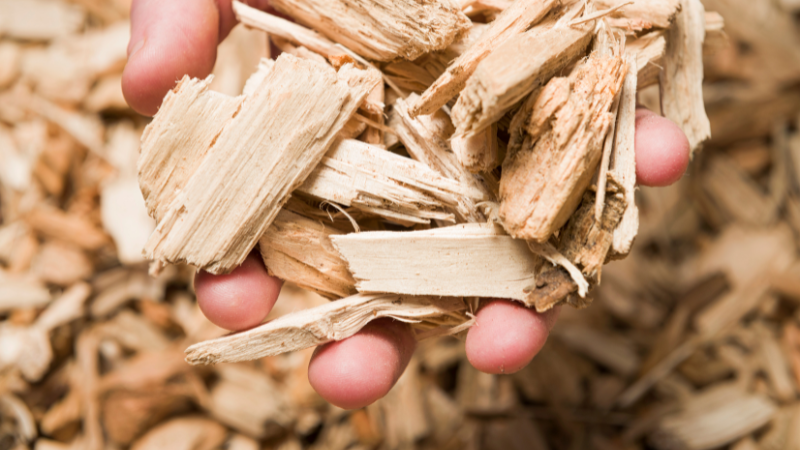
Wood is a naturally renewable and flexible material. While it’s eco-friendly, the industrial recycling rate still has room for improvement.
- Sustainability Tip: To ensure your packaging is truly sustainable, opt for FSC-certified wood. Wood can be recycled for different purposes — from mulch for landscaping to reclaimed building materials.
5. Textile Recycling
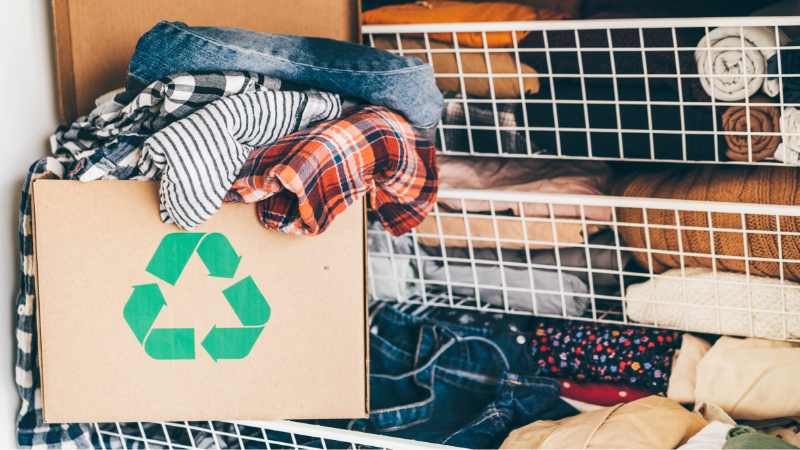
In B2B packaging, textiles are an excellent way to keep waste low. Instead of focusing on fast fashion, think of textiles as functional sustainable packaging solutions.
- Creative Use: Design reusable fabric bags or use textiles as inner packaging to cushion delicate products during travel. This keeps them out of landfills.
6. Glass Recycling
Glass packaging, including bottles and jars, is infinitely recyclable. It can be melted and reformed forever without losing purity.
- The Benefit: Glass is the gold standard for preventing leaks and contamination. While it can take up to 1 million years to decompose, its ability to be 100% recycled makes it a crucial tool to minimize landfill waste.
4 Benefits of Recyclable Packaging
Switching to sustainable packaging is no longer just an ethical choice — it’s a powerful driver for profitability and long-term growth.
1. Positive Environmental Impacts
Beyond diverting waste from landfills, using recyclable packaging significantly lowers carbon emissions.
- Closed-Loop Innovation: By adopting sustainable food packaging, you support a circular economy where advanced recycling technologies continuously improve material safety and performance for perishable goods. Every ton of recycled material reduces the demand for virgin resources.
2. Customer Loyalty & Market Demand
Modern consumers actively seek out brands that share their values.
- Consumer Preference: Using recognizable recyclable materials gives customers an easy way to contribute to a greener planet. This alignment often leads to higher customer retention and a stronger competitive edge.
3. Improve Your Brand Reputation
Sustainability is a key differentiator in a crowded market.
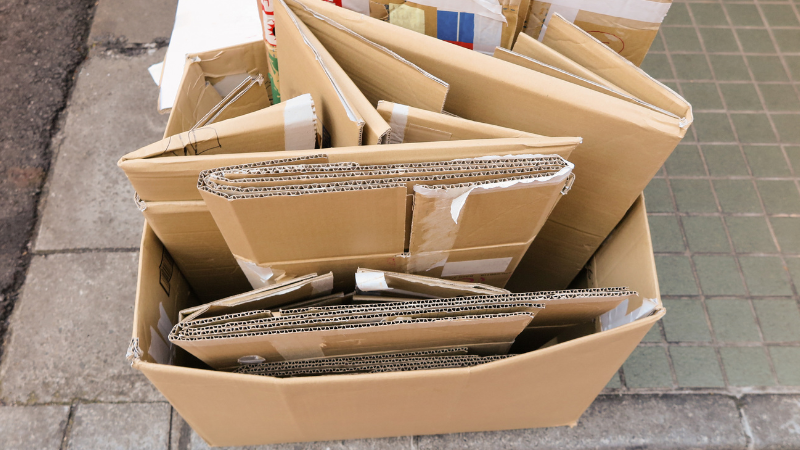
- Ethical Leadership: Adopting recyclable packaging designs helps improve your brand reputation, positioning your company as an advocate for values beyond mere profit. This transparency builds deep trust and long-term brand equity.
4. Economic Implications
Sustainability and profitability are now legally linked in many global markets.
- Regulatory Advantage: Using sustainable food packaging helps you avoid heavy fines from EPR (Extended Producer Responsibility) laws and waste taxes.
- Cost Efficiency: Optimizing for recyclability attracts a premium audience and secures government incentives, ultimately protecting your margins and increasing overall profit.
How to Choose & Implement Recyclable Packaging?
Implementing recyclable packaging solutions is a strategic move that balances environmental responsibility with operational efficiency. By selecting suitable materials and working with expert suppliers, you can minimize negative environmental impact while enhancing your brand’s value.
Opt for Certified Sustainable Raw Materials
Sustainability begins at the source. It’s not just about using biodegradable materials; it’s about ensuring your supply chain is ethical.
- The FSC Advantage: We recommend choosing FSC-certified materials to ensure compliance with international retail standards like Amazon.
- Energy Savings: Using recyclable packaging materials can significantly reduce the energy required to produce new packaging, thereby lowering overall carbon emissions and environmental impact compared to virgin production.

Smart Design: Right-Sizing and IoT Innovations
Designing packaging today goes beyond simple aesthetics; it involves structural and technological optimization:
- Right-Sizing: Through professional design, we help you use the minimum material necessary, saving on storage and shipping costs.
- Smart Packaging: Innovations are increasingly focusing on smart packaging solutions that integrate sensors and IoT technology to monitor product freshness and detect tampering, enhancing supply chain efficiency and reducing waste.
Minimize Material Mixing (Mono-material Strategy)
Mixing plastic, wood, and metal makes recycling nearly impossible.
- The Pro Strategy: Aim for mono-material designs. When designing packaging, keeping it simple ensures it doesn’t end up as landfill waste. Your suppliers should be able to provide high-performance, single-material options that don’t compromise on protection.
Design for Reusability: Extending Brand Exposure
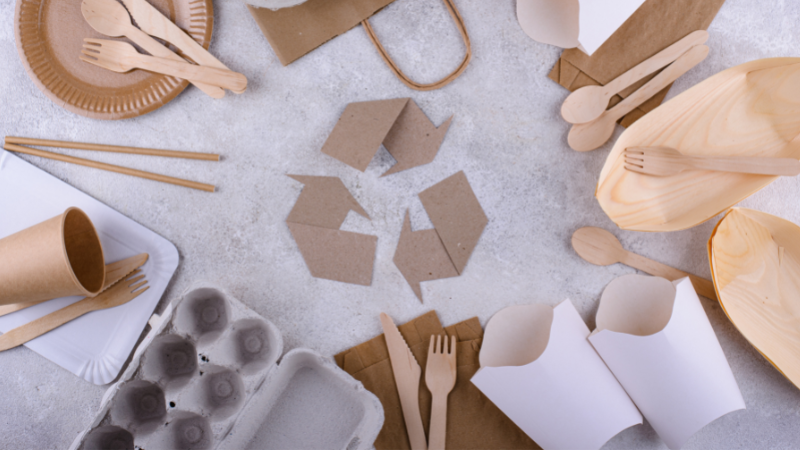
The best way to reduce waste is to extend the life of your materials.
- Creative Reuse: Designing a gift box that doubles as an organizer adds long-term value.
- Marketing Value: Every time a customer reuses your new packaging, your brand gains extra exposure in their home long after the sale.
Proper Labeling
Don’t forget the labels. Correctly using international labels like the Mobius Loop tells consumers exactly how to dispose of the item. Clear communication on your labels reduces contamination and builds trust with eco-conscious consumers.
FAQs
Q1: Will switching to recyclable packaging significantly increase my production costs?
Not necessarily. While some materials have a higher upfront cost, you can offset this through “Right-sizing” to reduce shipping and storage fees. Additionally, choosing recyclable options helps you avoid rising waste taxes and EPR fines. Over time, increased brand loyalty and premium positioning often lead to higher overall profitability.
Q2: Do recycled materials offer enough barrier protection for sensitive products?
Yes. Modern technology ensures that recycled materials provide excellent durability and safety for most goods. For moisture-sensitive items, we use advanced aqueous coatings that create a robust protective barrier while remaining 100% recyclable. This ensures your products stay secure without compromising your sustainability goals.
Q3: How can I verify and report the sustainability of my packaging to stakeholders?
Work with suppliers that provide globally recognized certifications like FSC for paper or GRS for recycled plastics. These documents serve as verifiable proof of your material’s origins and environmental impact. Use this data to build transparent CSR reports that satisfy both regulatory requirements and eco-conscious investors.
Q4: Can I get custom-designed recyclable packaging that fits my specific brand?
Absolutely. Eco-friendly packaging can be fully customized with unique structures, soy-based inks, and high-quality finishes to match your brand identity. Professional design ensures your “unboxing experience” remains premium while staying completely sustainable. At Packoi, we specialize in bespoke designs that prove you don’t have to sacrifice style for recyclability.
Conclusion
Transitioning to recyclable packaging is a technical and strategic decision that goes beyond simple environmental protection. Success depends on selecting suitable materials and optimizing your supply chain for a circular economy.
As we look toward the future, these choices will define your brand’s market resilience and profitability. By investing in recyclable packaging solutions today, you future-proof your business against rising waste taxes and evolving global standards.
Partner With Packoi for Truly Recyclable Packaging
If you want to know more about packaging sustainability, contact Packoi Printing. We don’t just offer sustainable packaging. We also use eco-friendly methods to produce them.
Let us know your thoughts so we can assemble your recyclable packaging. Contact us now!