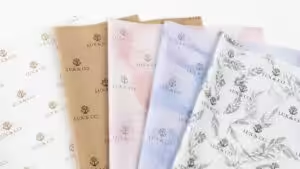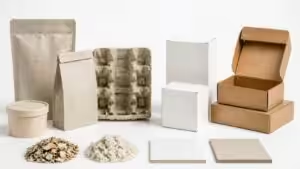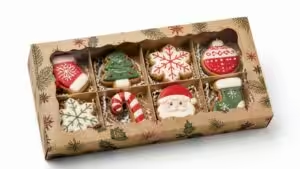
In this guide, I’ll show you how custom rigid boxes help brands build that experience, protect what’s inside, and make a product feel worth its price. I’ve spent over a decade working with DTC brands, cosmetic startups, and jewelry sellers shipping into the US and Europe. The pattern is always the same: when the box matches the product’s value, customers notice. And they share it.
What Are Custom Rigid Boxes?
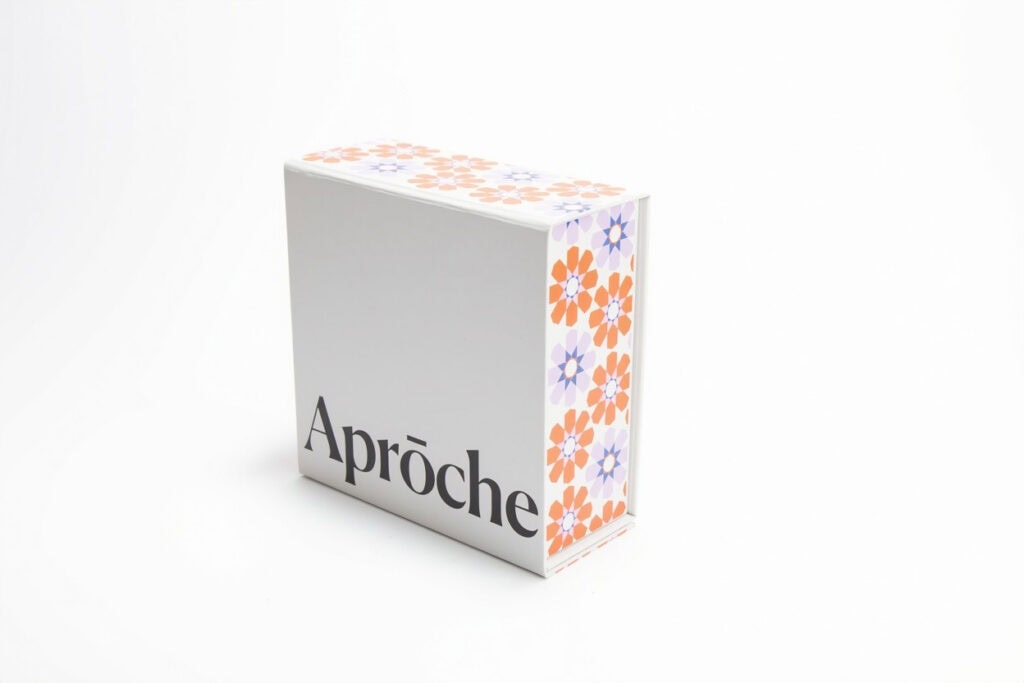
Many buyers first hear about rigid boxes when they are looking for premium packaging, but the important question is not only “what is a rigid box?”
The more important question is:
Why do brands choose rigid boxes instead of regular paper packaging?
A rigid box is a high-strength packaging structure made from thick paperboard, usually wrapped with printed or decorative paper.
The main materials include:
- Greyboard (the rigid core structure)
- Wrapped paper (the outer visual layer)
- Decorative finishing materials
The combination creates a box that feels stronger and more premium than standard folding cartons.
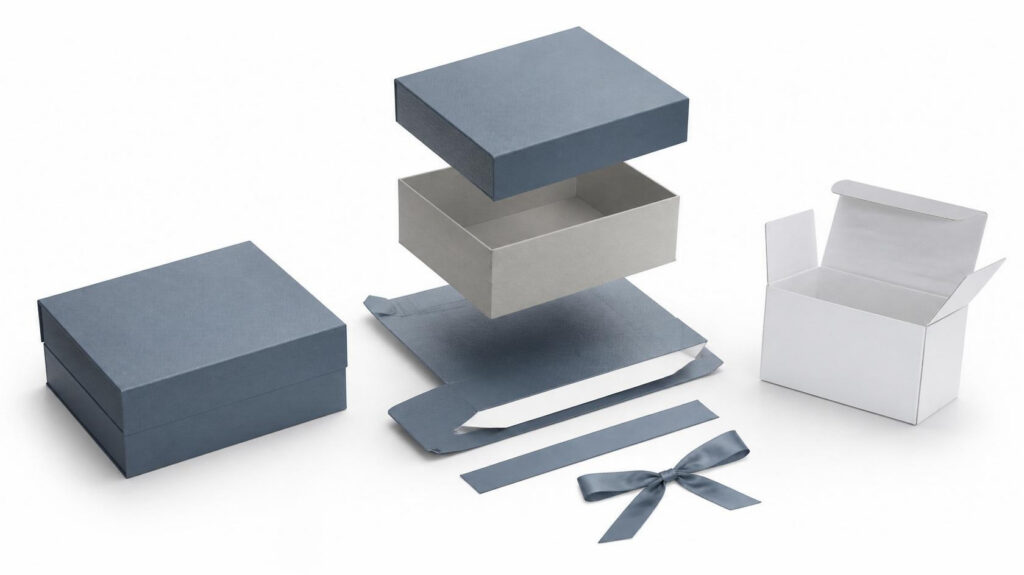
Understanding Rigid Box Construction
The thickness of the greyboard plays an important role in both appearance and performance.
Common thickness options include:
- 1.5mm greyboard – suitable for lightweight products and cost-sensitive projects
- 2mm greyboard – a common choice for cosmetics, gifts, and retail products
- 2.5–3mm greyboard – used for luxury products requiring stronger support and a more substantial hand feel
A thicker board does not automatically mean better packaging.
From our manufacturing experience, the right material choice depends on:
- Product weight
- Shipping conditions
- Opening experience
- Target price positioning
For example, a small skincare startup shipping hundreds of boxes overseas may not need the thickest board available. Choosing the right structure can help control packaging costs while still creating a premium customer experience.
Based on our experience working with brand customers, rigid boxes are usually selected when packaging needs to communicate product value before customers even open the box.
That is especially true for products where customers expect a premium experience because of the product price.
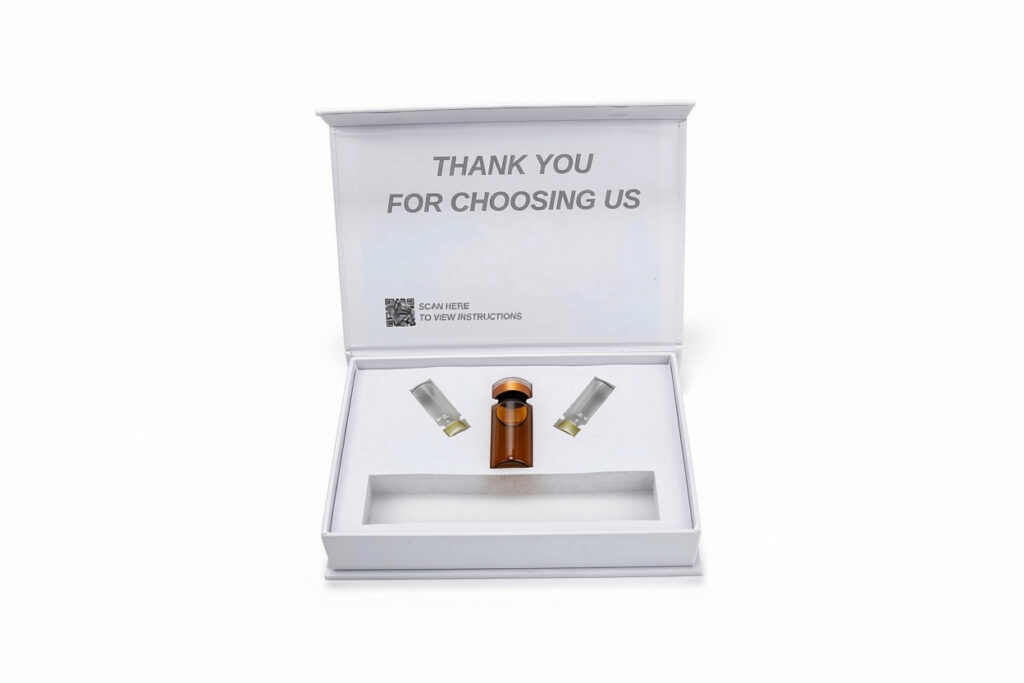
Rigid Boxes vs Folding Cartons: Which One Should Brands Choose?
Both rigid boxes and folding cartons are widely used in custom packaging, but they serve different purposes.
Feature | Rigid Boxes | Folding Cartons |
Structure | Thick rigid board | Thin paperboard |
Premium feeling | High | Medium |
Protection | Excellent | Moderate |
Cost | Higher | Lower |
Best for | Luxury products | Mass retail |
For example, a $150 skincare gift set, luxury watch, or jewelry collection usually benefits from rigid box packaging because customers expect the packaging quality to match the product value.
On the other hand, for supermarkets or large-volume retail products where packaging cost and shipping efficiency are the priority, folding cartons may be a better choice. cartons may be a better choice.
The right packaging is not always the most expensive option. It is the option that matches your product positioning, customer expectations, and business goals.
Why Luxury Brands Choose Custom Rigid Boxes
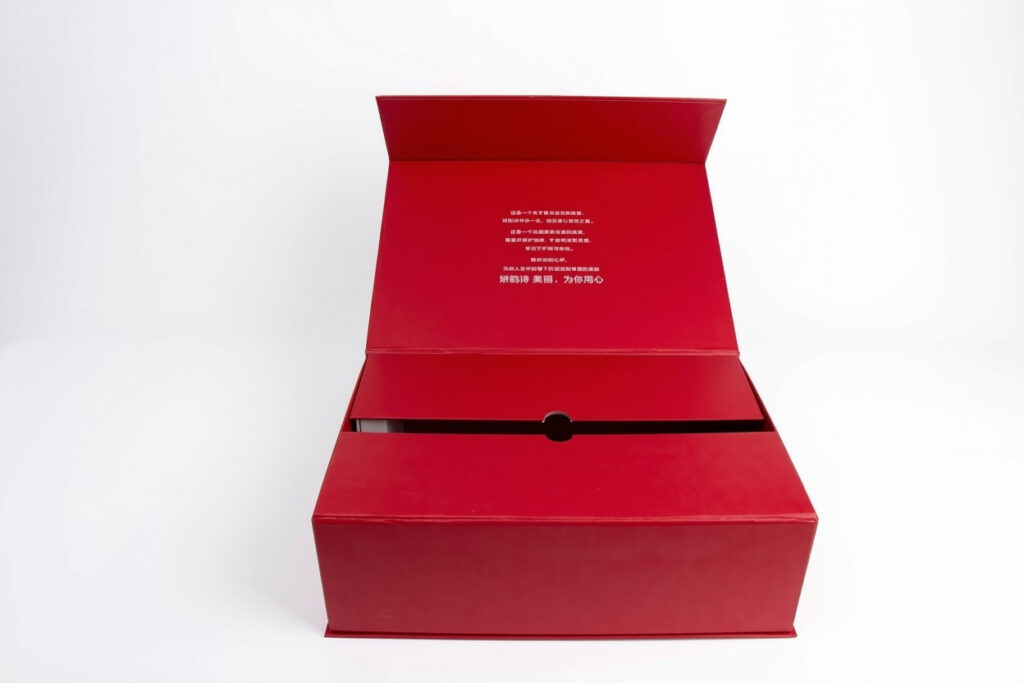
For premium brands, packaging does more than protect the product in transit. It is part of the customer journey.
Customers buy a luxury skincare set, a jewelry piece, or a premium gift with clear expectations. They form these expectations before they open the box. If the packaging feels ordinary, the product loses some of its value in their eyes.
This is why many brands choose custom rigid boxes. A rigid box creates a stronger first impression. It improves the unboxing moment. And it makes the product feel more valuable.
Create a Premium First Impression
Customers judge a product before they try it.
The box shape, the material texture, the opening method, and the finishing details all shape how customers see your brand.
A standard carton often signals:
- Simple
- Functional
- Cost-effective
A well-designed rigid box signals:
- Premium quality
- Careful craftsmanship
- Brand confidence
For products with higher price points, this difference matters.
Take a $100 skincare set or a luxury fragrance. Customers expect more than protection. They want the whole buying experience to feel special. A rigid box can give premium products the packaging experience customers expect from the first touch.
In our work with overseas brands, we see a common trigger for change. Brands upgrade to rigid packaging when they notice a gap. Their product is high quality, but their packaging tells a different story.
Turn Unboxing Into a Brand Experience
Today, customers do not only buy products. They share experiences.
A beautiful package encourages customers to post:
- Instagram photos
- TikTok unboxing videos
- YouTube reviews
This adds real marketing value to your packaging. In a competitive market, that shareable unboxing helps brands stand out faster.
Rigid boxes create a more memorable opening moment than regular packaging. They do this through:
- Smooth opening mechanisms
- A solid hand feel
- Premium textures
- Reusable structures
This is especially useful for subscription boxes that depend on strong on-camera presentation.
A magnetic rigid box is a good example. It helps create a lasting impression from the first opening. The lid closes with a satisfying snap that customers feel right away.
Small details matter here. The closing sound, the pull of the lid, and the texture of the wrapping paper all shape how customers remember your brand. That kind of memory can also support customer loyalty and repeat buying.
Real Manufacturing Experience: Why a Skincare Brand Upgraded to Magnetic Rigid Boxes
One high-end skincare brand we worked with started with folding cartons. They wanted to keep packaging costs low.
But they ran into three problems:
- The packaging did not match their $80–150 price range
- The carton structure lost stability during international shipping
- Customers found the unboxing experience too plain
We reviewed their packaging goals. Then we suggested a medium-thickness magnetic rigid box with:
- magnetic closures and soft-touch lamination for a smoother, more premium surface
- A simple EVA insert to hold products in place
- A cleaner structure for a better opening experience
Custom rigid boxes can combine features like magnetic closures and soft-touch coatings to improve both feel and presentation.
The goal was not to build the most expensive box. It was to build packaging that matched what customers already expected.
After the switch, more customers shared unboxing content. The packaging became a core part of the brand’s presentation.
This case makes one point clear: premium products need packaging that supports the value customers already expect.
Increase Perceived Product Value
Packaging shapes how customers judge a product.
A premium box does not change the product itself. But it changes how customers experience it.
This matters most for:
- Perfume brands
- Jewelry companies
- Luxury skincare businesses
- Premium electronics brands
- Collectible product companies
A well-designed rigid box helps brands sell products at their intended premium value:
- Support higher price positioning
- Build customer trust
- Strengthen brand recognition
Stronger presentation also makes the brand visible to buyers at a glance.
For startups, premium packaging does not mean adding every luxury finish.
Sometimes a simple structure works better. The right material, printing, and finishing choices can beat an expensive design with too many extra details.
For larger brands, rigid packaging keeps a consistent premium image across every product line.
Protect Valuable Products
Rigid boxes do more than look good. They also provide excellent protection for the product.
Valuable products face many stages of handling:
- International shipping
- Warehouse handling
- Retail display
- Customer storage
Jewelry, electronics, collectibles, and other delicate products need more support than standard paper packaging can give.
Rigid boxes offer:
- Better structural stability
- Improved product positioning
- More protection against crushing
For brands that ship worldwide, packaging strength is critical. A beautiful box that arrives damaged creates a bad customer experience.
When we design rigid packaging, we plan for two moments. The box should look premium when the customer opens it. And it should stay reliable through bulk shipping for high value items.
Popular Custom Rigid Box Styles for Different Products
Choosing the right rigid box structure is not only about appearance. The opening experience, product protection, production cost, and shipping requirements should all be considered.
Different products require different packaging solutions. A jewelry brand may need a classic luxury structure, while a skincare brand may prefer a box that creates a smooth unboxing experience.
Here are some common rigid box styles used by premium brands.
Magnetic Closure Rigid Boxes
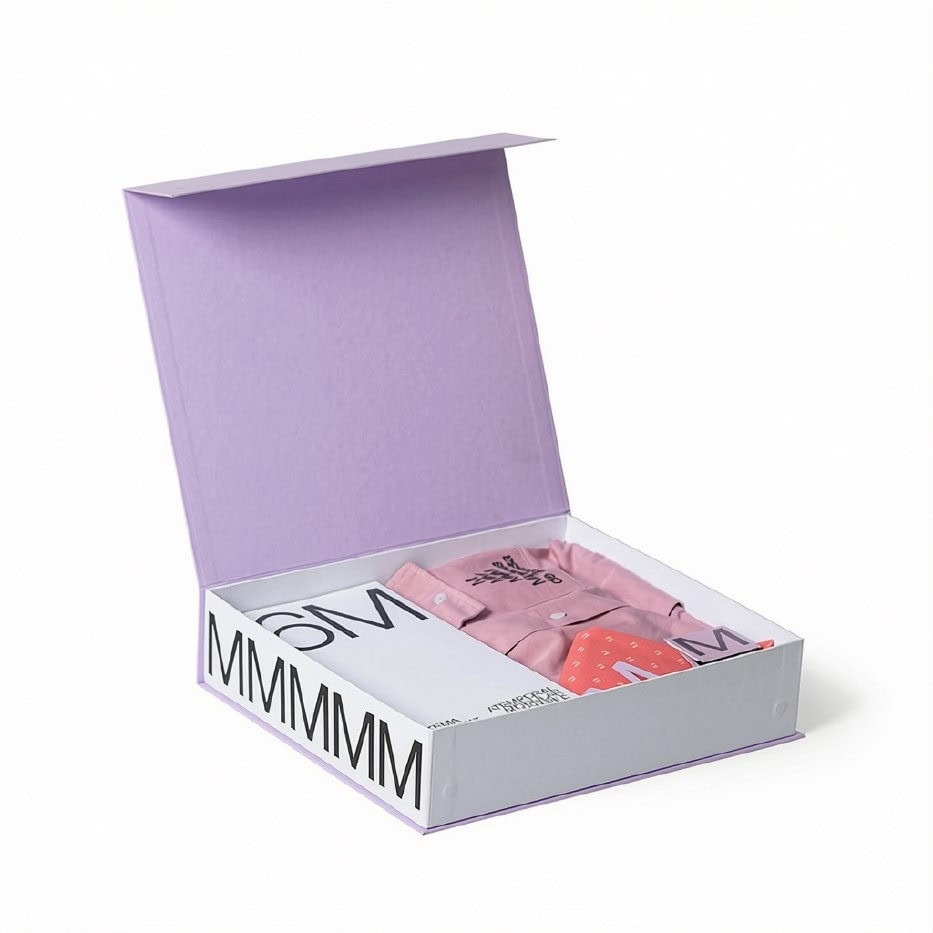
Magnetic rigid boxes are one of the most popular choices for luxury packaging, and one of the most in-demand styles within rigid gift boxes.
The hidden magnet creates a smooth opening and closing experience, which makes the packaging feel more premium.
They are commonly used for:
- Cosmetics gift sets
- Electronics accessories
- Luxury corporate gifts
Rigid boxes can also be designed with different closure styles, including magnetic and drawer formats, depending on the opening experience you want to create.
For brands that want customers to remember the opening moment, magnetic boxes are a strong option.
However, the magnet strength and box structure need to be carefully tested. A box that does not close properly can quickly reduce the premium feeling.
Two-Piece Rigid Boxes
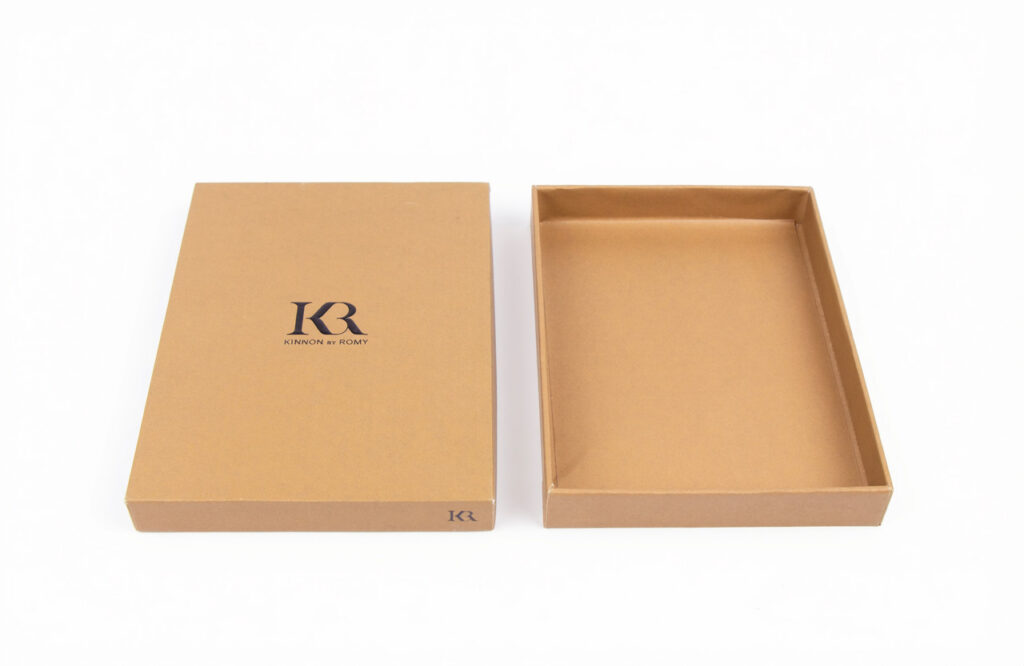
Two-piece rigid boxes, also called lid and base boxes, are one of the most classic luxury packaging styles.
The structure includes:
- A separate top lid
- A matching bottom base
They are widely used for:
- Jewelry
- Watches
- Gift sets
- Premium food products
This style creates a traditional luxury feeling and works especially well for products that need elegant presentation.
For brands selling gift items, the slow opening process can also increase the sense of anticipation.
Drawer Style Rigid Boxes
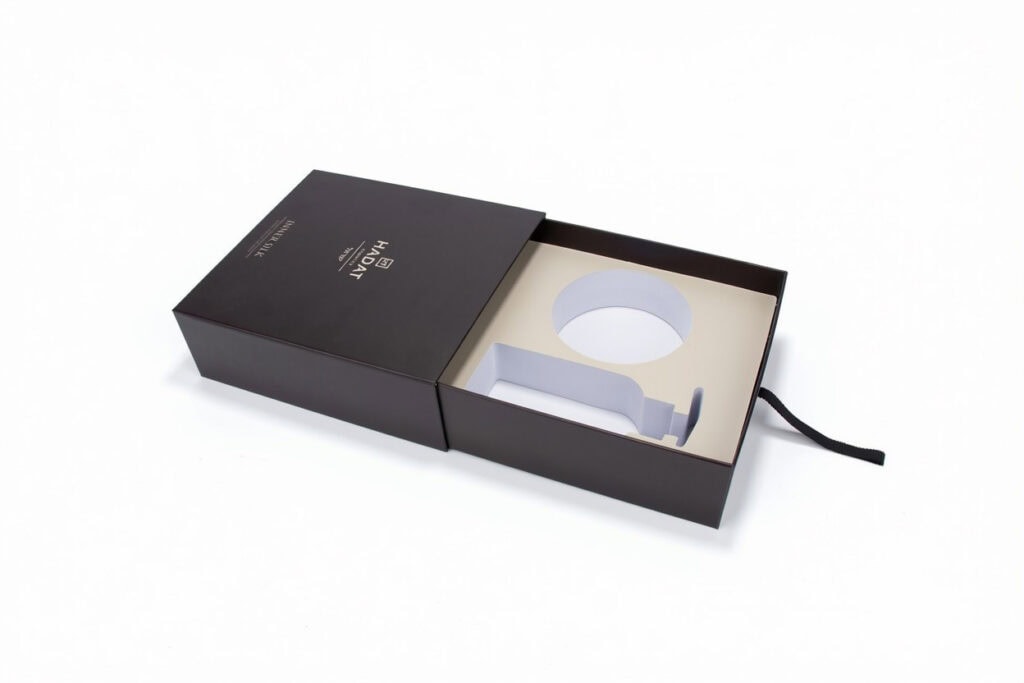
Drawer rigid boxes use a sliding design similar to a premium gift box.
They are suitable for:
- Accessories
- Perfume
- Small electronics
- Specialty gifts
This structure provides a unique opening experience and gives brands more opportunities to add design details, such as ribbon pulls or custom inserts.
Book Style Rigid Boxes
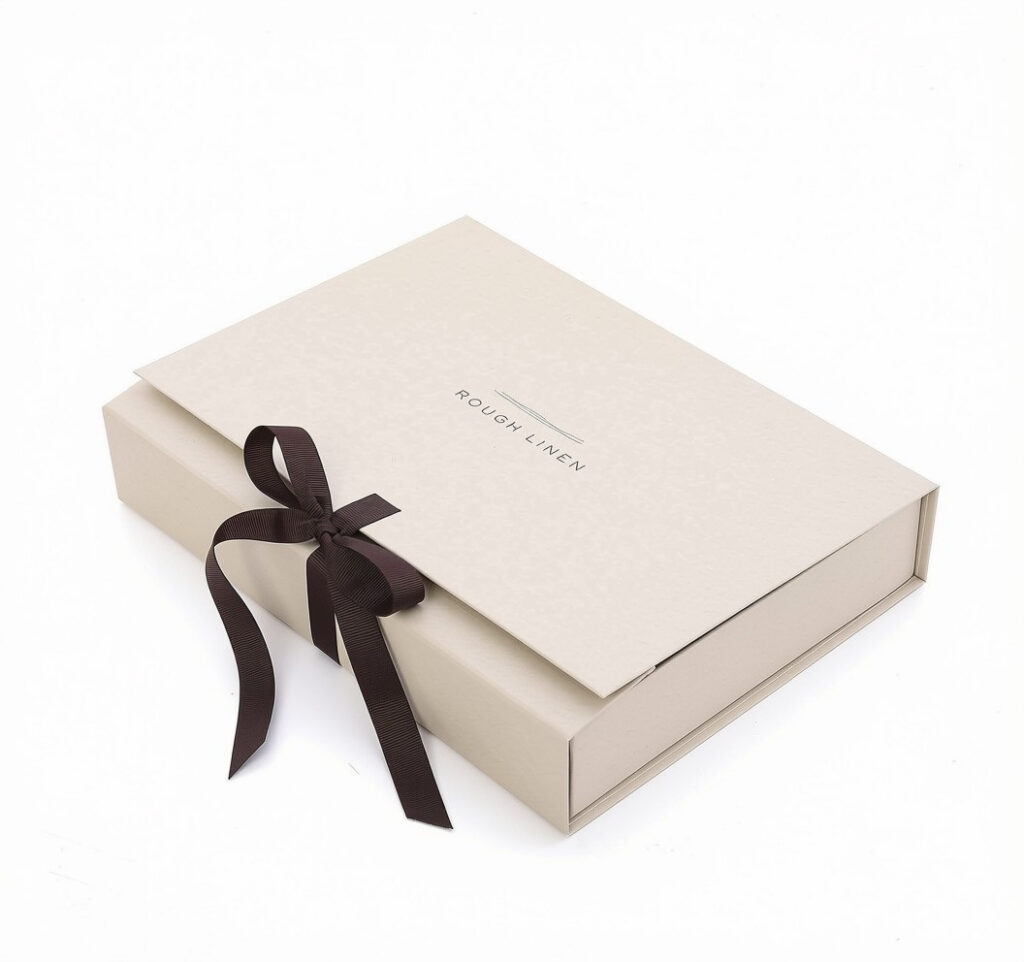
Book style rigid boxes open like a hardcover book.
They are often selected for:
- Limited collections
- Luxury gifts
- Premium product launches
This structure works well for brands that want storytelling elements inside the packaging.
For example, the inside cover can include brand messages, product information, or a special thank-you note.
Choosing the Right Materials for Custom Rigid Boxes
The material choice directly affects how the box looks, feels, and performs during shipping.
A premium rigid box is not created only through printing. The combination of board thickness, wrapping paper, inserts, and finishing creates the final customer experience.
Greyboard Thickness Selection
Greyboard is the core material that gives rigid boxes their strength.
Common thickness options include:
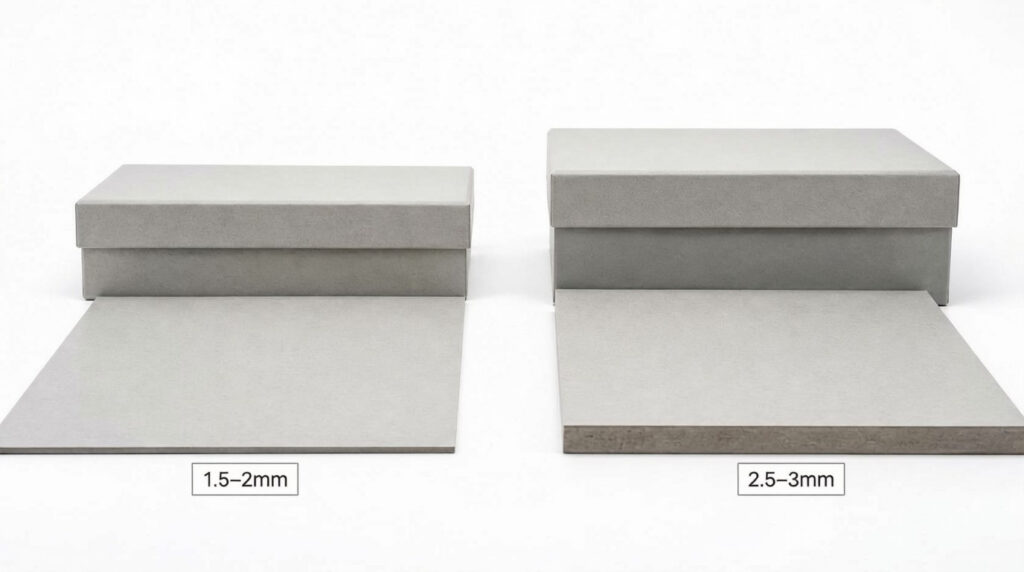
- 1.5–2mm: Suitable for lightweight products and projects where cost control is important
- 2.5–3mm: Better for luxury products that require stronger support and a more premium hand feel
Many brands focus heavily on artwork but overlook structure.
However, from our production experience, customers usually notice the box quality through three things:
- How solid the box feels
- How smoothly it opens
- How securely the product sits inside
Real Production Insight: Why Material Thickness and Inserts Matter
A jewelry brand we worked with initially selected a 2mm greyboard structure with a standard insert to reduce costs.
During sample testing, we found:
- The box did not feel strong enough for the product value
- The magnetic closure was less stable
- The product moved slightly during transportation
We adjusted the design by using:
- 2.5–3mm greyboard
- Stronger hidden magnets
- EVA foam and velvet inserts
The final packaging created a smoother closing experience and provided better product protection, while the right insert choices also support a premium look.
Wrapping Paper Options
The outer paper layer determines much of the box’s appearance and touch.
Common choices include:
- Art paper: Suitable for high-quality printing and detailed designs
- Kraft paper: A natural, eco-friendly option for eco-conscious brands
- Textured paper: Adds a premium tactile experience
- Specialty paper: Creates unique visual effects for luxury products
When selecting wrapping paper, brands should consider both design goals and broader material options, as well as practical factors such as durability during international transportation.
Custom Rigid Box Finishing Options
Finishing affects how a rigid box looks and feels, but each option adds cost and production steps. Common choices include:
- Foil stamping: Adds metallic or specialty color accents to logos, text, and selected graphics.
- Embossing or debossing: Creates a raised or recessed tactile effect on logos and patterns.
- Spot UV: Adds a glossy highlight to selected areas on an otherwise matte surface.
- Matte or soft-touch lamination: Creates a smoother surface and can give the box a softer hand feel.
- Textured or specialty paper: Adds visual and tactile detail without relying on multiple printing effects.
For most brands, it is better to choose one or two finishes that support the brand identity rather than combine every available effect.
Custom Rigid Box Finishing Options
Finishing affects how a rigid box looks and feels, but each option adds cost and production steps. Common choices include:
- Foil stamping: Adds metallic or specialty color accents to logos, text, and selected graphics.
- Embossing or debossing: Creates a raised or recessed tactile effect on logos and patterns.
- Spot UV: Adds a glossy highlight to selected areas on an otherwise matte surface.
- Matte or soft-touch lamination: Creates a smoother surface and can give the box a softer hand feel.
- Textured or specialty paper: Adds visual and tactile detail without relying on multiple printing effects.
For most brands, it is better to choose one or two finishes that support the brand identity rather than combine every available effect.
Sustainable Materials for Luxury Rigid Boxes
Today, many premium brands are looking for packaging that combines luxury with sustainability to support their brand’s sustainability goals.
Modern luxury packaging is no longer only about appearance. Customers increasingly care about responsible material choices.
Common sustainable options include:
- FSC-certified paperboard
- Recycled greyboard
- Plastic-free packaging solutions
Eco-focused custom rigid box projects increasingly use recycled materials and soy-based inks.
For brands selling in Europe and North America, choosing responsibly sourced and recycled materials can support sustainability goals and strengthen brand positioning. Manufacturers with established environmental management systems may also use standards such as ISO 14001 to manage environmental impacts and improve production processes..
Well-planned rigid box production can require fewer resources and less energy than brands often assume.
The best rigid box design balances three factors:
Premium appearance + product protection + responsible materials
How Much Do Custom Rigid Boxes Cost?
Many brands assume rigid boxes are expensive because they look premium.
In reality, the final cost depends on how the packaging is designed.
The main cost factors include:
- Box size
- Greyboard thickness
- Material selection
- Printing method
- Finishing options
- Order quantity
- Box structure
A simple two-piece rigid box with standard paper may have a very different cost from a magnetic box with multiple finishing effects and custom inserts.
For B2B buyers, understanding these factors helps avoid unnecessary packaging expenses.
How Brands Reduce Costs Without Losing Premium Feel
A common mistake is trying to reduce costs by choosing cheaper materials everywhere.
This can damage the customer experience.
A better approach is to invest in the elements customers notice most while planning order volume to reduce packaging costs and secure wholesale prices.
For example:
- Keep a premium logo finish but simplify other areas
- Choose a practical structure instead of an oversized design
- Use standard materials with better finishing combinations
- Optimize box size to reduce shipping costs
When determining box size, start with the packed product dimensions and then account for the insert, protective clearance, and opening structure. Avoid leaving excessive empty space unless the design or protective requirements justify it.
Real Cost Optimization Example: Maintaining Luxury While Reducing Packaging Costs
A consumer electronics brand we worked with wanted premium rigid boxes but found the initial design too expensive.
The original plan included:
- Full box foil stamping
- Multiple spot UV effects
- Expensive specialty paper
- Oversized box dimensions
After reviewing the production plan, we suggested:
- Keeping foil stamping only on the logo area
- Replacing expensive specialty paper with soft-touch lamination
- Reducing unnecessary box space
- Using a foldable rigid box structure so units can ship flat
The result was:
- Around 25–30% lower packaging cost
- A similar premium visual experience
- Reduced shipping and storage expenses
This is an important lesson for brands:
Luxury packaging does not come from adding more features. It comes from choosing the right features.
For startups, this approach helps control initial investment while creating a professional brand image.
For established brands, packaging optimization can improve margins without reducing customer satisfaction.
When Should You Choose Custom Rigid Boxes?
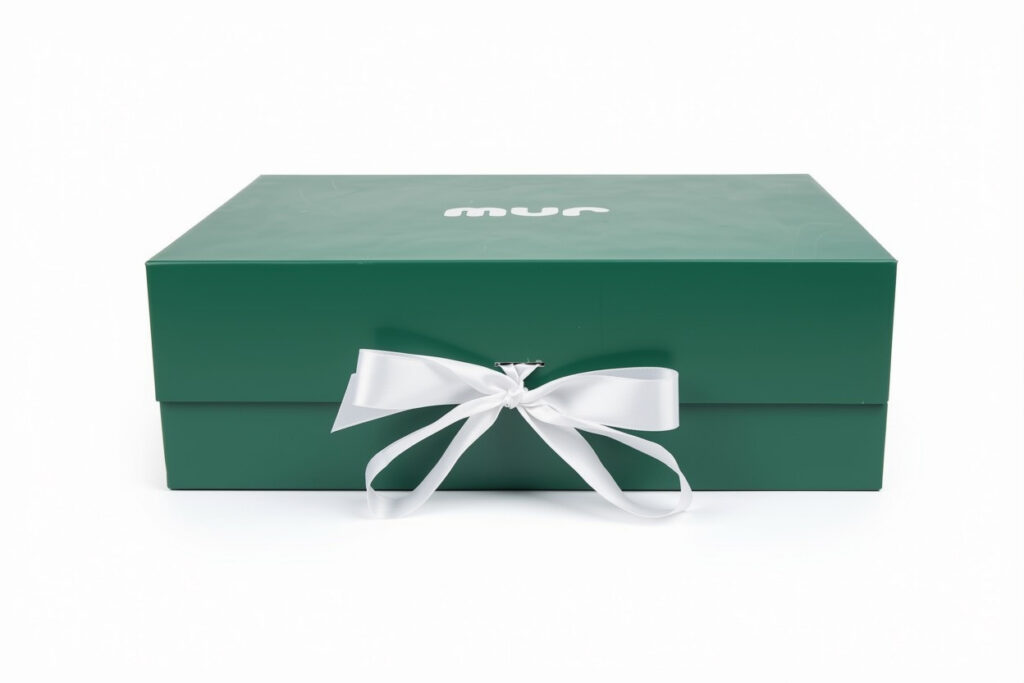
Custom rigid boxes are not the right choice for every product.
Although they create a premium appearance, custom rigid box packaging also requires a higher investment compared with standard folding cartons. The key is choosing rigid packaging when it can improve customer experience, brand value, or product protection.
You should consider custom rigid boxes if:
Your product has a premium price point
If customers are paying more for your product, they usually expect the packaging to match that value.
Examples include:
- Luxury skincare sets
- Jewelry collections
- Premium electronics
- Designer gifts
- Limited-edition products
A high-quality product inside low-cost packaging can create a gap between customer expectations and the actual experience, especially for high end products.
Packaging is part of your customer experience
For many DTC brands, the unboxing moment is an important part of marketing.
If customers are likely to share your product online, packaging can become an opportunity to strengthen brand recognition.
Rigid boxes work especially well when you want to create:
- A memorable first impression
- A gift-like opening experience
- A premium brand feeling
Your product needs stronger protection
Rigid packaging is also practical for products that require better support during transportation.
This is especially important for:
- Fragile items
- delicate items
- Collectible products
- High-value accessories
For international shipping, a strong structure can help reduce damage risks and improve customer satisfaction.
However, folding cartons may be a better option if:
- Cost is your main priority
- You sell high-volume retail products
- Lightweight shipping is important
- The packaging has a short usage cycle
The best packaging solution depends on your product, customers, and business model.
Common Mistakes When Ordering Custom Rigid Boxes
Many packaging problems happen before production starts.
Here are some common mistakes brands should avoid.
Mistake 1: Choosing Price Over Packaging Experience
The lowest-cost option is not always the most cost-effective.
A cheaper box may reduce initial expenses, but poor structure, weak materials, or an unsatisfying opening experience can affect customer perception.
For premium products, packaging should support the value customers already expect.
Mistake 2: Focusing Only on Printing and Ignoring Structure
Many brands spend time choosing colors, artwork, and logos but overlook the box structure.
However, customers feel packaging quality through:
- Material thickness
- Opening movement
- Product positioning
- Overall stability
A beautiful design cannot compensate for a weak structure.
Mistake 3: Adding Too Many Finishing Effects
Foil stamping, embossing, spot UV, and special papers can improve packaging appearance.
But using too many effects can:
- Increase production costs
- Make the design look complicated
- Reduce brand consistency
A simple design with the right finishing choices often creates a stronger luxury impression.
Mistake 4: Ignoring Logistics Costs
Packaging decisions should consider the entire supply chain.
A larger box may look impressive, but it can increase:
- Shipping costs
- Storage requirements
- Warehouse space
For overseas B2B buyers, optimizing box size and structure before mass production can create significant savings.
Frequently Asked Questions About Custom Rigid Boxes
Q1:Are custom rigid boxes expensive?
Rigid boxes usually cost more than folding cartons because they use thicker materials and require more manufacturing steps. However, the cost can be controlled through structure optimization, material selection, order quantity, and finishing choices. Premium custom boxes can vary widely in price depending on structure and surface finishes. The goal is not to create the most expensive box, but the packaging that delivers the best value for your brand.
Q2:What products use rigid boxes?
Custom printed rigid boxes are commonly used for cosmetics, jewelry, watches, electronics, luxury gifts, collectibles, and premium food products. They are also a strong choice for premium retail packaging boxes where shelf presence matters alongside product safety. For these applications, custom printed rigid packaging makes branding and presentation as important as protection.
Q3:What MOQ is required for custom rigid boxes?
MOQ depends on factors such as box structure, printing method, and supplier capability. Many manufacturers offer flexible solutions for startups, while larger brands usually benefit from bulk production pricing. Discussing your sales plan with the manufacturer early can help determine the most suitable order quantity.
Q4:How long does rigid box production take?
Production time depends on box complexity, material availability, finishing requirements, and order quantity. The full timeline may also include artwork approval, sampling, material preparation, production, quality inspection, and shipping. Ask the manufacturer for a project-specific timeline before placing a bulk order.
Q5:Are rigid boxes environmentally friendly?
Rigid boxes can support sustainable packaging goals when designed with responsible materials, and environmental performance also depends in part on working with FSC-certified suppliers. Options include FSC-certified paper, recycled greyboard, plastic-free materials, and paper-based inserts. Responsible packaging materials help premium brands balance presentation with sustainability, and many brands today are choosing packaging that combines premium appearance with better environmental responsibility.
Conclusion
Custom rigid boxes combine structural protection, premium presentation, and flexible branding options for products that need more than standard folding cartons.
They help brands create memorable customer experiences, strengthen product positioning, and deliver outstanding quality while protecting valuable products during transportation.
The best rigid box is not necessarily the most expensive one.
It is the one that matches your product value, customer expectations, and business goals.
Whether you are launching a new luxury product or expanding an established brand, the right packaging strategy can help your product stand out before customers even open the box.
With the right structure, materials, and manufacturing partner, your packaging can become a valuable part of the overall brand experience.
Get Custom Rigid Boxes for Your Brand From Packoi
At Packoi, we help DTC brands, cosmetic startups, and jewelry sellers create custom rigid boxes that match their product value, protect what’s inside, and survive international shipping. Whether you’re launching a new luxury product or upgrading an existing line, our team can help you choose the right structure, materials, and finishing. Contact us to discuss your project and get a free quote.