With the global cosmetics online market expected to reach $463.5 billion by 2027, there’s never been a better time to sell makeup online and start your beauty business.
This guide will show you the top-selling cosmetic categories, how to build a strong online presence, common mistakes to avoid, and real success stories from brands like Glossier and Fenty Beauty.
Let’s get started and turn your beauty business into an online success story!
What Type of Cosmetics Sell the Most?
Understanding which cosmetic products online are top sellers is crucial for your cosmetics online store’s success. Here are the most popular types of cosmetics that consistently perform well online:
1. Lips Products
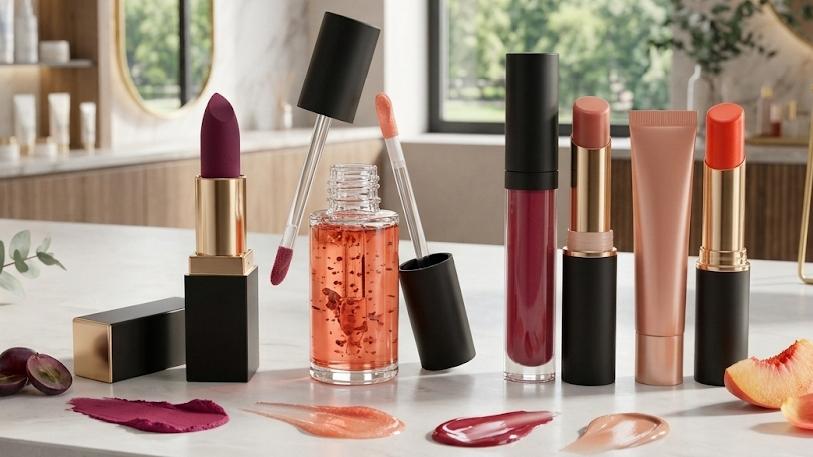
Lip products, including lipsticks, glosses, and specialized balms, continue to dominate as the most expressive category in the beauty industry. In 2026, the market has moved beyond basic color to high-performance formulas that offer both intense pigment and deep hydration.
With the global lip makeup market reaching a new peak this year, offering a diverse range of shades and finishes—from sheer oils to velvet mattes—allows brands to capture a massive audience. These versatile staples remain essential for every routine, as consumers increasingly view lip products not just as makeup, but as a key accessory for self-expression and skin health.
2. Foundations & Concealers
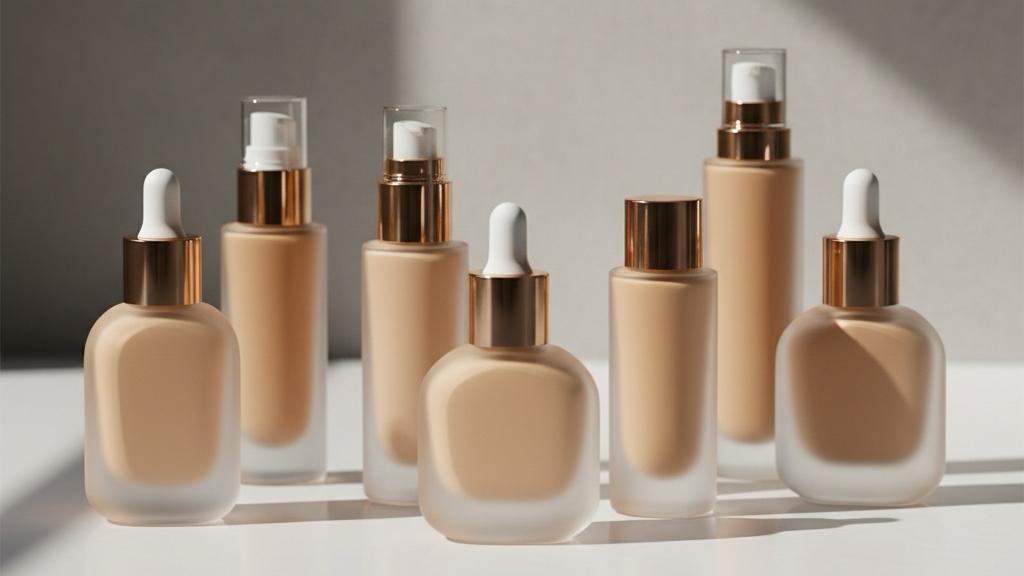
Foundations and concealers are indispensable staples for consumers seeking a flawless base. They remain high-demand market leaders in the beauty industry. The global face makeup market is projected to reach $42.8 billion by 2026.
Foundations and concealers are the top contributors to this growth. This is especially true as “skinimalism” and hybrid makeup-skincare formulas gain momentum. Since these products are essential for daily routines, they are a fast-moving and reliable choice for your online inventory.
3. Skincare Products
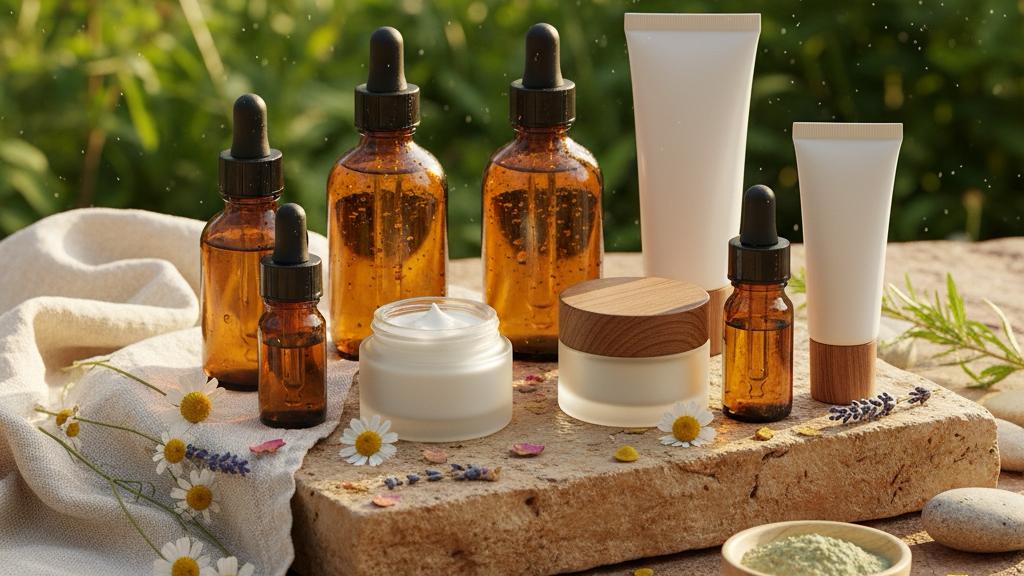
Skincare products are experiencing an unprecedented boom as consumers prioritize long-term skin health over temporary fixes. High-demand items like serums, moisturizers, and cleansers lead the charge, with the global skincare market currently valued at approximately$129.11 billion in 2026.
The shift toward dermatological efficacy and “clean beauty” has made skincare a high-margin, essential segment for any online beauty brand’s inventory. Since these products are repurchased frequently, they provide a stable foundation for long-term customer loyalty in today’s competitive market.
4. Eye Makeup
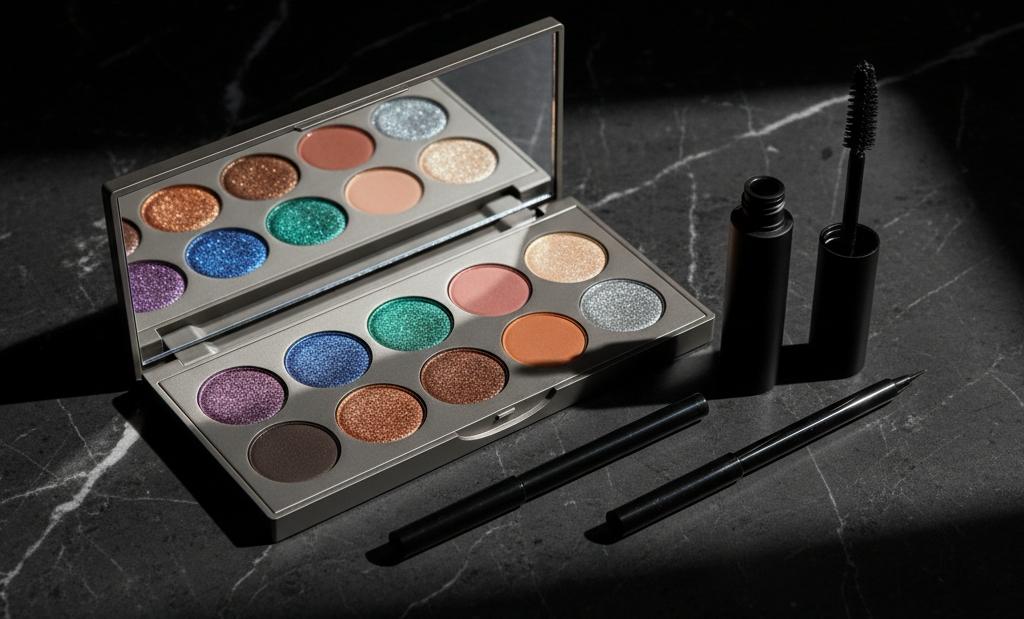
Eye makeup remains a powerhouse category, fueled by social media trends and the expressive nature of modern beauty. As of 2026, the global eye makeup market has reached a valuation of approximately $14.12 billion.
Mascara continues to lead as the most profitable sub-category, driven by ongoing innovations in lengthening and volumizing formulas. Whether it’s everyday essentials or bold, trend-led palettes, eye makeup is a high-demand staple that offers diverse opportunities for online sellers to build a loyal customer base through visual storytelling.
5. Nail Products
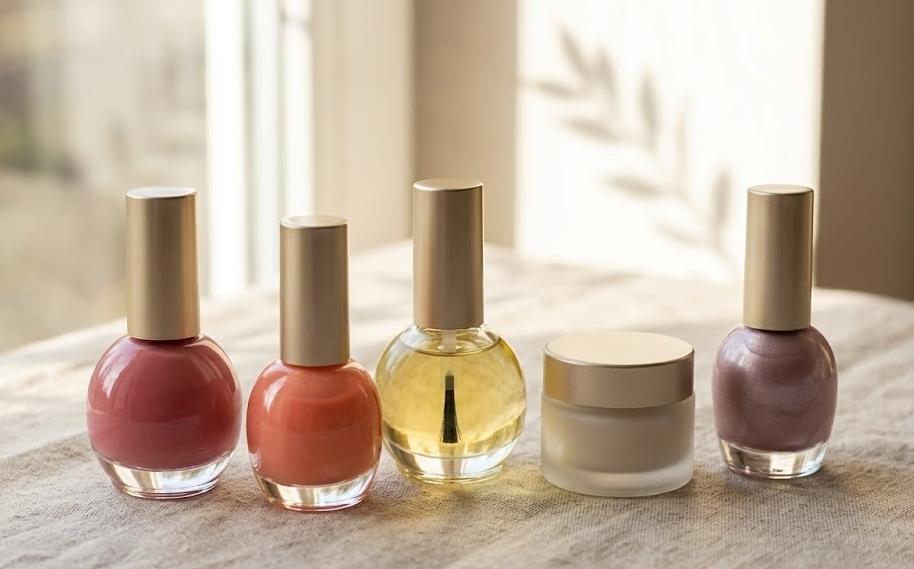
The nail products market has transcended temporary fashion trends to become a consistent year-round revenue driver for online beauty businesses. This category includes classic lacquers as well as fast-growing innovative segments like long-wear gel systems and high-quality press-on nails, which are highly lucrative.
With low shipping costs and high repurchase rates—especially for specialized treatments and colors—nail products represent a strategic and profitable addition to any online cosmetics portfolio.
6. Anti-Aging Products
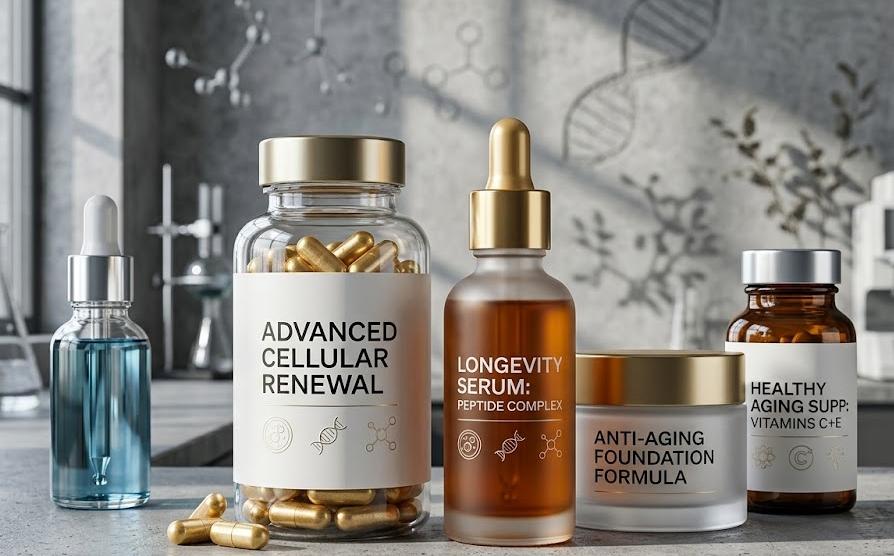
Anti-aging products have evolved into a comprehensive “longevity” category, capturing a wider demographic than ever before. As of 2026, the global anti-aging market is valued at approximately $67.71 billion. This growth is fueled by a surge in “prejuvenation” trends among younger consumers and advancements in biotech-driven ingredients.
While antioxidants like Vitamin C and E remain essential, high-performance peptides and retinoid alternatives are the primary drivers this year. For online sellers, anti-aging is a high-ticket, science-backed niche that builds immense brand authority and deep customer trust through functional results.
7. Men’s Cosmetics
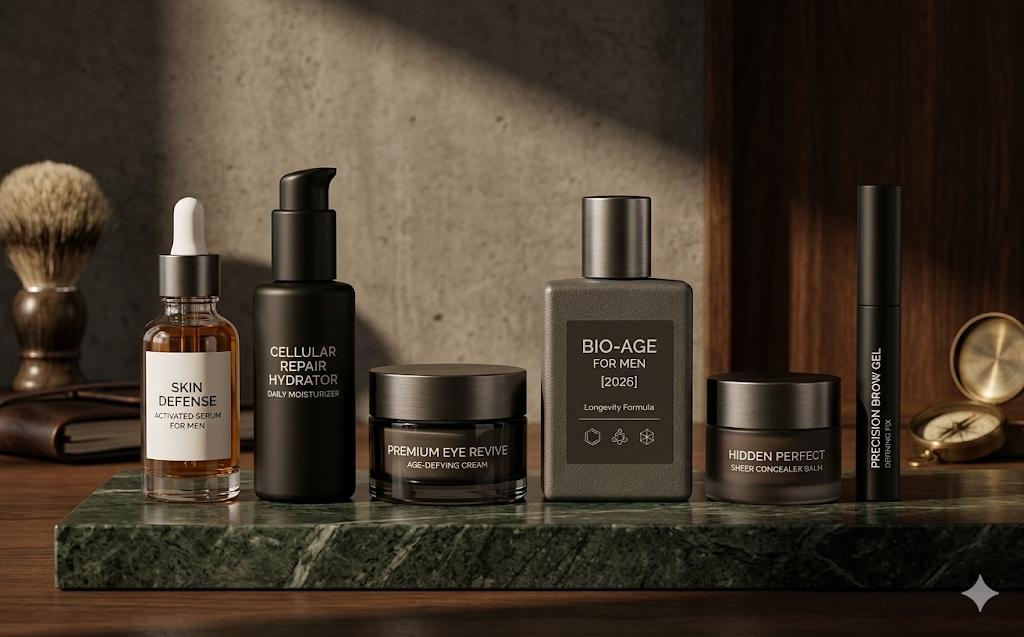
Men’s cosmetics have moved from a niche interest to a mainstream powerhouse, reflecting a significant cultural shift in self-care. As of 2026, the global men’s grooming and beauty market is valued at approximately $115 billion.
This category now extends far beyond traditional shaving products, with a surge in demand for specialized skincare, concealers, and brow gels designed specifically for men’s skin textures. For online sellers, the rise of “hidden makeup” (subtle enhancers) and premium male-focused packaging presents a high-potential frontier to capture an increasingly loyal and brand-conscious male demographic.
8. Natural and Organic Products
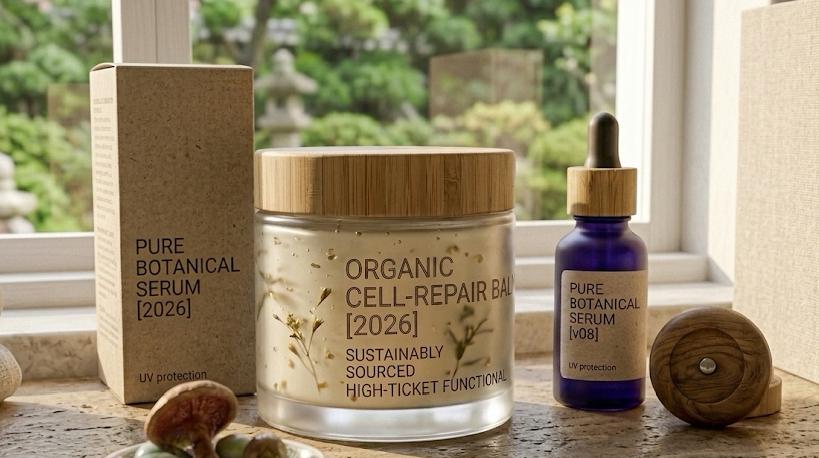
The demand for natural and organic products has evolved from a trend into a fundamental market requirement. Modern consumers now demand full transparency, favoring “clean labels” and sustainably sourced ingredients that prioritize both personal health and environmental ethics.
For online beauty brands, this segment offers a significant competitive advantage when paired with eco-friendly packaging, as it resonates deeply with the values of Gen Z and Millennial shoppers who view beauty as an extension of their lifestyle.
9. Minimalist and Multi-Use Products
The “Skinimalism” movement has reached its peak in 2026, as consumers move away from cluttered vanities toward high-performance, multi-functional essentials. This category focuses on hybrid formulas that combine skincare benefits with cosmetic results, such as tinted serums with high SPF or all-in-one pigment balms for eyes, lips, and cheeks.
For online sellers, these products are highly attractive due to their broad appeal across Gen Z and Gen Alpha demographics, who prioritize efficiency, sustainability through reduced waste, and cost-effective beauty routines.
How to Sell Makeup and Beauty Products Online Well
Selling your makeup line and beauty products online is a fantastic opportunity. Here’s how to do it effectively:
1. Establishing Your Online Presence
Your online presence is your storefront, so it’s essential to make a great first impression. Start with a professional website using platforms like Shopify or WooCommerce to make setup and management easy.
Ensure your site is visually appealing and user-friendly, with high-quality images and detailed descriptions of your products. Mobile optimization is crucial since many shoppers use their phones to browse and buy. Beyond your website, alone, social media platforms like Instagram, Facebook, and TikTok are excellent for reaching beauty enthusiasts.
Share engaging content, such as tutorials, customer reviews, great photos, and behind-the-scenes looks at your products. Use hashtags and collaborate with influencers to expand your reach and keep your niche audience more engaged.
2. Packaging and Your Cosmetics Brand
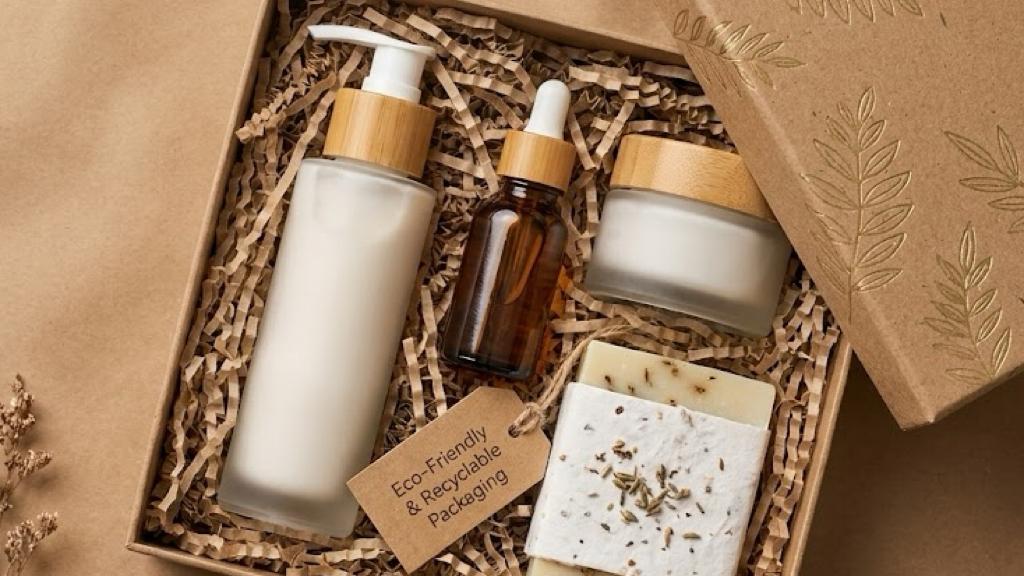
Once you have a solid online presence, focus on your packaging, which plays a significant role in the beauty industry. Packaging isn’t just about protecting your products; it’s about creating an experience that reflects your brand’s identity. Invest in attractive, high-quality packaging to differentiate yourself from competitors and make your products more memorable.
As becomes increasingly important to consumers, consider using recyclable or biodegradable materials to promote products. Highlight these eco-friendly choices in your marketing to appeal to environmentally-conscious customers, adding another layer of appeal to your brand.
3. Building Customer Trust
Building a trusted brand is essential for online sales. Displaying customer reviews and testimonials prominently on your website can significantly influence new buyers. Encourage satisfied customers to leave feedback to bolster your brand’s credibility. Offering a satisfaction guarantee or an easy return policy can reassure hesitant customers, enhancing their trust in your brand.
Additionally, use secure payment gateways to protect customer information and communicate your privacy policies. Transparency in these areas builds trust and encourages repeat business, helping to establish a loyal customer base.
4. Effective Marketing Strategies
Marketing is key to attracting and retaining customers in the competitive beauty market. Here are the most effective strategies:
- Email Marketing: Stay in touch with your audience by sending newsletters with updates, promotions, and beauty tips. Personalize your emails to make customers feel valued and connected to your brand.
- Search Engine Optimization (SEO): Drive organic traffic to your website by using relevant keywords throughout your site and blog posts — this is vital for long-term visibility and growth.
- Social Media Marketing: Leverage platforms like Instagram, TikTok, and YouTube where beauty content thrives. Share tutorials, product demonstrations, and user-generated content to build engagement.
- PPC (pay-per-click) Advertising: Run targeted PPC campaigns on Google Ads and social media platforms to boost visibility and reach a broader audience quickly.
- Influencer Partnerships: Partner with beauty influencers who align with your brand values. Their endorsements can reach large, engaged audiences and drive significant sales through authentic recommendations.
5. Providing Excellent Customer Service
Excellent customer service can set your beauty brand apart in the competitive beauty market. Offer multiple channels for customer support, including live chat, email, and phone, and ensure you respond quickly to inquiries and resolve issues promptly.
Personalize your customer interactions by addressing customers by name and tailoring your recommendations to their preferences. This personal touch can enhance customer loyalty and encourage repeat purchases, fostering a strong relationship between your brand and its loyal customers throughout.
6. Offering Promotions and Discounts
To attract new customers and boost sales, consider offering promotions and discounts. Introductory discounts for first-time buyers can encourage initial purchases, while special deals for holidays and events keep your offers fresh and appealing. Implement loyalty programs to reward repeat customers and maintain their engagement.
Moreover, creating limited-time offers can build a sense of urgency among your target market of customers, encouraging quick purchases. Advertise these promotions through your website, social media, and email and marketing channels to maximize their impact and reach a wider target audience.
10 Things to Avoid When Selling Makeup Online
Selling makeup online can be lucrative, but there are common pitfalls to avoid. Here’s a list of key mistakes to steer clear of:
1. Neglecting Quality Control
Quality is everything in the beauty industry. Ensure your products are consistently high-quality by regularly testing them. Neglecting this can lead to negative reviews and lost customers. A bad batch can damage your reputation, so prioritize product quality and control at all stages.
2. Poor Website Design
Your website is your storefront. A poorly designed website can drive customers away. Make sure your site is user-friendly, easy to navigate, and mobile-optimized. Use high-quality images and clear product descriptions to attract and retain visitors.

3. Ignoring SEO
Search engine optimization (SEO) is crucial for online visibility. Ignoring SEO means missing out on potential customers. Use relevant keywords throughout your site, in product descriptions, and in blog posts to improve your search engine ranking and drive organic traffic.
4. Overlooking Customer Feedback
Customer feedback is valuable. Ignoring it can lead to missed opportunities for improvement. Regularly ask for and review feedback, and use it to enhance your products and services. Address complaints promptly to show customers you care.
5. Failing to Engage on Social Media
Social media is a powerful and effective tool for reaching and engaging with your target audience. Failing to maintain an active presence can hurt your brand. Post regularly, engage with followers, and collaborate with influencers to boost your visibility and credibility.
6. Complicated Checkout Process
A complicated checkout process can result in abandoned carts. Keep it simple. Offer multiple payment options and ensure the process is quick and user-friendly. A smooth checkout experience can significantly increase your sales.
7. Ignoring Packaging Importance
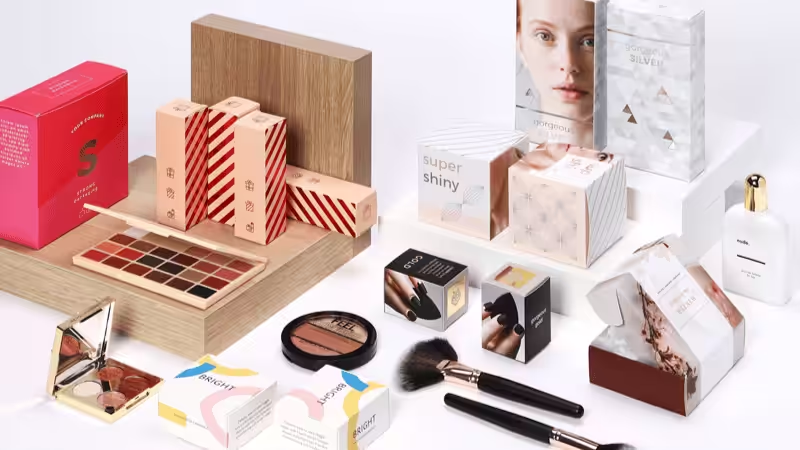
Cosmetics packaging is more than just a container; it’s part of the business, store, and customer experience. Ignoring its importance can cost you repeat business. Invest in attractive, high-quality packaging that reflects your store and brand and delights your customers when they receive your products.
8. Not Providing Excellent Customer Service
Customer service can make or break your business. Poor service can lead to negative reviews and lost customers. Be responsive, helpful, and polite. Offer multiple channels for support and resolve issues promptly to maintain a positive reputation.
9. Inadequate Product Descriptions
Vague or inadequate product descriptions can confuse customers and lead to dissatisfaction. Provide customers with detailed, accurate descriptions, including ingredients, usage instructions, and benefits. This helps customers make informed decisions and reduces the likelihood of returns.
10. Focusing Only on Sales
While sales are important, focusing solely on them can alienate customers. Build relationships with ideal customers by offering value through informative video content, beauty tips, and personalized recommendations. This approach fosters loyalty and encourages repeat business.
What Are the Characteristics of a Perfect Brand Package for You
Creating the perfect brand package for your online makeup business is essential. It’s more than just the products; it’s about the entire experience you offer your customers. Here’s what you should consider:
1. Style
Your brand’s style should be a visual representation of its identity. Consider what emotions and messages you want to convey. Is your brand luxurious, playful, or eco-conscious? Your packaging should align with this vision. Sleek, minimalist designs can convey sophistication, while vibrant colors and bold fonts might reflect a fun and energetic brand. Think about how your packaging stands out on a shelf and communicates your brand’s story.
2. Eco-Friendly Packaging
Sustainability is more important than ever. Consumers are increasingly seeking eco-friendly products. Use recyclable, biodegradable, or reusable materials to show your commitment to the environment. Highlight these choices in your branding to appeal to environmentally conscious customers. Eco-friendly packaging not only reduces your carbon footprint but also builds trust and loyalty with your audience.
3. Functionality
While aesthetics are important, functionality should not be overlooked. Your packaging must protect your products and be easy for customers to use. Think about the practical aspects like opening, closing, and storing the product. Functional packaging enhances the user experience, making it more likely that customers will return to your brand.
4. Customization
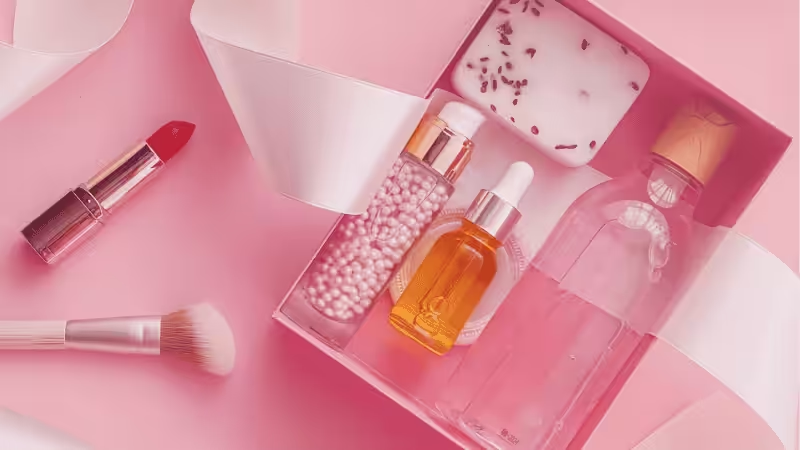
Customization can set your brand apart. Consider offering personalized packaging options, such as custom labels or packaging for special occasions. This can create a unique and memorable experience for your customers. Customization adds a personal touch that can strengthen the connection between your brand and its customers.
5. Compliance
Ensure that your packaging complies with all relevant regulations and standards. This includes proper labeling of ingredients, usage instructions, and safety warnings. Compliance not only keeps you within legal boundaries but also builds credibility and trust with your customers. It shows that you are a responsible brand that values transparency and consumer safety.
5 Examples of Successful Online Makeup Brands
Looking at successful online makeup brands can provide valuable insights for your own cosmetics business. Here are a few inspiring top makeup industry examples and what makes them stand out:
1. Glossier
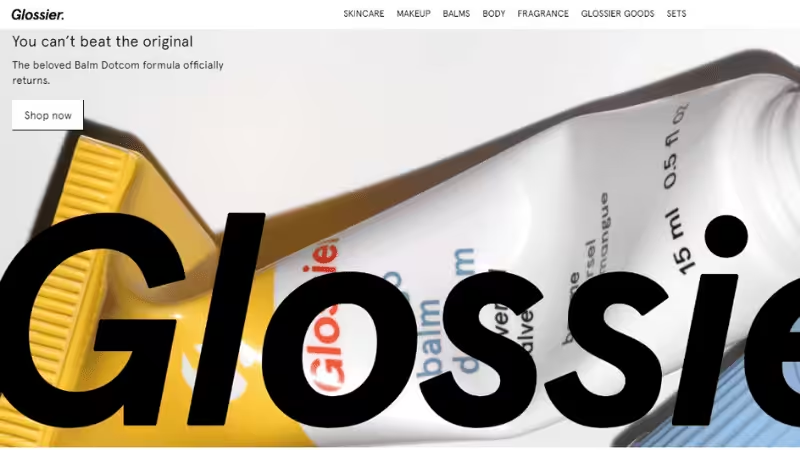
Glossier started as a beauty blog and grew into a billion-dollar brand by focusing on minimalistic, easy-to-use products that enhance natural beauty. Their strength lies in their community-driven approach, actively engaging with customers on their social media platforms and incorporating feedback into product development.
This creates a loyal customer base that feels heard and valued. Glossier’s clean, simple packaging and direct-to-consumer model also contribute to their distinctive appeal.
2. Kylie Cosmetics
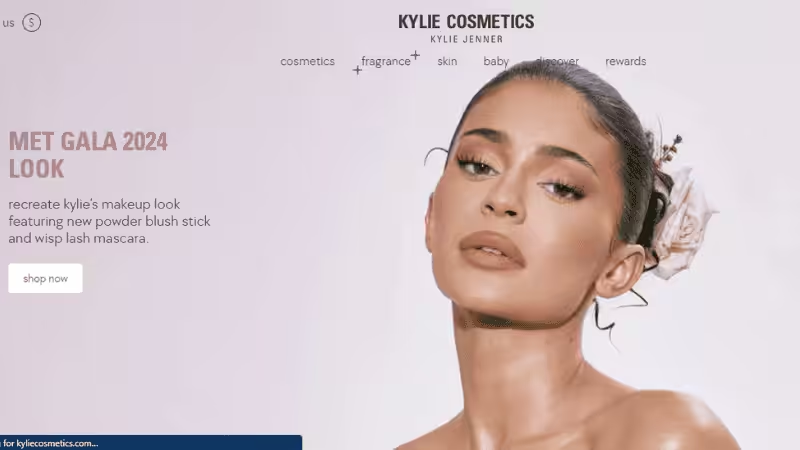
Kylie Cosmetics leveraged the star power of Kylie Jenner to become a major player in the beauty industry. The brand’s success is driven by its strong social media presence and influencer marketing strategies, with Kylie regularly creating product videos and promoting products to millions of followers, creating high demand and instant sellouts.
Limited-edition releases and collaborations keep customers excited and returning for more, making their high-profile launches a key differentiator.
3. Fenty Beauty industry
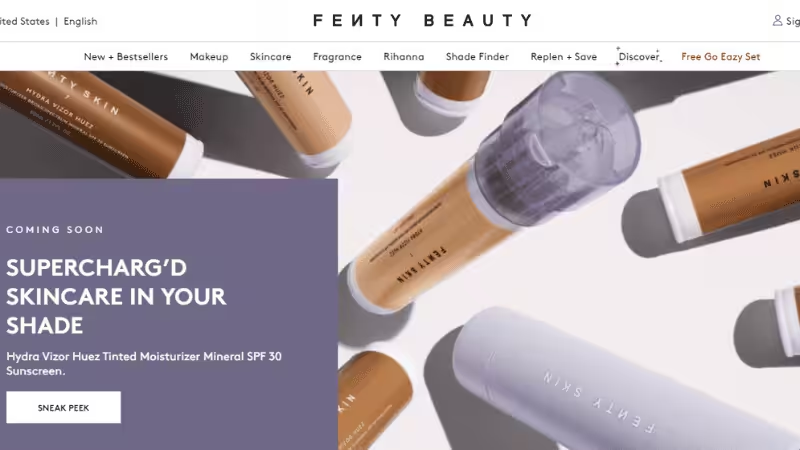
Fenty Beauty, launched by Rihanna, revolutionized the makeup industry with its inclusive approach, offering a wide range of shades to cater to all skin tones and filling a significant market gap.
This focus on diversity and inclusion, along with innovative products and a strong brand voice and message, resonates with a broad audience and sets a new standard in the cosmetics industry. The “beauty for all” philosophy is at the core of their brand identity.
4. ColourPop
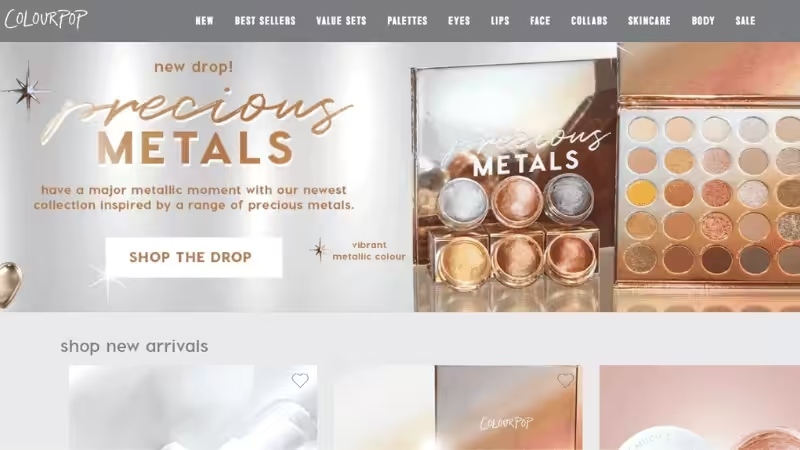
ColourPop is known for its affordable yet high-quality products and fast production cycles that quickly bring trendy makeup items to the market. Their effective use of social media marketing and influencer partnerships generates buzz and reaches a wide audience.
Collaborations with popular influencers and YouTubers make ColourPop’s makeup product line a favorite among young, trend-conscious consumers, setting them apart with their quick adaptation to beauty trends.
5. Huda Beauty
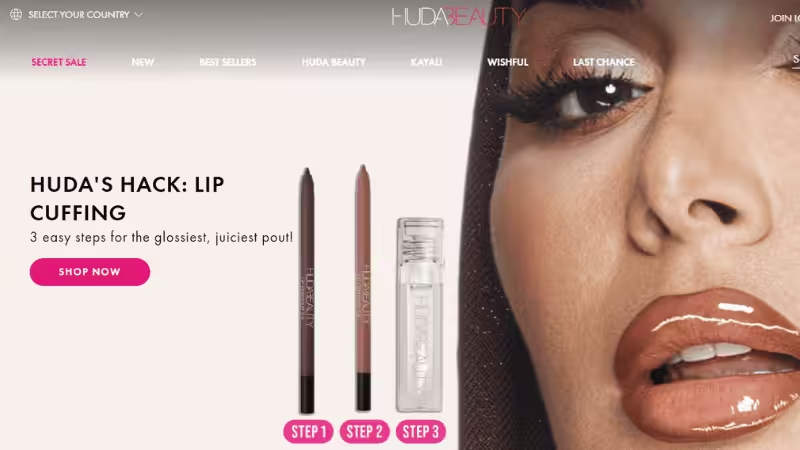
Huda Beauty, founded by beauty influencer Huda Kattan, quickly gained popularity through engaging content and tutorials. The brand focuses on high-impact, glamorous products, with a strong social media presence and a relatable founder who builds a loyal following.
Huda Beauty’s transparency and connection with its audience, along with bold, high-quality products, differentiate them from other beauty brands, in a crowded market.
FAQs
Q1. How do I find reliable makeup suppliers for my online store?
Research verified suppliers on global B2B platforms like Alibaba, attend beauty trade shows, or work with regional cosmetic distributors. Always request product samples, certifications, and check their minimum order quantities and lead times. Verify they comply with cosmetic regulations in your target markets and have proper quality control processes.
Q2. What licenses and regulations do I need to sell cosmetics online?
You’ll need a business license and possibly a cosmetic distribution license depending on your location. In the US, products must comply with FDA labeling requirements including ingredient lists in descending order. Products cannot make drug claims without FDA approval, and regulations vary significantly between countries.
Q3. How should I handle inventory management and product expiration dates?
Use a first-in-first-out (FIFO) system and track batch numbers and expiration dates in your inventory management system. Set up automatic alerts for products approaching expiration and clearly display shelf life information on product listings. Store products in temperature-controlled environments away from direct sunlight.
Q4. What packaging considerations are unique to shipping cosmetics online?
Use leak-proof packaging with secondary containment for liquids and protective inserts for breakable items like compacts. Consider temperature-sensitive products that may need insulated packaging or seasonal shipping restrictions. Your packaging should prevent damage and create a premium, sustainable unboxing experience that beauty customers expect.
Conclusion
Success in online beauty retail requires three critical elements: selecting high-demand products (skincare, lip products, and makeup essentials), building trust through professional branding and social proof, and ensuring your packaging protects products while creating memorable unboxing experiences.
The beauty market rewards businesses that understand their audience and consistently deliver quality—backed by the right products, branding, and packaging. Focus on the proven bestsellers outlined in this guide, invest in professional product photography, and prioritize customer reviews to build credibility.
Ready to launch your beauty business? Start with these actionable steps:
- Research 3–5 products from our top-selling categories
- Analyze successful competitor brands in your chosen niche
- Source reliable suppliers and test packaging solutions
- Create compelling product listings with high-quality images
The online beauty industry continues to grow. Position your business to capture this opportunity by implementing these strategies consistently.
Discover the Perfect Makeup Packaging Solution with Packoi
Are you ready to elevate your makeup brand with top-tier packaging solutions?
At Packoi, we provide customized packages and marketing materials that resonate with your makeup brand’s identity and appeal to your target market and audience. Our offerings range from display boxes to folding cartons, shipping boxes, and much more, all designed to meet your specific needs. We also offer marketing materials like brochures, catalogs, and booklets to support your makeup brand’s growth.
Don’t settle for the ordinary. Transform your brand’s packaging and marketing strategy with Packoi. Contact us today for a consultation and discover how our customized solutions can help you stand out in the competitive cosmetics market.
Ready to take your brand to the next level? Explore our solutions and get started with Packoi.