Switching to eco-friendly options can feel complex, but it’s a powerful way to connect with your audience and build a modern brand.
This guide is your practical roadmap. We’ve simplified the complex world of green packaging into 6 clear, actionable ideas perfect for today’s beauty brands. From versatile paper-based options to innovative seaweed materials, we’ll give you the pros, cons, and best-use cases for each. Find your perfect sustainable solution in the next five minutes.
Why Sustainable Packaging is a Must-Have for Modern Beauty Brands
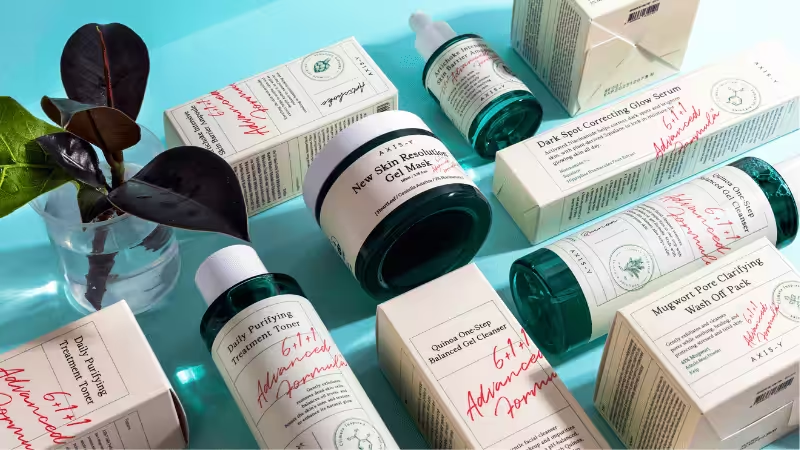
Choosing green packaging offers clear benefits for your business and the environment. It’s a strategic decision that pays off.
Attract and Retain Today’s Conscious Consumers
Today’s shoppers buy from brands that share their values. Using eco-friendly packaging shows you care, which helps build a loyal community. When customers see your commitment, they are more likely to choose your products over competitors. This positive association strengthens your brand and increases your customer base.
Build a Powerful and Authentic Brand Story
Your packaging is a chance to tell a story. Eco-friendly packaging options communicate a commitment to environmental awareness. This positions your brand as responsible and forward-thinking. Some brands even design their packaging to be repurposed, like Monday’s Child, whose boxes turn into dollhouses. This creates a memorable experience for customers.
Meet Sustainability Goals and Reduce Environmental Impact
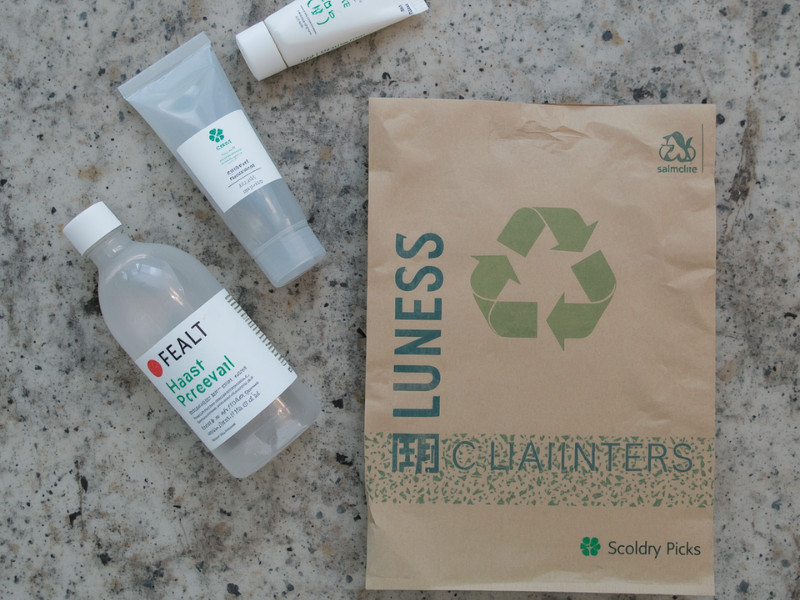
Eco-friendly packaging is designed to create less harm. Many options use renewable materials that are recyclable or biodegradable, leading to less pollution and plastic waste. This helps reduce your company’s carbon footprint from production all the way to delivery. Choosing materials that decompose easily also means less waste ends up in landfills.
Create a Competitive Edge in a Crowded Market
In the beauty industry, unique packaging helps you stand out. A commitment to sustainability can be your key differentiator. When you choose beautiful, eco-friendly packaging, you show customers you value both quality and the planet. This can set your products apart and establish your brand as a leader.
6 Key Eco-Friendly Packaging Materials & Systems to Consider
Finding the right sustainable option depends on your product, brand, and budget. Here are six popular choices for eco-friendly cosmetics packaging.
1. Paper & Cardboard: The Versatile and Recyclable Classic
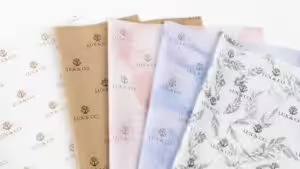
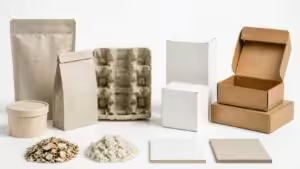
Paper and cardboard are go-to materials for eco-conscious brands. Made from renewable resources, they are often biodegradable and easily recyclable. They are perfect for giving your products a natural, earthy feel.
- Best for: Secondary packaging (boxes for jars and bottles), dry powders, eyeshadow palettes, and solid cosmetics like shampoo bars.
- Pros: Cost-effective, lightweight (reduces shipping costs), highly customizable with printing.
- Cons: Not waterproof, offers less protection for fragile items than plastic, not suitable for direct contact with liquids or creams.
2. Refillable Systems: Building Customer Loyalty and Reducing Waste
Refillable packaging is a smart model that encourages repeat business. Customers buy a durable main container and then purchase refills, often in simpler, low-waste packaging. Cosmetics companies can offer discounts to customers seeking refillable services as a way of encouraging plastic packaging.
- Best for: Skincare products (lotions, serums), foundations, lipsticks, and powders.
- Pros: Reduces overall waste significantly, builds strong customer loyalty, creates a premium experience.
- Cons: Higher initial cost for the primary container, requires planning for refill logistics.
3. Cornstarch & Plant-Based Bioplastics: The Future of Materials
Cornstarch packaging is made from polylactic acid (PLA), a bioplastic derived from fermented plant starch. It looks and feels like traditional plastic but is made from renewable materials.
An eco-friendly packaging solution that uses organic material can be a great deal for cosmetics companies. Cornstarch packaging materials produce fewer emissions, are non-toxic, and are the best plastic alternative.
- Best for: Protective inserts, single-use samples, and as a plastic alternative for certain containers.
- Pros: Biodegradable under industrial composting conditions, non-toxic, uses less energy to produce than petroleum-based plastic.
- Cons: Not recyclable with traditional plastics, can be brittle, requires specific composting conditions to break down.
4. Seaweed Packaging: The Edible and Dissolvable Innovator
Seaweed packaging is an exciting new option. It is a bio-based material that is highly sustainable and compostable. Some forms are even edible and dissolve in water.
- Best for: Sachets for single-use products, protective films, or as an alternative to plastic wrap.
- Pros: Made from an abundant, fast-growing resource; fully biodegradable and home-compostable.
- Cons: Still an emerging technology, can be more expensive, not yet widely available for all packaging types.
5. Bamboo: The Symbol of Natural Luxury
Bamboo is a fast-growing grass that gives packaging a beautiful, high-end look. It is strong, durable, and has a natural, premium feel that works well for luxury cosmetics. Besides, bamboo packaging allows for custom packaging using screen printing.
- Best for: Lids for jars, compacts for powders and blushes, and lipstick tubes.
- Pros: Feels luxurious and unique, made from a highly renewable resource, durable.
- Cons: Higher cost than other materials, limited customization options for shape and design.
6. Post-Consumer Recycled (PCR) Materials: Giving Plastic a Second Life
PCR packaging is made from plastic that has already been used and recycled by consumers (like plastic bottles). It reuses existing materials, reduces landfill waste, and requires less energy than creating new plastic.
In addition, prevent any leakages when storing or shipping shampoo and conditioner bars.
- Best for: Bottles for shampoo and lotion, jars for creams, and tubes for cleansers.
- Pros: Diverts plastic from landfills, uses less energy and fossil fuels, shows a clear commitment to a circular economy.
- Cons: Can have slight color or clarity variations, may not be suitable for all cosmetic formulations, availability can vary.
Quick Comparison: Choosing the Right Material for Your Product
This table helps you compare these options at a glance to see what might work best for your brand.
At-a-Glance Decision-Making Table (Cost vs. Luxury Feel vs. Product Suitability)
Packaging Material | Relative Cost | Luxury Feel | Best For |
Paper & Cardboard | Low | Medium | Boxes, Solid Products |
Refillable Systems | Med-High | High | Liquids, Creams, Lipsticks |
Cornstarch/Bioplastic | Medium | Low-Med | Inserts, Samples |
Seaweed Packaging | High | High | Sachets,Films |
Bamboo | High | High | Jars, Compacts, Lids |
PCR Materials | Low-Med | Medium | Bottles, Tubes, Jars |
Beyond the Material: A 4-Step Checklist for True Sustainabilit
Choosing the right material is just the start. To build a truly eco-friendly packaging strategy, consider these four steps.
Step 1: Embrace Minimalist Design to Reduce Waste
Sometimes the most eco-friendly packaging is less packaging. A simple, clean design not only looks modern but also uses fewer materials, less ink, and less energy. Focus on fitting your product into the smallest possible box to avoid waste and reduce shipping emissions.
Step 2: Look forKey Certifications (e.g., FSC, Carbon Neutral)
Certifications add credibility to your sustainability claims. For paper products, look for the Forest Stewardship Council (FSC) logo. This ensures the paper comes from responsibly managed forests. Other labels like “Carbon Neutral” show a commitment to offsetting emissions.
Step 3: Educate Your Customers on Proper Disposal
Your effort is only effective if the customer knows what to do. Use simple icons or a short message on your packaging to explain how to recycle, compost, or return it. Clear instructions ensure your eco-friendly packaging completes its lifecycle correctly.
Step 4: Ask the Right Questions to Avoid Greenwashing
“Greenwashing” is when a company makes misleading claims about its environmental benefits. To avoid this, ask your packaging supplier for proof. Can they provide documentation for their material claims? Are their processes transparent? A truly sustainable partner will be happy to share this information.
Frequently Asked Questions About Eco- Friendly Cosmetics Packaging
Q1:Does eco-friendly packaging need to be FDA approved?
The FDA does not pre-approve most cosmetic packaging, but it requires that the material be safe for its intended use and does not leach harmful substances into the product. This applies to all packaging, whether traditional or eco-friendly. Choosing materials that are “food-grade” or have a proven safety record for cosmetics is a critical step to ensure compliance.
Q2:Does sustainable packaging reduce the shelf life of cosmetics?
Not if chosen correctly. The key is to match the packaging material’s barrier properties with your product’s formulation. Materials like PCR plastic, glass, and aluminum offer excellent protection against light, air, and moisture, preserving shelf life effectively. For any new material, it is crucial to conduct stability testing to ensure it fully protects your product.
Q3:What is the most cost-effective eco-friendly packaging for a small business?
For small businesses, focusing on recycled materials is often the most cost-effective start. Using secondary packaging made from FSC-certified or recycled cardboard is an affordable and impactful choice. For primary containers, opting for stock (non-custom) bottles and jars made from PCR plastic can be very budget-friendly while still demonstrating a commitment to sustainability.
Q4:Can I design custom-shaped eco-friendly packaging for my products?
Absolutely, and this is where your brand can truly stand out. Materials like paper pulp, cardboard, and even some bioplastics can be molded into unique, custom shapes that are both protective and memorable. Working with a specialized packaging partner is the best way to explore custom designs, as they can guide you on material limitations and manufacturing possibilities to bring your unique vision to life.
Conclusion
Choosing eco-friendly cosmetics packaging is a smart move for your brand and the planet. By understanding the options and thinking beyond the material, you can create packaging that protects your product, delights your customers, and builds a brand people are proud to support.
Ready to Bring Your Vision to Life? Partner with Packoi.
Packoi Printing is an established wholesale package printer and designer. We are always dedicated to offering clients outstanding work to suit their business goals. Talk to us today to get amazing offers on your cosmetic brand packaging. We use materials that are eco-friendly and biodegradable. Reach us today and let discuss your packaging needs.