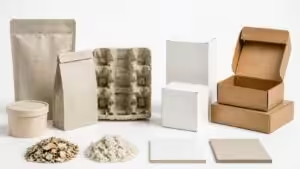
If you are designing custom packaging for your products, having a reliable cardboard thickness guide is the first step to ensuring the right balance of protection and cost.
This comprehensive cardboard thickness guide will help you measure thickness, understand board grades, and choose the best packaging for your needs. Let’s dive in!
What is Cardboard Thickness?
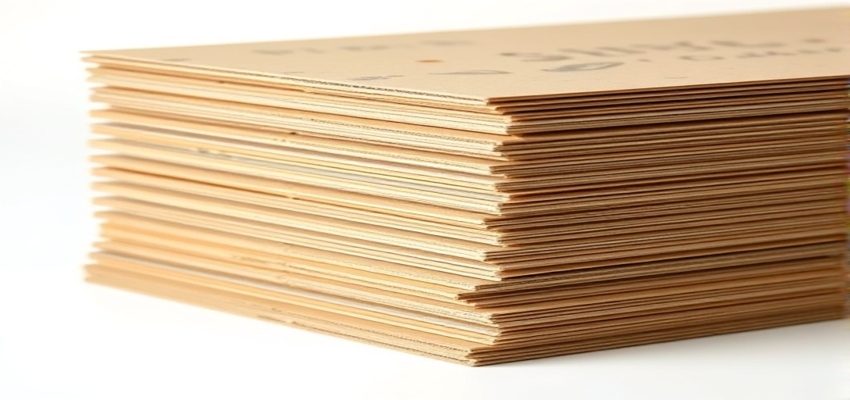
Cardboard thickness is the depth of the cardboard material measured in millimeters or microns. Thickness determines the durability, resilience, and strength of the material, hence playing a key role in packaging. Thicker cardboard gives better protection but also adds to weight and higher shipping costs. A caliper or micrometer is used to measure cardboard thickness accurately.
The weight is not the same as the thickness. Thickness is a measure of depth, and weight is a measure of mass, usually expressed in pounds per square inch or grams per square meter (GSM). A thin cardboard sheet may weigh more if it’s made from denser pulp, much like standard printer paper differs from thick cardstock. This difference is vital when you want to choose the best packaging to balance strength and weight.
Factors Affecting Thickness
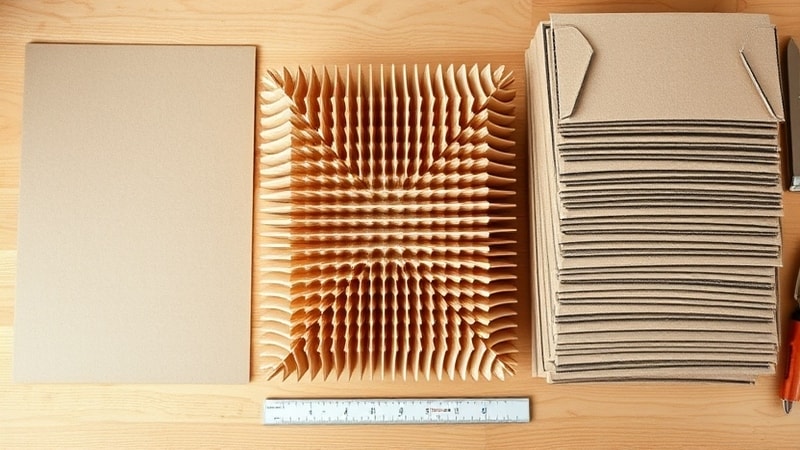
The type of cardboard and how it’s made has a huge effect on thickness. Corrugated cardboard is thicker than flat paperboard because it features a fluted layer sandwiched between two flat cardboard liners.
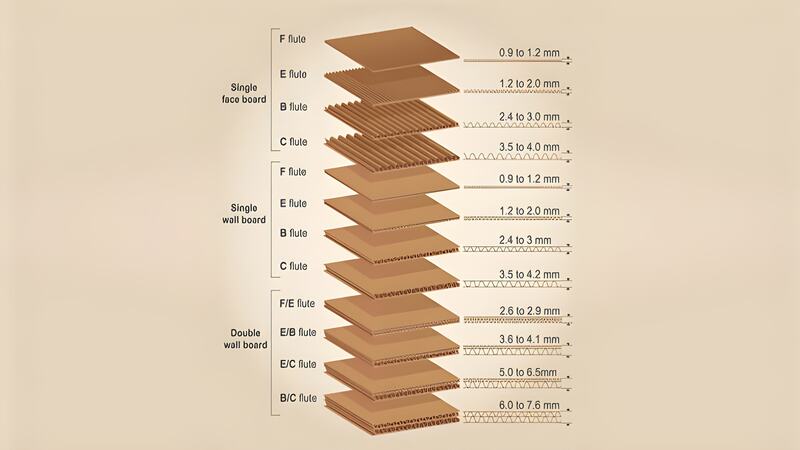
The corrugated flute type determines the depth and cushioning. Combining different flute sizes offers various benefits. Overall performance is determined by the flute type and thickness combined with the material grade of the paperboard. For instance, E-flute creates thinner, compact corrugated sheets that offer great cushioning. On the other hand, the B-flute offers excellent crush resistance, while the c flute is standard for typical shipping boxes. Knowing these factors will help you choose the best packaging without unnecessary bulk.
How to Measure Cardboard Thickness
Measuring the thickness of cardboard accurately is critical for protecting fragile products. Using tools like calipers, micrometers, or the stack-and-ruler method ensures you select the right material for your packaging needs.
Cardboard thickness can be measured in a few different units:
- Points
- Inches
- Millimetres
- GSM
Points
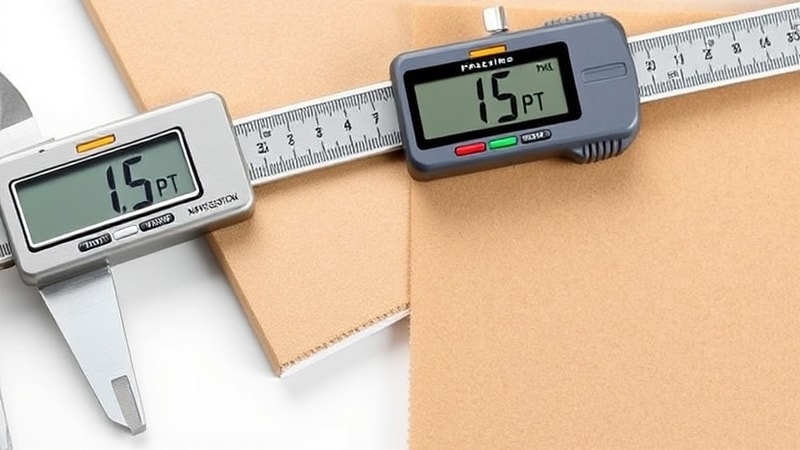
The unit “Point,” symbolized as Pt, is widely used in commercial and industrial sectors to measure material thickness. It is particularly common in industries dealing with paper, cardboard, and similar objects. One Pt equals 0.001 inches, making it a precise and convenient unit. For instance, if a cardboard is 15 Pt thick, its thickness would translate to 0.015 inches or approximately 0.38 mm. This makes points a useful unit for applications requiring fine measurements.
Inches
Inches are another common unit for those measuring cardboard thickness, especially in the United States and other regions that use imperial measurements. When using a ruler, you’ll notice that one side often displays millimeters while the other side shows inches. Cardboard with a thickness of 0.38 mm equals 0.015 inches. This conversion is crucial when working in industries that need precise measurements in multiple-unit systems.
Millimeters
Millimeters (mm) are a standard unit for measuring thickness globally. They are especially useful for finer measurements in industries like packaging and printing. To measure in millimeters, you can use tools like a caliper or apply the simple stack-and-ruler method. This ensures accurate results without the need for advanced instruments.
GSM
GSM, or grams per square meter, measures the weight and thickness of paper-based packaging materials, including cardboard. A higher GSM indicates greater thickness and durability. For cardboard packaging, a high GSM in the range of 350-400 is often ideal, as it balances strength and usability. Understanding GSM helps in selecting the right material for packaging needs.
| Unit | Conversion |
|---|---|
| Points (Pt) | 1 Pt = 0.001 inches = 0.0254 mm |
| Inches | 1 inch = 25.4 mm = 1000 Pt |
| Millimeters | 1 mm = 0.03937 inches = 39.37 Pt |
| GSM | Higher GSM = Thicker cardboard |
Tools and Methods for Measuring Cardboard Thickness
When selecting the right gear, many industry professionals ask: what tool is used to measure cardboard? Generally, the instrument that is most suitable for measuring the thickness of a few sheets of cardboard is a digital caliper, dial thickness gauge, or a micrometer screw gauge.
Here are the 4 common tools and methods used for precise cardboard thickness measurement:
- Thickness Measuring Gauge
- Stack and Ruler Method
- Micrometer
- Caliper
Thickness Measuring Gauge
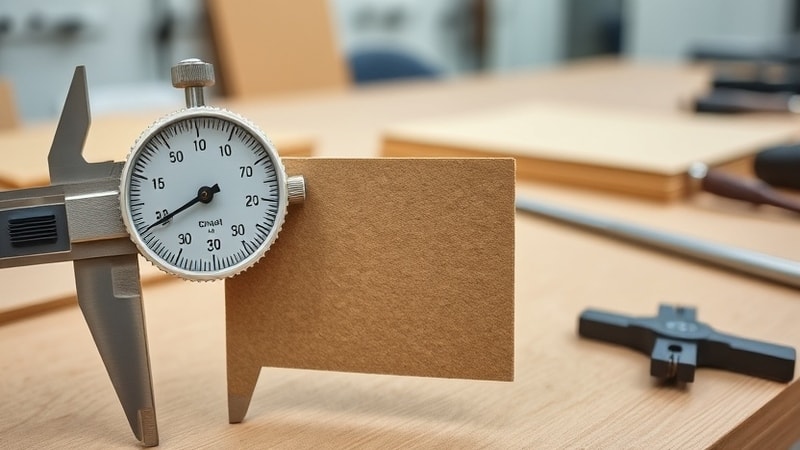
The thickness gauge is specially designed to check the thickness of paper-based materials like cardboard. It has two main parts: the spindle and the anvil. To use it, place the cardboard between these two parts and tighten them until the cardboard is securely held.
Once it’s in place, check the reading displayed on the gauge. This reading tells you the exact thickness of your cardboard. Use this information to decide if the material meets your packaging needs.
Stack and Ruler Method
The stack and ruler method is one of the simplest ways to find out cardboard thickness. All you need is a ruler and a few pieces of cardboard. Stack several pieces of cardboard together and measure the total thickness using the ruler.
Once you have the total measurement, divide it by the number of pieces in the stack. This gives you the thickness of each individual piece. It’s a quick and easy manual method to get accurate results.
Micrometer Screw Gauge
To measure with a micrometer, place the cardboard between the anvil and spindle. Turn the ratchet until the cardboard fits snugly. Once secured, read the thickness on the scale. This method ensures high accuracy for detailed measurements.
Caliper
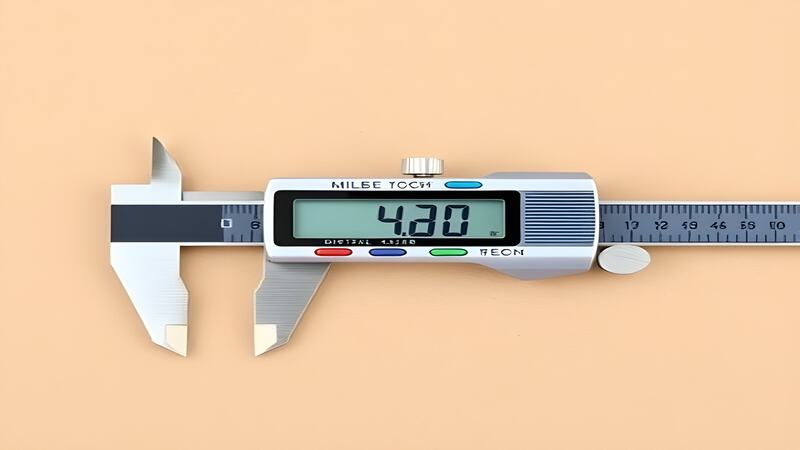
A digital or dial caliper is another reliable tool. Place the cardboard between the jaws of the caliper and gently close them until the cardboard is held firmly. The thickness will be displayed on the caliper’s screen or dial.
Different Types of Cardboard and Their Corrugated Cardboard Thickness Options
Cardboard layers impact its thickness and strength, thus impacting its functionality. It is important to understand the types of cardboard, their layers, and varying thicknesses.
Understanding the Layers
The structural integrity of corrugated cardboard relies on its layered construction. Understanding these layers helps determine its thickness and strength:
The Liners (Outer and Inner): The flat, smooth pieces of paperboard that form the outside and inside surfaces of the board. They provide printability and structural rigidity.
The Fluting (Corrugated Medium): The wavy, arched paper layer glued between the liners. This acts as a protective cushion, resisting crushing and providing excellent shock absorption.
Single-walled cardboard has one layer of fluting, making it lightweight and suitable for lighter items. Double-wall cardboard has two layers of fluting, providing more thickness and better durability for heavy or fragile goods.
Corrugated Flute Types (A, B, C, E, and F): The Ultimate Cheat Sheet
In corrugated cardboard, the thickness of the board is primarily determined by its “flute profile” (the wavy inner layer). Different flutes offer varying degrees of wall thickness, cushioning, and stackability.
As a B2B buyer, knowing your flute types is crucial for specifying your packaging requirements. Refer to our ultimate cardboard thickness guide below for a quick industry-standard cheat sheet on flute sizes:
Flute Profile | Approx. Thickness (mm) | Flutes per Linear Foot | Primary B2B Application |
A‑Flute | ~4.8 mm – 5.0 mm | 33 | Maximum cushioning for fragile items. Excellent stacking strength. |
C‑Flute | ~4.0 mm | 39 | The industry standard for shipping boxes. Balances strength and thickness. |
B‑Flute | ~3.0 mm | 47 | Highly popular for custom e‑commerce mailer boxes, offering excellent crush resistance. |
E‑Flute | ~1.5 mm | 90 | Ideal for retail folding cartons, cosmetic boxes, and high‑quality printed packaging. |
F‑Flute | ~0.8 mm | 125 | Micro‑flute used for premium fast‑food packaging and luxury lightweight boxes. |
Single-Wall Cardboard
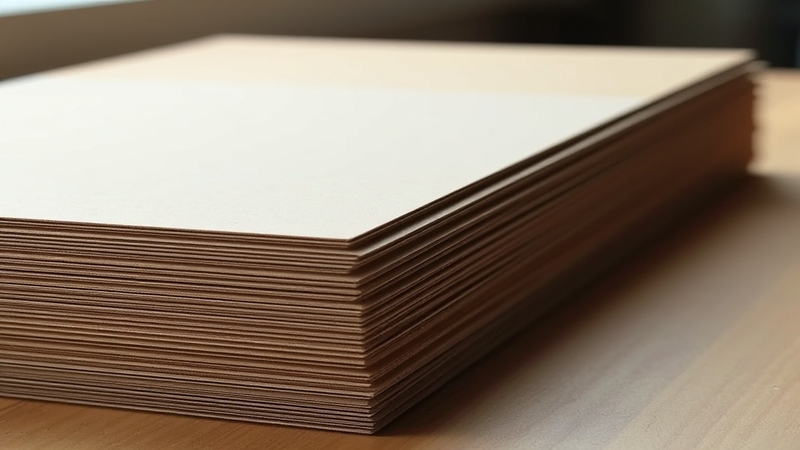
Single-wall cardboard is a lightweight and strong material that consists of a single outer layer made of fluted paper sandwiched between two flat cardboard liners. Understanding the corrugated cardboard thickness and thickness of cardboard helps you select the right board for shipping, storage, or DIY projects. Choosing the correct thickness ensures adequate protection while keeping shipping costs efficient.
Depending on the flute type and size, its thickness typically spans from 1/16 inch to 1/8 inch. The structure is perfect for light-duty boxes used in common shipping and packaging. Single-walled cardboard is a usual choice for shipping or storage of light weight goods such as books, clothing, and smaller electronics.
Double-Wall Cardboard
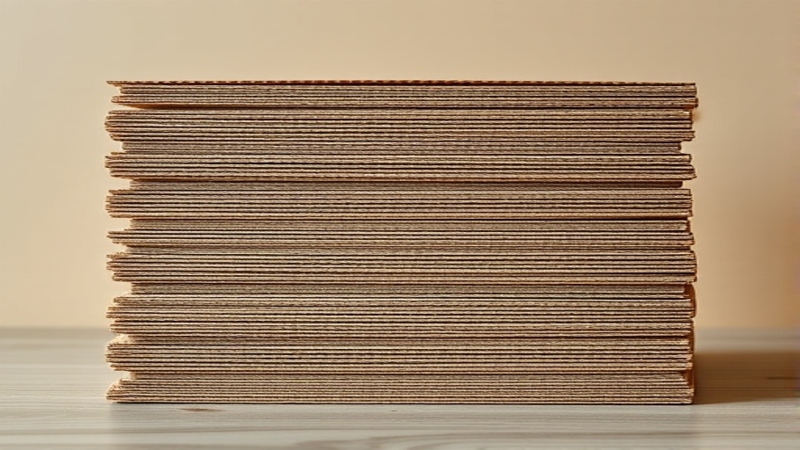
Double-wall cardboard has two layers of fluting and three flat liners for increased strength and durability. The corrugated cardboard thickness typically falls between 1/8 inches and 3/16 inches, meaning that it is a more heavy-duty option for shipping goods. Double-wall cardboard is used to pack delicate or heavier goods like ceramics, glassware, and parts of machinery. It is a go-to option for goods that need extra defense in transit or storage.that need extra defense in transit or storage.
Triple-Wall Cardboard
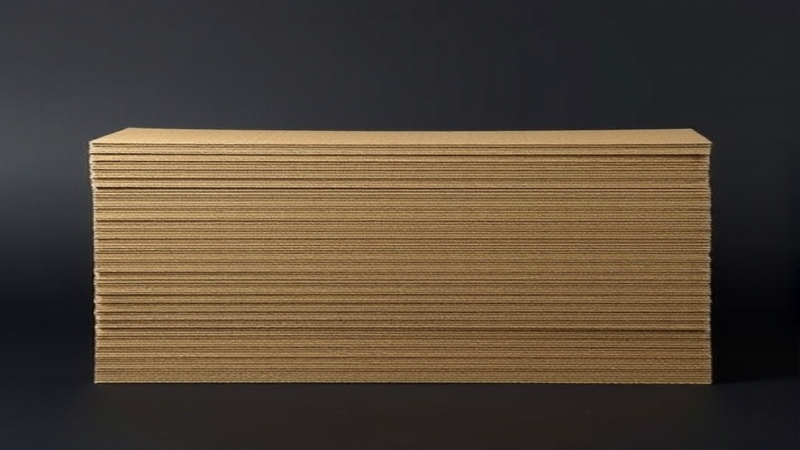
For maximum defense, triple wall boards contain three fluted layers and four flat liners. Usually, this type of corrugated cardboard thickness is more than 3/16 inches thick and has an exceptional capacity to withstand load. It is mainly used for packaging heavy machinery or industrial equipment. It is an excellent option in rough shipping conditions.
Considering the thickness of cardboard ensures your heavy machinery or industrial equipment is safely protected, minimizing risk during storage or shipping.
Corrugated Cardboard vs. Paperboard
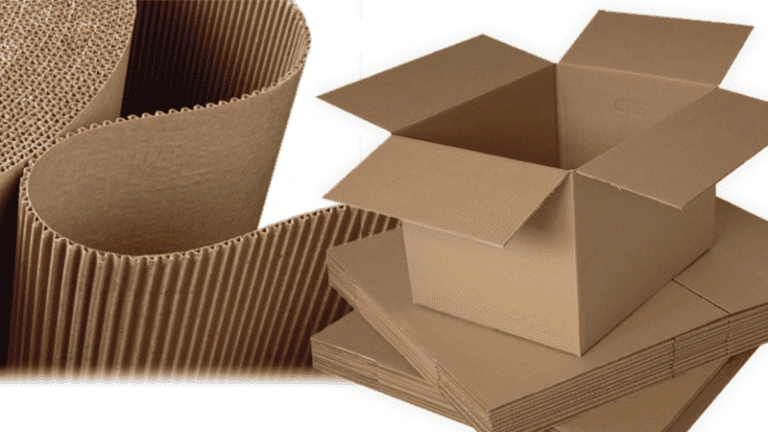
The fluted middle layer in the corrugated cardboard gives it greater cushioning and structural support than single-layer cardboard, making it perfect for shipping boxes. In contrast, paperboard is a single-layer material that is thinner and more pliable. When designing packaging, paperboards are highly favored for retail packaging. It provides an excellent printing surface that is perfect for high resolution printing. Whether you want to showcase a vibrant brand logo or create premium branded packaging, using paperboard for your branded boxes delivers the aesthetic design consumers expect.
After understanding the different types of cardboard, refer to our corrugated cardboard thickness chart to compare single-wall, double-wall, and triple-wall options for your specific application.
Common Cardboard Thicknesses for Different Uses
Packaging Boxes

Sustainable Packaging boxes are usually made from cardboard with 32 ECT (Edge Crush Test) and 44 ECT ratings. These thicknesses are appropriate for use in shipping boxes because they are neither too thin nor too thick. For heavier weight or more sensitive items, you should opt for the cardboard of 200# test or 275# test strength. These are tough options that can take an additional burden during transit and stockpiling.
Cardboard Sheets for Crafts and DIY Projects
Cardboard sheets, which are used to make crafts and small home and DIY tasks, are comparatively thinner and may range from 1/16th inch to 1/8th inch in thickness. These sizes are light, and they can be easily cut, folded, or shaped in any desired way. They are suitable for creating models, decorations, or personalized packaging. Thin cardboard sheets are also ideal for schools or art-inspired projects since they give flexibility and stability.
Storage and Moving Boxes
Double-walled cardboard boxes are the most suitable option for stacked goods or transporting them. They have multiple layers that give the necessary rigidity and shield. These boxes typically have a 44 ECT rating or greater. This added thickness ensures robustness, especially when using it to pack items such as books, dishes, or tools. For lighter content, single-walled boxes with 32 ECT will do the job.
Choosing the Right Cardboard Thickness for Your Application
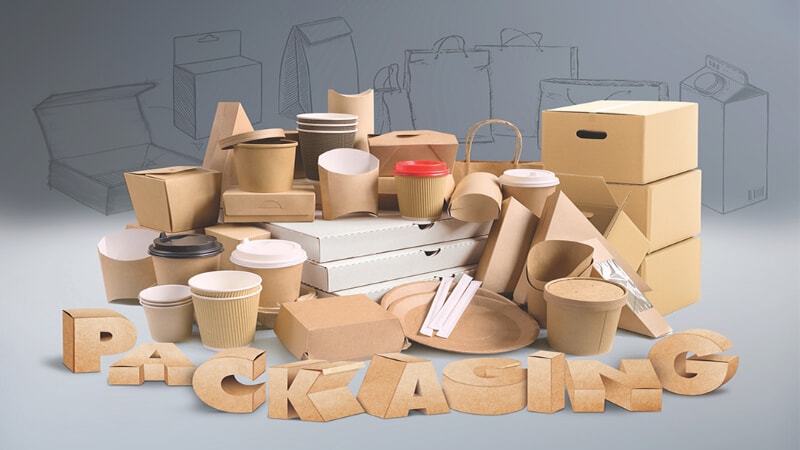
Choosing the right cardboard thickness is critical for ensuring that your products are properly secured, whether for shipping, crafting, or heavy-duty use. The thickness of cardboard is critical in determining its durability, adaptability, and suitability for various applications. Understanding the specific cardboard required for different purposes can assist you in making the best decision for your specific needs.
Here is a detailed breakdown of all packaging solutions depending on industry needs.
Standard Shipping and Retail Cardboard Packaging
For aesthetic product presentation and standard shipping, balancing weight and protection is key.
- Retail Folding Cartons: Thin corrugated sheets (like E-flute or F-flute) or high-quality paperboard are ideal. They display high-resolution custom prints beautifully, perfect for consumer goods like cosmetics, small electronics, or custom gift boxes.
- Standard Shipping: If conditions are standard, single-wall corrugated boxes with a 32 ECT (Edge Crush Test) rating are the industry standard. They provide adequate protection without adding unnecessary dimensional weight to your shipping costs.
- Alternative Light-Duty Uses: It’s worth noting that these extremely lightweight, 1/16th to 1/8th inch single-wall materials are commonly searched for by consumers as cardboard sheets for crafts and DIY projects. However, in the commercial and B2B space, this exact same flexible thin cardboard is what businesses rely on to create structurally sound product inserts, custom dividers, and premium retail folding cartons.

Crafting and DIY Applications
Crafting projects and DIY applications require cardboard that is easy to cut, shape, and manipulate while maintaining structural integrity. Thin corrugated sheets with an F-flute or E-flute provide the versatility required for crafting. Such sheets are lightweight, easy to fold, and ideal for projects like creating custom gift boxes, decorations, or model-building materials.
However, if you want aesthetically pleasing results, then smooth corrugated paper or chipboard can be used on the outer layer. These materials are often used to create custom packaging where appearance matters just as much as functionality.
While these thin sheets are ideal for delicate craft projects, they are not suitable for large-scale DIY projects such as furniture prototypes or home decor items. In such situations, you must opt for double-wall corrugated sheets. Such cupboards are thick and provide the necessary strength for large-scale projects.
Heavy-Duty Applications
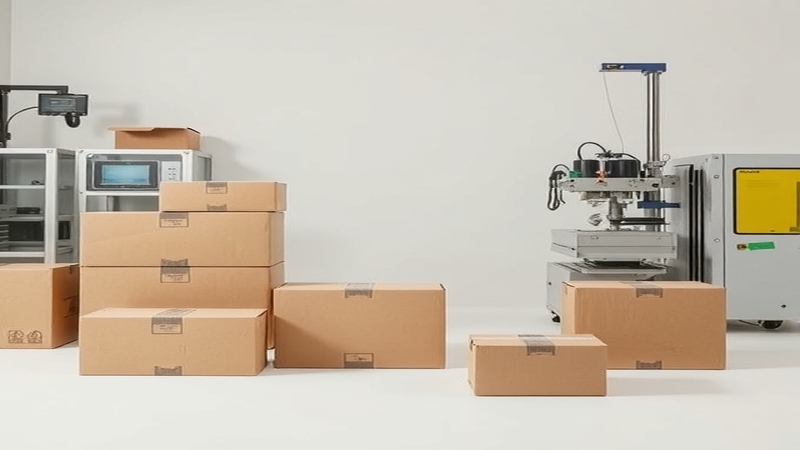
Only thick and durable packaging material can withstand the weight and pressure of heavy-duty applications. The double wall and triple wall corrugated board is designed to support the bulky and extra fragile items. It has additional layers of corrugated paper that provide superior protection against compression. It is ideal for packing appliances, machinery, or industrial components.
If you have a unique product, then you can always opt for a custom corrugated cardboard box designed to meet the dimensions and weight capacity of your product. Such customized packaging is necessary to reduce the risk of damage in heavy-duty applications.
If your product’s shipping condition is environmentally challenging, then you have to opt for weather-resistant corrugated sheets with added coatings or liners. Such options provide extra durability, protecting goods from moisture, temperature fluctuations, and other environmental factors.

Additional Considerations for Choosing Cardboard Thickness
Here are some additional factors to consider when choosing the ideal cardboard thickness for your business.
Cost vs. Performance
Balancing budget limits with performance expectations is crucial. While single-wall corrugated boxes are fine for standard shipments, high-value or heavy commodities should be shipped in double-wall or triple-wall containers for better protection.
Testing and Certifications
Ensure that the cardboard meets industry specifications for weight-bearing capacity, burst strength, and edge crush resistance. These characteristics are especially important for transportation and heavy-duty applications.

Sustainability and Recyclability
Choose recyclable corrugated cardboard boxes or packaging with certifications demonstrating responsible sourcing. These choices help to reduce environmental effects and align with consumer demand for sustainable packaging.
Choosing the correct cardboard thickness and corrugated thickness impacts shipping cost and structural strength, ensuring that your products are protected without unnecessary expense.
Thick Cardboard vs. Thin Cardboard: Pros and Cons
| Feature | Thick Cardboard | Thin Cardboard |
|---|---|---|
| Pros | Stronger and more durable | Lightweight and easy to handle |
| Better protection for fragile items | Cost-effective for low-budget projects | |
| Provides structural support in packaging | Flexible and easy to cut and shape | |
| Can withstand heavy loads | Suitable for temporary uses or light items | |
| Cons | Heavier and bulkier | Less durable, may bend or tear easily |
| More expensive than thin cardboard | Provides less protection for fragile items | |
| Harder to cut and shape | Not ideal for heavy-duty or structural purposes | |
| Ideal Uses | Shipping heavy or fragile items | Packaging for light, non-fragile products |
| Structural support in construction | Temporary uses or disposable packaging | |
| Protection for electronics or delicate goods | Arts and crafts, small box-making |

Frequently Asked Questions About Cardboard Thickness
Q1:What is the standard corrugated cardboard thickness or cardboard thickness for a regular e-commerce shipping box?
Most standard e-commerce boxes use B-flute corrugated cardboard (approx. 1/8″ or 3.2 mm thick). It offers the perfect balance of crush resistance and minimal storage space, making it the go-to standard for lightweight, non-fragile products.
Q2:Does choosing a thicker cardboard increase my shipping costs?
Yes. Thicker cardboard increases both the physical weight and the outer dimensions of your boxes. This added bulk can push your packages into a higher dimensional (DIM) weight pricing tier, raising your overall shipping fees.
Q3:How does cardboard thickness affect printing quality?
Thinner paperboards provide a perfectly smooth surface ideal for high-resolution printing. Thicker corrugated boards, however, have inner ridges that can cause visible “fluting lines” and slightly distort designs. For vibrant artwork on thick boxes, combining a printed litho-label with the sturdy corrugated base is highly recommended.
Q4:How can I test if a specific cardboard thickness will protect my product?
The safest approach is testing a physical prototype. Our packaging experts can evaluate your item’s weight, fragility, and transit journey to engineer the perfect custom fit. Contact our team to request a free material sample kit and test its durability firsthand before pacing a bulk order.
Conclusion
The thickness of cardboard matters in packaging design. Choosing the right one can protect your products during transit, preventing damage. There are several ways to measure cardboard thickness, and selecting the right one is key.
For the best packaging results, consider seeking help from an experienced and reputable company. They can assist in picking the perfect packaging for your brand, ensuring your customers are happy with their purchase.
Working with a Packaging Professional
While this cardboard thickness guide gives you a solid foundation, consulting a professional ensures your products stay safe. Our team has deep knowledge and can help you choose the best packaging for your brand. Contact us to share your ideas so Packoi can help you create the best packaging solutions.