Box sleeve packaging offers a stylish and affordable method to upgrade your product presentation. Whether you use simple belly bands or custom die-cut sleeves, there is a design for every product.
This guide explores eight popular box sleeve types, their benefits, and practical design tips to boost your branding and make your packaging stand out.
What is a Box Sleeve?(A Quick Introduction)
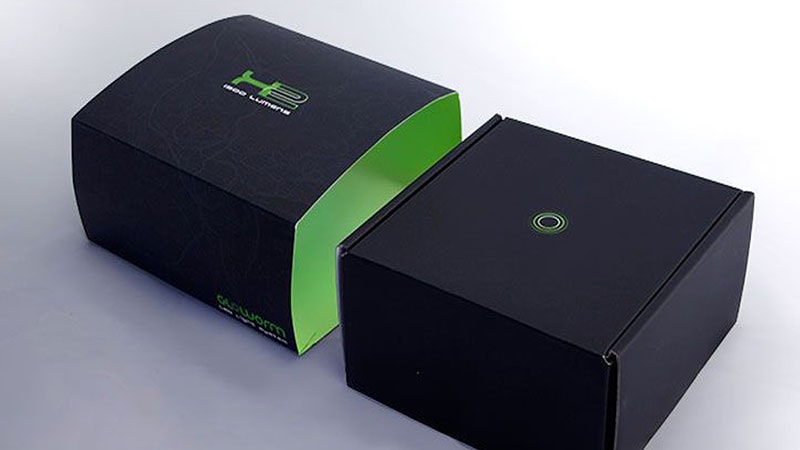
A box sleeve, sometimes called a sliding box, is a packaging cover that wraps around your existing box. It’s a cost-effective and unique way to customize your packaging design without a big budget.
Sleeves that cover the entire package are called sleeve boxes. Sleeves that only cover the middle section are called belly bands.Their biggest benefit is adding a custom look to a generic box. Imagine taking a standard brown cardboard box and adding a branded cardboard sleeve on top. Some sleeves also act as a protective layer, keeping luxury packaging safe during shipping.
Most packaging sleeves are made from a thin cardboard sheet glued into a tube-like shape. You can also find them made from paper, plastic, or even fabric.
Why Choose Box Sleeves? The Smart Business Case vs. Full Printed Boxes
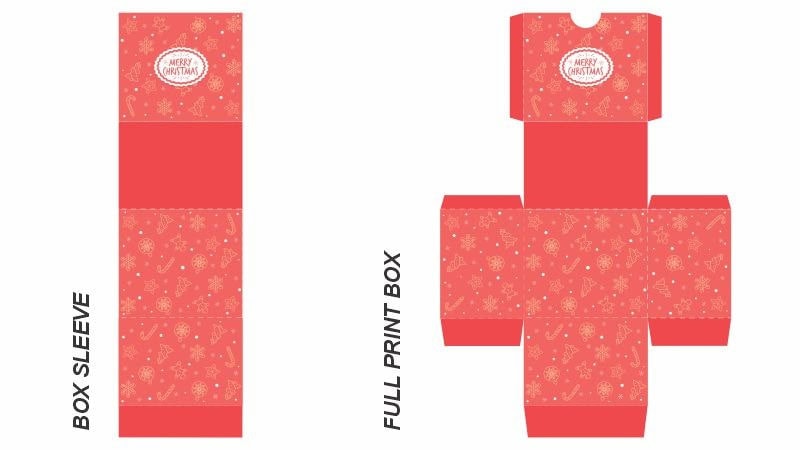
For small businesses, choosing the right packaging is a big decision. Here’s why box sleeve packaging is often a more practical choice than fully custom-printed boxes.
Significant Cost Savings
Full box designs are expensive. The cost of materials, printing, and assembly is much higher than for a simple sleeve. Packaging mistakes are also harder to fix with full print boxes. Sleeves use less material and are simpler to produce, which significantly lowers the price per unit. This makes professional-looking branding accessible even on a tight budget.
Unmatched Flexibility for Promotions & Small Batches
Complex packaging designs often have a high minimum order quantity (MOQ). This means you have to order thousands of units. For small businesses, this isn’t always feasible. Sleeves lower this barrier. You can order smaller quantities for seasonal promotions, limited editions, or product testing without a large investment. This gives you more control over your brand and inventory.
Enhanced Brand Versatility & Speed to Market
Boxes have limits. Not all products fit a standard box. With sleeves, you can use one standard box for multiple products and simply change the sleeve for each one. This is perfect for differentiating product variations (like scents or flavors) quickly. You can adapt a sleeve design to almost any product type, getting your items to market faster. A good practice is to use generic boxes for durability and sleeves for customization.
At a Glance: Feature Comparison Table (Sleeves vs. Full Boxes)
| Features | Custom Sleeve Boxes | Full Print Boxes |
|---|---|---|
| Design | Wraps around the container box | Box container for products |
| Branding Impact | Conveys Simplicity | Conveys Luxury |
| Production Time | Short | Long |
| Customization | Limited | Extensive |
| Requirements | Needs a Base Packaging | None |
| Material Use | Minimal | High |
| Storage Size | Compact | Bulky |
| Eco-Friendliness | High | Moderate |
| Best Application | Seasonal & Promotional Packaging | New Products & Luxury Goods |
| Cost | Low | High |
Which Sleeve Style is Right for Your Product? (8 Types Explained)
Sleeves are a flexible way to add branding to an otherwise plain product. Here are the most popular types of packaging sleeves to help you decide.
| Sleeve Type | Cost | Application | Key Benefit | Drawback |
|---|---|---|---|---|
| Plain Sleeve Boxes | Low to Medium | Standard Boxes Packaging | Affordable, Easy to Print & Good Customization | Limited Protection |
| Half Sleeve Boxes | Very Low | Promotional or Budget Packaging | Cost-Efficient, Minimal Material Use & Versatile | Less Branding Space |
| Die-Cut Sleeve Boxes | Medium to High | Unique Product Packaging | Stand Out Design Compatible with Irregular Items | Higher Production Cost |
| Tray & Sleeve Boxes | High | Premium Product Packaging | Strong Box Structure with Elegant Unboxing | Expensive and Long Lead Times |
| Window Cut-Sleeves | Medium | Product Display Packaging | Product Visibility & Stylish Design | Higher Assembly Cost |
| Flexible Sleeves | Low | Food Containers & Irregular Boxes | Fits Various Shapes and is Tamper-Evident | Less Durable |
| Adhesive Sleeves | Very Low | Packaging Bottles & Cans | Easy Branding, Fits Various Shapes, and is Tamper-Evident | Non-Removable |
| Peel & Seal Sleeves | Low | Flexible Wraps for Irregular Containers | Convenient Packaging & Sealing | Limited Applications |
Now, let’s dive into the types of box packaging sleeves to decide which one fits your product
1. Plain Printed Sleeves: Best for Standard Branding
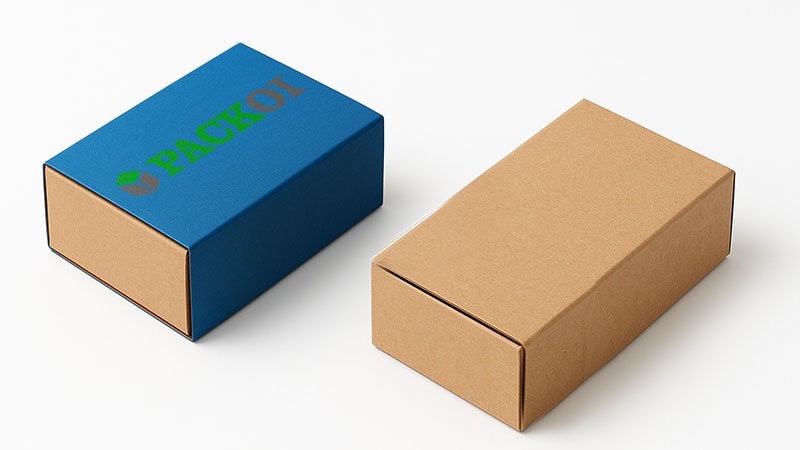
Box sleeves are made from thin cardstock with custom designs printed on the outside. This is your standard box sleeve design. These sleeves are printed as flat rectangles and later joined at the edges to form a square tube.
The rectangular sleeve design is easier to print and cut than complex, full-printed boxes. All of these result in a significantly lower price per unit. Box sleeves are the most effective way to add branding, company logos, artwork, and colors to your packaging.
You can customize box sleeves to your heart’s content. Popular finishes include matte textured paper, gloss printed cardboard, and embossed text. Many brands produce limited edition packaging sleeves for electronics with unique artwork and colors.
2. Belly Bands (Half Sleeves): Best for a Minimalist Look & Cost-Efficiency
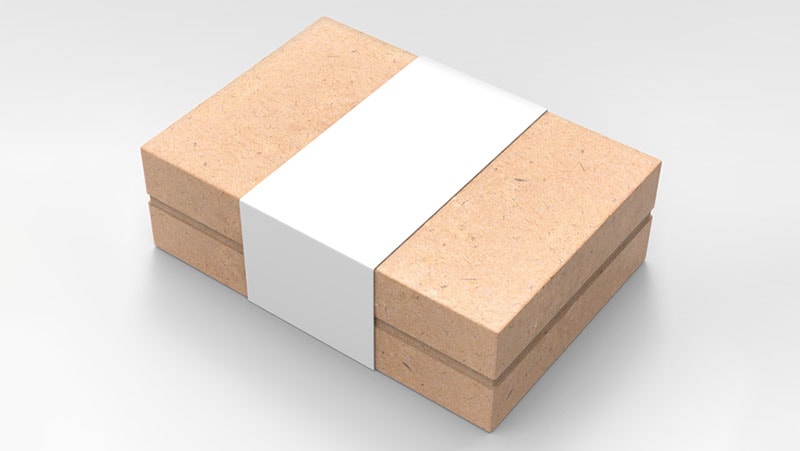
Half box sleeves are smaller bands that generally cover the center (belly) of the packaging box. Hence, they are commonly called belly bands. This packaging design further increases the cost-efficiency of box sleeves. Now you require less material to cover your boxes.
Regular sleeve boxes have one goal: to fully cover the base packaging with an attractive cover. However, half sleeves serve several functions.
- Works as a cost-effective packaging sleeve.
- It can be used as a tamper-evident seal on a box.
- Useful for promoting discounts & bundles.
- Sleeves for containers with irregular shapes and sizes.
When used correctly, the belly band can elevate normal-looking packaging to a premium status.
3. Die-Cut Sleeves: Best for Unique Shapes & Brand Personality
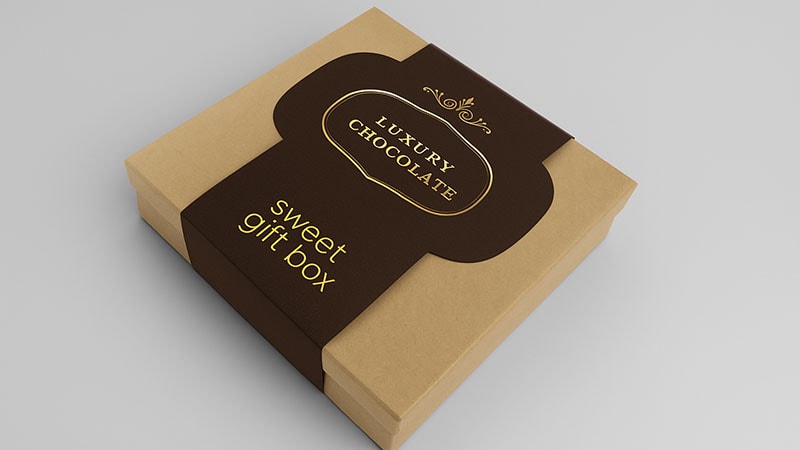
Some packaging sleeves use a non-rectangular design. These packaging sleeves have irregular edge designs, and some have cutouts in the middle to facilitate the base packaging. Naturally, these changes make die-cut packaging sleeves more expensive.
Die-cut sleeves have custom dimensions that require specialized cutting tools. These are used for covering non-standard packaging, like jars, bottles, trays, and bundled items. Some brands also use it to differentiate themselves from the competition.
4. Tray and Sleeve Boxes: Best for a Premium Unboxing Experience
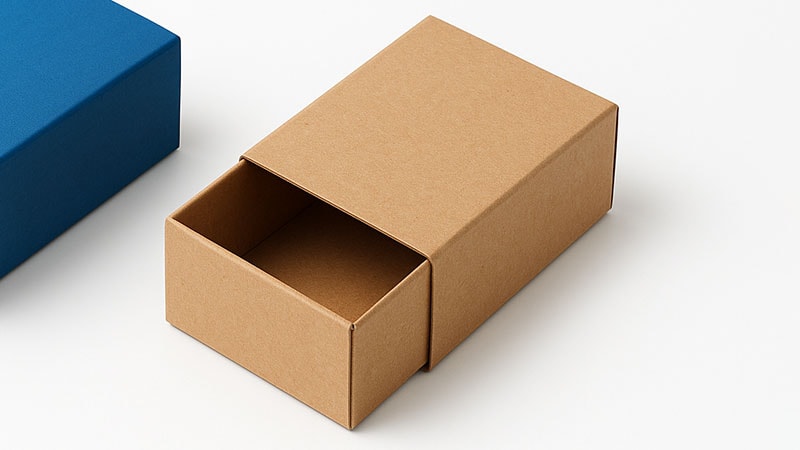
Tray and sleeve boxes combine the base packaging with a box sleeve design for a drawer-like packaging design. An open cardboard box acts as the container for your products, and the sleeve acts like a cover.
The most common example of a tray and sleeve box design is the humble slide-out matchbox. However, many brands employ tray and sleeve boxes to ensure a premium unboxing experience for the customer. Usually, a cloth tab is added to the tray to make the design more ergonomic.
5. Window Cut-Out Sleeves: Best for Product Visibility
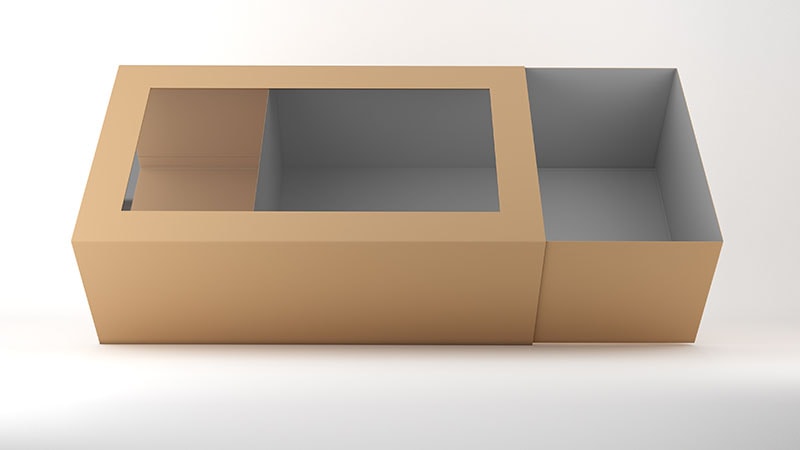
Window cut-out sleeves are a combination of die-cut and tray sleeves. It uses a tray base and a sleeve with a die-cut hole in the middle that acts as a window. Optionally, you can use a clear plastic layer for better protection.
If belly bands are the most versatile sleeve option, windowed sleeves come in a close second. They give customers a preview of the packaging content without the need to unbox.
Windowed packaging boxes are a popular option for food items like chocolates and pastries. The garment industry also creatively uses window sleeves for product previews. This custom packaging is often used for bundles of ties, underwear, scarves, etc. So, customers can check the fabric material before making a purchase.
As far as custom sleeve boxes are concerned, you can never go wrong with a window design.
6. Flexible Sleeves: Best for Irregular Containers & Food Items
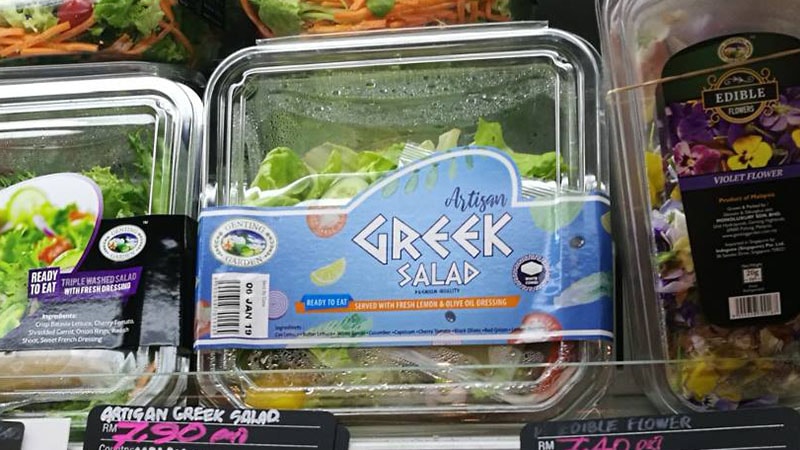
Regular sleeve boxes are made from cardstock, which has a rigid structure. They will only fit square boxes of a certain size. However, you can also get sleeves made from plastic or paper, which are more flexible.
These sleeves are generally used for clear food containers like salad boxes. Salad boxes come in varying sizes, and the bottom is usually smaller than the top, which has a lid. So, a flexible sleeve enables easy custom packaging and creates a tamper-evident security seal.
7. Adhesive Sleeves: Best for Bottles & Cans
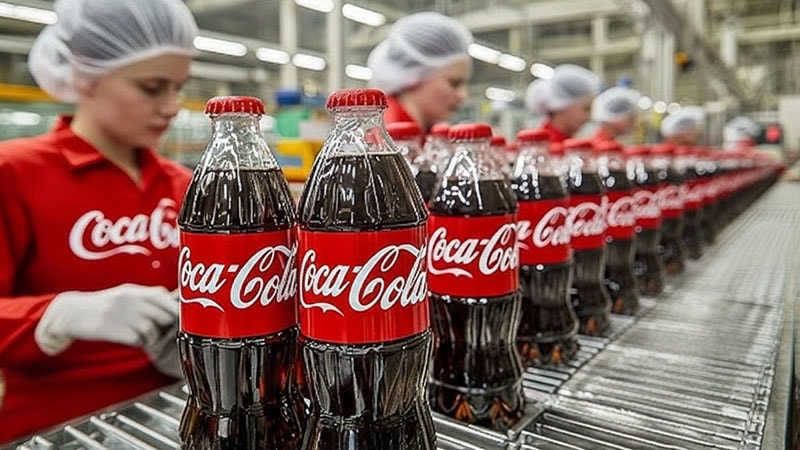
As the name suggests, these flexible sleeves are attached to the product packaging using adhesives (glue). The most common example of adhesive packaging sleeve design is the water and soda bottles.
Printing on clear PET bottles is expensive and hinders their recycling. So a thin, flexible style sleeve showcasing brand image and product nutritional details is the easiest way to customize the packaging.
Unlike other packaging sleeve designs, this is a non-removable sleeve. While you can use adhesive sleeves to make custom boxes, their best application is branding bottles.
8. Peel and Seal Sleeves: Best for Secure & Quick Sealing
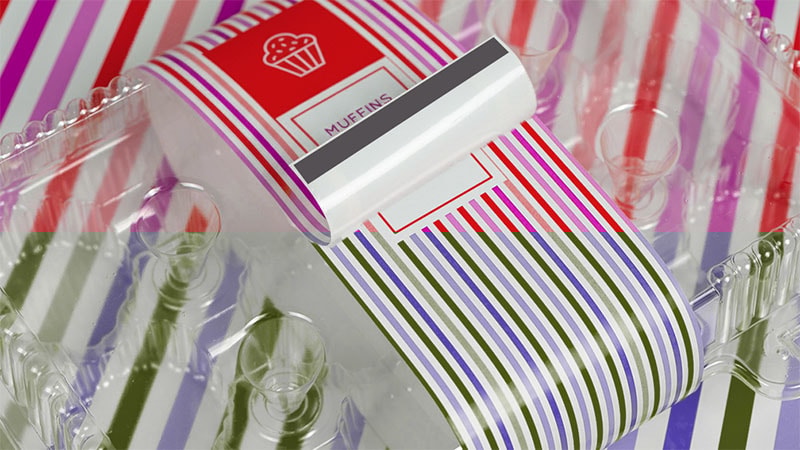
Peel and seal refers to a specific type of packaging mechanism that uses an adhesive strip design. A narrow or wide double-sided tape is applied to the opening, with the other side left untouched.
When the company packages its product, it can remove the protective film from the tape and seal the package shut. Peel and seal sleeves aren’t glued to the package. The double-sided tape connects the overlaps where the two sides of the packaging paper meet.
Real-World Inspiration: How Brands Win with Packaging Sleeves
Seeing how other businesses use sleeves can spark ideas. Here are a few examples:
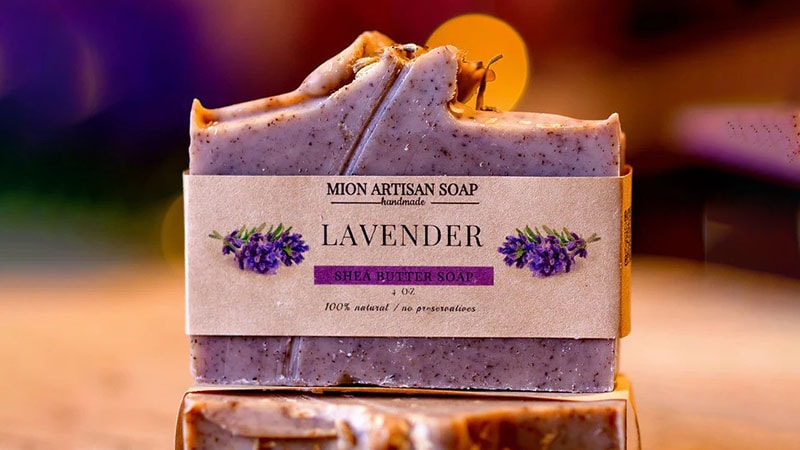
- Artisan Soaps: A small soap company uses a simple kraft paper belly band. It covers just enough to display the brand name and ingredients while leaving the beautiful, textured soap visible. It’s eco-friendly, affordable, and lets the product speak for itself.
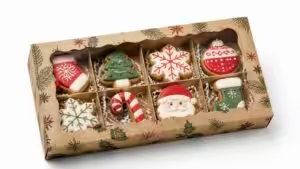
- Gourmet Cookies: A local bakery sells boxes of cookies. For holidays, they create limited-edition packaging sleeves with festive designs. They use the same standard white box all year, but the custom sleeve makes the product feel special and seasonal without the cost of printing entirely new boxes.
- Small Electronics: A startup selling wireless earbuds uses a sleek, matte black sleeve over a sturdy plain box. The sleeve features a high-quality product photo and key features. This gives a premium feel and communicates essential information right at the point of sale.
| Features | Custom Sleeve Boxes | Full Print Boxes |
|---|---|---|
| Design | Wraps around the container box | Box container for products |
| Branding Impact | Conveys Simplicity | Conveys Luxury |
| Production Time | Short | Long |
| Customization | Limited | Extensive |
| Requirements | Needs a Base Packaging | None |
| Material Use | Minimal | High |
| Storage Size | Compact | Bulky |
| Eco-Friendliness | High | Moderate |
| Best Application | Seasonal & Promotional Packaging | New Products & Luxury Goods |
| Cost | Low | High |
3 Reasons to Choose Box Sleeves over Custom Packaging
Box sleeves are an incredibly efficient branding and packaging tool. Here are three reasons why box sleeves are a better option for your business.
1. Versatile Packaging
Boxes are limited. Not all products are suited to a traditional box shape. Heavy products need thicker cardboard, liquids need leakproof glass/plastic, and budget items need something more cost-effective.
Packaging sleeves accomplish all this and more. You can adapt a sleeve design to almost every type of product.
2. Flexible Procurement Options
Complex packaging designs have a minimum order quantity (MOQ). Meaning you have to order tens of thousands of packages to make the order profitable for the manufacturer. While this is not a problem for big corporations, small businesses can’t meet such strict criteria.
It also prevents businesses from trying out new packaging ideas. Sleeves lower the barrier for effective and impactful packaging, giving business owners more control over their brand.
3. Cost Effectiveness
Box designs are expensive. The cost of materials, printing, and assembly is much higher than that of simple packaging sleeves. Packaging mistakes are also harder to resolve when dealing with full print boxes.
A good branding practice is to use generic boxes for durability and sleeves for customization. After your business grows and sales increase, you can switch to fully custom-printed packaging.
A Practical Guide to Designing Your Custom Sleeve
A great design helps you boost your brand identity. Here’s a simple, four-step guide to creating your custom box sleeve.
Step 1: Choosing the Right Materials & Finishes
The material you choose sets the tone. Kraft paper gives a natural, rustic feel. White cardstock is a clean canvas for bright, bold colors. After choosing the paper, consider a finish. A matte finish looks modern and subtle, a gloss finish makes colors pop, and a special varnish finish can add a touch of luxury. You can even add embossed text for a tactile effect.
Step 2: 5 Key Design Principles for Impactful Branding
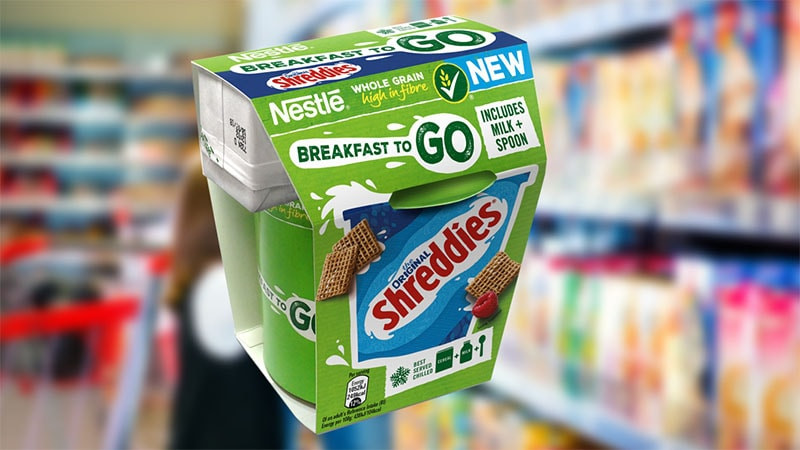
1. Match the Sleeve to Your Product: Luxury items deserve premium sleeves. Fresh products benefit from see-through window sleeves. Eco-friendly products are best paired with paper-based sleeves.
2. Balance Colors and Readability: Use a color wheel to find combinations that make your text easy to read. Your logo, product name, and key details should stand out from the background.
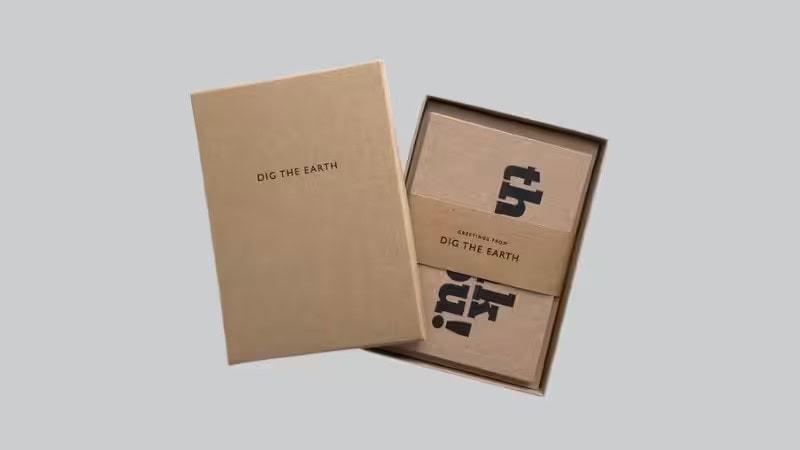
3. Choose a Minimal or Bold Design: Sometimes, the minimalist packaging has a bigger impact. For luxury goods, focus on high-quality materials over busy designs. For health products, use the space to clearly list nutrition facts and ingredients.
4. Advertise Your Services: Use the sleeve to tell customers about other products, promotions, or your brand’s sustainability efforts. Make it a complete package of style and information.
5.Use High-Quality Artwork: Your design files should be in the right format. While PDFs are common, design formats like AI or PSD retain more detail for sharper printing.
Step 3: How to Measure Your Box for a Perfect Fit
An incorrect measurement can ruin your entire order. Follow these simple steps for a perfect fit:
- Place your product box on a flat surface.
- Measure the Width (W) of the box.
- Measure the Height (H) of the box.
- Calculate the sleeve’s flat width: (Width + Height) x 2 + 1 inch (for a glue flap).
- Measure the Depth (D) of the box. This will be the height of your flat sleeve.
Always confirm dimensions with your printing company before placing an order.
Step 4: Preparing Your Artwork File for Flawless Printing
To ensure your design prints perfectly, ask your packaging supplier for a dieline template. This template will show you where to place your graphics and indicate fold lines and bleed areas. “Bleed” is an extra margin of your design that extends beyond the cut lines, preventing white edges after trimming. Always use high-resolution images (300 DPI is standard) to avoid a blurry or pixelated result.
Frequently Asked Questions About Box Sleeve Packaging
Q1: What is the standard size of a box sleeve?
There is no standard box sleeve size. Sleeve size depends on your packaging box size.
Q2: Are box sleeves eco-friendly?
Yes, box sleeves are incredibly eco-friendly. They use less material and ink than full box prints.
Q3: Can I print custom designs on both sides of a box sleeve?
Yes, but there is no benefit to printing on the inside as it isn’t seen by the customer.
Q4: What’s the difference between a sleeve and a belly band?
A sleeve covers the entire packaging box, whereas a belly band covers a small area in the middle.
Q5: How much do custom box sleeves cost compared to full boxes?
Price varies based on print quality and finish. Box sleeves generally cost less than half the price of a full box.
Conclusion
Selecting the right box sleeve for your product is no easy task. The right combination of primary packaging and sleeve design can make or break a brand. We recommend that small businesses start with sleeves and slowly move up to full custom boxes. Remember, an effective packaging strategy is more valuable than premium materials.
Get Custom Boxes & Sleeves from Packoi!
Packoi is a leading manufacturer and supplier of custom packaging and print materials. We specialize in high-quality product boxes, gift bags, and packaging sleeves. All our products are 100% customizable with flexible MOQ options.
We also offer in-house packaging design services and technical support. For quotes and queries, contact us now!