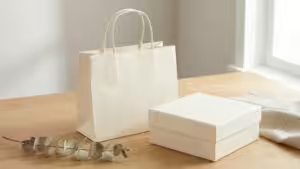
Going green means reducing your environmental impact by moving away from harmful plastic packaging. Making the switch to sustainable packaging materials is a vital step for our planet’s health.
If you are unsure how to start, this guide is for you. We will explore different eco-friendly packaging solutions for your business. You will also learn how to choose the best green materials for your specific needs. Read on to learn how to utilize these sustainable options today.
1. Recycled Paper Packaging
Your search for long-lasting and biodegradable packaging material will come to an end when you use recycled paper packaging. These eco-friendly packaging ideas are made from post-consumer waste—paper that has been used and discarded by consumers, businesses, and institutions, which would otherwise end up in landfills.
The recycled paper does the following:
- Reduces environmental pollution
- Conserves energy
According to the Environmental Protection Agency (EPA), recycling one ton of paper saves enough energy to power the average home for six months, conserves approximately 7,000 gallons of water, and prevents the emission of 60 pounds of pollution into the atmosphere.
Also, it takes more energy and water to produce virgin paper—paper that is made from compostable poly mailers that have never been cut before—than it does to produce recycled paper.
2. Corrugated Cardboard

As a business owner, you want to do what’s right for the environment. You are aware that using sustainable packaging solutions is crucial for both your customers and the planet. But you might not realize that something as simple as switching to corrugated packaging can make a big difference.
Corrugated recycled cardboard boxes are made from biodegradable packaging materials, making them a renewable resource.
However, plastic and bubble wrap are made from fossil fuels, which are non-renewable and harm the environment.
Moreover, it can take hundreds of years for plastic packaging and bubble wrap to decompose in landfills, whereas corrugated cardboard boxes are sustainable packaging options that can be recycled up to seven times.
Here’s why corrugated cardboard is an eco-friendly packaging choice:
- Made from recycled paper, a renewable resource
- Fully biodegradable and can be recycled up to 7x
- Paper production emits far less carbon dioxide than plastic
Because corrugated recycled cardboard boxes are recycled, they cost less to produce than plastic, and you won’t have to pay disposal fees when you’re finished with them.
3. Paperboard
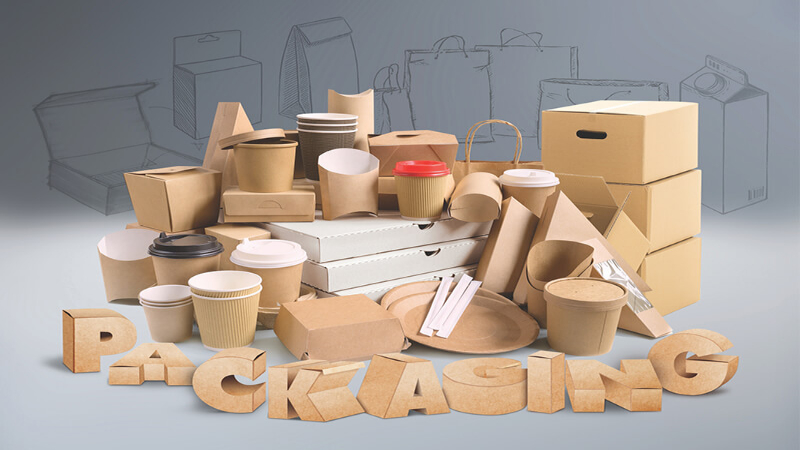
Paperboard is a thick, paper-based material made from renewable wood fibers. It is a versatile packaging option that businesses can easily cut and fold into various shapes. This material is a sustainable alternative to traditional plastic because it comes from wood pulp.
You should use paperboard because:
- It comes from sustainable wood fibers.
- The material is both recyclable and compostable.
- It has a much lower carbon footprint than other options.
- This material is cost-effective and saves your business money.
- It protects your products without compromising on quality.
- It provides a green solution that does not burden the earth.
4. Compostable Materials
Your business can reduce waste by choosing the right compostable materials. These options ensure your packaging actually breaks down instead of sitting in a landfill.
Bio-based Compostable Plastics
These materials, like PLA, look and feel just like standard plastic. Manufacturers make them from cornstarch, potato starch, or sugarcane. They will fully break down within months in an industrial composting site. They work best for cold drink cups, food container liners, and clear wrapping films.
Innovative Bio-materials
New eco-friendly materials use seaweed, mushrooms, or farm waste. These materials often have a unique, natural texture that customers enjoy. Many of these items support home composting because they do not need high heat to vanish. They are perfect for shipping buffers and high-end gift packaging.
Tin Boxes packaging
Tin boxes, also known as tin cans, are containers made of tin, a metallic element. It is commonly used for packaging food, drinks, and other products due to its ability to form a durable coating when exposed to air. Tin boxes are often lined with an additional layer of plastic or paper to provide additional protection and insulation.
5. Tin Boxes packaging
Tin boxes, also known as tin cans, are containers made of tin, a metallic element. It is commonly used for packaging food, drinks, and other products due to its ability to form a durable coating when exposed to air. Tin boxes are often lined with an additional layer of plastic or paper to provide additional protection and insulation.
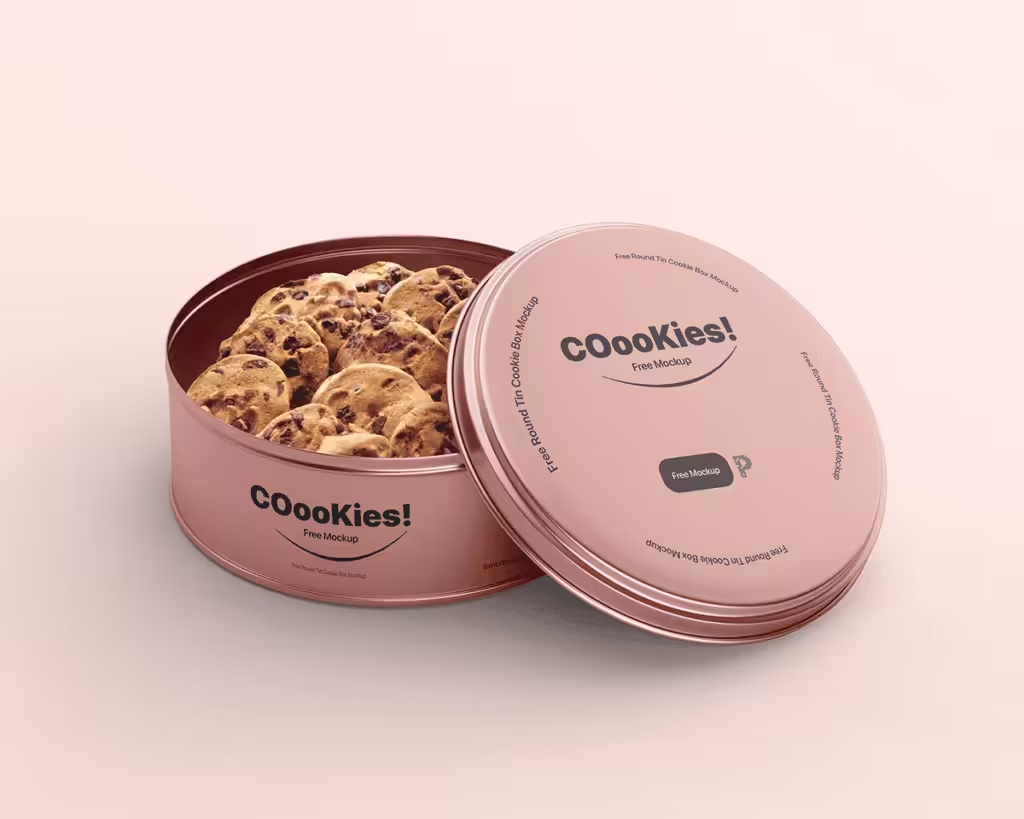
Some key advantages of tin box packaging include its durability, reusability, and recyclability. They can be used multiple times before needing to be replaced, which reduces waste and saves money. Additionally, many tin boxes are designed to be easily stacked, making them more efficient to transport and store.
However, it’s essential to note that while tin box packaging has numerous advantages, it also has some potential disadvantages, including a higher initial cost compared to other types of packaging and the risk of rust or corrosion over time. These considerations should be taken into account when evaluating tin boxes as a packaging option.
6. Hemp and Bamboo Packaging
Hemp is a durable and sturdy plant fiber that businesses use to make everything from clothing to paper to, as you might guess, packaging. Hemp is also 100% biodegradable, meaning it won’t add to the growing problem of plastic pollution.
Bamboo is another plant that can be used for sustainable packaging. Bamboo is one of the fastest-growing plants in the world, and it’s also naturally antimicrobial. Therefore, it won’t harbor bacteria the way some other materials can, making it a safer choice for food packaging.
Hemp and bamboo are two newly hyped product packaging materials because:
- Hemp grows without the need for pesticides or herbicides, making it a very clean material choice.
- Both plants absorb high amounts of carbon dioxide while growing, which helps reduce your brand’s carbon footprint.
- These materials provide a unique, premium texture that helps your brand stand out to eco-conscious shoppers.
- Hemp fibers are incredibly strong, providing extra protection for heavy or fragile items during shipping.
- Bamboo reaches maturity in just a few years, ensuring a steady and fast supply of raw materials.
7. Glass Jars and Bottles
Why choose Glass Jars and Bottles for your packaging? Unlike plastic, glass protects natural resources. It is one of the most recyclable materials you can use. You can reuse it forever without creating extra waste.
Here is why glass is a wise choice:
- Glass uses all-natural, sustainable ingredients like sand and limestone.
- You can recycle glass endlessly without losing any quality.
- Glass is very durable, making it a strong choice for shipping.
- Glass is non-porous, so it never soaks up smells or flavors.
- It keeps your products fresh and high-quality for your customers.
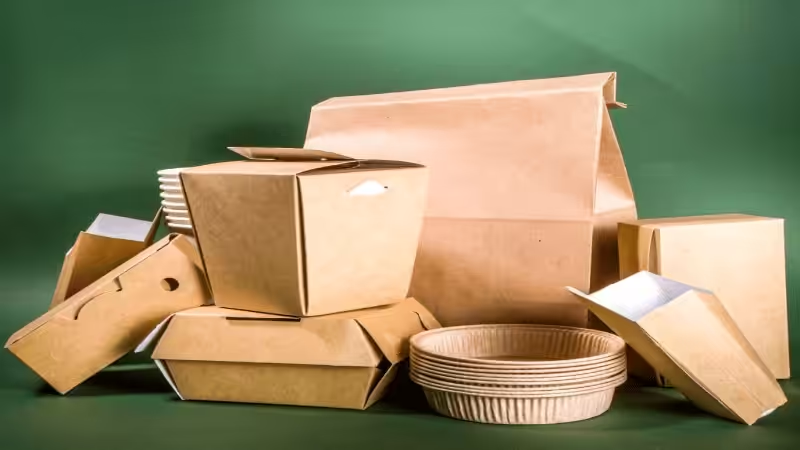
8. Kraft Packaging Paper
Kraft packaging paper is a type of paper specifically designed for use in packaging applications. It is made from fibers derived from wood pulp and possesses excellent properties, including good strength, durability, and appearance.
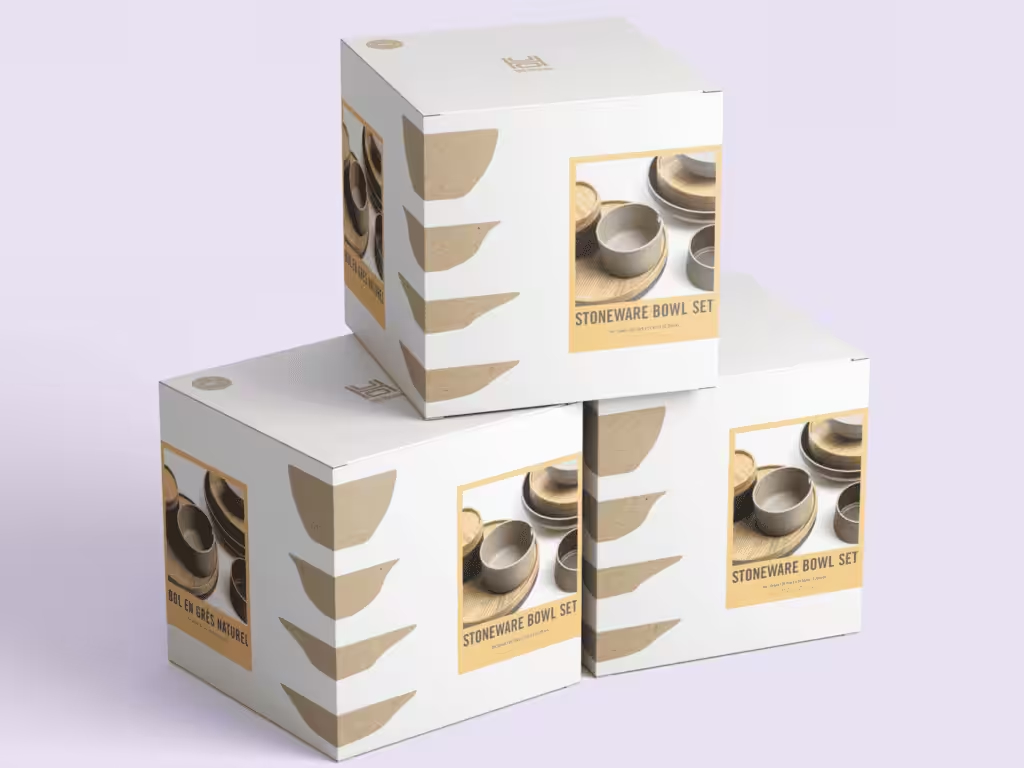
Here are some of the benefits of using Kraft packaging paper for packaging:
- Strength: Kraft paper box is very strong and durable, which makes it suitable for a variety of packaging applications, such as boxes, envelopes, and wrapping paper.
- Appearance: Kraft paper has an attractive appearance, with a dull surface that is suitable for printing.
- Versatility: Kraft paper boxes can be used for a variety of packaging applications and are suitable for both light-weight and heavy-weight packages.
- Cost-effective: Kraft paper boxes are often less expensive than other types of packaging materials, which can save businesses money on packaging costs.
9. Post-Consumer Recycled Content
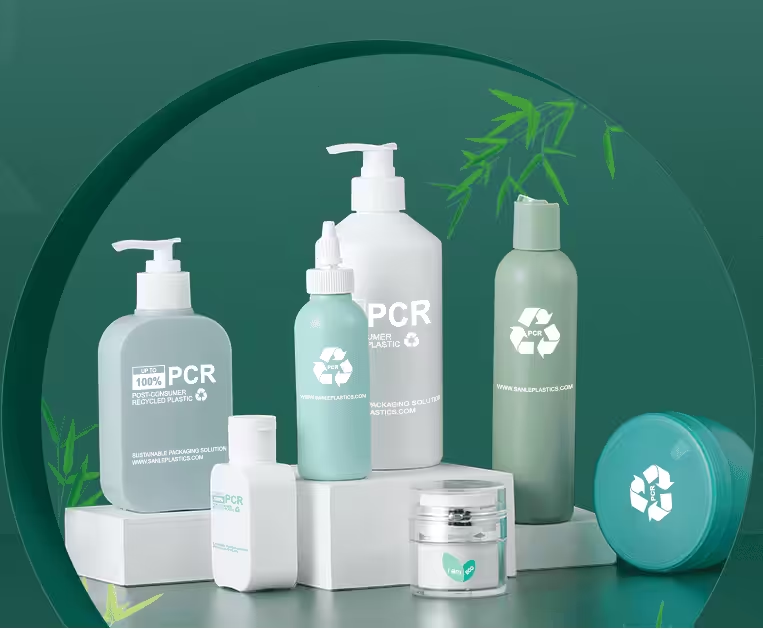
Post-Consumer Recycled (PCR) content comes from materials that people have already used and recycled. Using PCR helps close the loop on plastic waste and gives a second life to items that would otherwise sit in landfills. It also saves your business money and energy compared to using new plastic.
You can choose from these three common types of recycled plastic for your packaging:
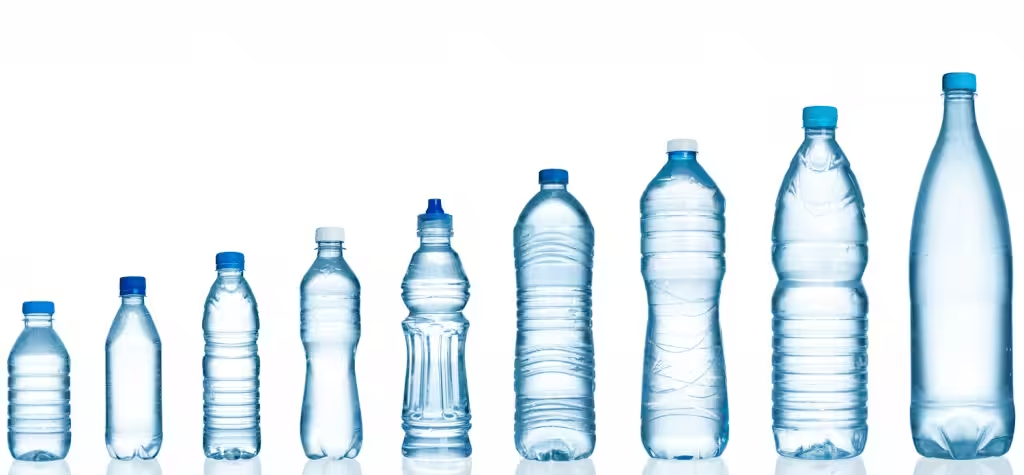
Recycled Polyethylene Terephthalate (rPET)
rPET is the most popular choice for food and drink packaging. It is strong and lightweight, which helps lower your shipping costs. Because this material is clear, it is the best option when you want customers to see your product inside the container.
Recycled High-Density Polyethylene (rHDPE)
rHDPE is a tough and rigid plastic often used for bottles and jugs. Its main benefit is its chemical resistance, making it perfect for household cleaners or shampoos. It is opaque, which provides a solid barrier to protect your goods from light damage.
Recycled Low-Density Polyethylene (rLDPE)
rLDPE is a soft and flexible material. It is the best choice for stand-up pouches and cushioning that needs to bend or stretch. This material provides extra padding, which keeps fragile items safe during delivery without adding bulk.
10. Mushroom Packaging
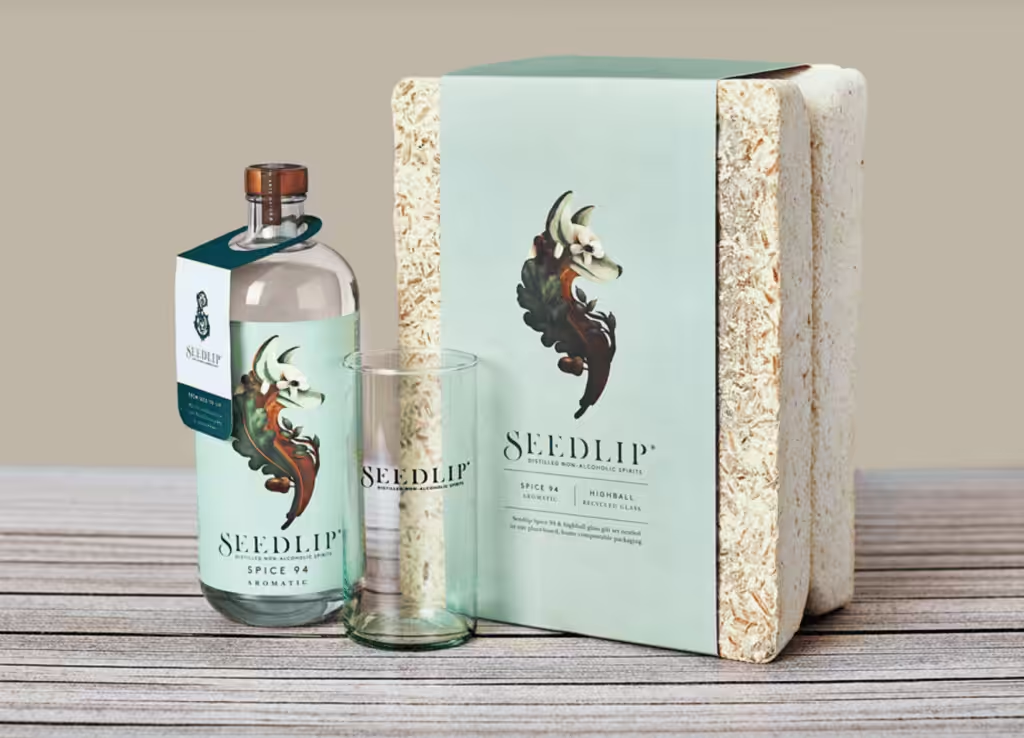
Mushroom packaging is a sustainable and environmentally friendly method for packaging products. It is made from by-products of the mushroom industry, such as the stems, caps, and spent mushroom substrate.
Home Compostability
The biggest strength of this material is that it is fully biodegradable. Unlike plastic, it naturally breaks down and returns nutrients to the soil without any chemical help. This allows your customers to easily compost the packaging in their own gardens.
Natural Shock Absorption
Mushroom packaging acts as a renewable cushion for fragile goods. It is naturally fire-resistant and highly durable, making it a great alternative to synthetic foams. This gives your products heavy-duty protection while keeping your brand’s carbon footprint low.
3 Tips for Choosing Sustainable Product Packaging
Here are three tips for eco-friendly packaging:
Align with Brand Identity
Your packaging is the first physical touchpoint for your customers. Ensure your sustainable choices match your brand’s look and feel. Using materials with a natural texture or visible recycled fibers tells your environmental story without saying a single word.
Design for Easy Disposal
Sustainable packaging only works if customers know how to discard it. Use clear labeling to explain if a box is for the home compost bin or the recycling center. Making it easy to disassemble ensures that different materials are sorted correctly and actually stay out of landfills.
Verify Your Supply Chain
To avoid “greenwashing,” always check the source of your materials. Look for certified suppliers who provide proof of their environmental claims. Being transparent about where your packaging comes from builds deep trust and long-term loyalty with your audience.
FAQ
Is eco-friendly packaging more expensive than traditional plastic?
The initial cost of eco-friendly packaging materials can be higher due to specialized production and sourcing. However, many brands offset these costs by reducing excess packaging layers or building stronger customer loyalty through sustainable values. As demand for green solutions grows, the price gap between recycled materials and virgin plastics continues to narrow.
How do I know if my packaging is truly compostable or just biodegradable?
Biodegradable materials break down naturally over time, but compostable materials must decompose into nutrient-rich soil within a specific timeframe without leaving toxins. To ensure authenticity, look for certifications like BPI (industrial composting) or TUV Home Compost. This distinction is vital for businesses to avoid “greenwashing” claims and provide clear disposal instructions to customers.
What are the best eco-friendly materials for shipping fragile products?
For items requiring high protection, corrugated cardboard and mushroom packaging are excellent sustainable choices. Corrugated cardboard offers high structural strength and cushioning, while mushroom-based inserts can be molded to fit specific product shapes perfectly. Both options provide the durability needed for the shipping cycle while remaining fully recyclable or compostable.
How can I get custom eco-friendly packaging for my specific brand?
You can create custom solutions by working with a specialized provider like Packoi Printing to select materials that fit your brand identity. Customizing your eco-friendly packaging materials with soy-based inks or unique structural designs helps your products stand out on the shelf. Requesting a free sample or a quote is the best way to test material quality and find a tailored fit for your busine.
Conclusion
As we have seen, various eco-friendly packaging alternatives can make the packaging industry sustainable.
So, let’s all do our part to make sustainability the new norm. Choose eco-friendly packaging alternatives for your next product launch or marketing campaign and help to make a difference for our planet.
Get Eco-Friendly Custom Solutions with Packoi Printing
Do you need custom packaging made from eco-friendly packaging materials? Packoi Printing is here to help. We offer many green options, like recycled paper and compostable materials. Our team will help you pick the right choice for your product.
We make sure your packaging is both useful and beautiful. You do not have to give up great design to help the planet. Start using renewable resources today. Contact Packoi now. Let us help your business grow with our eco-friendly packaging materials.