
Unlike glossy finishes, matte paper has a smooth and non-reflective surface. That’s why it’s typically used in applications where you need a professional finish.In this guide, we’ll discuss what matte stock paper is, explore its various uses, highlight its benefits, and compare it to other popular paper finishes offer expert advice to help you decide if it’s the perfect paper for your next print assignment. Let’s get started!
What Is Matte Paper?

This material is a coated paper with a dull or flat surface. This paper type is created by having a protective coating applied during the manufacturing process, which fills the microscopic paper fibers. Because of this, the way matte paper receives ink is highly precise, resulting in during the manufacturing process, which fills in any pits and pores on the paper’s surface. The process results in a smooth and even finish with minimal light reflection.
A common place where you’ll find this specific finish is on the covers of paperback books. The soft, velvety feel creates a luxurious reading experience.
However, it’s not just limited to book covers. Matte paper has its applications in many printing projects, including but not limited toflyers and product packaging. From a business standpoint, matte paper is often used for marketing materials as it gives off a professional and high-quality impression.
The Different Types of Paper Finishes: Matte vs. Glossy
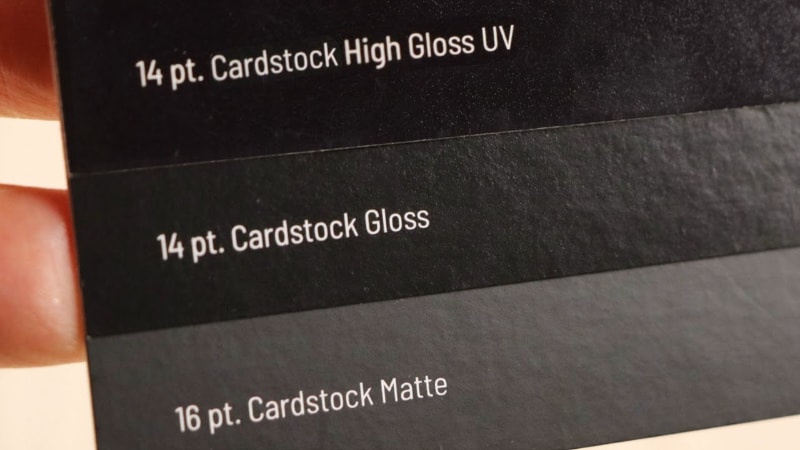
The three main paper finish types are matte, glossy, and uncoated. We’ve already touched on the matte variety above. In contrast, glossy paper boasts a shiny and ultra-smooth appearance. Satin or semi-gloss paper falls in between the two, offering a subtle shine.
Unlike coated stocks, uncoated stock leaves the natural fibers exposed, giving it a slightly rougher texture. It is typically used for books and other printed pieces where users need to write with a pen or pencil. Ultimately, choosing between them comes down to personal preference and your design needs. So, how do you choose the right paper finish for your project? It depends on your needs and preferences.
Glossy paper tends to be a good option for marketing materials like brochures since it has an eye-catching appearance. It’s also more vibrant, which is just what you need for brand exposure. In contrast, matte paper stock offers a more subdued and elegant look that is perfect for text-heavy materials like books and invitations.
The table below highlights the differences between both finish types.
| Characteristics | Matte Paper | Glossy Paper |
|---|---|---|
| Finish | Smooth, non-reflective | Shiny, reflective |
| Appearance | Muted, subtle, sophisticated | Bright, vibrant, eye-catching |
| Texture | Soft to the touch, smooth | Sleek, smooth but with a shiny, slick surface |
| Readability | Easy to read, no glare | Can cause glare, affecting readability |
| Fingerprint Resistance | More resistant to fingerprints | Tends to show fingerprints more easily |
| Durability | More durable in terms of handling and usage | Can be prone to scuffing and damage over time |
Benefits of Matte Stock Paper
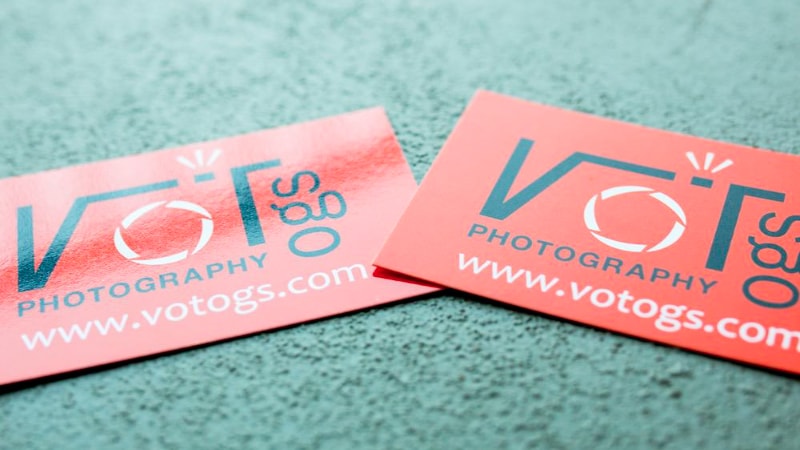
Matte stock paper has a range of benefits. Some of them are as follows:
- Professional Look: If you’re going for a sophisticated and professional look, matte paper is the way to go. Its soft finish gives off a sleek and refined look that can make your printed material appear more high-end.
- Easy to Read: The lack of glare and reflection on matte paper makes it easier for readers to read the text. So, it’s an excellent option for brochures and business cards, especially if they contain a lot of written information.
- Eco-Friendly: Matte paper is often made from recycled materials, making it an eco-friendly option for printing. It also requires less ink than glossy paper, reducing the environmental impact of your printing.
- Fewer Fingerprints: Matte paper is resistant to marks left by fingerprints, something that’s a common nuisance with glossy paper. That makes it a great choice for materials that will be handled frequently, such as menus or business cards.
Cons: Because the surface absorbs light, the ink colors might appear slightly less vibrant compared to glossy options. Dark prints may also show scuffs more easily.
The tactile experience offered by matte stock paper is superior to that of its glossy counterpart. Its muted texture creates a more tactile feel that can add an extra dimension to your printed materials.offered by matte stock paper is superior to that of its glossy counterpart. Its subtle texture creates a more tactile feel that can add an extra dimension to your printed materials.
Common Uses of Matte Paper
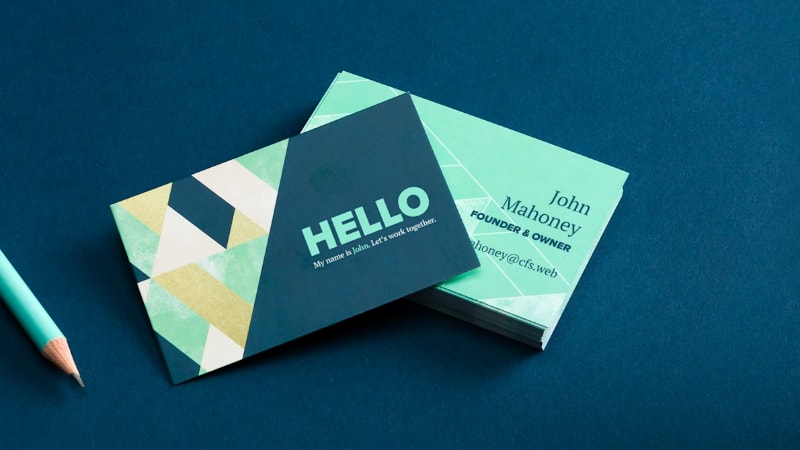
This non- reflective option is a versatile choice across many industries, offering a professional, polished look for a variety of print projects. It is a versatile choice for various applications. Its non-reflective surface makes it ideal for printing on thick cardstock for business cards, elegant greeting cards, and direct mail postcards, ensuring that your text and graphics stand out without the glare of a gloss finish.
The matte coating also offers excellent ink absorption, which helps keep printed images sharp and clear. This feature is especially important when working with fine details to keep your marketing materials looking crisp and professional.
Photographers and artists also turn to matte paper for prints and artwork because it allows images to retain their true depth without reflecting light.
Similarly, matte cardstock is commonly used in marketing and promotional materials, from catalogs to direct mail pieces. Its smoother surface makes sure that text is easy to read, while the minimal sheen prevents distracting reflections. The right paper stock helps maintain the integrity of your message and keeps it easy to engage with.
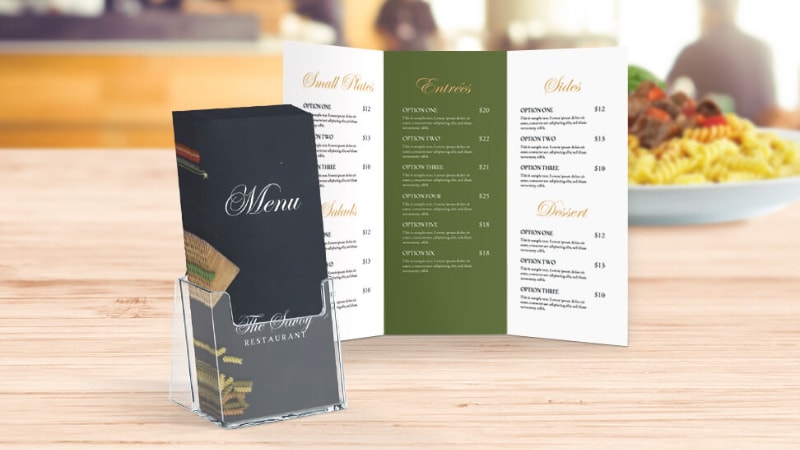
In packaging, matte paper is favored for its ability to provide a premium, elegant feel, whether it’s for luxury product packaging or gift boxes. The matte coating gives a understated sophistication that can elevate any brand, especially when combined with light coating or foil stamping for added texture.
How to Choose the Right Matte Finish for Your Project
When you’re looking for the best matte stock paper for your printing project, it’s important to keep a few considerations in mind. Here are a few of them.
Paper Weight and Thickness
Heavier papers, typically measured in grams per square meter (gsm) or pounds (lb), tend to feel more luxurious and provide a sturdier finish. For business cards or brochures, a paper weight of 250–350 gsm is often ideal. Lighter paper, around 170–200 gsm, works well for flyers or informational leaflets.
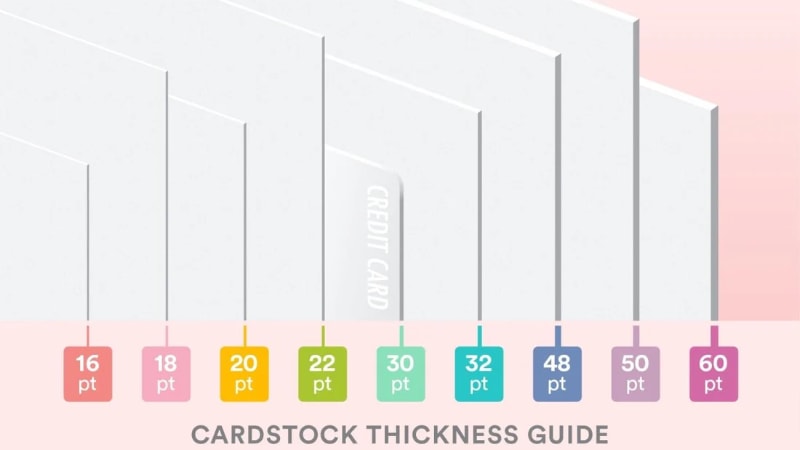
Match the thickness to your project’s specifications to ensure the sheets do not tear easily, as weight and thickness can also impact the durability and feel of your printed materials, so choose what aligns with the quality you’re aiming for in your next print project.
Matte Finish and Texture
The texture of matte paper stock can vary across products. Some options are more velvety, while others may have a slightly rougher feel.
Think about the tactile experience you want for your audience. For example, a smooth matte paper is best for high-end marketing materials. For artistic prints or packaging, a more textured finish could enhance the overall feel of the product. Always match the finish with the tone of your project.
Printing Methods: Digital vs. Offset
The printing method you plan to use can also influence the type of matte stock paper you choose. Make sure the paper you select is compatible with the printing technique for the best results.
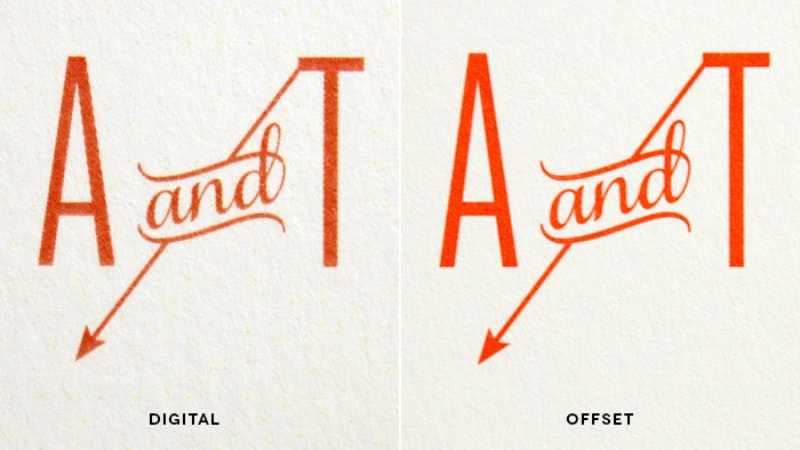
If you’re using digital printing, go for matte papers designed specifically for digital presses. These papers have a special coating that allows ink to sit properly on the surface, ensuring high-quality prints. For offset printing, which is commonly used for larger runs, matte papers often have a heavier weight and can handle the higher ink loads used in this method.
Project’s Use and Durability
Think about how your final prints will be handled. If you’re printing business cards or brochures that will be frequently handled, you’ll want to choose a thicker matte stock with more coating to ensure durability. For marketing materials or flyers that won’t be subjected to heavy use, you can opt for lighter matte paper with less coating.
Common Mistakes to Avoid with Matte Options
When working with this material, it’s easy to make some common mistakes that can affect the final outcome of your particular visual design. One mistake to avoid is choosing the wrong weight for your project.
For example, using paper that’s too light for business cards or brochures can make them feel flimsy, while paper that’s too heavy for flyers or catalogs might make them feel unnecessarily bulky and expensive. It’s important to match the weight to the type of material you’re printing.
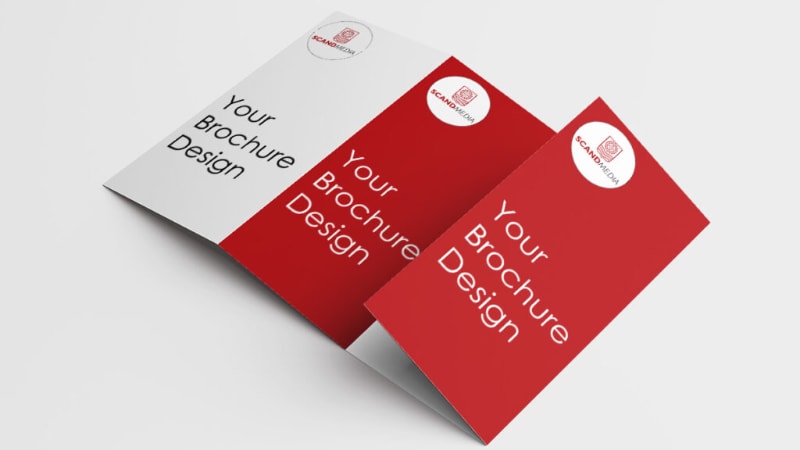
Another issue to watch out for is not considering the printing method. Not all matte papers are suitable for both digital and offset printing.
Compatibility matters for both inkjet and laser printers. Whether you are using a commercial press, a home inkjet printer, or buying a ream from a local office store, always verify the packaging. Furthermore, failing to adjust your specific printer settings (such as selecting ‘Heavy Matte’) can lead to ink smudging, uneven coverage, or poor image quality. Always check that your matte stock paper is compatible with your printing process.
Finally, it’s imperative to think about the final appearance. A matte-coated paper may appear too dull or lack the richness of color you were expecting. It’s particularly an issue with prints that rely heavily on vibrant colors or detailed images. Test a sample first to ensure the matte finish aligns with the aesthetic you’re hoping to achieve.
Frequently Asked Questions About Using Matte Stock Paper in Printing
Q1:Can you write on matte stock paper with a regular pen?
Yes, standard ballpoint pens and markers work perfectly on matte paper because it lacks a slick, glossy coating. Normal writing won’t smear or skip. However, if you use heavy gel or liquid pens, simply allow the ink a few seconds to dry.
Q2:Is matte paper good for printing high-resolution photos?
Yes, it is ideal for a soft, artistic, and glare-free look. Because it absorbs more ink, matte paper produces excellent deep blacks and rich pastel tones, though highly vibrant colors may look slightly muted. It’s highly recommended for framed photography since it won’t reflect light or stick to the glass.
Q3:Does matte stock paper smudge or scratch easily?
Matte paper naturally resists fingerprints well, but areas with heavy, dark ink (like solid black) can be prone to minor scuffing. To prevent scratches during transit, printers often apply a clear protective coating. If your print is handled frequently, just request a scuff-resistant finish.
Q4:Can you add foil stamping or spot UV to matte paper?
Absolutely. The flat, non-reflective surface of matte paper creates a stunning visual contrast when paired with shiny metallic foils or glossy spot UV elements. Combining structural matte stock with these premium finishes is the perfect way to make your custom packaging and branded boxes truly luxurious.
Select the Right Matte Option For Your Next Printing Project
To sum up, matte stock paper offers a finish that is perfect for professional and artistic prints, from business cards to photography. By choosing the right weight, finish, and printing method, you can make sure your materials look polished and perform well. Explore the possibilities of matte paper for your next project, and find trusted suppliers who can deliver high-quality options tailored to your needs.
Your Go-To Supplier for Premium Matte Paper
Looking for a reliable supplier to provide you with high-quality matte stock paper? is just the place to go for high-quality printing solutions. Get in touch with us to discuss your printing needs.
While premium options might slightly increase the overall price of your particular project, the professional outcome is usually worth the investment.