
Both eco-friendly and recycled paper are available, but which one is right for your business?
We will look at the similarities and differences between eco-friendly paper and recycled paper. Discover the different features and learn how to make more environmentally friendly choices when it comes to your paper products.
Read on to take your first step towards a better world through sustainable printing.
What is Eco-Friendly Paper?
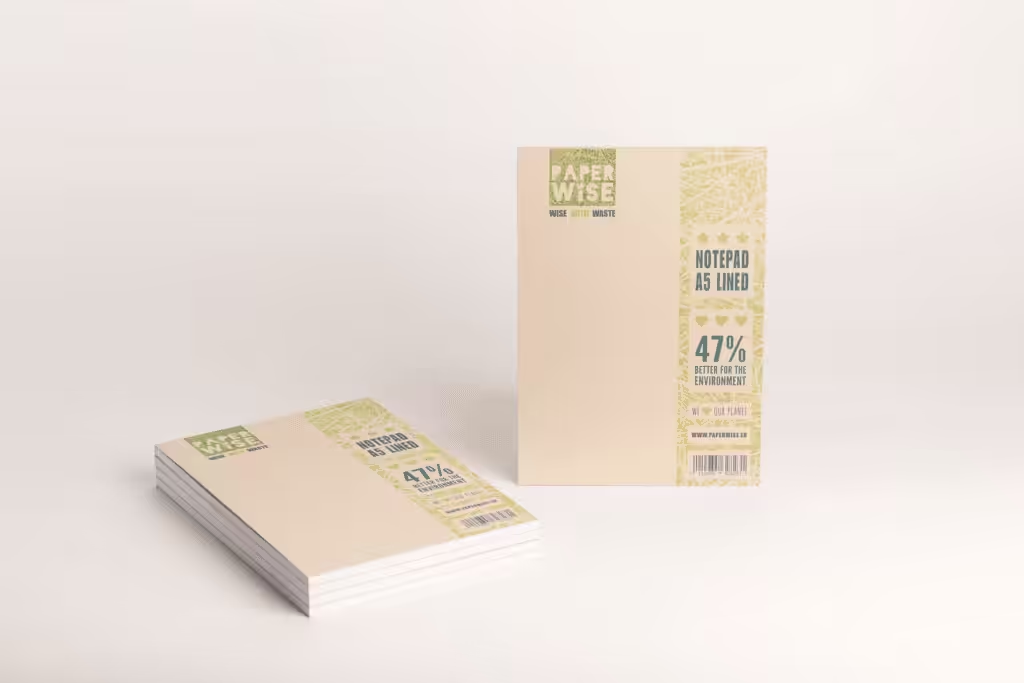
Eco-friendly paper, also known as sustainable or ecological paper, is produced using renewable resources and alternative fibers, resulting in a significantly reduced environmental impact compared to conventional paper production. This ecological paper heavily reduces pollution through three main focuses:
- Sustainably Managed Forests: A prime standard in this industry is FSC-certified paper. Paper certified to this standard ensures that the fibers come from responsibly managed forests that meet the rigorous criteria set by the Forest Stewardship Council (FSC).
- Alternative Plant Fibers: It often utilizes highly renewable plants such as bamboo or hemp, which grow much faster than trees, making it a reliable choice for sustainable paper products.
- Cleaner Technologies: While conventional production often involves energy-intensive processes, eco-friendly paper is manufactured using advanced methods focused on minimizing greenhouse gas emissions and reducing chemical usage.
What Is Recycled Paper?
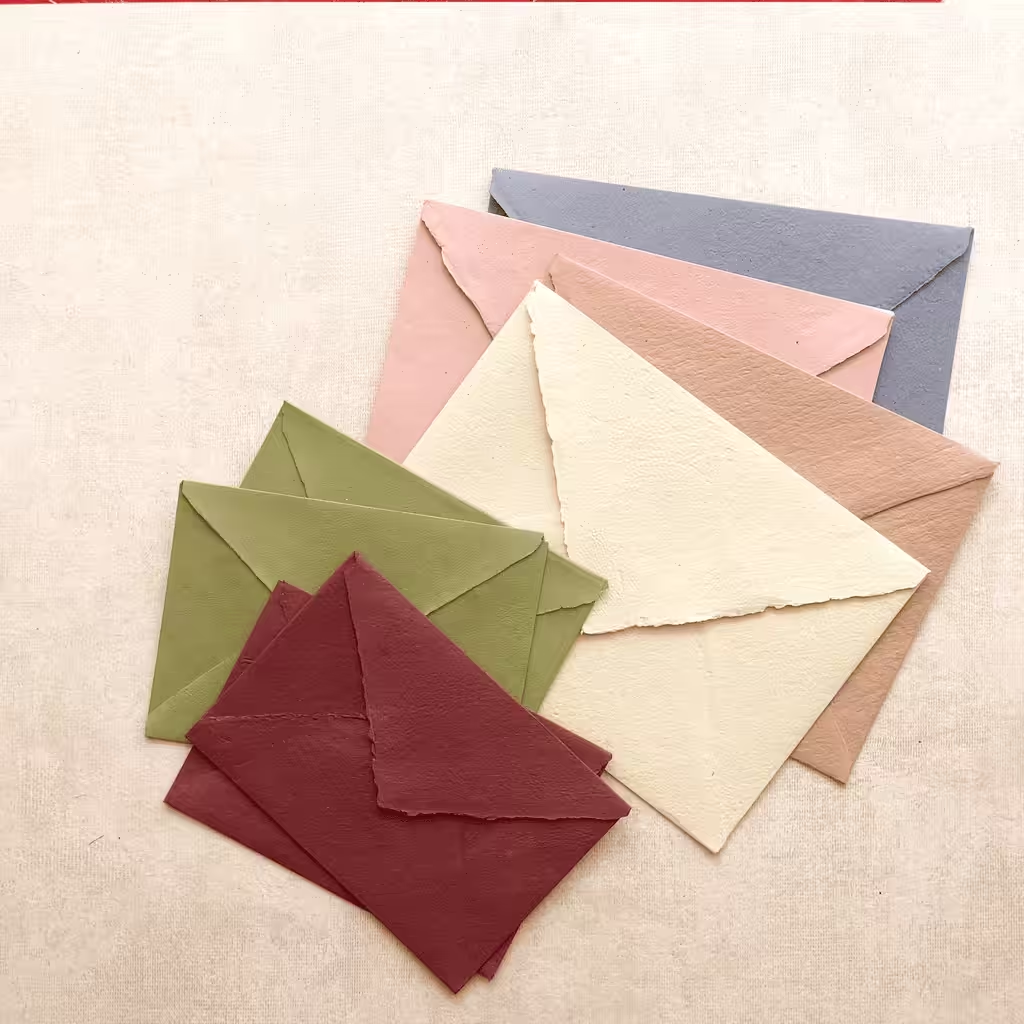
Recycled paper is produced from used paper using a manufacturing process similar to that of new paper products. While some facilities use exclusively recycled pulp, many rely on a careful mix of virgin pulp and recycled fiber to maintain strength. The production of recycled paper relies on three main pillars:
- Post-Consumer Waste (PCW) Sourcing: The raw material is typically sourced from mixed everyday recyclable paper, including office waste, old newspapers, and cardboard.
- De-inking and Washing Treatments: Instead of logging, the production relies on processing. The used paper undergoes a series of washes and treatments to remove contaminants and ink, producing clean, high-quality recycled paper pulp.
- Resource Conservation: As a critical outcome of the above processes, utilizing these pre-used raw materials—from recyclable paper and used paper to recycled fiber—allows paper companies to significantly reduce the demand for harvesting virgin trees. This directly helps preserve natural forests while effectively lowering overall energy consumption and their carbon footprint.
Key Differences: Eco-Friendly Paper vs. Recycled Paper
Both eco-friendly paper and recycled paper are sustainable choices that can help reduce waste and conserve natural resources. However, there are key differences between the two types of paper that are worth noting. Here is a list of key differences between eco-friendly paper and recycled paper:

Production
- Eco-friendly paper: Production focuses on responsible sourcing. It begins by harvesting fast-growing plants (like bamboo or hemp) or carefully selected FSC-certified trees. The process uses a minimum of chemicals and energy to keep the carbon footprint small.
- Recycled paper: Typically produced with a focus purely on waste recovery. Instead of fresh logging, recycling facilities process pre-used materials. Items like office waste and cardboard undergo de-inking and washing to become a mix of virgin and recycled pulp, keeping waste out of landfills.
Quality
- Eco-friendly paper: The quality is typically premium. Because it utilizes alternative or sustainable fresh fibers, eco-friendly virgin paper is generally stronger, brighter, and more durable than recycled paper, making it highly suitable for high-quality printing and packaging needs. It features a smooth surface that seamlessly supports vibrant CMYK full-color printing and advanced structural designs.
- Recycled paper: The quality is highly versatile but often carries a natural, earthy aesthetic. While comparable to regular paper in strength, you may notice slight variations in texture or a muted base color. It handles standard printing well and is widely available in common GSM ranges, making it ideal for minimalist designs and mailing boxes.
Availability and Cost
- Eco-friendly paper: Specialized sourcing like bamboo or certified non-wood fibers makes it slightly more of a premium investment. Generally, it can cost 10% to 25% more than standard paper. However, as global supply chains expand, its availability is sharply increasing, offering brands a high-value way to elevate their eco-conscious image.
- Recycled paper: Global availability and cost-efficiency are its biggest advantages. Because it utilizes pre-used materials, it is consistently easy to source. Consequently, it is often 15% to 30% less expensive than virgin paper, making it the most budget-friendly choice for large-volume sustainable packaging runs.
Environmental Impact
- Eco-friendly paper: The impact focuses on protecting the world’s forest resources. It relies on rapidly renewable agricultural waste (like bagasse), non-wood fibers, or strict FSC-certified sources. This responsible cultivation protects forest biodiversity and maintains the health of vital ecosystems.
- Recycled paper: The impact centers on the circular economy and landfill diversion. Traditional virgin tree paper is significantly more carbon-emitting and resource-intensive than recycled paper. By processing recovered waste, recycled paper drastically cuts resource consumption, requiring 33% less freshwater than virgin tree paper. Extending fiber lifespans directly reduces the need to harvest new trees.
The Advantages of Eco-Friendly Paper and Recycled Paper

Both eco-friendly paper and recycled paper offer several advantages over regular paper, which is typically made from virgin wood pulp. Here are the primary advantages of both eco-friendly and recycled paper:
Waste Reduction
By choosing renewable materials, you actively prevent tons of material from ending up in landfills or incinerators. The unique strength of recycled paper is its direct reliance on municipal waste recovery—it actively consumes discarded cardboard and office waste.
Eco-friendly paper, on the other hand, reduces waste by upcycling discarded agricultural byproducts (like sugarcane bagasse) that would otherwise be openly burned. This not only helps protect the environment, the local community leaders, and the local economy, but it can also reduce energy consumption and waste management costs.
Conservation of Natural Resources
Instead of relying on heavy logging, each option conserves natural resources using entirely different methods. The advantage of eco-friendly paper is its ability to bypass deforestation by utilizing rapidly renewable non-wood materials such as bamboo or hemp.
Conversely, recycled paper avoids the need to cut down trees for pulpwood and saves trees by extending the lifecycle of existing wood fibers. In fact, producing just one ton of recycled paper saves roughly 17 mature trees and thousands of gallons of water, making it a critical player in global conservation.
Energy Savings
Conventional paper manufacturing from raw wood is incredibly energy-intensive. By switching to these alternatives, the energy savings are substantial. Producing recycled paper requires significantly less raw milling, typically saving around 60% energy and up to 50% water.
Meanwhile, eco-friendly paper uses fibers that are naturally softer than timber. This means the raw materials require fewer mechanical breakdown steps and fewer harsh chemical treatments, further driving down the overall energy footprint.

Increased Efficiency
Both materials highly optimize the traditional manufacturing supply chain. For eco-friendly paper, fast-growing crops like bamboo mature and are ready for harvest in just 3 to 5 years (compared to 20+ years for trees), dramatically increasing land yield efficiency.
For recycled paper, starting with pre-processed pulp means skipping the time-consuming logging and raw transportation stages entirely. This shortened manufacturing process ultimately allows packaging suppliers to keep sustainable options highly cost-competitive.
In short, both alternatives outperform regular paper. Recycled paper maximizes waste diversion and energy savings, while eco-friendly paper champions true tree-free production. Ultimately, either type of earth-friendly paper empowers brands to successfully reduce their carbon impact.
The Disadvantages of Eco-Friendly Paper and Recycled Paper
Eco-friendly paper and recycled paper have their own set of disadvantages that need to be considered. Here are some key points to keep in mind:
- 1. Higher Cost Compared to Conventional Paper These environmentally friendly alternatives often require a larger budget due to the specialized production processes involved, such as sourcing renewable materials and implementing advanced recycling techniques.

- 2. Limited Availability in Certain Regions Despite growing market demand, easy access to eco-friendly and recycled paper is still limited in certain regions or industries, which can pose supply chain challenges for businesses.
- 3. Potential Quality Variations Because they rely on recovered fibers or alternative crops, different manufacturing techniques can lead to minor inconsistencies in texture, durability, and overall appearance compared to standard virgin paper.
- 4. Challenges in High-Definition Printing Virgin paper products typically offer better ink retention and higher absorbency rates compared to recycled paper. Because recycled fibers are shorter, they can sometimes result in less vibrant colors or slight ink bleeding, making high-quality graphic printing a challenge.
In summary, while these options offer amazing environmental benefits, they do come with their fair share of drawbacks. Understanding these limitations allows businesses to make informed decisions about which type of paper best suits their packaging needs and sustainability goals.
Choosing the Best Paper for Your Needs
Eco-friendly paper and recycled paper have similar application areas, but there are some key differences that set them apart:

Packaging
In terms of packaging applications, both eco-friendly and recycled paper are heavily used for shipping materials (like corrugated boxes and mailers) and retail bags. For industries like cosmetics and jewelry, eco-friendly paper offers a premium aesthetic and smooth texture that aligns perfectly with a high-end, sustainable brand concept.
When seeking plastic alternatives for food packaging, strict FDA or EU safety standards apply. Here, virgin eco-friendly paper (like sugarcane bagasse) is highly recommended over recycled paper. It guarantees zero chemical or toxic ink residue, making it the safest choice for direct-contact food containers.
Printing
Both eco-friendly and recycled paper can be used for printing applications, such as textbooks, magazines, and brochures. However, eco-friendly paper may be found online to be more suitable for applications that require a higher degree of brightness and color than traditional paper, such as non wood materials such as high-end marketing materials, or fine art prints.
Writing
Both eco-friendly and recycled paper can be used for writing applications, such as notebooks, journals, and greeting cards. However, eco-friendly certified recycled paper may be more suitable for applications that require a higher degree of durability, such as old notebooks, such as hardcover journals or notebooks with many pages.
Sustainability
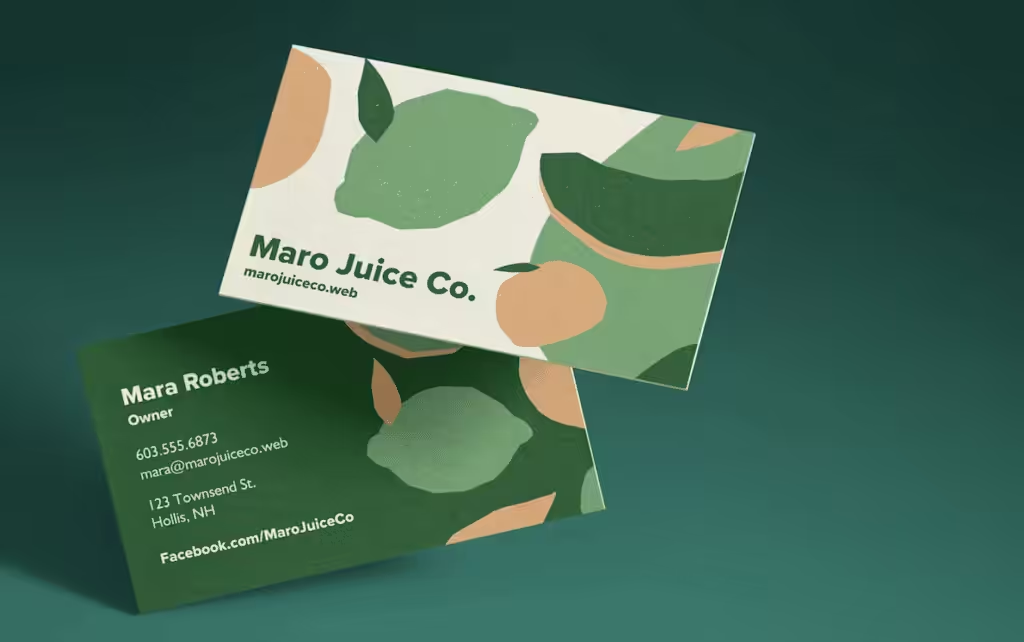
Both eco-friendly and recycled paper products are considered sustainable options, due to their lower environmental impact and reduced waste. However, the recycled paper product is generally considered to bea slightly more sustainable option due to its use of pre-used waste materials.
In summary, eco-friendly paper and recycled paper serve distinct project needs. If you are looking for high printing, high-quality paper, eco-friendly paper may be a good choice. If you need a more cost-effective and sustainable paper option, recycled paper is highly recommended. Ultimately, the best material for your needs will depend on your specific project applications and budget.
FAQs
Q1: Why is recycled paper sometimes considered less hygienic?
While great for the environment, recycled paper has a higher concentration of bacteria compared to premium virgin paper. This happens because the recycling process utilizes starches that serve as breeding grounds for bacteria. This is why eco-friendly virgin paper is often the mandatory, safer choice for direct food-contact packaging.
Q2: Is paper infinitely recyclable?
No, it is not. Paper fibers can only be reused from five to seven times before they become too short and weak to bond together. Because of this finite lifecycle, the world must still rely on a continuous source of virgin paper. Unfortunately, in 2018 alone, 35% of global paper went un-recycled, representing a massive missed opportunity.
Q3: What is the hidden environmental cost of recycled paper?
While recycled paper uses 52% less energy and emits 74% fewer emissions than manufacturing virgin tree paper, there is a trade-off. Recycled paper actually has higher processing costs and requires significantly more chemicals for de-inking and bleaching. It is highly sustainable, but not chemical-free.
Q4: Is the paper industry the main cause of deforestation?
The paper industry does use around 40 percent of all forestry resources, which historically led to a negative perception of logging. However, modern eco-friendly paper relies on the SFI (Sustainable Forestry Initiative). SFI-certified paper guarantees that forests are responsibly managed and trees are replanted, treating wood as a renewable crop rather than destroying ancient forests.
Q5: Where can I source certified sustainable packaging without compromising quality?
To balance hygiene, strength, and environmental impact, you need a manufacturer that offers transparent, certified material choices. Packoi Printing strictly provides high-quality eco-friendly virgin paper and recycled options. Contact us for an instant quote and request free samples to test our sustainable materials for yourself.
Conclusion
Choosing between eco-friendly paper and recycled paper for your brand’s packaging or responsible printing practices depends on your specific needs and goals. Both options positively impact the environment, offering significant benefits such as reducing waste, conserving natural resources, protecting biodiversity, and driving lower emissions across your supply chain.
Eco-friendly paper, made from sustainably sourced renewable materials, provides a high-quality solution for applications requiring durability and brightness, while recycled paper, crafted from pre-used materials, is an excellent cost-effective choice for sustainable projects aiming to significantly reduce carbon emissions.
Get the Perfect Printing and Package for Your Needs with Packoi Printing
We’ve learned about the world of eco-friendly and recycled paper, and it’s time to find the perfect solution for your business.
At Packoi Printing, we understand the importance of sustainability without compromising quality. Whether it’s printed marketing materials or product packaging, we can offer an environmentally friendly, high-quality option without sacrificing the professional look and feel of your printed materials.
Move towards sustainability with Packoi Printing today! Contact us!