
The way you package your product—bags or boxes—shapes your spending, shipping, and brand image. Making the right choice is critical, but it doesn’t have to be confusing.
Drawing on our deep insights from working with businesses across all industries, this guide will weigh the distinct applications and benefits of both packaging types. We’ll help you make an informed decision that’s right for your business.
Ready to discover which solution is the perfect fit for your goods? Let’s get started.
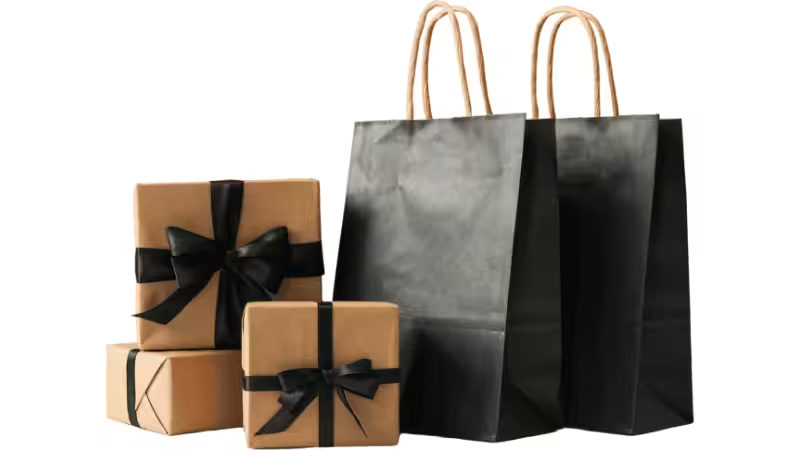
Overview of Bagged and Boxed Packaging
As the name suggests, bagged packaging revolves around enclosing products in flexible materials like plastic, kraft paper, clothes, or even foil.
Some common things packed in bags include grains, pet food, snacks, and coffee. The weight of the bagged packaging depends on the material used for it. Generally, it is lightweight, space-efficient, and low-cost.
Conversely, boxed packaging uses rigid corrugated or paperboard materials to provide essential structural protection for fragile, high-end goods, though it requires more storage space.
It is crucial to select the appropriate packaging material for your business success. Packaging not only ensures proper safety during storage and transportation but also impacts consumer perception. While choosing the right packaging, you have to consider the product type, branding goals, transportation, storage, and sustainability goals.
Bagged vs. Boxed Packaging: Key Differences
There are key differences between boxed and bagged packaging worth considering when selecting the right option for your product.
Shape and Flexibility
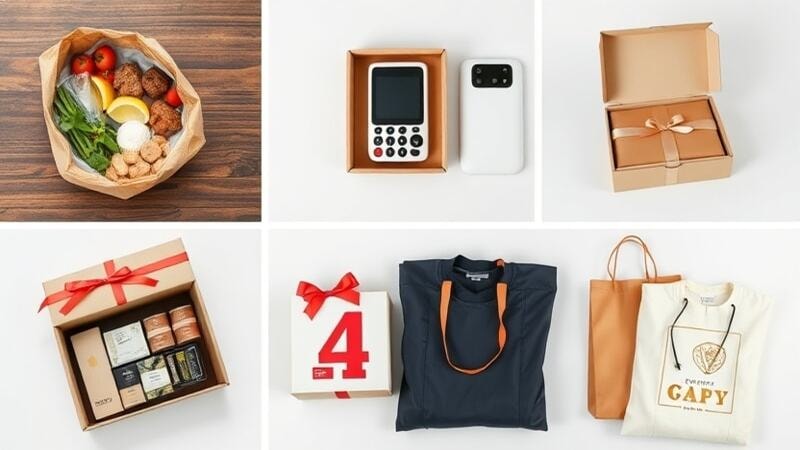
Bagged packaging is highly flexible, which allows you to use it for various types of products. It also conforms to the shape of the product, making it ideal for irregularly shaped products.
On the other hand, boxed packaging has a rigid structure. While it is not as flexible, it provides unbeatable protection for easily breakable products. It also allows the product to maintain its shape while in transit.
Protection and Durability
Due to the higher structural integrity, the boxes excel in durability and provide protection. They act as a barrier against impact or external forces. Thus making them ideal for high-value or expensive goods such as electronics.
Bags, on the other hand, are lightweight with minimum structural integrity. They offer very little protection, thus making them suitable for bulk protection or those that cannot be broken easily.
Cost and Efficiency
Bagged packaging is more cost-effective than box packaging. It uses less material, the production cost is lower, and the shipping cost for the product is lowered due to its lightweight nature.
The boxed packaging uses more material and has higher production and shipping costs. However, the cost of boxed packaging is also justified, as it is essential to enhance the brand appeal of expensive items.
Storage and Handling
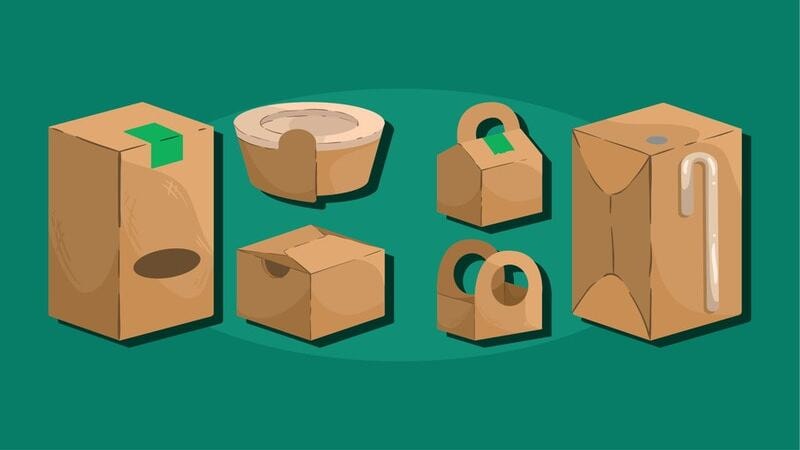
Boxes take up a set amount of space and require a special area for storage even before enclosing the product, which can drive up storage costs. Whereas multiple bags can be stacked and compressed into tight storage space, saving on Storage costs. However, boxes can be stacked easily and are easier to transport on pallets than bags.
Whether it’s boxed or bagged for packaging, they both have their own pros and cons that can impact your decision-making. Here is the division of both the positive and negative attributes of both packaging types.
Packaging | Pros | Cons |
Bagged |
|
|
Boxed |
|
|
How to Decide Between Bagged and Boxed Packaging for Your Products
Choosing the right packaging for your products involves evaluating several key factors, including product characteristics, sustainability goals, and cost considerations. If you are stuck in the loop and cannot decide when to choose bagged vs boxed packaging, then consider reading this:
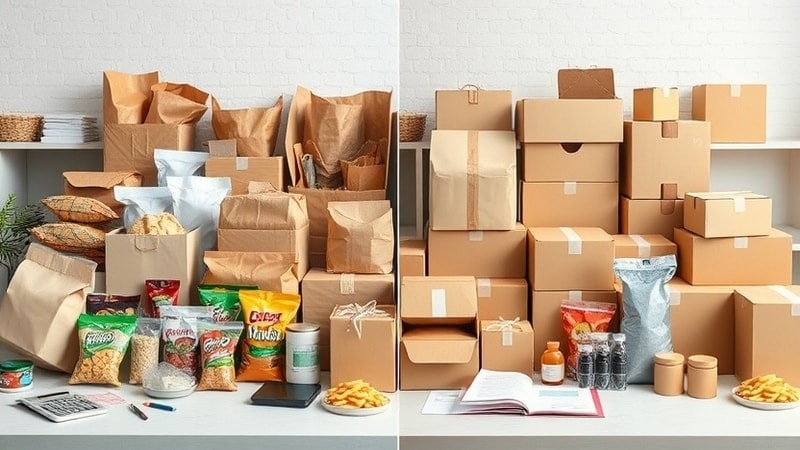
When to Choose Bagged Packaging
Bagged packaging refers to a packaging solution made up of lightweight material that can enclose a variety of products with differing shapes. Here are some factors that can help you decide if your brand needs bagged packaging.
Irregularly Shaped Products
Bagged packaging is ideal for lightweight products like grains, snacks, and dry foods. It’s also perfect for flexible products like powders or fabrics, as bags can easily bend to the product’s form, unlike rigid boxes. Bags conform tightly to the product’s shape, making it suitable for non-fragile items.
Cost Saving and Efficiency
Bagged packaging is the perfect solution if you are looking to optimize packaging costs for your brand. Bags often use less material and storage costs than boxes, making them a more cost-effective option for both production and transportation. This cost advantage is especially useful for high-volume, low-margin products.

Sustainable and Eco-friendly
Since bagged packaging uses less material for production, it has a lesser impact on the environment. Moreover, bags for primary packaging are often created with recycled material, further reducing its environmental impact.
Less Storage Place
Bagged packaging is not only cost-effective because it utilizes less material; it also requires less storage space, saving up storage unit costs. Moreover, it leaves more space for actual inventory to be added, aiding the business’s success.
Hygiene and Safety Compliance
For certain sectors, regulation dictates packaging choice. In the food and medical industries, bags are a viable option, but they must be FDA-approved to ensure hygiene and often require tamper-evident features to guarantee product safety.
When to Choose Boxed Packaging
Boxed packaging offers unmatched benefits to businesses, making it an unavoidable packaging solution. Here are some of the factors that can make boxed packaging critical for your operation.
Heavy or Fragile Products
Boxed packaging provides protection to the products with its strong frame, preventing damage to fragile products during handling and transportation. It is not only suitable but practically unavoidable in the case of high-value fragile items such as electronics, ceramics, or glassware.
Retail Presentation and Branding
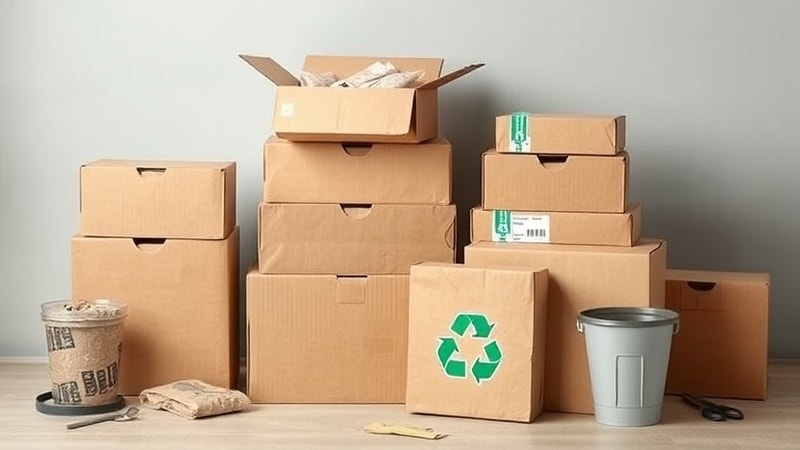
Custom printed boxes are a subcategory of boxed packaging that has taken over the retail world with its high branding value. Box packaging has an overall luxury appeal to it, which enhances brand identity and product value. Moreover, the larger surface area of the box provides plenty of room for brands to add elaborate graphics to further enhance product appeal.
Legal Mandates
In some cases, the law makes the decision for you. For example, the transport of hazardous materials legally mandates the use of certified, rigid boxes. In these situations, flexible bags are not an option, as only a sturdy box can meet the strict safety and containment compliance standards.
Stacking and Palletizing
While boxes protect product integrity during shipping and transportation, they are also tasked with providing stability in retail settings. The uniform shape of the boxes allows for easy stacking and palletizing, which is useful in both warehousing and retail settings.
Long Shelf Life and Protection
Boxed packaging is perfect for items with an extended shelf life since it provides superior protection from light, air, and moisture and keeps items fresh on store shelves.
Product Variety and Customization
Boxes can be customized to accommodate a wide range of product sizes and shapes, offering versatility for diverse product lines. This adaptability makes them suitable for products sold in fixed quantities or sets.

Case Studies and Examples
The choice between bagged and boxed packaging varies by industry, with each choosing the method that best fits their product types, distribution channels, and consumer expectations. The examples below show how different sectors use certain packaging options.
Example 1: Food Industry
Packaging in the food sector is designed to fit the product and the consumer’s needs. For example:
- Boxed Cereal: Cereals use a bag-in-box design, combining an inner plastic or foil bag with a cardboard box to protect against moisture and impact. This setup provides ample room for branding and nutritional information while keeping the product easy to stack and display on shop shelves.
- Bagged Chips: Snacks like potato chips use flexible, lightweight bags that block light, air, and moisture. This barrier preserves freshness and extends shelf life, while the low weight cuts shipping costs and adds customer convenience.
Example 2: E-Commerce and Retail
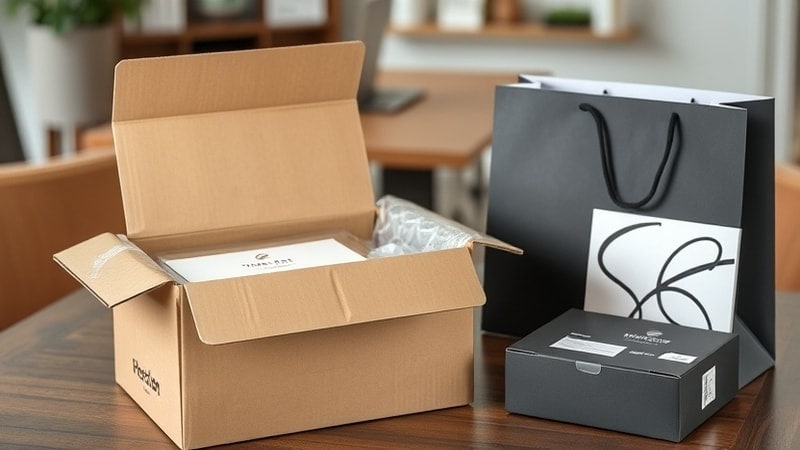
Packaging in e-commerce and retail is designed to ensure product safety throughout transit and to improve the customer experience upon unwrapping.
Boxed Packaging for E-Commerce: Online sellers frequently ship diverse products—like electronics and apparel—in corrugated cardboard boxes, ensuring resilient protection and safe arrival while using personalized branding to enhance the unwrapping experience.
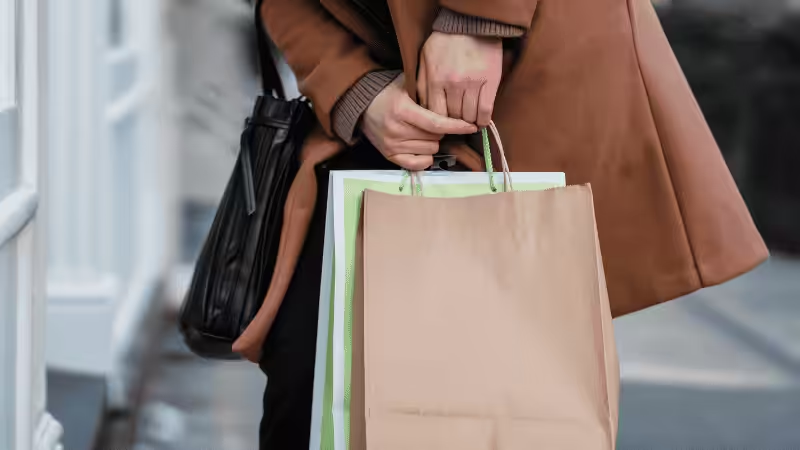
Bagged Packaging in Fashion Retail: Physical retail businesses, particularly those in the fashion industry, typically employ branded paper or plastic bags for smaller items such as accessories or individual garment pieces. These bags are affordable, convenient to transport, and can be customized to suit the brand’s personality.
Example 3: Industrial and Bulk Packaging
Industrial packaging solutions are chosen based on the nature of the products and logistical constraints.
FIBC Bags: Industries such as agriculture use huge bags, also known as bulk bags or FIBCs (Flexible Intermediate Bulk Containers), to transport and store bulk commodities such as grains, seeds, or fertilizers.
These bags are intended to hold heavy loads and are outfitted with features for easy handling and dispensing. Pet food manufacturers also use FIBCs as a cheaper alternative to store pet food.
Boxed Packaging for Fragile Items: For products that require additional protection, such as electronic components or delicate instruments, industrial producers have to opt for durable boxed packaging.
Emerging Trends in Bagged and Boxed Packaging
The packaging industry is rapidly changing to accommodate consumer needs and cater to environmental concerns. These improvements range from engaging designs to smart packaging and environmental improvements. The following latest trends in bagged packaged goods and boxed packaging are changing the way businesses deliver their products.
Sustainability Innovations
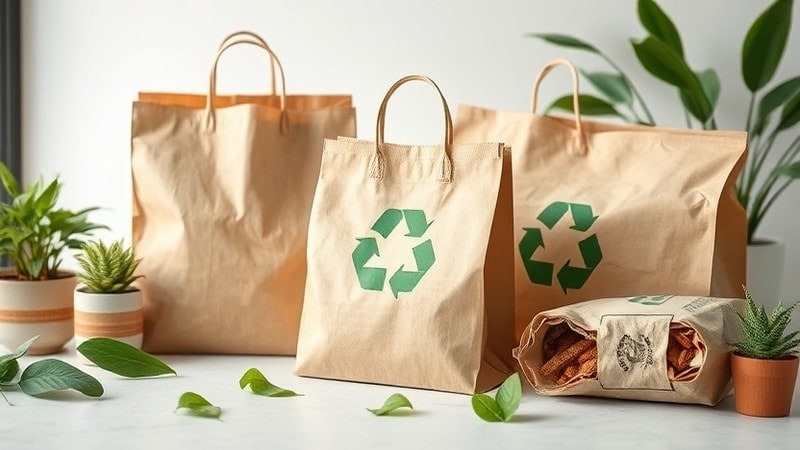
Environmentally friendly packaging materials are at the forefront of change. Focusing on recyclable materials, manufacturers are creating biodegradable and compostable bags made of materials such as kraft paper and plant-based polymers.
Similarly, boxed packaging now includes recycled cardboard, paperboard boxes, and even biodegradable coatings. These improvements enable companies, such as pet food manufacturers, to meet consumer demand for sustainability while lowering their carbon footprint.
Smart Packaging Solutions
The incorporation of technology into packaging is transforming customer engagement. NFC tags or QR codes are increasingly used on bagged packaged items and custom boxes, allowing customers to quickly access product details, instructions, or promotions.
Smart packaging is particularly popular in the food and e-commerce sectors, as it improves traceability and engagement.
Consumer Preferences

Consumers desire minimalist and sustainable designs. Market trends depict that consumers increasingly favour packaged goods that reflect eco-friendly beliefs. Both bagged and boxed packaging alternatives are shifting toward reusable, recyclable, or visually appealing materials that balance functionality and aesthetics.
Packaging Optimization
Businesses are minimizing packing waste by optimizing size and weight. The propensity of being lightweight is especially noticeable in bagged packaged items.
Moreover, smaller, resealable, or lightweight bags help reduce material waste. Boxed packaging is also evolving to use thinner but more durable materials, such as chipboard packaging, to save money and lessen environmental effects.
Branding Trends
Packaging is no longer just about utility; it’s a critical marketing and branding tool.
We can see that custom box and bag designs are increasingly incorporating unique aesthetics, vibrant colors, and inventive typography to help brands establish stronger identities and gain a competitive edge. In competitive markets, it is essential to use eye-catching packaging to increase client loyalty and shelf appeal.
FAQ
Which packaging is faster to pack for e-commerce fulfillment?
Bags take much less time on the fulfillment line because they require a simple slide-and-seal motion. Constructing boxes involves folding, taping, and inserting void fill, which increases physical labor and slows down your packing speed. If optimizing warehouse labor costs and maximizing daily output are your top priorities, flexible bags are the faster option.
What is the safest way to package liquids, powders, or perishables?
For these sensitive items, you don’t have to choose strictly between just a bag or a box. Bag-in-box (hybrid) solutions, similar to wine casks or cereal boxes, combine the leak-proof seal of inner bags with the rigid outer protection of a box. This dual approach offers superior preservation and security over choosing just one method.
Can I print high-quality graphics equally well on bags and boxes?
You will face different graphic printing limitations depending on the material you choose. Printing high-resolution, vibrant artwork on flexible poly bags requires specialized flexographic techniques, while corrugated cardboard works better with digital or lithographic printing. You must tailor your brand’s artwork to the specific packaging material to avoid distorted images and ensure a professional look.
Are custom-printed boxes more expensive to start than custom bags?
Small business owners must navigate upfront financial barriers, as custom-printed boxes typically involve higher tooling costs and different Minimum Order Quantities (MOQs) compared to custom pouches. However, making the right initial investment is crucial for securing your products and delivering a premium, memorable unboxing experience. If you are ready to navigate these options and elevate your brand image, reach out to our team today for expert custom packaging services.
Conclusion
Choosing packaging is an important decision that will affect your product’s presentation, protection, and overall success. Bagged packaging is flexible, cost-effective, and environmentally friendly, making it suitable for lightweight or bulk goods.
Boxed packaging, on the other hand, offers unmatched durability, premium branding, and protection for fragile items. Assess your product needs, budget, and sustainability goals to find the perfect solution. Take the next step—explore your options today!
Are You Ready to Elevate Your Brand Image by Using the Right Packaging?
Discover how our innovative solutions can help you achieve all the benefits of modern packaging while meeting your sustainability and branding goals. Contact us for a free consultation, or choose from Packoi‘s carefully curated product catalog.