Created by treating wood pulp with chemicals via the kraft pulping process, kraft paper is a strong, durable paper. Its 100% recyclable nature makes it a top sustainable choice for packaging among modern brands.
Since the different colors of kraft paper can significantly impact both its properties and your brand perception and customer engagement, knowing your options is crucial.
This blog explores different kraft paper colors, how they are made, and their common uses, alongside insights on kraft paper rolls and custom printing. Ultimately, you’ll understand the shades available and easily choose the appropriate type for your application and premium gift packaging needs.
What is Kraft Paper?
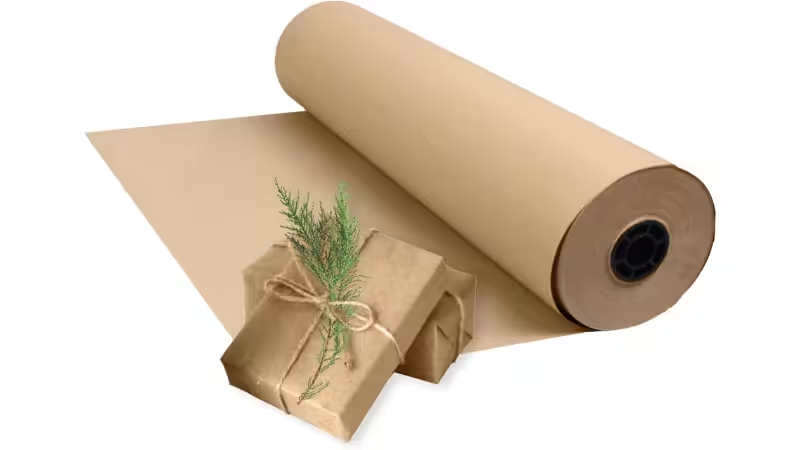
This type of paper made from wood pulp has been processed using the kraft process. As a foundational set of raw materials, this process involves cooking wood chips with a solution of sodium hydroxide and sodium sulfide, which breaks down the lignin in the wood and separates the fibers. The resulting pulp is then washed, bleached, and pressed into sheets of paper. Because of its unique composition, kraft paper is a versatile material preferred for security and tamper-evident applications due to its durability and strength.
Kraft paper has a number of unique properties that make it useful for a variety of applications. It is strong, tear-resistant, and can withstand high levels of stress and pressure. It is also highly absorbent, making it useful for wrapping and packaging items that may leak or require protection from moisture.
Additionally, kraft paper is environmentally friendly, made from a renewable resource, and easily recyclable.
Common Uses of Kraft Paper
Packaging
Kraft paper is often used for packaging food products, clothing, and industrial goods. It can be used as a wrap, cushioning material, or filler to protect items during shipping and handling. This paper type is a sustainable packaging that can be used in diverse contexts, such as making kraft paper bags using brown kraft material.
Crafts and DIY Projects
It is popular for various crafts and Do-It-Yourself projects, such as scrapbooking, gift wrapping, and bookbinding. With all these projects, you can use bleached or unbleached, depending on what you want to make.
Printing and Labeling
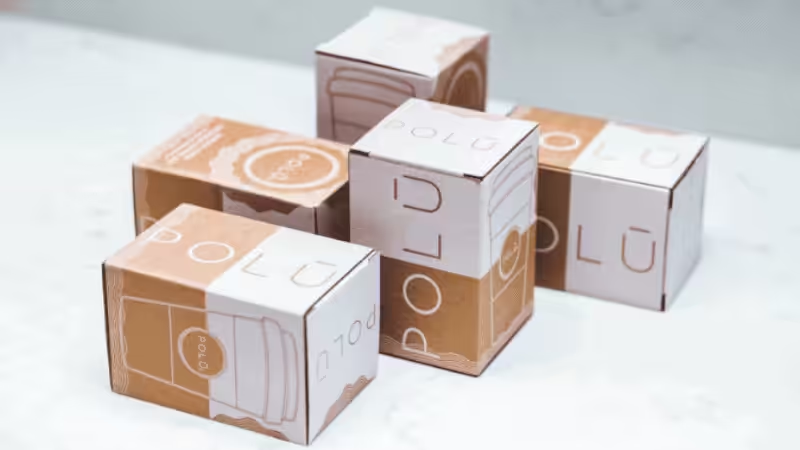
Kraft paper can be used as a substrate for printing and labeling applications, such as business cards, product labels, and packaging inserts. The bleached kraft paper is ideal for various printing projects. Printed kraft paper can be used for making bags, boxes, and other types of packaging. It is one of the printable packaging materials available in the market.
Building and Construction
Kraft paper is sometimes used as an underlayment for flooring, as well as a vapor barrier and insulation material. Kraft paper bags can also be used to ship construction materials, for example cement. It is one of the strongest packaging materials that have been embraced in the construction sector, especially in making paper bags, among other uses.
Overall, this paper type is a versatile and useful material that is widely used in various industries and applications.
Different Colors of Kraft Paper
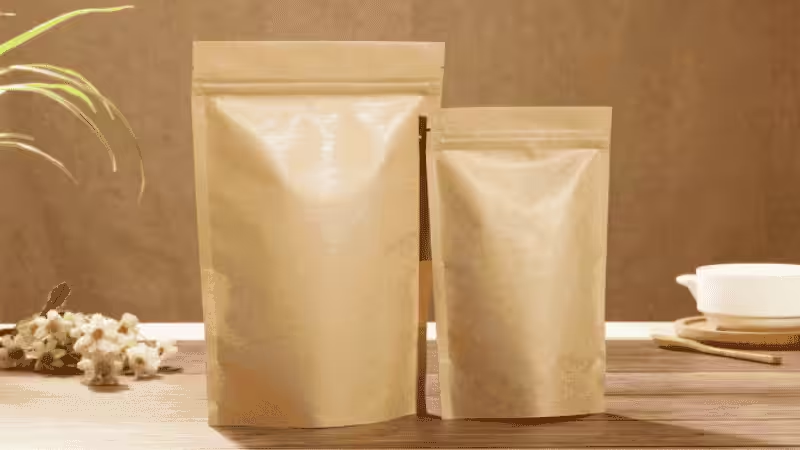
There are five main colors of kraft paper: brown, white, natural,black and colored kraft paper. Each color has its own unique properties and is produced using different manufacturing processes.
Brown Kraft Paper
Brown kraft paper is often associated with a rustic or natural look, making it popular for eco-friendly branding. It is the most common type made by leaving the pulp unbleached during manufacturing. This gives the paper its characteristic brown color and preserves its natural strength and durability. The brown kraft type is ideal for applications where protection and durability are key, such as packaging heavy items or shipping products through rough handling conditions. It is also a popular choice for crafts because it offers a neutral backdrop for creative projects.
White Kraft Paper
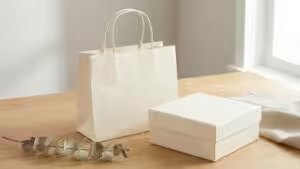
White kraft paper is bleached to remove the natural brown tone, providing a clean surface ideal for vivid printing.This results in a white or off-white color. White kraft paper is ideal for brands seeking a clean, polished look that enhances printed designs.
This paper is smooth and has a more refined appearance compared to brown kraft paper. It is often used for printing and labeling applications, such as business cards, product labels, and packaging inserts. High-end brands love it because white kraft offers a clean, printable surface for high-end branding and is often used for luxury gift bags and food packaging.
Furthermore, bleached kraft provides excellent color fidelity for printing and is commonly used for applications requiring vivid graphics.
Natural Kraft Paper
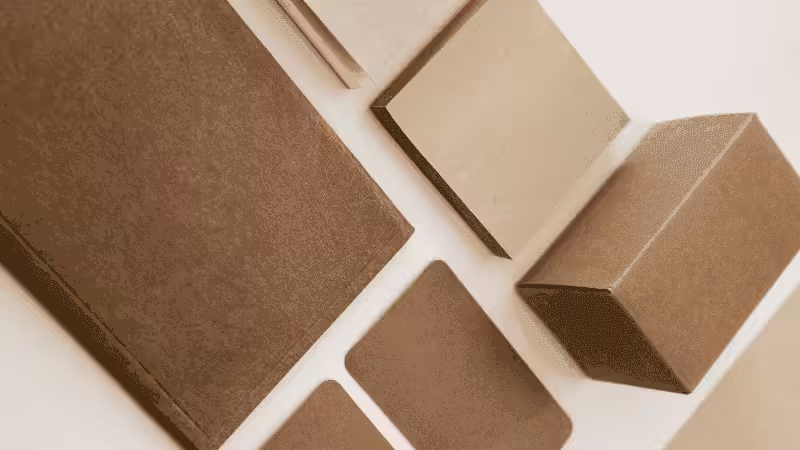
It is a type of kraft paper that has a beige or light brown color. It is made by partially bleaching the pulp during manufacturing, giving it a more muted color than the white version. Natural kraft paper has a more organic and earthy appearance compared to brown or white types and is often used for crafts and DIY projects where a natural look is desired.
Black Kraft Paper
We cannot discuss kraft paper colors without mentioning black. Black kraft paper adds sophistication and is often used for luxury packaging. Whether used for jewelry or high-end apparel, black kraft adds a premium feel and is popular for high-end packaging of luxury products. Because of its dark shade, designers must remember that black kraft requires high-contrast inks for legibility and is suitable for luxury packaging.
Colored Kraft Paper
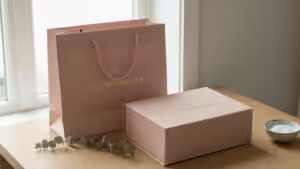
Beyond the standard shades, kraft paper can be made in a variety of colors through dyeing, including pastels and bold shades, often used in seasonal promotions. In fact, kraft paper can be dyed into many different colors, including red, green, and blue.
Colored kraft paper allows brands to express creativity and match their visual identity. Colored/dyed kraft paper is available in various vibrant hues and is widely used for creative packaging and retail supplies. However, eco-conscious businesses should remember that colored kraft paper can affect recyclability depending on the dye used during production.
Properties of the Papers
In terms of properties, brown kraft paper is the strongest, most durable, and tear-resistant of the three types, while white paper is the smoothest and best suited for printing and labeling applications.
The bleaching process makes it more smooth and ideal for printing projects. The natural brown paper falls somewhere in between, with a more organic appearance compared to white kraft paper but still retaining some of the strength and durability of brown kraft paper.
Common Uses for Each Color of Kraft Paper
The brown kraft type is used for making shipping boxes, bags, and other covering for heavy or bulky items. It is also used in crafts and DIY projects, book covers, wrapping paper, and floor protection during construction.
On the other hand, the white kraft type is used in printing and labeling applications, such as boxes and shipping containers for delicate or sensitive items, arts and crafts, and gift wrapping. Finally, the natural kraft type is used in crafts and DIY projects, gift wrapping, wrapping paper, scrapbooking, and product packaging for natural and organic products.
Choosing the Right Kraft Paper for Your Needs
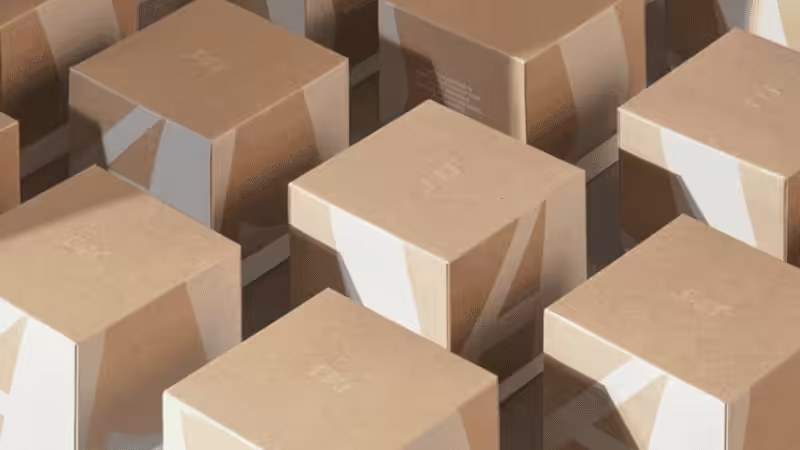
When choosing the right kraft paper for your needs, there are several factors to consider, including:
Color
As discussed earlier, the color of kraft paper can affect its properties and suitability for different applications. Consider which color best fits the aesthetic or functional needs of your project.
Weight
Kraft paper is available in various weights, from light to heavy. Heavier weights are more durable and better suited for packaging heavy or bulky items, while lighter weights are better for printing and labeling applications.
Texture
Depending on the manufacturing process, kraft paper can have a smooth or rough texture. Consider the desired texture for your application, whether it’s a smooth surface for printing or a rough texture for crafts.
Strength
Different types of kraft paper have varying levels of strength and durability. Consider the level of strength needed for your specific application, whether it’s for heavy-duty packaging or lighter crafts and DIY projects.
Selecting the right kraft paper for your needs requires careful consideration of the specific requirements and properties needed for your application. By taking the time to understand the differences between the colors and properties of kraft paper, you can make an informed decision and choose the best material for your specific needs.
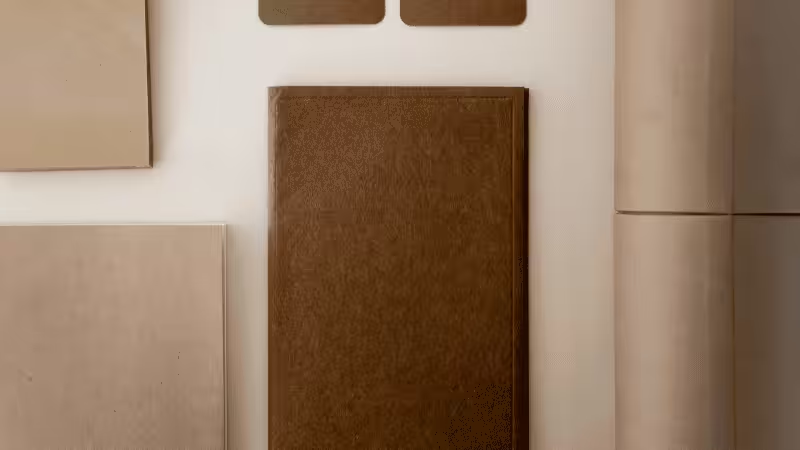
Industries and Applications for Each Kraft Paper Type
- Brown kraft paper: Packaging and shipping, construction and building, crafts and DIY projects, book covers.
- White kraft paper: Printing and labeling applications, food packaging, cosmetic packaging, medical and pharmaceutical packaging.
- Natural kraft paper: Environmentally friendly option, organic and natural product packaging, arts and crafts, scrapbooking.
Frequently Asked Questions About Kraft Paper Colors
Q1:Are all colors of kraft paper equally eco-friendly?
Unbleached brown kraft is the most natural and eco-friendly. White kraft undergoes bleaching, but modern methods are generally chlorine-free. Regardless of the shade, both are highly recyclable, biodegradable, and sustainable choices.
Q2:Does ink show up differently on white versus brown kraft paper?
Yes. White kraft offers a clean, neutral canvas that makes vibrant colors and complex logos pop. Conversely, brown kraft tends to mute colors, making it better suited for bold black ink or minimalist, rustic designs.
Q3:Is colored or bleached kraft paper safe for food contact?
Generally, yes. Virgin brown kraft is naturally FDA-approved for direct food contact. White kraft is also safe if treated with food-grade agents and soy-based inks. For greasy or wet foods, simply ensure the paper has a food-safe poly coating.
Q4:Can I get kraft paper dyed in custom colors for my brand?
Absolutely. While brown and white are standard, kraft paper can be custom-dyed or printed in virtually any color to match your branding. If you need unique shades or premium finishes, an expert provider like Packoi can seamlessly handle your custom packaging project.
Conclusion
This post has covered the basics of kraft paper, from its definitions and manufacturing process to its properties and common uses. We focused primarily on understanding the different colors of kraft paper—brown, white, and natural. When choosing the right material for your specific industry and application, it is essential to consider factors like color, weight, texture, and strength.
Whether you are using it for packaging and shipping, wrapping gifts, or arts and crafts, the right choice matters. Selecting kraft paper colors that align with your brand identity significantly enhances visual appeal, customer engagement, and loyalty. Moreover, using recycled kraft paper highlights sustainability, making it an excellent fit for eco-friendly brands.
We encourage you to share your own experiences and applications using different kraft paper rolls in the comments! Ready to bring your custom packaging ideas to life? Get Perfect Kraft Paper Projects from Packoi!
Get Perfect Kraft Paper Projects from Packoi!
Looking for packaging or printed materials designed from kraft paper? Look no further than Packoi. We are committed to offering customers outstanding packaging and printing solutions. Check our different design services and get in touch with us.