The packaging not only protects the delicate fragrance inside, but it also creates a unique and memorable experience for the user.
With a plethora of options available, choosing the right perfume packaging design can be a daunting task. In this guide, we’ll explore the various perfume packaging options, from luxurious bottles to eco-friendly materials, to help you make an informed decision.
Why Is Perfume Packaging Important?
Perfume packaging is a crucial aspect of the fragrance industry, serving both functional and aesthetic purposes. Here are some reasons why effective perfume packaging is important:
1. Protection and Preservation
Perfume packaging protects the delicate fragrance inside, ensuring that it remains fresh and potent. The packaging acts as a barrier against external factors, such as air, light, and temperature, that can affect the quality of the perfume.
Glass bottles, in particular, are effective at preserving the fragrance, as glass is impermeable and does not react with the perfume. This ensures that the perfume retains its scent and quality over time.
2. Branding Marketing
Perfume packaging is an extension of the brand, conveying its identity, values, and personality. The packaging design can help to differentiate the brand from competitors, making it more recognizable and memorable to consumers.
Perfume packaging can be used as a marketing tool, attracting attention and generating interest in the fragrance. Unique and innovative designs and attractive packaging can make a statement and create buzz around the brand and perfume.
3. User Experience
Perfume packaging can enhance the overall sensory experience of the perfume, creating a unique and memorable experience for the user. The packaging design can also make it easier to use, such as with a spray or roll-on applicator.
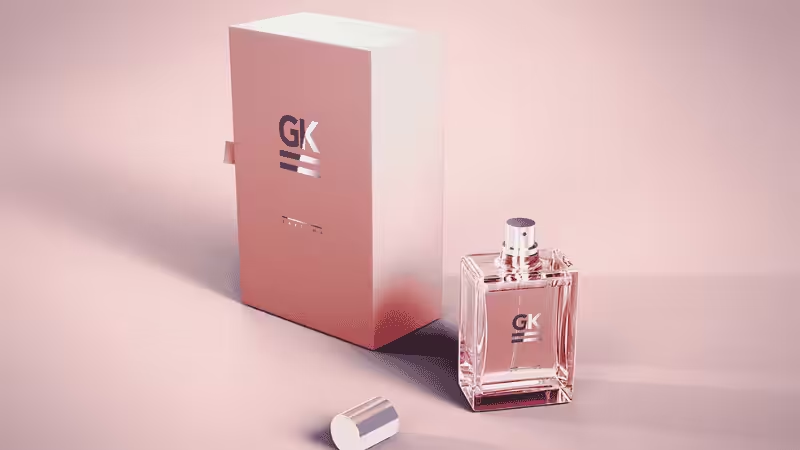
Customization options, such as personalized labels or engraved bottles, can create a unique and personalized experience for the consumer. This can help build brand loyalty and create a memorable experience for the user.
4. Sustainability
Sustainable packaging options, such as eco-friendly materials or refillable bottles, can help to reduce the environmental impact of the perfume industry. This aligns luxury perfume brands with consumer values and preferences, as more people are becoming conscious of their environmental footprint.
5. Cost-Effective
While the initial cost of high-quality packaging may be higher, it can ultimately save money in the long run. Durable and protective packaging can reduce the need for replacements or refunds, while also enhancing the brand’s reputation and appeal.
Core Essential Elements of Perfume Packaging
When it comes to perfume packaging, every detail matters. From visual appeal to branding consistency, each element of custom perfume boxes plays a crucial role in capturing the fragrance’s essence and enticing consumers.
These key elements work together to create a captivating, functional, and memorable product package:
1. Visual Appeal
Visual appeal is the first impression the box packaging of a perfume makes on a potential buyer. The packaging should be visually striking, with colors, patterns, and textures that reflect the fragrance inside.
A well-designed label or box can convey the mood and personality of the perfume, enticing customers to pick it up and experience the scent within.
2. Bottle Design
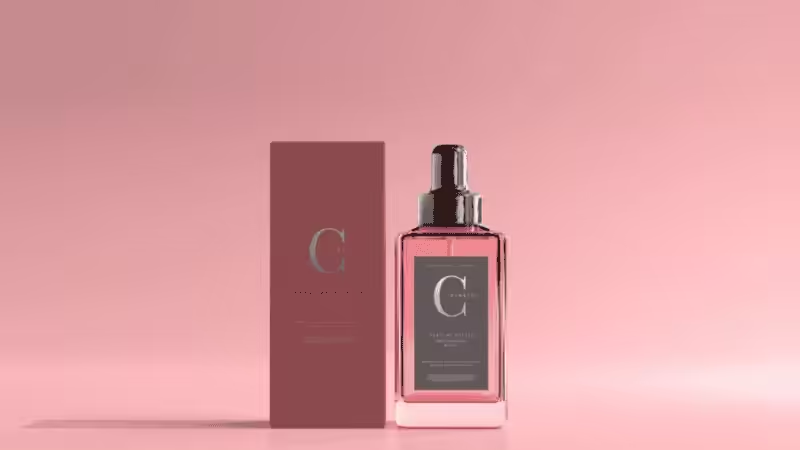
The bottle is the centerpiece of perfume packaging, and it must balance aesthetic appeal with practical functionality. Its primary role is to preserve the fragrance and make it easy for consumers to use.
- The bottle’s shape, size, and material should complement the fragrance and align with the brand’s identity for a cohesive look.
- Key functional considerations include leak-proof seals, easy-to-use applicators, and durability for transportation and daily use.
3. Branding Elements
Branding elements are essential for building brand recognition and customer loyalty. All packaging should feature consistent brand identifiers that align with the overall brand image.
Core branding elements to display prominently:
- Brand logo and tagline
- Signature brand colors
- Custom typography unique to the brand
These elements differentiate the product from competitors and reinforce brand recall every time a consumer interacts with the packaging.
4. Packaging Design
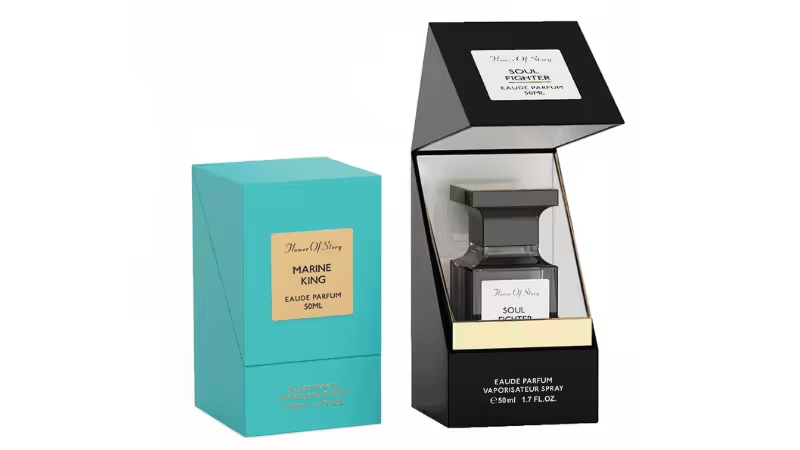
Packaging design extends far beyond the bottle—it includes the outer box, shipping container, or sleeve that houses the product. The outer packaging has two core roles: protecting the bottle during transit and elevating the unboxing experience.
To create a sense of luxury and exclusivity, brands can use:
- High-quality, durable materials
- Unique box shapes or structures
- Innovative opening mechanisms (e.g., magnetic closures, pull tabs)
5. Informative & Compliant Additional Elements
Transparency and compliance are critical for modern perfume packaging. Including clear, accurate information builds consumer trust and meets global regulatory standards.
Must-have additional elements:
- Ingredients List: Caters to consumers with allergies, sensitivities, or clean beauty preferences, and builds brand transparency.
- Usage Instructions: Clear, concise guidance on how to use the perfume (e.g., spray application tips) to enhance the user experience and prevent misuse.
- Batch Code/Expiry Date: Lets consumers track product freshness and verify authenticity, a key safeguard against counterfeiting.
- Fragrance Notes: Lists top, middle, and base notes to help consumers understand the scent profile before purchasing.
- Allergen Disclosures: Mandatory in most regions (e.g., EU Cosmetics Regulation) to list common fragrance allergens in a legible font.
Perfume Packaging: Primary Packaging Types & Materials
Primary packaging is the container that directly holds the perfume (e.g., bottles, vials). It is the most critical layer for fragrance preservation and user interaction, blending artistry and functionality.
Below are the most common primary packaging options, including their key features, benefits, and ideal use cases:
1) Glass Bottles
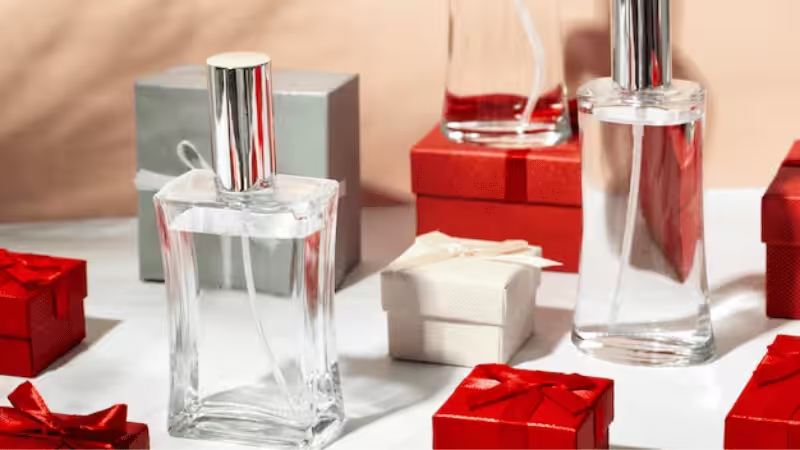
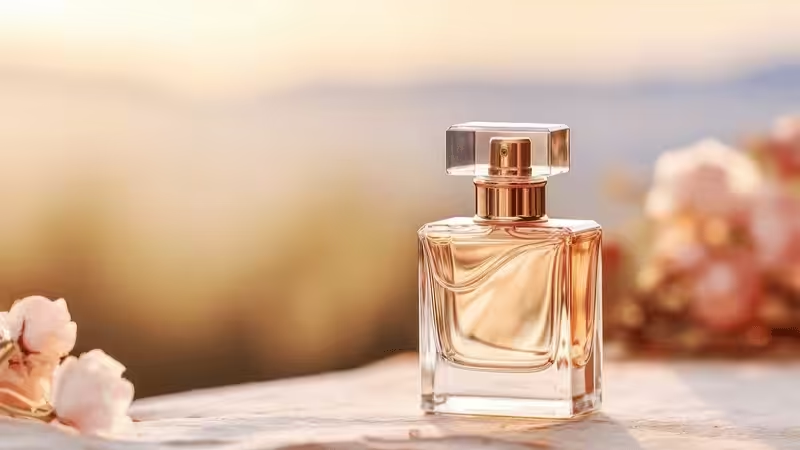
Glass bottles are a timeless, classic choice for perfume packaging, renowned for their elegance and superior fragrance preservation capabilities. They add a touch of luxury to any product and are the top choice for mainstream and luxury fragrance brands alike.
Key features:
- Shape: Ranges from traditional cylindrical to artistic, custom designs—shapes can reflect the fragrance’s personality (e.g., sleek for modern scents, ornate for luxury fragrances).
- Size: Versatile, with travel-sized options (10-30ml) for on-the-go use and larger sizes (50-100ml+) for a luxurious, substantial presentation.
- Design Finishes: Frosted glass, colored glass (amber, matte black for UV protection), etching, engraving, and hand-painted details for unique visual appeal.
- Core Benefit: Impermeable and non-reactive with perfume formulas, ensuring maximum scent preservation over time.
2) Plastic Bottles
Plastic bottles are a cost-effective, lightweight alternative to glass, making them ideal for budget-friendly brands, travel-sized perfumes, and sample vials. They offer unbeatable convenience and versatility for on-the-go use.
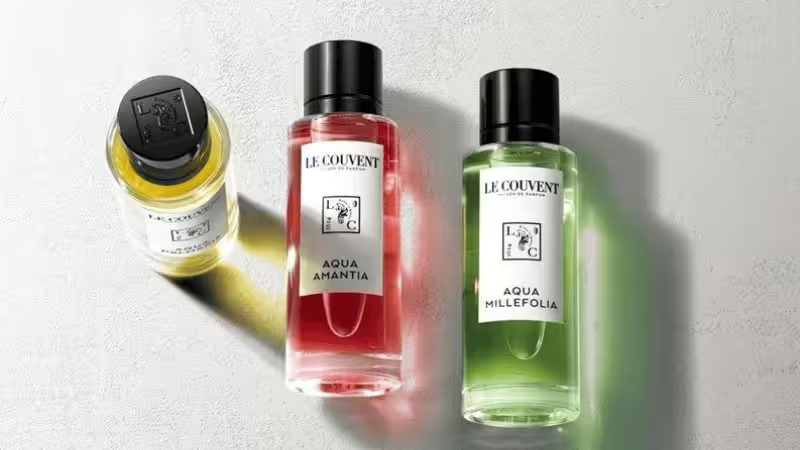
Key features:
- Material: Common options include PET and PVC, both durable, shatter-resistant, and resistant to minor damage during transit.
- Design: Moldable into a wide range of shapes and sizes; can be customized with labels, screen printing, or colored plastic for brand alignment.
- Core Benefit: Low production and shipping costs, with superior portability for travel and sample products.
3) Metal Bottles
Metal bottles (aluminum, stainless steel) are a modern, sleek option for perfume packaging, adding a touch of sophistication and durability. They are a popular choice for niche, contemporary, or gender-neutral fragrance brands.
Key features:
- Material: Aluminum (lightweight) and stainless steel (ultra-durable) are the most common; both are shatter-proof and recyclable.
- Design: Available in various shapes and sizes, with customizable finishes (matte, gloss, brushed metal, metallic coatings) for a premium look.
- Core Benefit: Exceptional durability for daily use and travel, with a modern, minimalist aesthetic that stands out on shelves.
4) Sustainable Materials
In line with global eco-conscious trends, sustainable primary packaging materials are rapidly gaining popularity. These options reduce environmental impact while catering to the growing base of eco-friendly consumers.
Top sustainable primary packaging materials:
- Bamboo: Fast-growing, renewable material used for bottle caps, full bottle bodies, or decorative accents—adds a natural, organic aesthetic.
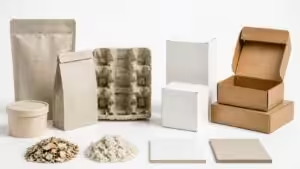
- Recycled Paper: Recycled paper can be used to create boxes or sleeves for perfume packaging, offering a sustainable and eco-friendly option.
- Recycled Glass/Plastic: Post-consumer recycled glass or plant-based bioplastics (sugarcane, corn starch) that maintain the functionality of traditional materials with a lower carbon footprint.
- Biodegradable Plastics: Break down naturally in industrial composting facilities, ideal for sample vials and travel-sized products to reduce single-use waste.
- Cork: 100% renewable material used for bottle stoppers and caps, perfect for natural, artisanal fragrance brands.
5) Refillable & Reusable Primary Packaging
A fast-growing trend in sustainable perfume packaging, refillable systems let consumers reuse the primary bottle and refill the fragrance with bulk refills. This reduces packaging waste and builds long-term brand loyalty.
Common refillable designs:
- Pump-to-bottle refill containers (50-100ml) for at-home refills
- Magnetic/click-in cartridges that snap into a reusable outer bottle
- Refillable atomizers for travel, compatible with full-size perfume bottles
Perfume Packaging: Secondary Packaging Options
Secondary packaging is the outer layer that encases the primary perfume bottle (e.g., boxes, sleeves, bags). It serves as an extra layer of protection during shipping, enhances the unboxing experience, and reinforces brand identity on retail shelves.
Below are the most popular secondary packaging options, with their key features and brand use cases:
1) Boxes
Perfume boxes are the most common secondary packaging option, balancing protection, brand storytelling, and visual appeal. They are fully customizable to align with a brand’s aesthetic and values.
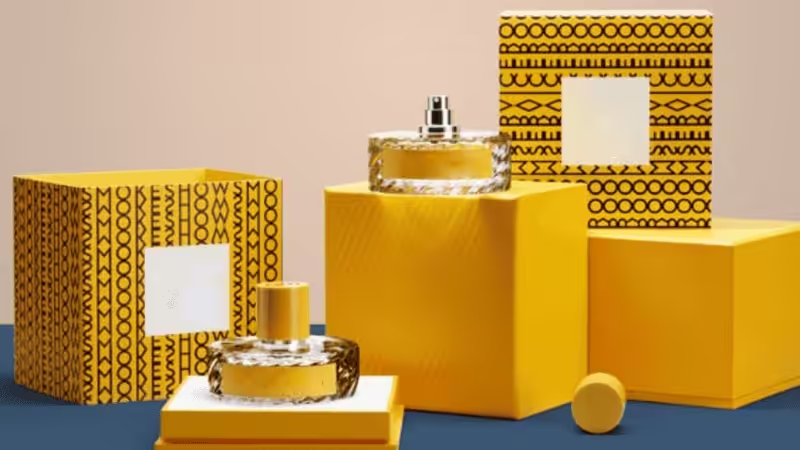
Key features:
- Shape: Traditional square/rectangular, or unique round/cylindrical designs for a standout look.
- Material: Paper, cardboard, corrugated cardboard (for shipping), FSC-certified recycled paper (for sustainable brands).
- Design Finishes: Embossing, debossing, hot foil stamping (gold/silver/holographic), UV printing, soft-touch coatings, and textured paper.
- Core Benefit: Versatile for all brand types, with endless customization to elevate the unboxing experience and protect the bottle during transit.
2) Sleeves
Sleeves add an extra layer of elegance and protection to luxury perfume packaging. They are a simple yet effective way to enhance visual appeal without the cost of a fully custom box.
Key features:
- Material: Premium paper, cardboard, or fabric (for ultra-luxury brands).
- Design: Customizable with foil stamping, embossing, printing, or textured finishes; easy to slide on/off the bottle/box for a seamless unboxing experience.
- Core Benefit: Adds a sense of exclusivity and luxury, ideal for limited-edition fragrances and gift sets.
3) Wraps
Wraps are a finishing touch that adds anticipation and exclusivity to perfume packaging. They are used to seal boxes or bottles, signaling a “fresh, unopened” product to consumers.
Key features:
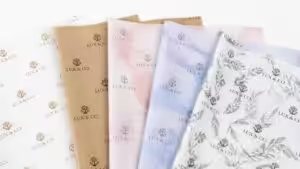
- Material: Cellophane (clear/colored), decorative paper, tissue paper, or eco-friendly compostable film.
- Design: Can be printed with brand logos, patterns, or holiday motifs; paired with stickers/seals for a secure, polished finish.
- Core Benefit: Low-cost way to enhance the unboxing experience and protect the product from dust/damage in retail settings.
4) Gift Sets
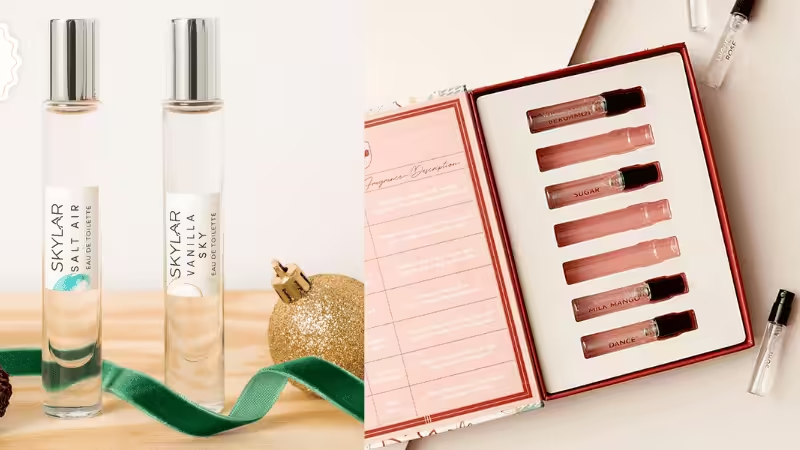
Gift sets are a popular secondary packaging option for special occasions (holidays, birthdays, anniversaries), offering a curated selection of perfumes and complementary products (e.g., body lotion, travel atomizers).
Key features:
- Material: Premium cardboard, gift boxes with magnetic closures, fabric pouches, or wooden crates (for luxury sets).
- Design: Fully customizable with brand branding, festive finishes, and custom inserts to hold products securely.
- Core Benefit: Drives higher average order values and is a top seller for gifting seasons; ideal for showcasing multiple fragrance variants.
5) Bags
Perfume bags are a convenient, stylish secondary packaging option for gifting or carrying perfumes on the go. They are a popular add-on for retail purchases and luxury brand gifting.
Key features:
- Material: Fabric (satin, canvas), premium paper, or recycled non-woven fabric (for sustainable brands).
- Design: Decorated with brand logos, embroidery, printing, or ribbon handles; available in various sizes for single bottles or gift sets.
- Core Benefit: Reusable by consumers, extending brand exposure beyond the initial purchase; adds a premium gifting touch.
6) Protective Shipping Packaging
Often overlooked, functional shipping packaging is a critical secondary packaging layer for e-commerce and bulk brand shipments. It ensures the perfume bottle arrives at retailers or consumers undamaged.
Key protective features:
- Custom molded pulp/EVA foam inserts to hold bottles securely.
- Double-walled corrugated boxes for bulk shipments.
- Bubble wrap or air pillows for extra shock absorption.
- “Fragile” and “This Side Up” labeling for shipping carriers.
How to Choose the Right Perfume Packaging?
Choosing the right perfume packaging is a strategic decision that balances fragrance preservation, brand identity, user experience, and budget. The perfect packaging aligns with your brand’s values, target audience, and retail goals.
Below is a comprehensive, step-by-step guide to help you select the ideal packaging, covering customization, printing, and functional design considerations:
Customization and Branding Options
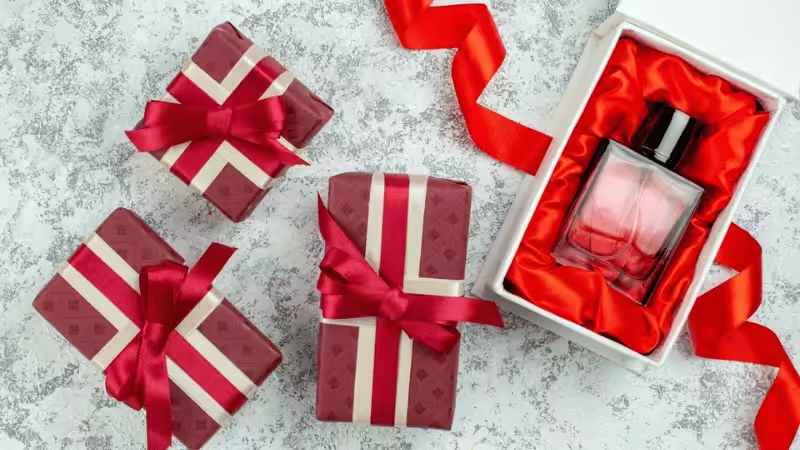
Customization and branding options are key factors to consider when choosing the right material for perfume packaging. The packaging should reflect the brand’s personality and values, as well as appeal to the target audience.
- Shape and Size: The shape and size of the packaging should complement the fragrance and reflect the brand’s identity. For example, a sleek and modern bottle may be more appropriate for a contemporary brand, while a more ornate and decorative bottle may be more suitable for a luxury brand.
- Material: The material of the packaging should align with the brand’s values and appeal to the target audience. For example, a sustainable brand may opt for eco-friendly materials like bamboo or recycled paper, while a luxury brand may opt for glass or metal.
- Color and Finish: The color and finish of the packaging should reflect the brand’s personality and complement the fragrance. For example, a fresh and fruity fragrance may be paired with bright and bold colors, while a more sophisticated and elegant fragrance may be paired with muted and neutral tones.
Labeling and Printing Techniques
Labeling and printing techniques are essential for conveying important information about the fragrance and enhancing the visual appeal of the packaging.
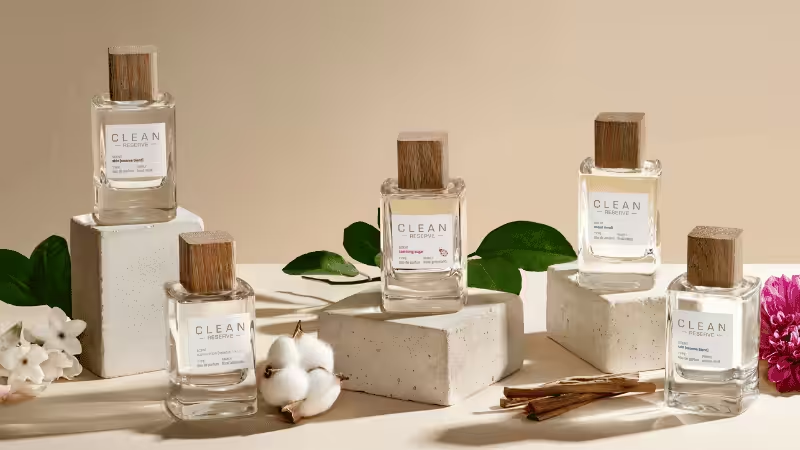
- Labeling: The label should include important information about the fragrance, such as the name, scent notes, and concentration. The label should also be easy to read and visually appealing.
- Printing Techniques: Various printing techniques can be used to enhance the visual appeal of the packaging, such as embossing, debossing, hot foil stamping, and UV printing. These techniques can add texture, depth, and color to the packaging, making it more visually appealing and memorable.
Packaging Boxes and Cases
Packaging boxes and cases serve both functional and aesthetic purposes, protecting the fragile glass bottle and enhancing the customer and overall unboxing experience.
- Material: The material of the packaging box or case should complement the material of the bottle and reflect the brand’s identity. For example, a luxury brand may opt for a high-quality paper box or leather case, while a sustainable brand may opt for a recycled paper box or bamboo case.
- Design: The design of the packaging box or case should complement the design of the bottle and reflect the brand’s personality. For example, a minimalist brand may opt for a simple and understated box, while a more ornate brand may opt for a decorative and intricate box.
- Functionality: The packaging box or case should be functional and easy to use, allowing for easy access to the bottle and protecting it from damage during transportation.
FAQs
Q1: What are the best materials for perfume packaging?
There is no single best material, only what fits your brand. Delicate glass bottles offer premium protection and a luxury feel. Eco friendly perfume packaging made from recyclable materials appeals to eco conscious consumers. For high end packaging, rigid boxes with soft touch lamination or embossed logos create a lasting impression.
Q2: How can I make my perfume packaging more sustainable?
Choose eco friendly packaging like recyclable materials, refillable bottles, or biodegradable components. Many perfume brands use FSC-certified paper for perfume cartons and add inner trays made from recycled pulp. Limited edition perfume packaging with minimal waste also helps attract eco conscious consumers.
Q3: What customization options are available for perfume boxes?
You can fully customize perfume box packaging with unique shapes, premium finishes, and branding elements. Popular options include embossed logos, foil stamping, matte lamination, and digital printing for vibrant colors. For a luxury touch, consider wooden caps, magnetic caps, drawer boxes, or slide boxes to attract customers.
Q4: How do I choose the right box style for my perfume?
Your box style should match your brand positioning. Rigid boxes offer strong structural support for high end packaging. Folding cartons are cost-effective for efficient production and retail display. For a memorable unboxing experience, consider outer sleeve designs or magnetic closure boxes to boost perceived value and repeat purchases.
Conclusion:
For fragrance brands, packaging is more than just a container. It preserves scents, conveys brand stories, and creates an immersive customer experience. Every detail, from bottle materials to packaging finishes, helps turn a perfume into a treasured product.
Glass offers excellent fragrance protection, while sustainable materials match modern consumer values. Branding and custom printing add a sense of luxury, and delicate outer packaging improves protection and unboxing experience. Eco-friendly and refillable designs are no longer trends, but essential demands from customers and retailers. Compliance is a must for global sales.
With quality, creativity, sustainability and compliance, fragrance brands can attract consumers, stand out on shelves and build long-term emotional connections. Outstanding packaging turns a simple fragrance into an unforgettable experience.
Elevate your fragrance packaging with Packoi‘s expert design services. Discover the perfect solution for your business by creating captivating and sustainable packaging that resonates with your consumers.
Reach out to us to learn more about us. You can also explore our design services.