Choosing the right packaging is an important part of shipping clothes safely and cost-effectively. The best packaging depends on the type of garment, the order size, the shipping distance, and the level of protection required.
Lightweight items such as T-shirts can often be shipped in mailers, while bulky, delicate, or premium garments may require stronger boxes and additional protection.
What type of packaging should you use for different garments? When is a poly mailer enough, and when do you need a corrugated box? How can you reduce packaging and shipping costs without increasing the risk of damage?
This guide explains the best packaging options for shipping clothes and how businesses can choose materials, sizes, and protective features for different types of apparel.
What Is the Best Packaging for Shipping Clothes?
The best packaging for shipping clothes depends on the type of garment, the number of items in each order, the shipping distance, and the level of protection required.
Lightweight and durable apparel can often be shipped in poly mailers, while bulky orders usually need corrugated boxes. Premium garments may require rigid packaging to protect both the clothing and the presentation. Delicate or wrinkle-prone items can benefit from tissue paper, garment bags, or wardrobe-style boxes.
Clothing Type | Recommended Packaging |
T-shirts and lightweight apparel | Poly mailers |
Jeans and multiple garments | Heavy-duty mailers or corrugated boxes |
Bulky jackets and hoodies | Corrugated shipping boxes |
Silk and delicate fabrics | Tissue paper with a protective box |
Premium apparel | Rigid boxes or heavy-duty paperboard packaging |
Suits and formal dresses | Garment bags or wardrobe boxes |
Choosing packaging based on the product instead of using one format for every order can help reduce unnecessary material costs while providing the right level of protection.
Types of Packaging for Shipping Clothes
Choosing a suitable packing material is the first and most crucial step in shipping clothes. Luckily, there are several packaging material options available for domestic and commercial use.
These materials can be differentiated based on three main factors:
- Price
- Rigidity
- Thickness
Thinner materials are less rigid and provide less protection. Hence, they are considerably less expensive. Following is a brief list of the most popular clothing packing materials.
Poly Mailers for Lightweight Clothing
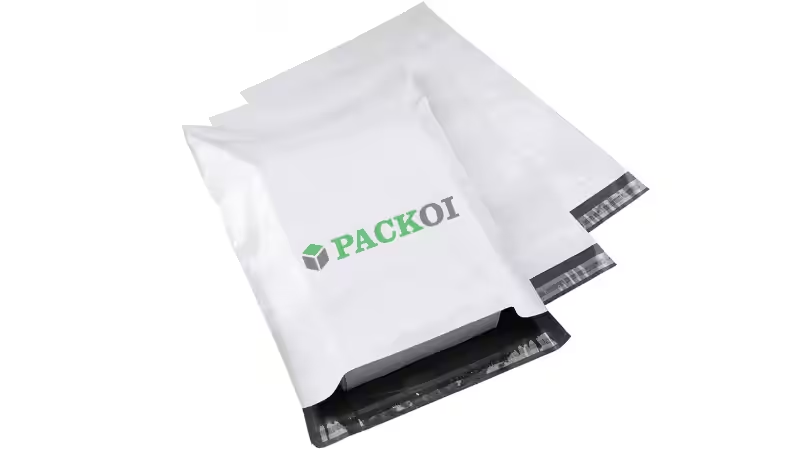
A polythene mailer is a lightweight and cost-effective plastic bag that is commonly used for apparel shipping. These bags are made of low-density polyethylene and are surprisingly robust for their thickness.
Poly mailers are particularly useful for high-volume apparel fulfillment because they are lightweight, flexible, and easy to store. They can be used for many domestic and international shipments, depending on carrier requirements and the level of protection needed.
Low-margin clothing orders don’t justify the use of high-performance packing materials, particularly for three types of items:
- T-shirts
- Sweatpants
- Jeans
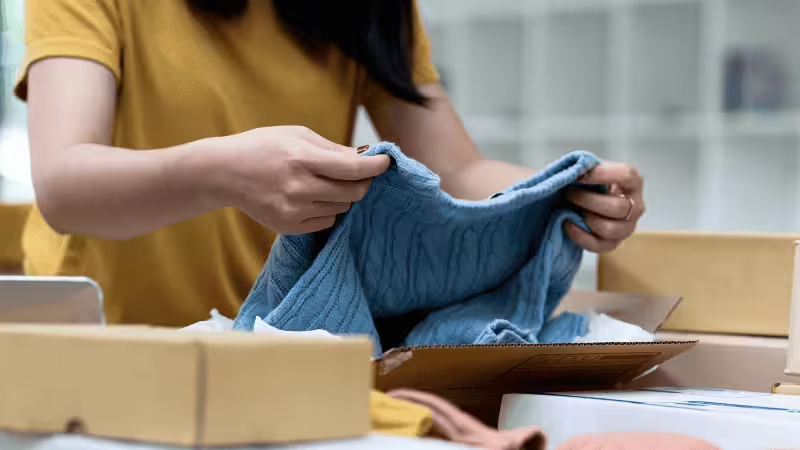
For durable, non-fragile apparel, place the folded garment in a suitable poly mailer bag, seal it securely, and apply the required shipping label. For garments that need extra protection from moisture, dirt, or handling, an individual inner bag can provide an additional protective layer.
If you buy poly mailer bags in bulk, a bulk discount will make this the cheapest way to ship clothes.
How to Choose the Right Poly Mailer Size
The right poly mailer should fit the folded garment without creating excessive empty space. A mailer that is too small may stretch or tear, while an oversized mailer can increase material waste and allow the clothing to move during transit.
For single T-shirts or lightweight garments, a compact mailer is often sufficient. Hoodies, jeans, and multi-item orders usually require a larger format or a stronger outer package.
Businesses should test several garment sizes before placing a bulk packaging order. Using a small range of standardized mailer sizes can simplify warehouse operations while keeping packaging costs under control.
When Should You Avoid Using Poly Mailers?
Poly mailers are not the right choice for every clothing shipment. Premium garments, formalwear, and wrinkle-prone clothing may require a more structured package to maintain their shape and presentation.
You should also consider avoiding flexible mailers when shipping large multi-item orders or products that include a branded retail box. In these cases, corrugated boxes provide better protection against compression and rough handling.
A stronger package may cost more than a standard mailer, but it can help reduce damaged products, returns, and replacement costs for higher-value apparel.
Cardboard and Corrugated Boxes for Clothing
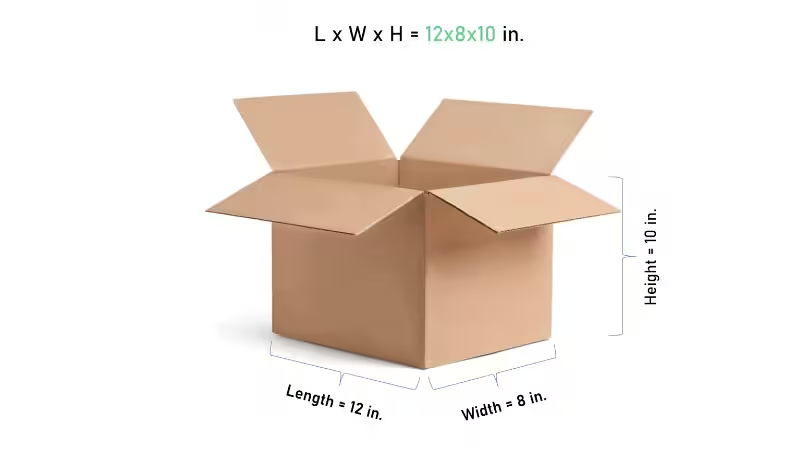
Honestly, if you need to ship clothes or any other product, cardboard boxes should be at the top of your list. They are lightweight, cost-efficient, and provide good protection. Cardboard boxes only have one flaw, and that’s their size. A typical cardboard box will occupy the same space as a dozen poly mailers.
Choosing between the two packaging materials comes down to cost and efficiency. Cardboard boxes for clothes packaging cost slightly more than poly mailer packets, and they take longer to package clothes. So, a typical application of cardboard involves either expensive or large clothing shipments.
The higher rigidity of cardboard provides much better protection while maintaining a smaller carbon footprint. You can ship your clothes in one of two types of cardboard boxes.
Hard Cardboard

Rigid boxes and heavy-duty paperboard packaging are commonly used for premium apparel that requires stronger protection and a higher-end presentation. Compared with flexible mailers, these packaging options provide better shape retention and can help protect garments and branded presentation boxes during handling and transit.
Hard cardboard also comes in full-color printed options to maintain a certain stylistic look. Hence, it is not uncommon for a branded wardrobe box to be made of this material.
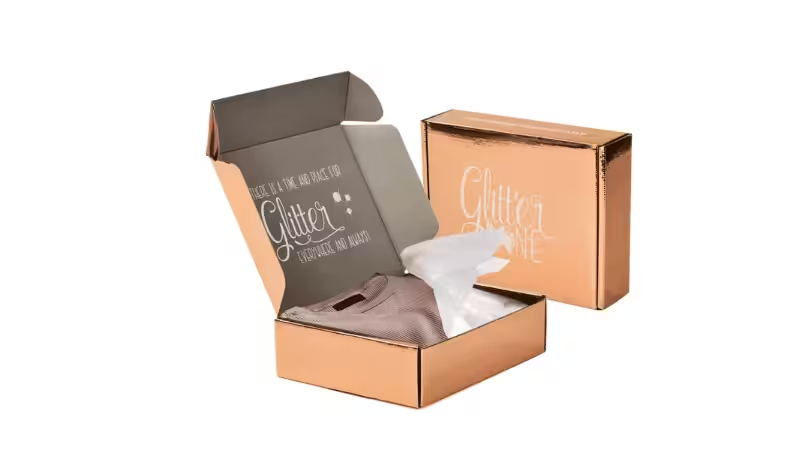
Brands often use wardrobe boxes, which can avoid wrinkles and the extrusion of clothes and minimize shipping damage.
For international shipping options, you cannot beat hard cardboard. It can survive even the roughest of journeys, and the added material expense is negligible compared to shipping costs.
Corrugated Cardboard
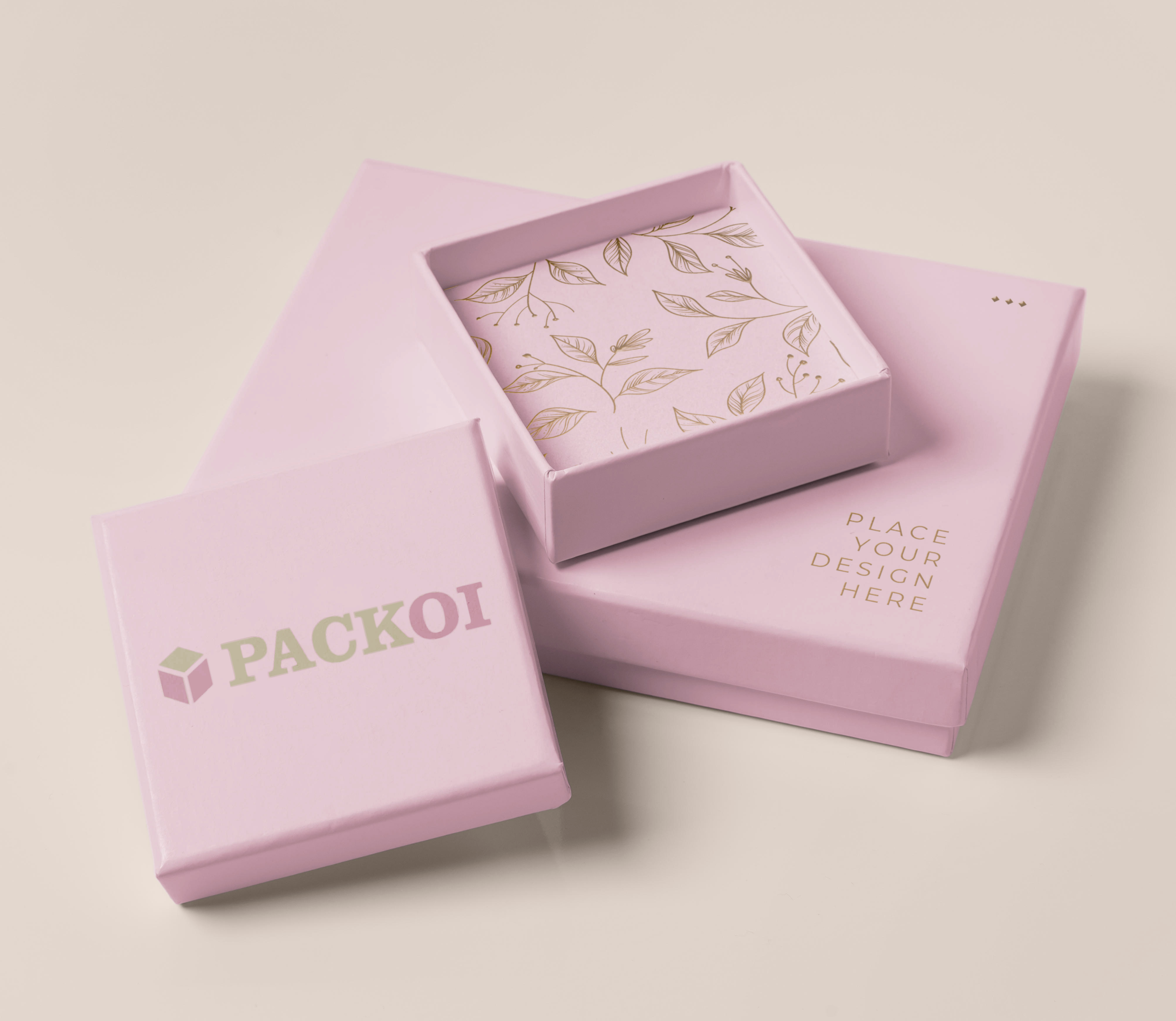
Corrugated boxes are a low-cost alternative to hard cardboard. They provide a similar level of damage protection at a fraction of the cost. You will typically see this type of packaging material being used to ship heavy products worldwide.
The shipping process can expose clothing to moisture, dirt, compression, and rough handling. Delicate garments may also become wrinkled or lose their presentation quality when they are packed without enough protection.
When shipping apparel across the world, it is recommended that you ship products in an individual clear plastic garment bag. Then you compile them together into large shipments using corrugated shipping boxes.
Specialty Packaging for Premium or Delicate Apparel
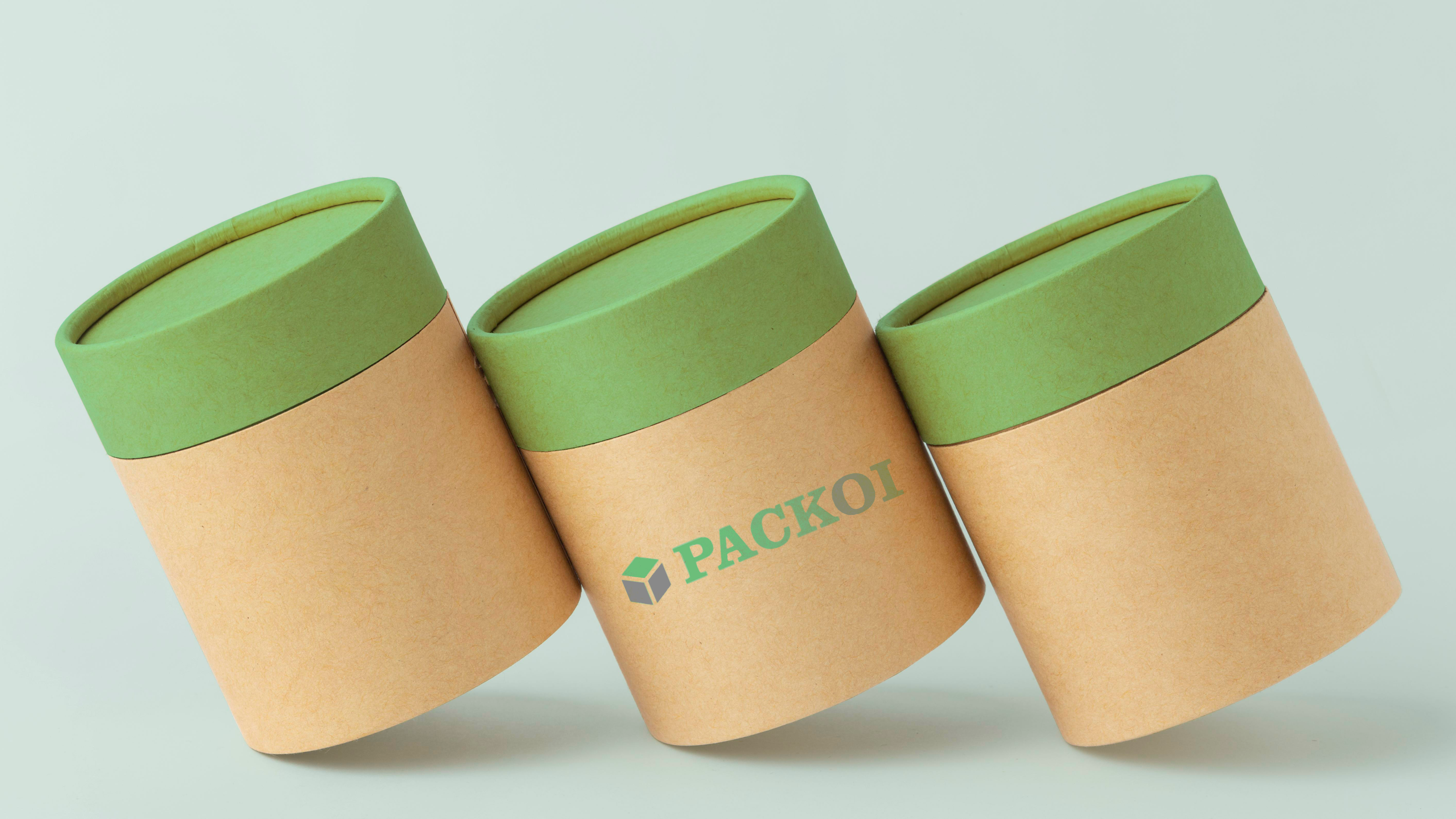
If you’re shipping shirts or jeans, you have some easy options like poly mailer bags or cardboard boxes. But for certain unique items, you may want to look into custom packaging materials. Ties, socks, undergarments, and such benefit from more compact packing containers, like paper or cardboard tubes.
Cardboard tubes take less space than a box, so using them for shipping small clothing is a no-brainer. Tube packaging not only reduces shipping costs but also brings a unique unboxing experience.
These paper tubes are very similar to the ones found at the center of tissue paper rolls. But the material is the only thing they have in common with tissue paper rolls. You can customize tube packages to display your brand colors and logo.
Sustainable Packaging Options for Shipping Clothes
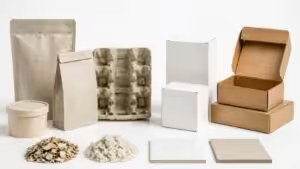
Many apparel brands are reducing unnecessary packaging by choosing lightweight, recyclable, or recycled-content materials. The most suitable option depends on the product, shipping conditions, and local recycling systems.
Right-sized packaging is often one of the simplest ways to reduce material use. A properly sized mailer or box can reduce empty space, limit the need for additional void fill, and help lower dimensional shipping costs.
Paper-based mailers, recycled paper packaging, and corrugated boxes made with recycled content can also support sustainability goals. However, businesses should still choose materials based on the protection required for the garment rather than replacing packaging materials without testing their performance.
How to Package Clothes for Shipping Safely
Whether you are an individual trying to ship clothes to a relative or a large company in the clothing business, you will generally follow the same guidelines for freight. So here is a complete guide on how to package clothing for shipping.
Step 1: Clothing Type
Before you package clothes for shipping, you need to outline the type of clothing. You can categorize your clothing into the following categories:
- Everyday Apparel
- T-shirts
- Sweatpants
- Casual shirts
- Jeans
- Bulky Apparel
- Winter jackets
- Hoodies
- Heavy denim
- Multiple-item orders
- Delicate Apparel
- Silk clothing
- Lace garments
- Lingerie
- Swimwear
- Premium or Formal Apparel
- Tailored suits
- Wedding dresses
- Designer garments
- Limited-edition apparel
Step 2: Packaging Material
The packaging material should match the garment’s weight, value, size, and protection requirements. Lightweight and durable apparel can often be shipped in poly mailers, while bulky, premium, delicate, or wrinkle-prone garments may require a structured corrugated or rigid box.
The goal is to avoid both under-packaging and over-packaging. Using more material than necessary can increase packaging and shipping costs, while insufficient protection can lead to damaged products and costly returns.
- Daily T-Shirts: Most suitable for lightweight and low-cost poly mailers, which maximize weight reduction and protect your business from expensive volumetric weight penalties.
- Heavy Winter Jackets: Most suitable for heavy-duty vacuum-seal bags or compressible zip bags paired with an outer box to drastically reduce and compress physical volume during transit.
- Silk Pajamas: Most suitable for wrapping in protective tissue paper placed inside a premium cardboard gift box to elevate the brand’s unboxing experience and prevent friction damage.
- Formal Suits: Most suitable for specialized, hanging garment bags packed flat within structured corrugated boxes to ensure the clothing remains wrinkle-free and pristine upon arrival.
Step 3: Package Size & Weight
Once you have your clothing and packing materials selected, it’s time to optimize their package size and weight. Shipping weight and size directly impact the overall delivery costs.
Try to use packaging that fits the folded clothing as closely as possible without compressing or damaging the garment. Reducing unnecessary empty space can help lower dimensional weight charges and reduce the amount of void fill required.
For apparel that does not need rigid protection, lightweight mailers can help reduce package weight. When a box is required, use the smallest suitable box and choose lightweight protective materials that prevent excessive movement during transit.
Shipment weight can have a significant impact on international delivery costs. Always check the package weight and dimensions before handing the shipment to your carrier.
Step 4: Protective Padding (Optional)
For luxury items, you want to keep the designer-branded boxes intact. It’s best to ship those packages with some sort of padding for additional protection. You can place the designer box inside a properly sized corrugated shipping box and add suitable void fill or cushioning material to limit movement during transit. For higher-risk shipments, additional protective wrapping may be used around the inner package.
This added protection is necessary for domestic shipping but crucial for international shipping.
Step 5: Shipping Distance
Shipping distance can affect both transportation costs and the level of protection required. Longer shipping routes may involve more handling points and a greater risk of compression, moisture exposure, or package damage.
For international apparel shipments, businesses should consider the shipping method, transit time, package dimensions, and destination requirements when selecting packaging. Durable outer packaging and appropriate inner protection can be especially important when products travel through multiple warehouses or carriers.
Step 6: Choose a Suitable Shipping Carrier
The best carrier depends on the package size, weight, destination, delivery speed, and shipping volume. Businesses should compare available services based on their actual order profile rather than assuming one carrier will always offer the lowest cost.
For high-volume apparel shipping, negotiated business rates and fulfillment requirements can also affect the final cost. Compare carrier options regularly, especially when package dimensions or shipping destinations change.
Step 7: Check Shipping Labels and Documentation
Before dispatching the shipment, check that the shipping label contains accurate delivery information and is securely attached to the outer package. For international shipments, prepare the required customs documentation based on the destination and shipping method.
Clear and accurate labeling can help reduce delivery delays and make the shipment easier to process throughout the transportation process.
How to Reduce Clothing Packaging and Shipping Costs
Shipping rates are one of the most difficult things to manage. Even veterans of the clothing business struggle to find the cheapest way to ship clothes.
Here are a few tips to help you reduce shipping costs.
1. Shipping Items Together
Small processing fees are added to individual packages. To avoid such fees, try to combine your shipments into a single box. Ship multiple shirts and jeans together to reduce costs.
Consolidating orders not only eliminates redundant per-package handling fees from carriers but also maximizes the internal capacity of your outer cartons.
For e-commerce brands fulfilling multi-item orders, establishing a warehouse protocol that groups apparel by customer destination before labeling can lead to significant monthly savings on base freight rates.
2. Using the Smallest Package Size
It would be best if you found the right-sized box for your clothing. Smaller boxes take less space on a freight ship and thus have lower shipping rates.
Most major carriers charge based on Dimensional Weight (DIM weight) rather than actual weight.
By eliminating empty space inside the box, you protect your business from expensive oversized dimensional penalties. Selecting a snug, optimized box size ensures you are only paying for the exact volume your apparel occupies during transit.
3. Neatly Folding the Clothes
Neatly folding clothes is the cheapest way to reduce costs. The decrease in volume helps keep the box size small.
Implementing standardized folding techniques—such as the tight roll or using industrial folding boards—drastically compresses the profile of bulky garments like hoodies and denim.
This reduction in physical volume allows you to downgrade to smaller corrugated boxes or even transition to flexible poly mailers, directly shrinking your overall packaging footprint without sacrificing presentation.

4. Reduce Package Weight
Always choose the right packing materials for your clothes. A sturdy box will cost more at the initial purchase and will cost extra when shipping due to its higher weight. The weight of your packing material is directly related to the shipping rate.
To optimize your budget, evaluate when a heavy rigid box is truly necessary versus when a lightweight, heavy-duty mailer bag can suffice.
For non-fragile apparel like t-shirts and swimwear, switching to high-density, lightweight poly mailers removes unnecessary ounces from every shipment, adding up to substantial bottom-line savings across high-volume distributions.
How Custom Apparel Packaging Supports Branding
Shipping packaging can do more than protect clothing during transit. For apparel brands, custom packaging can create a more consistent brand presentation from the warehouse to the customer.
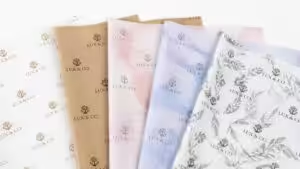
Custom-sized mailers and boxes can reduce unused space, while printed packaging, tissue paper, stickers, and inserts can support brand recognition. The goal is not to add unnecessary materials, but to choose packaging features that improve protection, operational efficiency, and presentation.
For growing brands, working with a packaging supplier can also make it easier to standardize packaging sizes and materials across different product lines and order volumes.
Frequently Asked Questions About Packaging For Shipping Clothes
Q1:What is the best packaging for shipping clothes?
The best option depends on the type of clothing and the level of protection required. Poly mailers work well for lightweight and durable apparel, while corrugated boxes are better for bulky, multi-item, premium, or delicate shipments.
Q2:What is the cheapest way to ship clothes?
Lightweight, right-sized packaging can help reduce both material costs and shipping charges. For many basic garments, a properly sized poly mailer can be more cost-effective than a box because it uses less material and takes up less space.
Q3:Which poly mailer size is best for clothing?
The best size depends on how the garment is folded and how many items are included in the shipment. Test the mailer with real products before ordering in bulk to make sure it provides enough space without creating unnecessary empty volume.
Q4:How should businesses package clothes for international shipping?
For international shipments, clothing can benefit from an inner protective layer combined with a durable outer package. Businesses should choose packaging based on the garment value, shipping distance, handling conditions, and destination requirements.
Conclusion
The best packaging for shipping clothes depends on the garment, order size, shipping distance, and level of protection required. Lightweight apparel may only need a properly sized mailer, while premium, bulky, or delicate garments often require stronger and more structured packaging.
By matching the packaging to the product and avoiding unnecessary material or empty space, businesses can protect apparel, control shipping costs, and create a more consistent delivery experience.
Why Choose Packoi for Clothing Packaging Materials?
Choosing the right apparel packaging means balancing protection, material use, shipping efficiency, and brand presentation. The right solution can help reduce unnecessary packaging costs while keeping clothing protected throughout fulfillment and delivery.
Packoi provides custom boxes, mailers, bags, and paper packaging solutions for businesses that need packaging tailored to their products and shipping requirements. Our team can help you choose suitable materials, sizes, printing options, and packaging structures for your apparel products.