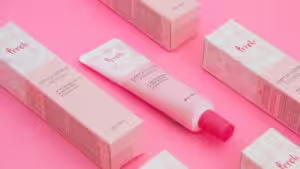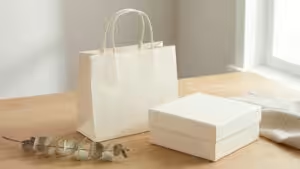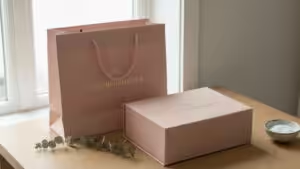
The key is to choose the right packaging design. It’s not enough that you choose bold colors or intricate lines and illustrations.
You have to come up with a design that calls out to new customers so they can become a part of your target market.
If you’re searching for cardboard packaging ideas, you’re looking for visual inspiration, cost information, and actionable designs you can implement right away. This post gives you 14 high-converting, visually appealing cardboard packaging ideas, along with cost levels and pro tips.
Why Use Cardboard Packaging for Your Products?
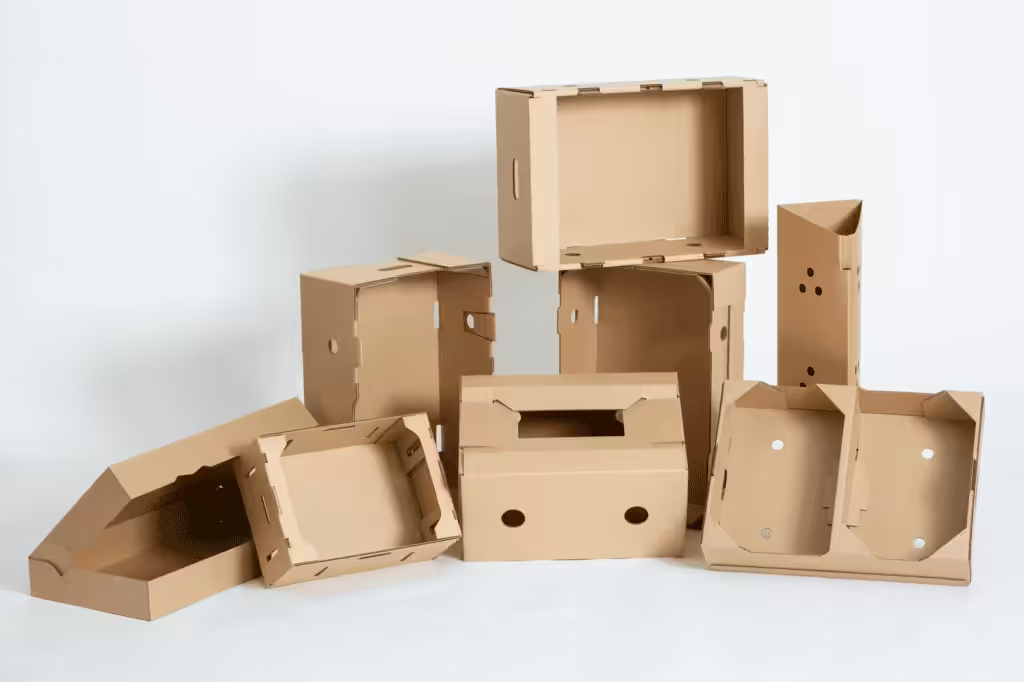
Of all the types of packaging that you can use, why should you opt for cardboard boxes? This type of packaging may seem simple, but you might be surprised by the packaging ideas you can create from it.
Unsurprisingly, this is one of the most commonly used eco-friendly packaging materials today. According to a recent Ipsos survey, 71% of consumers prefer products packaged in paper or cardboard over other materials because they see it as more eco-friendly and less wasteful. Another 67% believe paper and cardboard packaging makes a product feel more premium and higher quality, largely due to its artisanal, hand-crafted appeal. And 72% say packaging design directly influences their purchase decisions.
What does this tell you? Cardboard can make any box design possible.
But that’s not the only reason why you should consider using this packaging type for your products. Here are 4 more reasons why cardboard deserves a spot in your packaging solution.
1. Recyclable
Cardboard boxes are environmentally friendly. It’s a popular sustainable packaging because it can be recycled up to 5 to 7 times. Of course, you have to follow certain rules to make sure the cardboard stays recyclable.
For instance, anything that you decide to put on it should be environmentally friendly. If you plan to print on it, use vegetable-based ink. If you want to stick something on it, use eco-friendly adhesive. If you want to laminate it, use plant-based lamination.
You should also avoid mixing different materials with the cardboard. This will make it contaminated, and recycling facilities won’t accept it.
2. Renewable
Another reason to use cardboard packaging is that it comes from renewable sources. Cardboard and other paper-based materials come from trees.
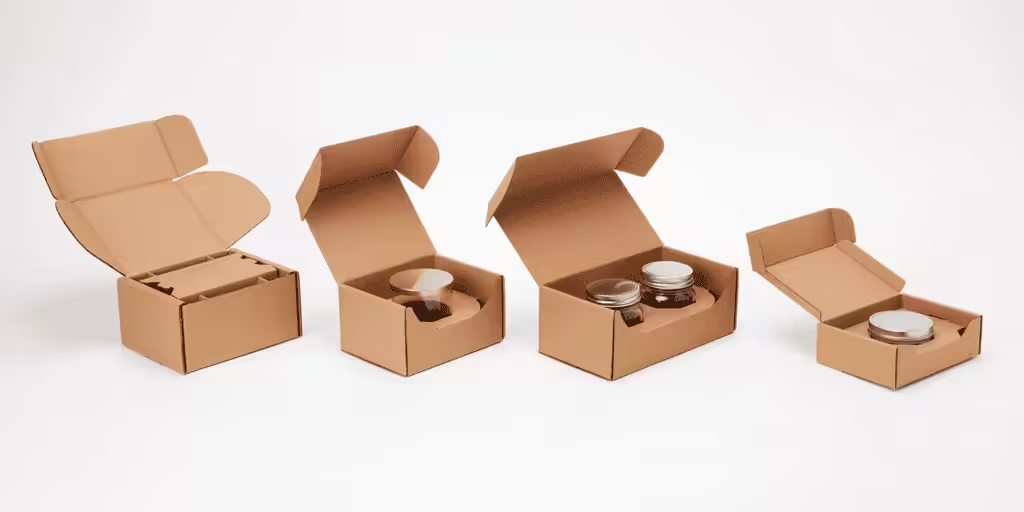
Even if we cut down trees to create more paper products, we can always plant new ones. This is good for the environment because old trees hardly benefit our environment as they age. The new and younger trees help provide more oxygen and cleanse our atmosphere of harmful greenhouse gases.
So by cutting down old trees and turning them into paper-based products, we are helping clean our air.
This would require proper forest management and careful monitoring. But when done properly, we can have an abundance of paper supplies to create multiple cardboard boxes.
3. Versatile
As a material, cardboard is incredibly versatile. You can make it into any type of packaging box design that you want.
It can be formed and shaped into any design that you want. With all the customization possibilities, it won’t be too hard to create a design that’ll attract the attention of your target audience.
You can make it look elegant and luxurious. You can deviate from the typical collapsible box and make it more functional by crafting it into a drawer-type box. That way, the customer can reuse it for storage.
4. Cost-Efficient
Using cardboard boxes isn’t the cheapest packaging material available – plastic is. But if you take into consideration the environmental damages that plastic can cause, you’ll realize that paper may be the more cost-efficient material after all.
The characteristics of cardboard also make storage and handling easier. It can be designed to be collapsible, so it doesn’t take up a lot of space to transport and store.
The packaging industry also offers a lot of variations of cardboard products. The options will give you the chance to negotiate and find the best material to give you a unique packaging solution.
14 Cardboard Packaging Design Ideas
Okay, so you’ve decided to put your products in custom packaging boxes — a smart move. But is that enough to grab attention? Probably not.
Because you can’t just toss your products into a plain box and call it done. In today’s world of unboxing videos and endless social media buzz about packaging experiences, your box needs to do more than just hold the product. It needs to tell a story, create excitement, and leave an impression.
That’s why thoughtful box design matters. To turn your packaging into a powerful marketing tool, you need a custom design that’s both creative and functional.
Here’s the good news: Cardboard boxes are one of the easiest to manipulate and design for uniqueness. It leaves a lot of room to accommodate all sorts of creative packaging ideas.
Even if you buy a plain cardboard box, you can do all sorts of things to it to make it unique to your brand. You can easily make it stand out so it attracts more customers. If you can get their attention, there’s a higher chance that they’ll buy your product.
But first, you need the right idea. Here are 14 packaging ideas to help you create boxes that consumers will love.
1. Brand Storytelling Packaging
- What to do: Use packaging to share your brand mission, origin, or values to connect with customers emotionally.
- Best For: Lifestyle brands, eco-friendly products, handmade goods, skincare.
- Cost Level: Low.
- Packoi Pro Tip: Keep text short — 1–2 sentes are enough to tell your core story.
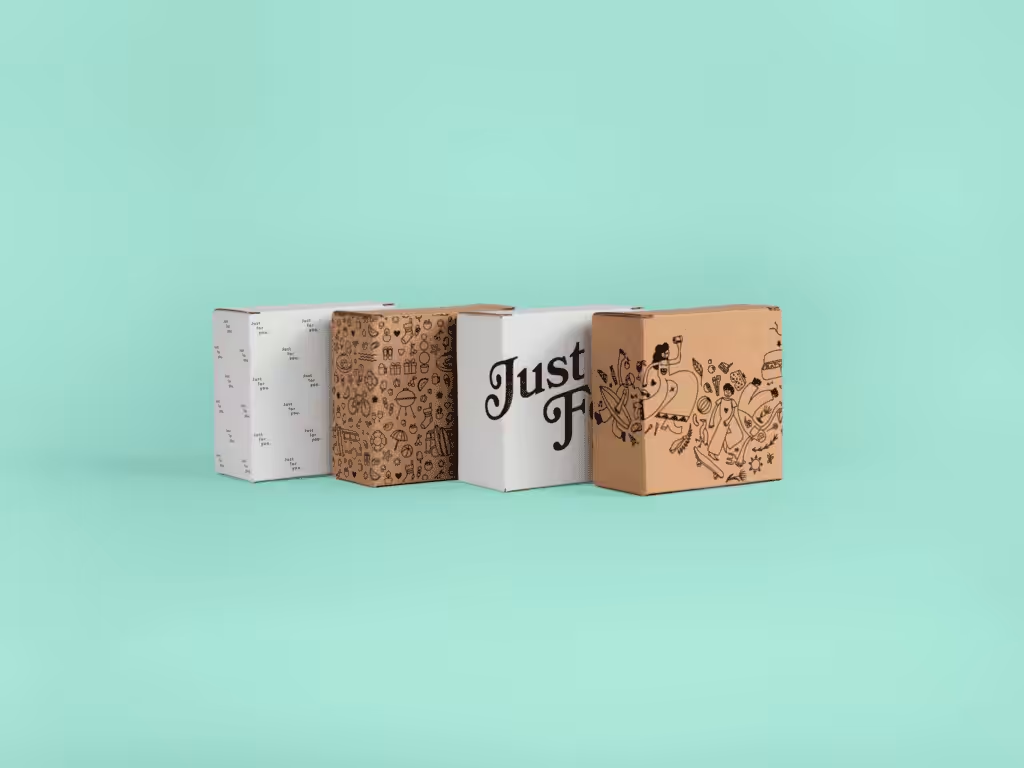
Your packaging box design is powerful because you can use it to tell a story. Stories resonate with people, evoke emotion, and drive buying decisions. Start with a story about your brand, product, or advocacy that your customers can relate to.
2. Typography & Color Psychology Packaging
- What to do: Use artistic fonts and targeted colors to grab attention and reinforce your brand identity. Choose words that describe the product and create an all-over pattern in different fonts and sizes.
- Best For: Beauty, fashion, coffee, candles.
- Cost Level: Low.
- Packoi Pro Tip: Stick to 2–3 brand colors to avoid a cluttered look.
Typography means using fonts artistically. Create patterns with words describing your product. Use colors that fit your target market or brand colors. When aligned with your brand image, your box will stand out.
3. Product-Focused Clear Window Packaging
- What to do: Use a high-quality window or product photo to let customers see the real item inside.
- Best For: Food, candles, soap, cosmetics, retail items.
- Cost Level: Low.
- Packoi Pro Tip: Use neutral background colors to make your product the focal point.
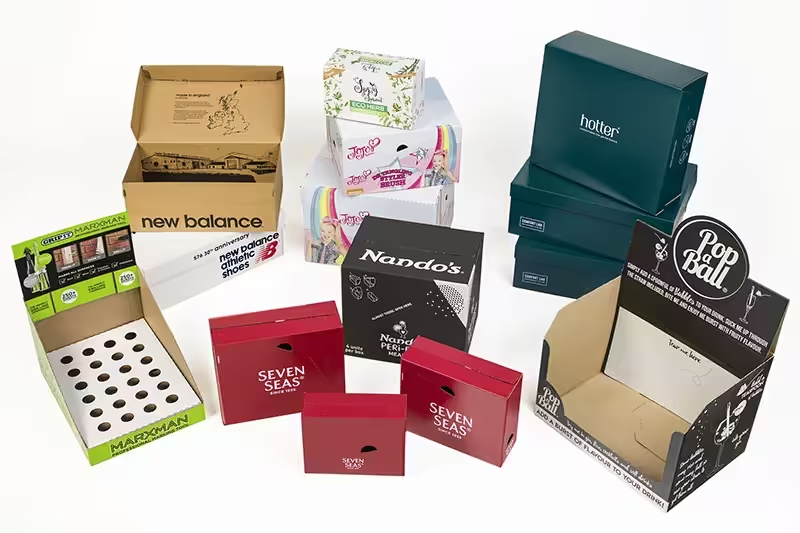
Use a high-quality photo of your product on the box. Use neutral colors so the product pops. Add your logo visibly so people recognize you from afar. This combination catches target customers easily.
4. Playful Character & Interactive Packaging
- What to do: Add cartoon characters, fun shapes, or interactive cutouts to make packaging enjoyable and memorable.
- Best For: Snacks, kids’ products, candy, pet supplies.
- Cost Level: Medium.
- Packoi Pro Tip: Match the fun design to your product category for natural branding.
Packaging doesn’t have to be serious. For food, use a cartoon face with a window as the “mouth.” For meat products, use animal shapes with transparent insides. Fun designs fit many products.
5. Unique Custom Shape Packaging
- What to do: Break away from square/rectangle boxes and use circular, triangular, diamond, or custom silhouette shapes.
- Best For: Gifts, luxury items, special-edition products.
- Cost Level: Higher.
- Packoi Pro Tip: Ensure the shape protects your product during shipping and storage.
Don’t limit yourself to squares or rectangles. Choose circles, triangles, diamonds, etc. Ensure enough space for your product and protective fillers during transit.
6. Custom Inside Print (Unboxing Surprise)
- What to do: Print patterns, logos, or warm messages inside the box to create a stunning unboxing moment for social media.
- Best For: E-commerce, DTC brands, gifts, beauty.
- Cost Level: Medium.
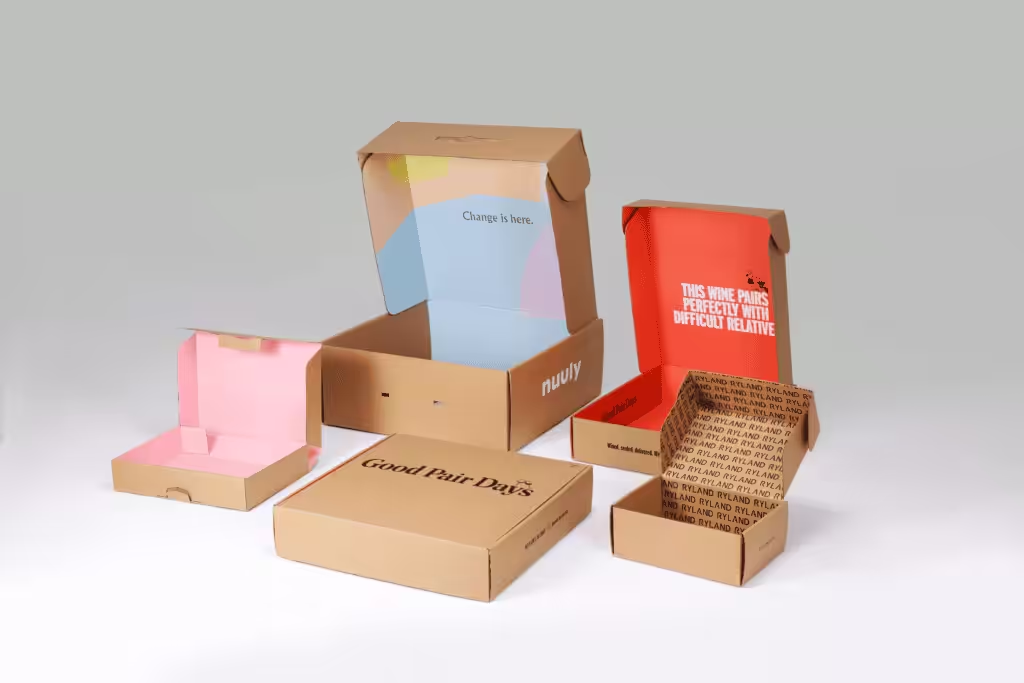
- Packoi Pro Tip: Use bright inner colors to contrast with a simple kraft outer box.
Patterns are a great strategy. Use polka dots, stripes, logos, or custom graphics. Printing all over creates an appealing look that stands out among other products.
7. Surprise Element Sample Insert Packaging
- What to do: Include a small gift, sample, or thank-you card to delight customers and improve loyalty.
- Best For: Beauty, skincare, subscription boxes, coffee.
- Cost Level: Low.
- Packoi Pro Tip: Choose samples that complement the main product to drive repurchase.
A surprise element makes your brand memorable. Add small gifts, samples, or complementary items inside. This improves customer experience and increases repeat purchases.
8. Asymmetrical Die-Cut Window Packaging
- What to do: Think of an eye-catching, ridiculous design that your customers won’t believe what they’re seeing. Like a cigarette box that’s shaped like a coffin.
- Best For: Trendy brands, niche products, limited editions.
- Cost Level: Medium.
- Packoi Pro Tip: Keep the unique style consistent with your brand to avoid confusing customers.
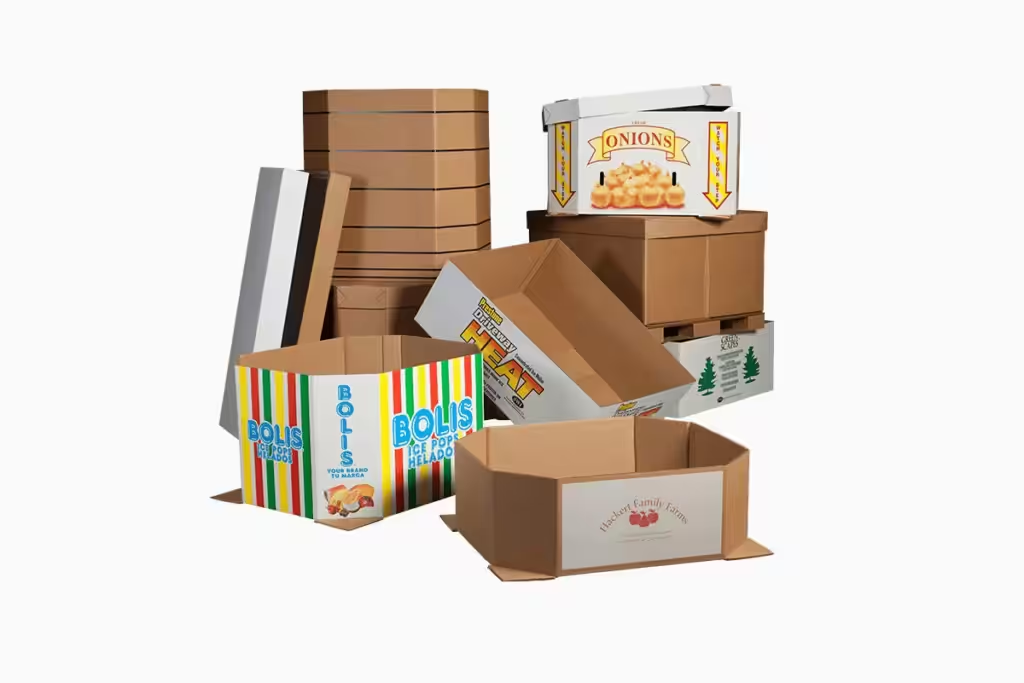
Unusual designs stand out. Be unconventional, silly, or unexpected. A unique shape makes people curious and encourages them to pick up your product.
9. Blind Embossing on Kraft Cardboard
- What to do: Add 3D texture via blind embossing (no ink) for a premium, luxury, eco-friendly look.
- Best For: Luxury skincare, candles, jewelry, high-end gifts.
- Cost Level: Medium.
- Packoi Pro Tip: Emboss areas customers often touch for better grip and experience.
Texture helps your packaging stand out. Use embossed patterns. You can also add functional texture for easier handling. Color or monochrome both work well.
10. Custom Shaped Die-Cut Window Packaging
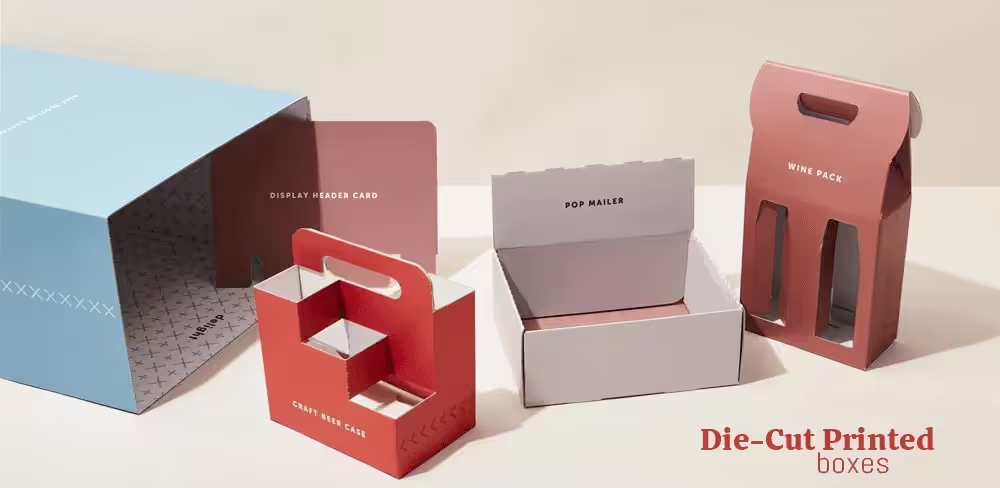
- What to do: Use custom-shaped windows (circle, heart, star, product silhouette) so customers can see inside at a glance.
- Best For: Food, candles, soap, retail.
- Cost Level: Medium.
- Packoi Pro Tip: Match window shape to your product for stronger branding.
Die-cut windows let customers peek inside. Windows can be any shape. They help customers decide quickly without reading text or opening the package.
11. Reusable Storage Packaging
- What to do: Make the box durable enough to reuse as storage, organizer, or home decor.
- Best For: Eco-brands, apparel, stationery, home goods.
- Cost Level: Medium.
- Packoi Pro Tip: Add simple reuse instructions on the box to encourage sustainability.
Boost sustainability by making packaging reusable. Durable boxes can be used for storage. Add decor instructions to keep boxes out of landfills.
12. Custom Stamp & Sticker Packaging
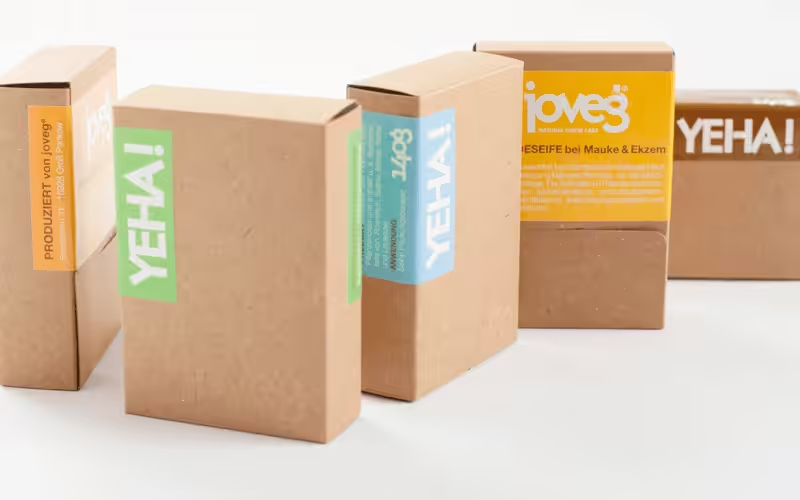
- What to do: Customize plain cardboard boxes with stamps or stickers for a low-cost, unique, handmade look.
- Best For: Startups, small brands, Etsy sellers.
- Cost Level: Lowest.
- Packoi Pro Tip: Use eco-friendly stamps and stickers to keep cardboard recyclable.
Stamps and stickers bring plain boxes to life. This is cost-efficient. Buy plain boxes in bulk, then customize with stamps/stickers. Keep materials eco-friendly.
13. Minimalist Sleeve Packaging
- What to do: Use a simple printed sleeve around a plain box for a clean, premium, low-cost look.
- Best For: Minimal brands, tech accessories, skincare.
- Cost Level: Low.
- Packoi Pro Tip: In a crowded market, simplicity stands out more than busy designs.
You don’t need extravagant design. One sticker or printed sleeve works well. Sleeves add design and secure the box. Simplicity is eye-catching.
14. Gift-Grade Holiday Themed Packaging
- What to do: Design boxes to look like ready-to-gift packages for Christmas, Valentine’s Day, Mother’s Day, or other events.
- Best For: Gifts, seasonal products, limited editions.
- Cost Level: Medium.
- Packoi Pro Tip: Use classic festive elements to make the box look ready to give.
Cardboard boxes can be gift-worthy with the right print and design. Use holiday, Valentine’s, or Mother’s Day themes. Use generic gift designs for versatility.
How to Choose the Best Creative Packaging Ideas
Choosing the best box design for your product will require you to meet specific requirements. You have to realize that a product’s packaging has several roles. If you want to maximize the benefits of your product’s packaging, you have to meet each of these roles.
To do that, you have to follow 5 simple rules.
1. Design for Protection
This is the main purpose of your packaging—to protect your product. Sure, you want the packaging to be more eye-catching while it’s on store shelves. You want the box design to be so beautiful that it’ll help you sell more products.
But it’ll be for nothing if the customer opens the packaging for a broken product.
So before anything else, make sure the packaging can protect the integrity of the product.
2. Design for Efficiency
Product packaging is also meant to be functional. It has to help the customer use the product well.
That means the box design should be built for convenience. It should complement the product so the customer can have the best experience using it.
To do this, you have to put yourself in the shoes of the customer. How will they use the product? What do they need from the packaging to make it easier?
3. Design for Information
Your target audience will need 2 types of information from you.
The first is information about the product. This includes the product description, ingredients, and other information that’s mandated by law.
The second piece of information is how to use the product. Your packaging design should give guidance as to how the customer can maximize the benefits of using the product.
4. Design for Your Brand
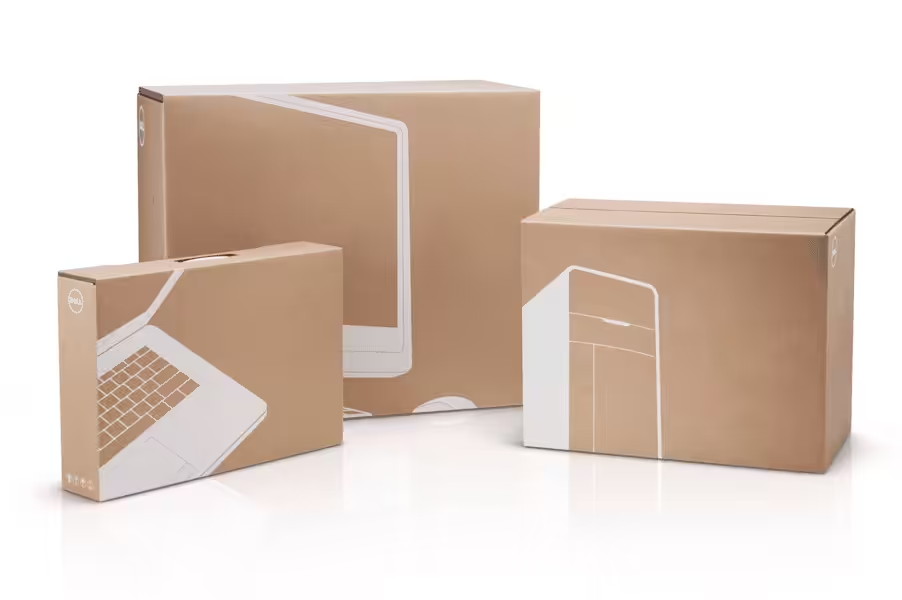
Your product packaging is part of your marketing materials. With the right design, it can be a powerful tool for brand promotion.
So make sure that everyone knows it came from your brand. If you correctly lay out all the design elements, you can have branded packaging that highlights your product.
5. Design for the Experience
The packaging box design is there to help you sell products. But don’t stop there. Make sure the product packaging gives the customer an incredible first impression.
Why is this necessary? Because that’s how you get repeat purchases. Give the customer the best experience through your packaging, and you’ll earn their loyalty.
They’ll know that what you sell is worth it and deserves to be bought again.
FAQs
Q1: Can I customize cardboard boxes to fit my brand’s story?
Absolutely. Your product box design is a powerful tool to share your brand’s story and highlight your brand personality. Whether you’re a small to medium business seller or a small local shop, custom printing allows you to add your logo, colors, and messaging. This builds brand recognition and helps customers connect with your brand stands on crowded shelves.
Q2: Are cardboard boxes strong enough to protect products during shipping?
Cardboard boxes are both practical and durable. They provide excellent protection for food items, supplies, and other products while being lightweight. For extra protection, you can add inserts or choose thicker corrugated board. This saves storage space and keeps your products safe without adding unnecessary weight or cost.
Q3: How do I make my cardboard packaging stand out from competitors?
Start with a bold statement or unique visual that reflects your brand personality. Work with professional designers to create an attractive layout using colors, typography, or custom windows. Adding small surprises like stickers or thank-you letters inside also helps capture attention. These touches turn ordinary boxes into memorable marketing strategy tools.
Q4: Is cardboard packaging suitable for small businesses and startups?
Yes, and it’s a smart choice. Cardboard is affordable, lightweight, and easy to customize — even for small orders. You can start with simple product box design ideas like custom stamps or printed sleeves. This allows you to test different styles without high upfront costs. It’s a practical way to build your brand and protect your products at the same time.
Conclusion
Cardboard packaging is more than just a way to protect your products — it’s a powerful marketing tool that can help your brand stand out, connect with customers, and drive sales.
Throughout this guide, we’ve shared 14 creative packaging ideas, from brand storytelling to custom shapes and eco-friendly designs. We’ve also covered how to choose the right design based on protection, efficiency, information, branding, and customer experience.
Whether you’re a small business owner or an established brand, the right cardboard packaging can make a lasting impression. It’s affordable, versatile, and sustainable — everything you need to turn a simple box into a memorable brand moment.
Now it’s your turn. Pick an idea that fits your product, work with experienced designers, and start creating packaging that your customers will love.
Ready to Create Packaging Boxes Made of Cardboard with Packoi Printing.
Designing great cardboard packaging is easy if you have the right help. Use this guide to help you find the ideal packaging that can make your product rise above the competition, so you can enjoy more revenue and business growth.
Packoi Printing is ready to help you make that possible.
Give us a call to discuss all your ideas. We can send you a product quote based on what you need.