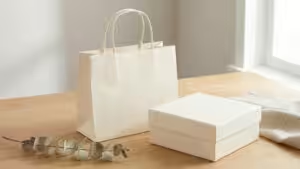
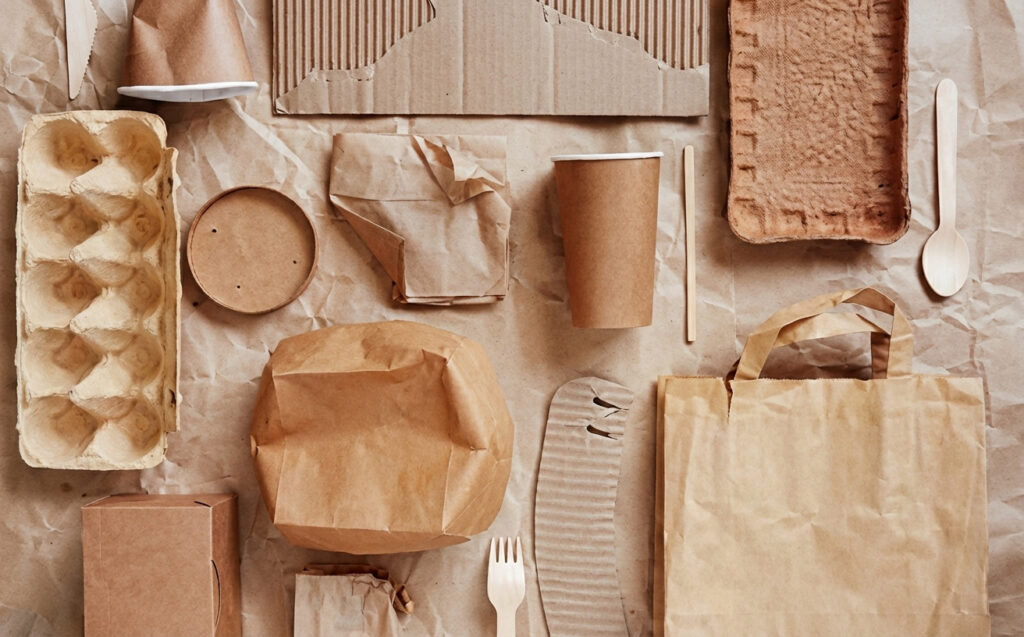
Thankfully, there are an array of options available, from biodegradable materials like paper and cardboard to plant-based solutions made from renewable sources.
Today, we’ll discuss some of the best packaging options available today, from plant-based materials and paperboard containers to innovative new approaches like biodegradable bubble wrap. Not only will these options help protect your products during shipping but also ensure you are making an impact in protecting our planet and its precious resources.
Reusable Shopping Bags
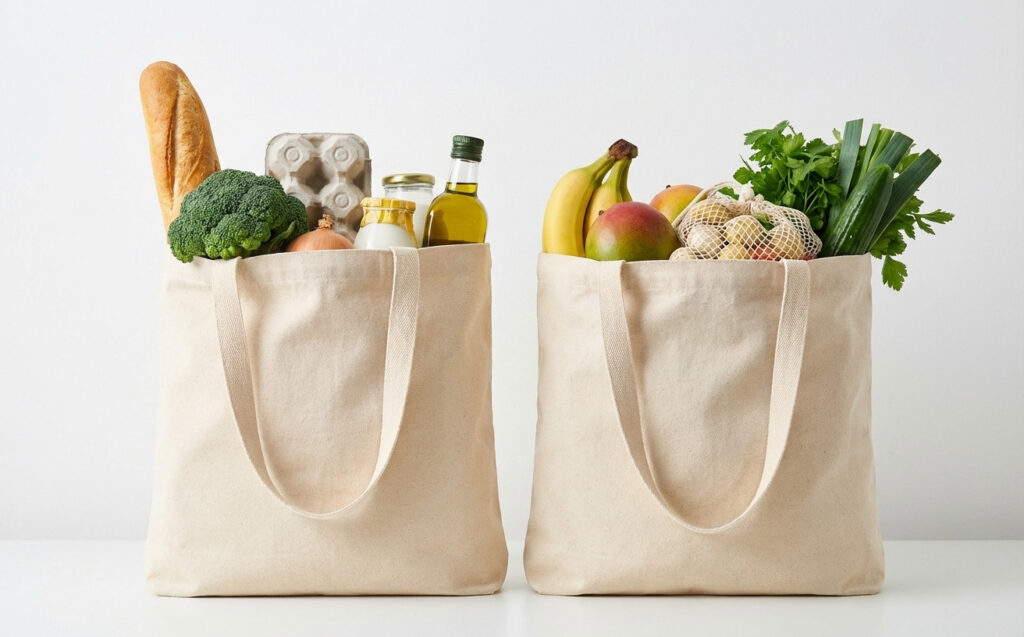
A smart alternative to plastic-based packing materials is switching to reusable shopping bags. These strong, durable, and infinitely recyclable bags provide a novel way to package your goods without harming the environment.
The most obvious benefit of reusable shopping bags is that they are made from natural materials like cotton, jute, or canvas which can be reused multiple times. This reduces the need for plastic packaging which is not only bad for the environment but also expensive to produce in large quantities.
Furthermore, these materials can be recycled after use to create new fabrics or products, ultimately leading to a circular economy in which resources are used more sustainably.
Reusable shopping bags also offer practicality and durability when compared with conventional plastic packaging. They are much stronger than their plastic counterparts and can carry heavier loads with ease.
In addition, they come in various sizes and shapes which makes them perfect for a wide range of applications. From grocery shopping to carrying books or clothes. Finally, they come with handles or straps that make them easy to transport from place to place without any hassle.
Although reusable shopping bags may seem more expensive than single-use plastic packaging at first glance, it’s important to remember that they last much longer and don’t require an additional purchase every time you need to pack something up. In this sense, they offer a cost-effective solution since you only need one bag instead of buying dozens of disposable plastics every month.
Glass or Stainless Steel Food Containers
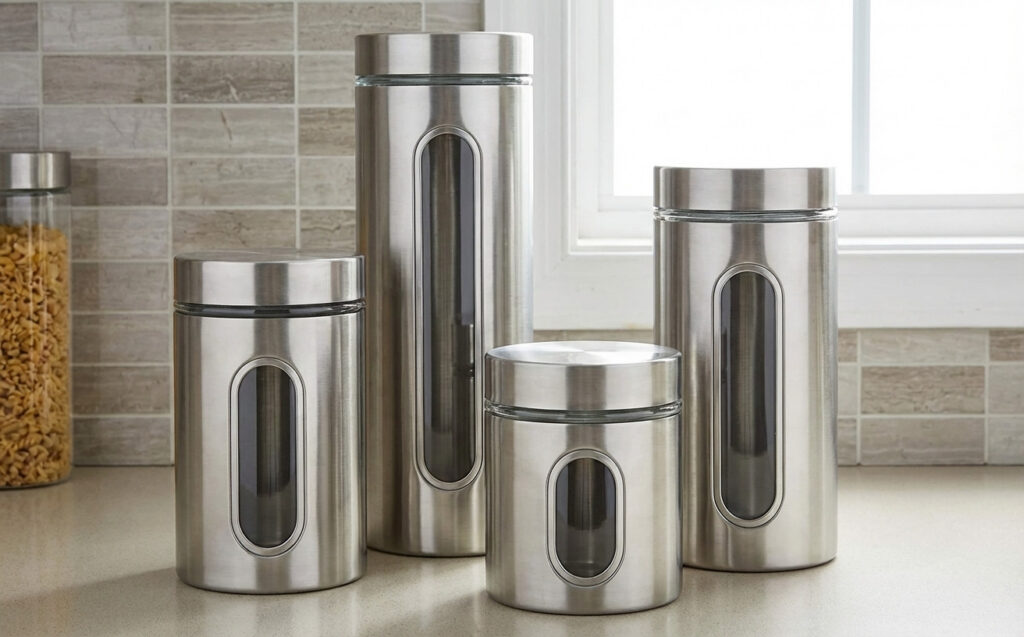
Glass and stainless steel containers are eco-friendly packaging materials that offer multiple advantages over plastic containers. Glass is a great alternative to plastic for food packaging as it is non-toxic, recyclable, and reusable.
It does not leach chemicals into food like some plastics do, making it much safer for consumers. For high-end food or cosmetic brands, glass is also an excellent way to elevate the product’s premium feel and reinforce a sustainable brand image.
Stainless steel is also becoming a popular choice for food packaging materials due to its durability and environmental benefits. Unlike plastic or even glass, stainless steel does not break down over time or become brittle with age. It also doesn’t contain toxins that can leach into food like plastic does, making it one of the safest options on the market today.
Glass is one of the best sustainable packaging materials as it’s made from mostly recycled material. Meanwhile, stainless steel requires fewer resources for replacements due to its extreme longevity– meaning less waste overall. Unlike plastic or paper containers that are thrown away after just one use, stainless steel containers can be reused dozens or even hundreds of times before replacing them.
Beeswax Food Wraps
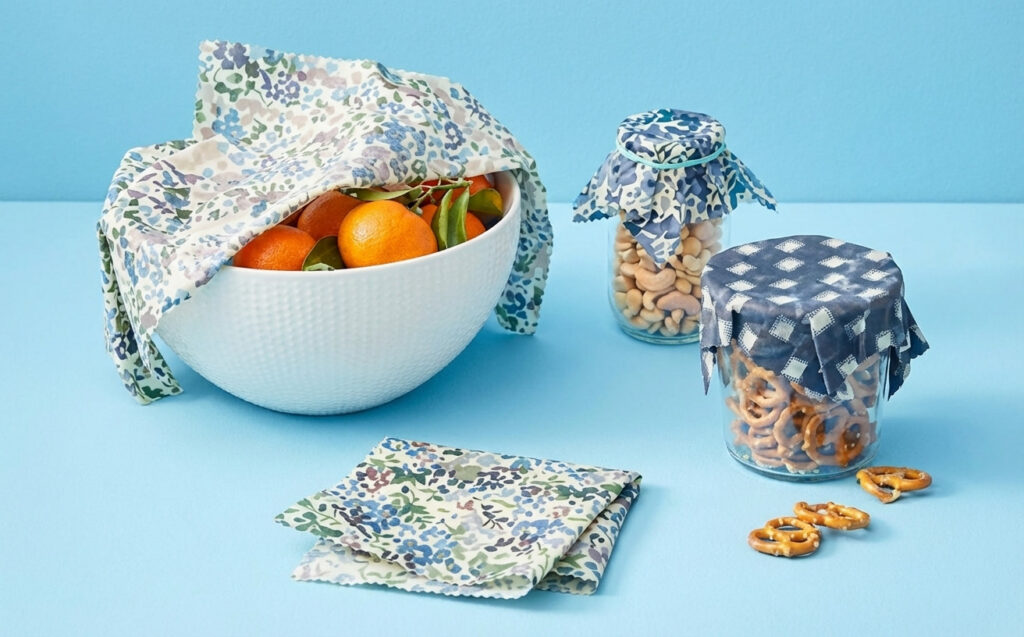
Beeswax food wraps are sheets of cloth coated with wax from honeybees. We can use them as biodegradable packaging materials as they make the perfect alternative to disposable plastic wrap or aluminum foil for storing food. The beeswax allows the wraps to be molded around containers, bowls, and other items for airtight sealing. It also helps preserve foods because it blocks out odors and moisture while still allowing air to circulate.
Unlike disposable plastic wraps, beeswax food wraps are reusable and biodegradable. That means they won’t end up in landfills like so much single-use plastic packaging does every day. Their production also uses fewer resources than that of traditional plastics; beeswax requires no energy-intensive manufacturing processes and its source material (honey) can be sustainably harvested without harming the environment or wildlife.
Since this eco-friendly wrapping alternative does not require any additional materials like boxes or bags, beeswax wraps have a smaller environmental footprint than many other types of storage products on the market today.
You can use beeswax food wraps just like traditional plastic wrap or aluminum foil – but with much less waste. Simply mold the wrap around any container or bowl you want to store in the refrigerator or pantry – it will create an airtight seal that keeps your food fresh longer.
Additionally, since beeswax is water resistant, you can even use them as deli wrappers or sandwich bags. Not only do they make packing food easy but they also give products a unique, natural look. For artisanal food brands, bakeries, or organic produce retailers, beeswax packaging can significantly enhance the unboxing experience and reinforce an eco-friendly brand positioning.
To clean and maintain these wraps for reuse, just rinse them off after each use and let them air dry, or simply wipe them down with a damp cloth when you’re done using them.
Beeswax food wraps are flexible enough to conform around any shape without tearing or ripping. They also create an airtight seal around whatever you’re storing which helps keep food fresher longer than other storage options like plastic wrap or aluminum foil.
Compostable Packaging Materials
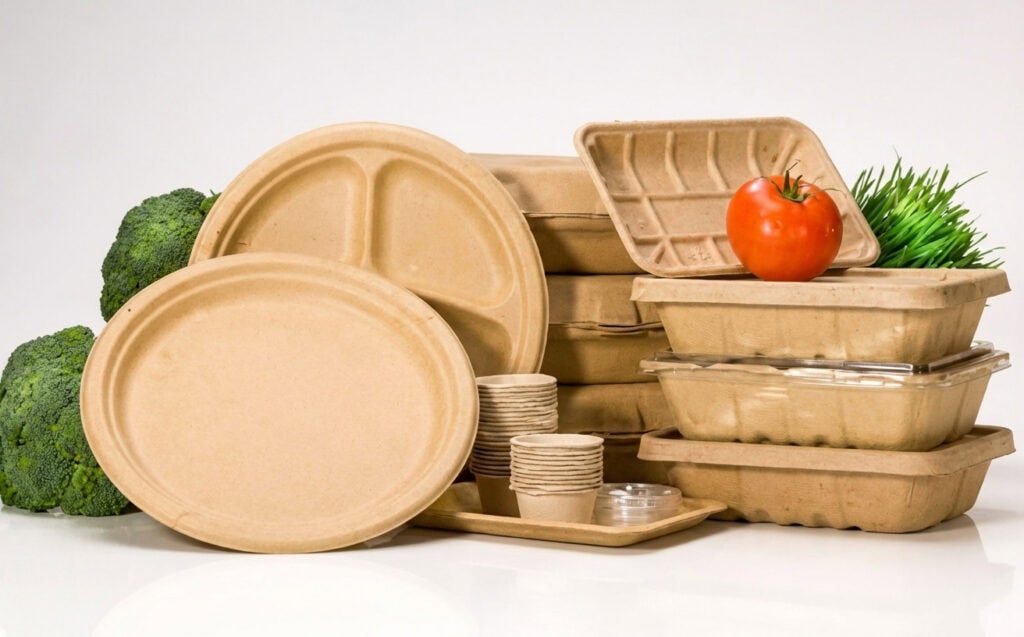
Compostable packaging materials are made from natural, biodegradable materials like paper, cardboard, and plant-based plastics. Not only is it better for the environment, but it’s also cost-effective and can help your business stand out from the competition.
For starters, these sustainable materials are made from recycled waste that can be broken down quickly and easily in nature. When these packing materials are disposed of properly, they will not harm the environment or contribute to pollution as plastic does. Additionally, compostable packaging materials can be used in a range of applications including food and beverage containers, labels, and even medical devices.
Producing these materials requires less energy and reduces carbon emissions. However, businesses must ensure their packaging is truly compostable—leaving no toxic residue behind. To avoid “greenwashing,” always verify your suppliers through trusted certifications like BPI for compostability and FSC for responsibly sourced paper.
By choosing compostable packaging you’re sending a message that you care about the environment and want to do your part to reduce waste. This will resonate with customers who are looking for products that have been produced sustainably and ethically – giving you an edge over competitors who may not use compostable materials yet.
To successfully switch to compostable product packaging, focus on three key steps:
- 1. Choose the Right Material: Research various compostable packaging materials to find an option that perfectly meets your budget and sustainability goals.
- 2. Find a Reliable Supplier: Work with a manufacturer that specializes in custom packaging design on compostable substrates to ensure your branding looks great on the finished product.
- 3. Guide End-of-Life Disposal: Print clear instructions on the box telling customers how to dispose of it properly (e.g., home composting vs. commercial facilities) to truly reduce their carbon footprint.
Biodegradable Garbage Bags
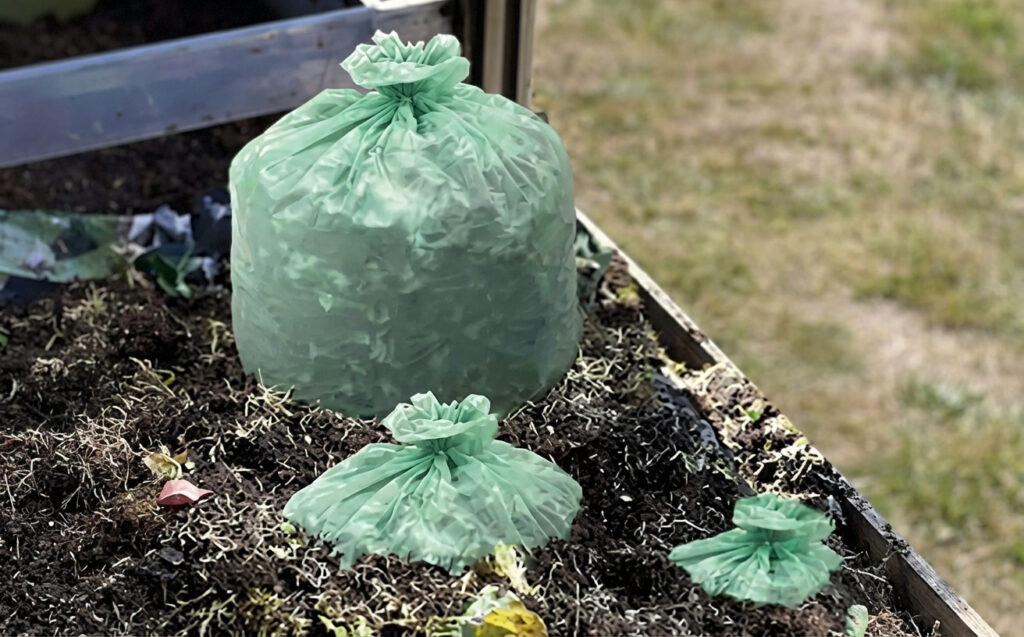
Biodegradable garbage bags are made from renewable materials, making them a more eco-friendly option than traditional packaging. These garbage bags are often made from plant-based materials such as cornstarch, potato starch, or vegetable oil derivatives.
This packaging and cushioning material is designed to break down quickly when exposed to sunlight and moisture, so there’s less packaging waste. Instead of occupying landfills indefinitely, high-quality biodegradable bags can break down in commercial composting facilities within 90 days, strictly meeting ASTM D6400 certification standards.
The biggest benefit of using biodegradable garbage bags is that they align with corporate sustainability goals without sacrificing durability. For retail stores, restaurants, or e-commerce fulfillment centers, switching to these plant-based alternatives ensures that any waste placed in these bags will not accumulate in landfills or oceans for years on end as traditional plastic does.
For businesses, it is crucial to understand the difference between “biodegradable” and “compostable” to avoid greenwashing risks:
- Biodegradable simply means a product will break down over time, but without strict regulations, some may leave behind harmful microplastics.
- Compostable (The Superior Choice) means the bags are made from materials (like PLA/PBAT) that will completely break down into nutrient-rich soil within a few months under specific industrial composting conditions, leaving zero toxic residue.
Recycled Paper Products
As the name says, this paper packaging is made from recycled materials and requires significantly less energy compared to those made from new materials. As a result, there are fewer greenhouse gas emissions associated with the production of this packaging material.
Recycled paper remains a cornerstone of sustainable packaging for modern businesses. It requires significantly less energy and water to produce compared to virgin paper and avoids sending millions of tons of waste to landfills. By utilizing top-tier recycled materials, brands can create functional, aesthetically pleasing packaging solutions that actively reduce their reliance on fossil-based plastics.
Here are two highly effective paper-based solutions to upgrade your current packaging:
- Kraft Mailers: Corrugated Kraft boxes are strong, highly customizable, and 100% recyclable. They provide exceptional protection during shipping, making them the perfect sustainable choice for e-commerce brands looking to deliver a premium, rustic unboxing experience.
- Molded Pulp Inserts: This is a game-changer for interior protection. Instead of relying on non-recyclable EVA foam, styrofoam, or plastic bubble wrap, molded pulp (often made from recycled cardboard or newsprint) can be custom-molded to perfectly cradle your products. It is structurally rigid and ideal for protecting fragile items like electronics, glass cosmetics, or wine bottles.
Switching to recycled paper products and custom molded inserts ensures that your entire packaging suite—from the outer box to the inner cushion—is fully curbside recyclable, drastically reducing your brand’s carbon footprint.
Bamboo Packing Bags
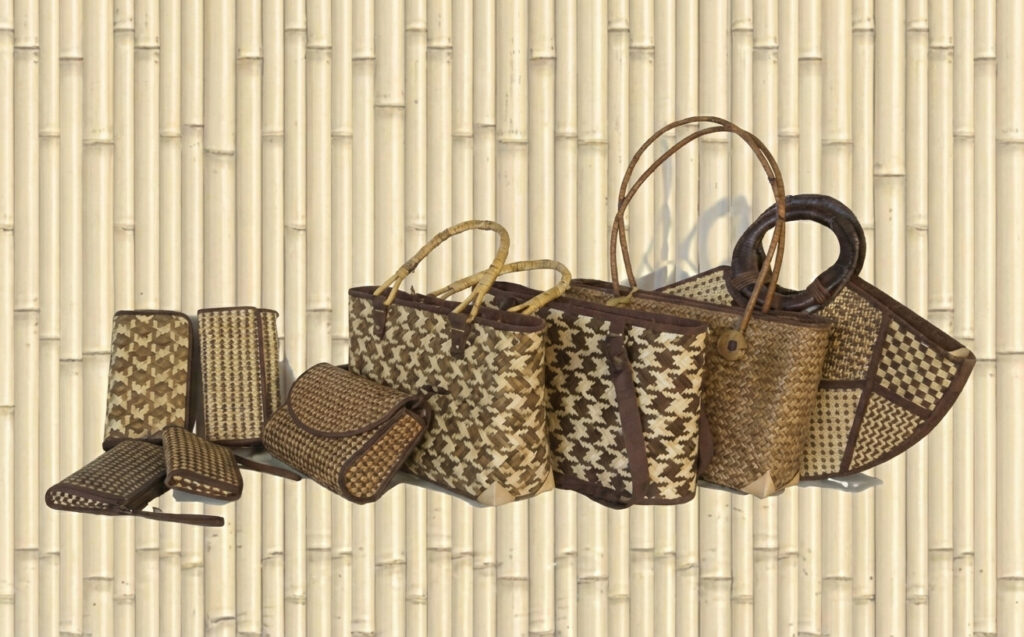
Bamboo is classified as a grass, meaning it grows much faster than trees, with some species growing as tall as 39 feet in just six months. This means that bamboo is a renewable resource; when harvested, it can quickly grow back. In addition, no chemicals or fertilizers are used in cultivating bamboo, so it’s surely a sustainable choice for packaging materials.
Beyond its rapid renewability, bamboo breaks down naturally within 2–5 years, and you won’t damage the environment any further. Once your packaging has served its purpose, you can recycle or compost it.
Bamboo products also don’t require harsh chemicals during the manufacturing process like many recycled plastics do. For luxury cosmetics or premium apparel brands, bamboo packing bags offer a clean, high-strength, and high-end unboxingexperience that perfectly matches their eco-conscious image.
Perhaps one of the most important benefits of using bamboo packing materials is its ability to reduce your carbon footprint significantly. Bamboo actually absorbs more CO2 than other plants while releasing 35% more oxygen into the atmosphere than trees. By using this natural material over plastic-based alternatives, businesses can drastically reduce their carbon emissions and become more sustainable overall.
Corrugated Bubble Wrap
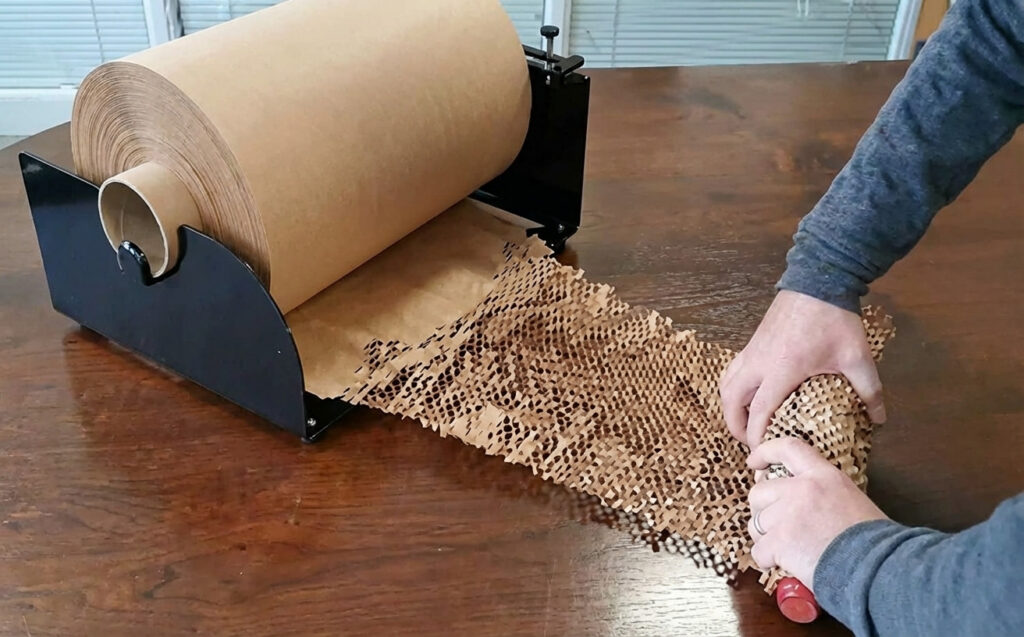
In the packaging industry, plastic is the material of choice because it’s cheap, malleable, and lightweight. However, the alarming environmental impact of single-use plastics calls for a safer alternative and corrugated bubble wrap fits the bill here.
This bubble wrap is made from corrugated cardboard, which is 100% recyclable and biodegradable. These characteristics of corrugated material help reduce energy consumption since it’s lighter than plastic packaging materials, meaning less fuel needs to be used in transportation and shipping processes.
Corrugated bubble wrap also offers superior protection against impacts during shipping compared to traditional plastic packaging materials. This is due to its combination of cushioning bubbles and reinforced cardboard walls that offer maximum product protection while still remaining lightweight and easy to store or transport.
Since this layered bubble wrap is exceptionally lightweight, it directly helps businesses cut down on shipping costs and dimensional weight charges. Corrugated bubble wrap can be reused multiple times or easily curbside-recycled by consumers, so if you want to put forward a sustainable business, it is a smart, cost-effective substitute for the plastic waste of traditional packaging.
Cornstarch Packaging
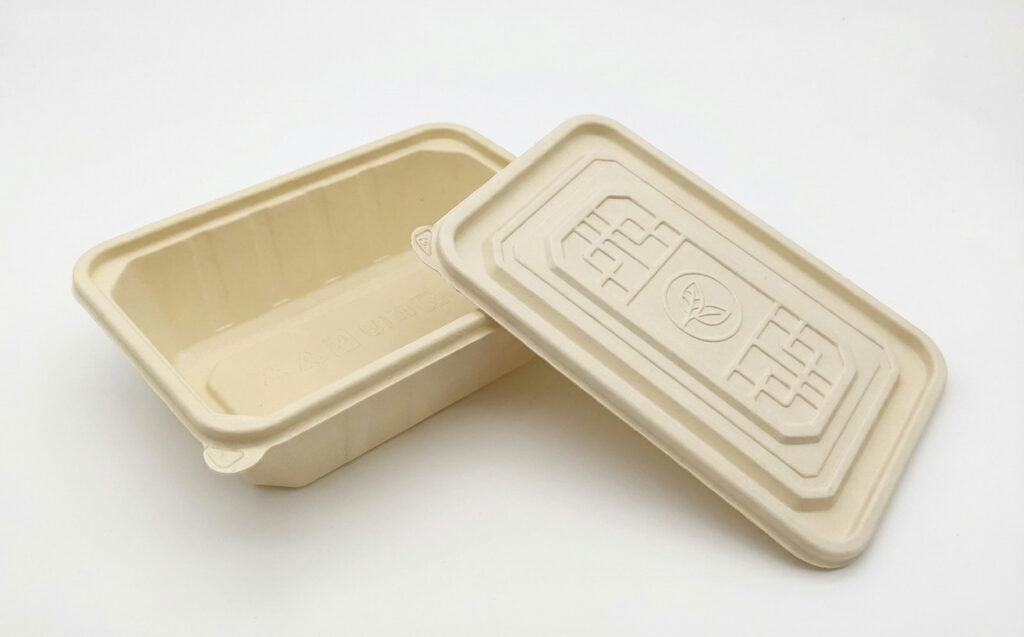
Cornstarch packaging is an eco-friendly alternative made from a blend of natural corn starch and biodegradable polymers such as PLA. Instead of relying on petroleum, these renewable ingredients are heated and easily molded into various shapes, offering a perfect sustainable substitute for traditional plastic.
Here are the three core advantages of using cornstarch materials:
- Plastic-Like Durability: It offers impressive strength comparable to traditional plastics, with formulations available for improved moisture resistance. While its appearance is typically translucent rather than crystal-clear, it provides excellent functionality for most packaging applications.
- Highly Customizable: The material readily accepts standard printing methods and is easy to heat-seal, making it incredibly simple to create eye-catching cornstarch custom boxes for your brand.
- 100% Biodegradable: It is commercially compostable and breaks down naturally in industrial composting facilities within months, leaving behind no toxic microplastics.
Cornstarch packaging is suitable for food or medical supplies, but its main application is for consumer goods such as cosmetics, toys, electronics, clothing, etc. Another common use for this packaging is bags and wraps for foods like chips, candy, nuts, dried fruits, mushroom packaging, etc. This material also makes a great option for biodegradable packaging peanuts and single-use food containers.
Cornstarch boxes and bags are made from renewable resources like corn instead of petroleum derivatives (used in plastic bags). Therefore, their production process results in far fewer greenhouse gas emissions. Likewise, because cornstarch packaging will break down faster when exposed to extreme temperatures or moisture levels, there’s less worry about it leaching toxic materials into the ground or water.
How to Choose the Best Alternative to Plastic Packaging
Finding the right eco-friendly packaging depends on your product type, budget, and supply chain. Below is a quick comparison of the top 9 alternatives to plastic packaging to help you make an informed procurement decision:
| Packaging Material | Cost | Durability & Water Resistance | Best For (Industries) | Printability (Branding) | MOQ Expectation |
|---|---|---|---|---|---|
| Corrugated Cardboard | Low | high durability, low water resistance | E-commerce, Heavy Goods | Excellent | Low |
| Kraft Paper | Low | Medium durability, low water res. | Retail, Fashion, Food | Excellent | Low |
| Molded Pulp | Medium | High shock absorption, low water res. | Electronics, Cosmetics | Fair | Medium |
| Compostable Plastics (PLA) | Medium | High durability, high water res. | Food & Bev, Apparel | Good | Medium |
| Cornstarch Peanuts | Low | Low durability, zero water res. | General Void Fill | N/A | Low |
| Cellulose Film | High | Medium durability, high water res. | Food Bakery, Cosmetics | Good | High |
| Mushroom Packaging | High | High shock absorption, low water res. | High-end Electronics, Furniture | Poor | High |
| Glass Containers | High | High durability, 100% water res. | Beauty, Premium Food | Excellent (Labels) | Medium |
| Metal & Aluminum | High | Extreme durability, 100% water res. | Cosmetics, Supplements | Excellent | Medium to High |
FAQs
Q1: Is eco-friendly packaging more expensive than traditional plastic?
While sustainable materials typically have a slightly higher upfront cost, businesses often offset this through increased customer loyalty and brand premium. Furthermore, investing in green packaging now helps your business avoid future taxes and stay ahead of strict global plastic regulations.nd plant-based packaging materials expire?
Q2: Do biodegradable and plant-based packaging materials expire?
Yes, unlike traditional plastics, organic and plant-based materials usually have a shelf life of 6 to 18 months. To prevent premature degradation, always store them in a cool, dry warehouse away from direct sunlight and extreme humidity.
Q3: Can plastic-free alternatives protect fragile items during transit?
Absolutely, sustainable solutions like interlocking corrugated paper wrap and molded pulp offer excellent shock absorption comparable to traditional bubble wrap. These eco-friendly materials are engineered to pass rigorous drop-test standards, ensuring safe delivery for e-commerce shipments.
Q4:Can I print my brand logo on sustainable packaging without affecting its eco-friendliness?
Yes, by using renewable printing methods like non-toxic soy-based or water-based inks, your boxes will remain 100% recyclable or compostable. If you want to elevate your unboxing experience sustainably, contact us to design the perfect custom-printed eco-packaging for your brand.
Q5: Why should businesses switch from plastic to sustainable packaging?
Globally, only 9% of plastics are recycled, meaning the remaining 91% ends up in landfills or oceans. This staggeringly low rate highlights the urgent need for sustainable alternatives. By switching to fully biodegradable solutions like bamboo packing bags, businesses can bypass the broken plastic recycling system completely and deliver a genuine zero-waste unboxing experience.
Conclusion
The real challenge for today’s businesses is no longer finding plastic alternatives, but finding the perfect balance between controlling operational costs and meeting environmental responsibility.
Fortunately, being sustainable does not always imply higher costs. In many instances, biodegradable packaging is more economical than traditional plastics. As discussed, leveraging lightweight corrugated wrap or right-sized bamboo materials can effectively reduce your overall shipping and logistics expenses.
All in all, the key to a successful eco-friendly transition is choosing the right materials that align with your specific product needs and your bottom line.
Ready to Make Your Business Sustainable? Start With Your Product Packaging!
With sustainability becoming increasingly important to businesses, many companies are looking for reliable options for packaging made from quality materials. Packoi Printing offers packaging solutions that strike the perfect balance between quality and sustainability. Our eco-friendly packaging boxes and bags are customs tailored to suit your individual needs. Whether you have an idea or need inspiration, our team of experienced professionals will work together with you to ensure that your brand voice is brought to life through package design. Stop using unsustainable packaging and call us at Packoi Printing – we are here to provide you with the best sustainable packaging solutions!